 Free shipping on orders over £29,85
  Shipping Tracking!


 Google
 Facebook
← Back to How do you coat polymer clay with resin?
It can be very frustrating to find your resin sticky or soft after the expected curing time. Fortunately, the most common reasons are easy to troubleshoot with a few careful checks of your materials and environment. Here’s how to get your resin-coated polymer clay project back on track.
Identify the Cause of Tackiness
Resin that remains sticky after curing is most often a sign that the chemical reaction couldn’t complete fully. This typically happens due to an incorrect mixing ratio or environmental issues such as low room temperature or high humidity. Always follow the manufacturer’s recommended ratio precisely, whether measured by weight or volume. Using a digital scale or proper measuring cups helps prevent mistakes.
How to Fix Sticky Resin
- Check the Mix: If you suspect the resin was not mixed evenly, carefully scrape off any tacky layer and reapply a new, accurately measured batch.
- Raise the Temperature: Move the piece to a warmer (but dust-free) area, as most resins require a temperature above 20°C to cure properly. Sometimes a longer curing time in the right environment will continue the process.
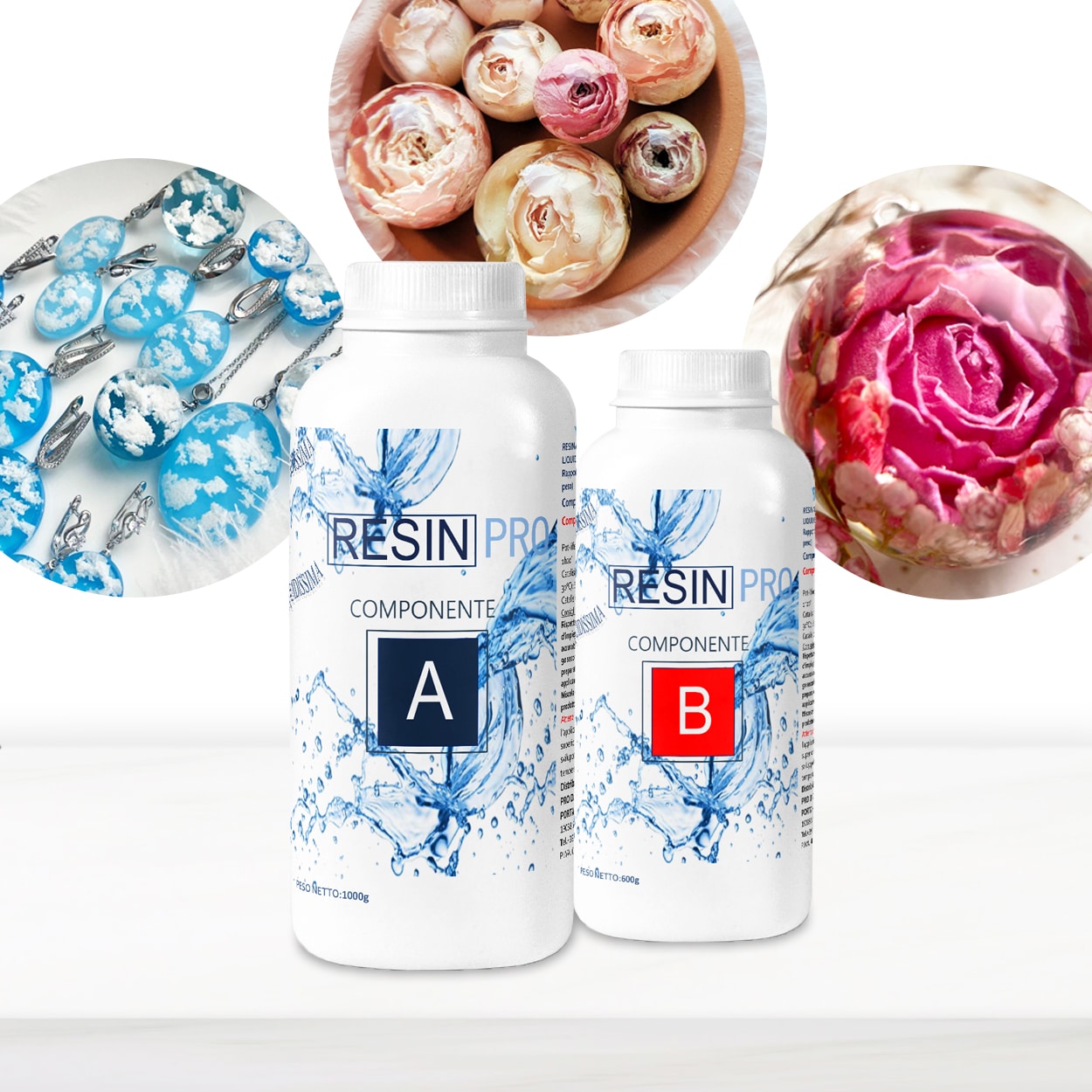
- Choose the Right Resin: Select a resin suitable for your type of project. For example, “Liquidissima” – Epoxy Resin For Creations & Jewellery is designed for detailed, thin coatings and flows well over polymer clay surfaces.
Practical Tips for Success
- Read the product instructions fully, as each resin has its own requirements for mixing and environment.
- Mix slowly and thoroughly to combine both components—uncured residue is often due to unmixed resin at the container sides.
- Use UV resin for small projects if you prefer fast, reliable curing—just be sure your piece is exposed evenly to the UV lamp.
When This Matters Most
Sticky resin is most problematic when sealing detailed or intricate polymer clay items, as a soft layer can pick up dust or damage the finish. For jewellery or other pieces subject to handling, proper curing ensures lasting clarity and strength.
Related products
Related guides
By checking your mixing method and ambient conditions, you’ll avoid most issues with uncured resin. For more tips and choosing the right products, see our advice on coating polymer clay with resin.