 Free shipping on orders over £29,85
  Shipping Tracking!


 Google
 Facebook
← Back to How do you coat polymer clay with resin?
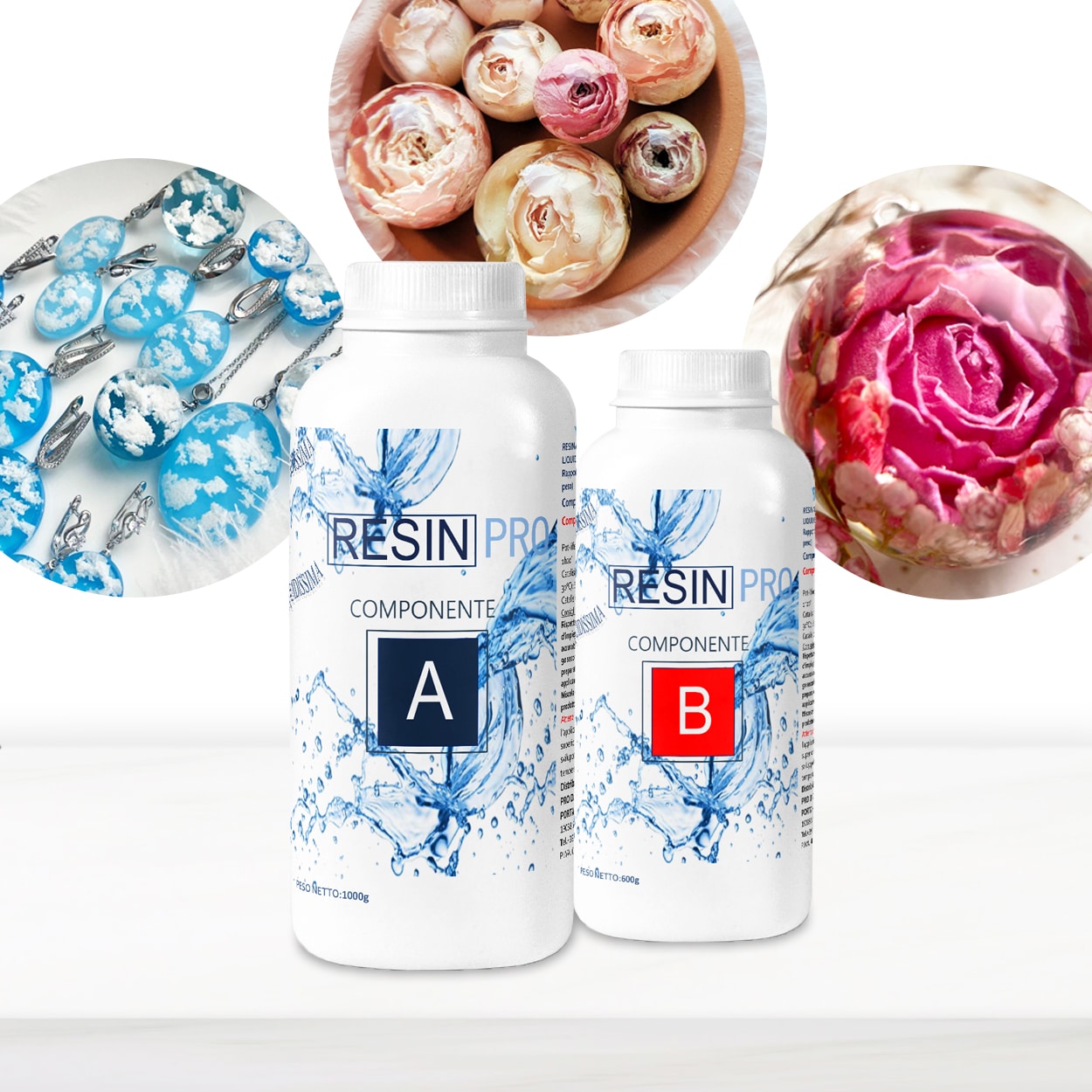
If your resin coating sometimes peels away from polymer clay, don’t worry—it’s a common challenge. Fortunately, with some key prepping steps and the right application, you can ensure long-lasting adhesion and a flawless finish on your creations.
Preparing Clay for Strong Resin Adhesion
The foundation for good resin adhesion is always careful surface preparation. First, ensure your polymer clay is fully cured as per the manufacturer’s instructions—under-baked clay increases the risk of peeling. Once cooled, wipe the surface with a clean, lint-free cloth dampened with isopropyl alcohol. This removes any oils or fingerprints that might interfere with the resin. Allow your piece to dry completely before moving on to the resin application process.
Choosing and Applying Resin Correctly
Low-viscosity resins, such as “Liquidissima” Epoxy Resin, make it easier to achieve smooth coverage and reduce the chance of air bubbles that can weaken the bond. When applying, pour small amounts at a time to ensure even distribution and gently guide the resin over the entire surface. Use a toothpick or small brush for precise edges or awkward corners. Always allow plenty of working time and avoid touching the surface mid-cure, as this can introduce contamination.
When Surface Preparation Really Matters
Resin is more likely to peel from clay items handled frequently, exposed to fluctuating temperatures, or intended as wearable jewellery. These scenarios call for extra attention to thorough cleaning and even application. Investing a few extra minutes in prep can prevent hours of repair later.
Related products
Related guides
With proper preparation and careful resin selection, you can stop peeling and enjoy polished, professional results on polymer clay crafts. For more tips on resin coating or to explore compatible products, return to our guide on coating polymer clay with resin.