 Free shipping on orders over £29,85
  Shipping Tracking!


 Google
 Facebook
How do you clean silicone rubber?
Simple steps to maintain, restore, and protect silicone rubber items


Whether you use silicone rubber for moulds, kitchenwares, or craft applications, proper cleaning is key to maintaining flexibility and extending the life of your silicone items. This guide explains how to safely clean silicone rubber, tackle common residues, and avoid mistakes that cause premature wear.
What You’ll Need
- Strong Technical Degreaser for Resin Projects – 100% Natural Formula – For removing grease and stubborn silicone residues.
- Pure Isopropyl Alcohol 99.9% – 1000ml Bottle for Epoxy Resin Projects & DIY – For preparing and refreshing silicone surfaces.
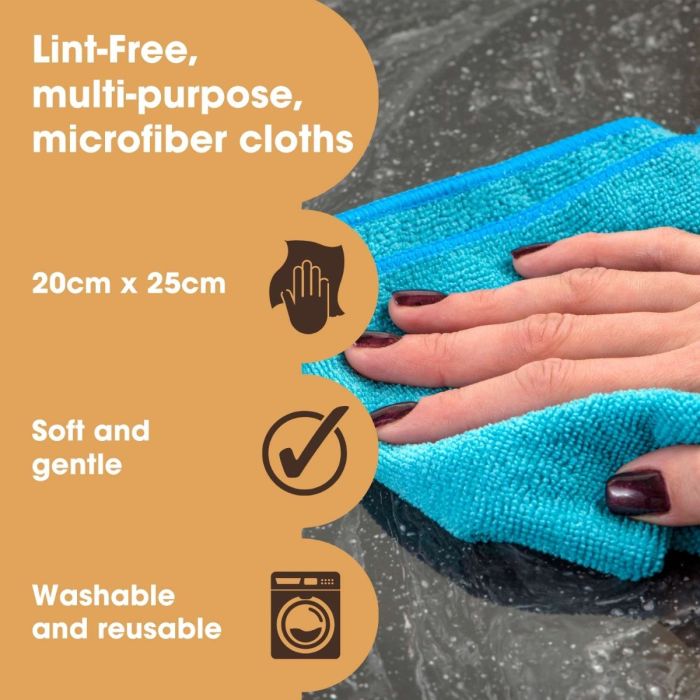
- Coloured Microfibre Cloths – Pack of 10 Multi-Coloured Cleaning Cloths – For gentle, lint-free wiping and drying.
- Silicone Oil for Mould Protection and Easy Release – 15ml – (Optional) To condition and protect after cleaning.
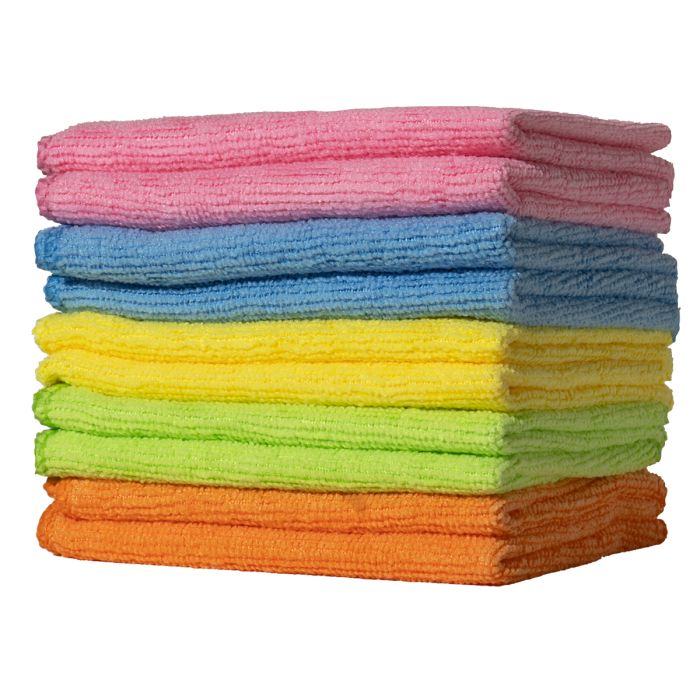
The Importance of Using the Right Cleaning Tools
Using microfibre cloths helps prevent scratching silicone rubber surfaces, keeping them smooth and prolonging their life. Gentle, lint-free cloths remove dust and residues effectively without damaging moulds or delicate items.
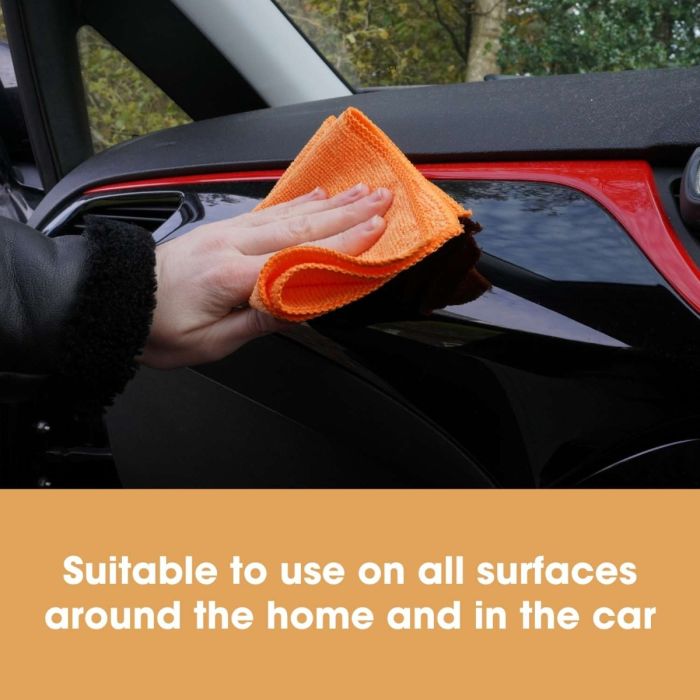
Step 1: Remove Loose Debris and Surface Dust
Begin by briskly rinsing the silicone rubber item under lukewarm running water to dislodge any surface dust, crumbs, or loose particles. Avoid hot water, as excessive heat can degrade softer silicone rubber.
Always use soft, lint-free cloths such as microfibre to gently wipe away loosened dirt. Avoid scrubbing with harsh pads, sponges, or brushes.
Step 2: Apply a Suitable Cleaning Agent
If residues remain, use a compatible cleaner. For oily or sticky residues, apply a small amount of Strong Technical Degreaser for Resin Projects – 100% Natural Formula directly onto the affected areas. Gently massage and allow the degreaser to act for a few minutes before wiping clean.
For general cleaning or mould preparation, dampen a soft cloth with Pure Isopropyl Alcohol 99.9%. Wipe evenly over the silicone surface, ensuring to ventilate your work area and avoid open flames.
Avoid harsh chemicals and abrasive pads as these can damage the non-stick and flexible properties of silicone rubber.
Step 3: Rinse and Dry Thoroughly
After using cleaners, rinse the silicone rubber thoroughly with lukewarm water to remove any remaining solution. Excess residue can attract further dirt if not washed off.
Dry using a clean, Coloured Microfibre Cloth, ensuring you reach crevices and textured areas. Air drying is also suitable if the item allows.
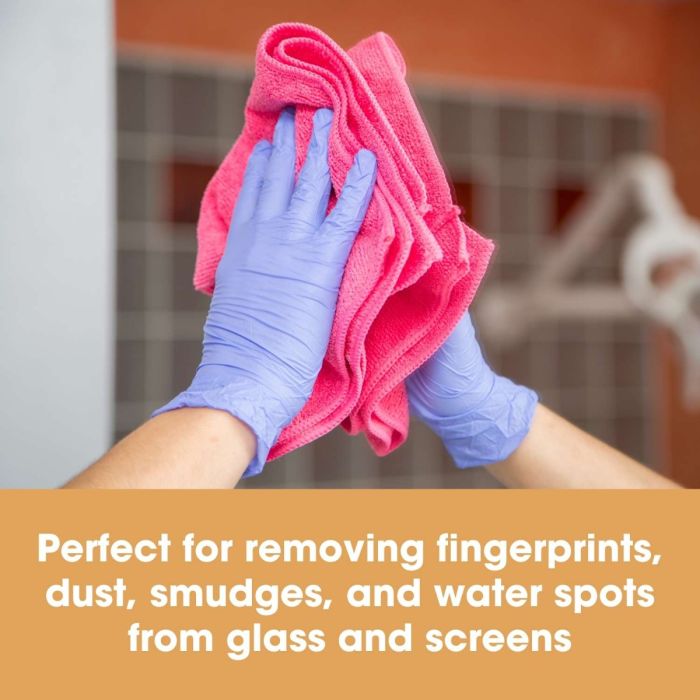
Step 4: Condition and Protect (Optional)
If the silicone is a mould or regularly used in casting, once dry, apply a thin layer of Silicone Oil for Mould Protection and Easy Release – 15ml. This step keeps rubber flexible, helps prevent resin adhesion, and prolongs usability.
Spread the oil sparingly using a clean microfibre cloth and allow it to settle before using the silicone again.
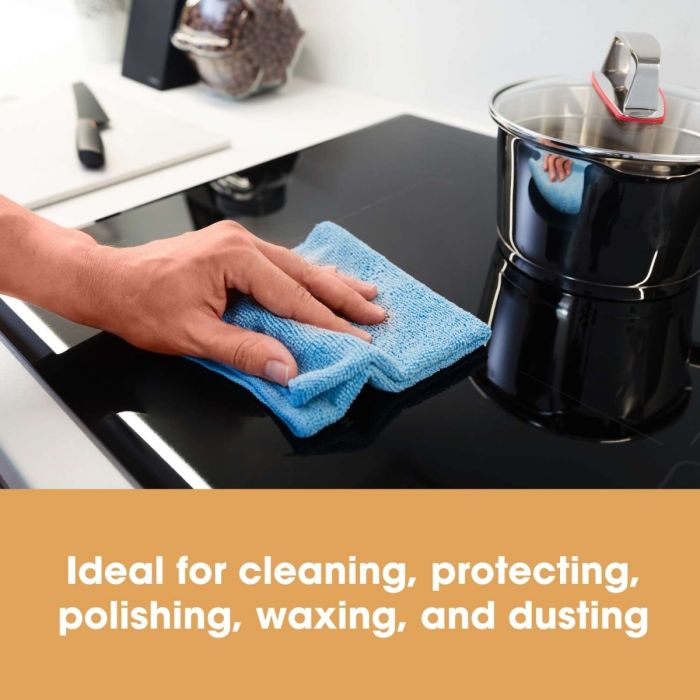
Tips and Common Mistakes When Cleaning Silicone Rubber
- Perform a test patch with any new cleaning agent on a discreet area to ensure compatibility.
- Silicone rubber can absorb colours from strong dyes; address stains as soon as possible for best results.
- Store clean silicone rubber away from dust and direct sunlight to prevent discolouration and ageing.
- Never use bleach or strong solvents, which cause brittleness and surface pitting.
Maintaining Silicone Rubber After Cleaning
After cleaning, regular conditioning with silicone oil keeps your moulds or items soft, flexible and protected from prolonged resin or environmental exposure. This simple care step significantly extends the usable life of silicone tools.
- Strong Technical Degreaser for Resin Projects – 100% Natural FormulaOriginal price was: £10.95.£9.45Current price is: £9.45.Strong Technical Degreaser is a natural, gentle liquid cleaner suitable for use on silicone and grease in resin projects.
- Pure Isopropyl Alcohol 99.9% – 1000ml Bottle for Epoxy Resin Projects & DIYPrice range: £10.45 through £20.95Pure Isopropyl Alcohol 99.9% is suitable for epoxy resin projects and cleaning moulds according to the theme on cleaning silicone rubber.
- Coloured Microfibre Cloths – Pack of 10 Multi-Coloured Cleaning Cloths£4.95Coloured microfibre cloths suitable for cleaning and protecting leather and fabric, aligned with silicone rubber cleaning.
 Silicone Oil for Mould Protection and Easy Release – 15ml£5.45Silicone Oil offers essential mould protection and easy resin release, suitable for epoxy resin projects and craft use.
Frequently Asked Questions
What cleaning agents are recommended for silicone rubber?
Use gentle, solvent-free degreasers or isopropyl alcohol. Avoid harsh chemicals or abrasive pads.
Can isopropyl alcohol damage silicone rubber?
Isopropyl alcohol (in moderation) is generally safe and effective for cleaning silicone rubber.
How do I remove greasy or sticky residues from silicone?
Apply a natural degreaser, let it act, then rinse and wipe with a microfibre cloth.
Why do silicone moulds lose flexibility over time?
Overuse, strong chemicals, or improper cleaning can cause silicone to become brittle. Conditioning with silicone oil helps restore flexibility.
Is boiling or dishwashing safe for silicone rubber?
Hand washing with gentle cleaners is best. Prolonged high temperatures may reduce the lifespan of some silicone items.
How do I prevent resin sticking to silicone moulds?
Applying silicone oil after cleaning helps prevent resin from adhering to mould surfaces.