 Free shipping on orders over £29,85
  Shipping Tracking!


 Google
 Facebook
How is resin flooring installed?
A comprehensive guide for durable resin floor installation success
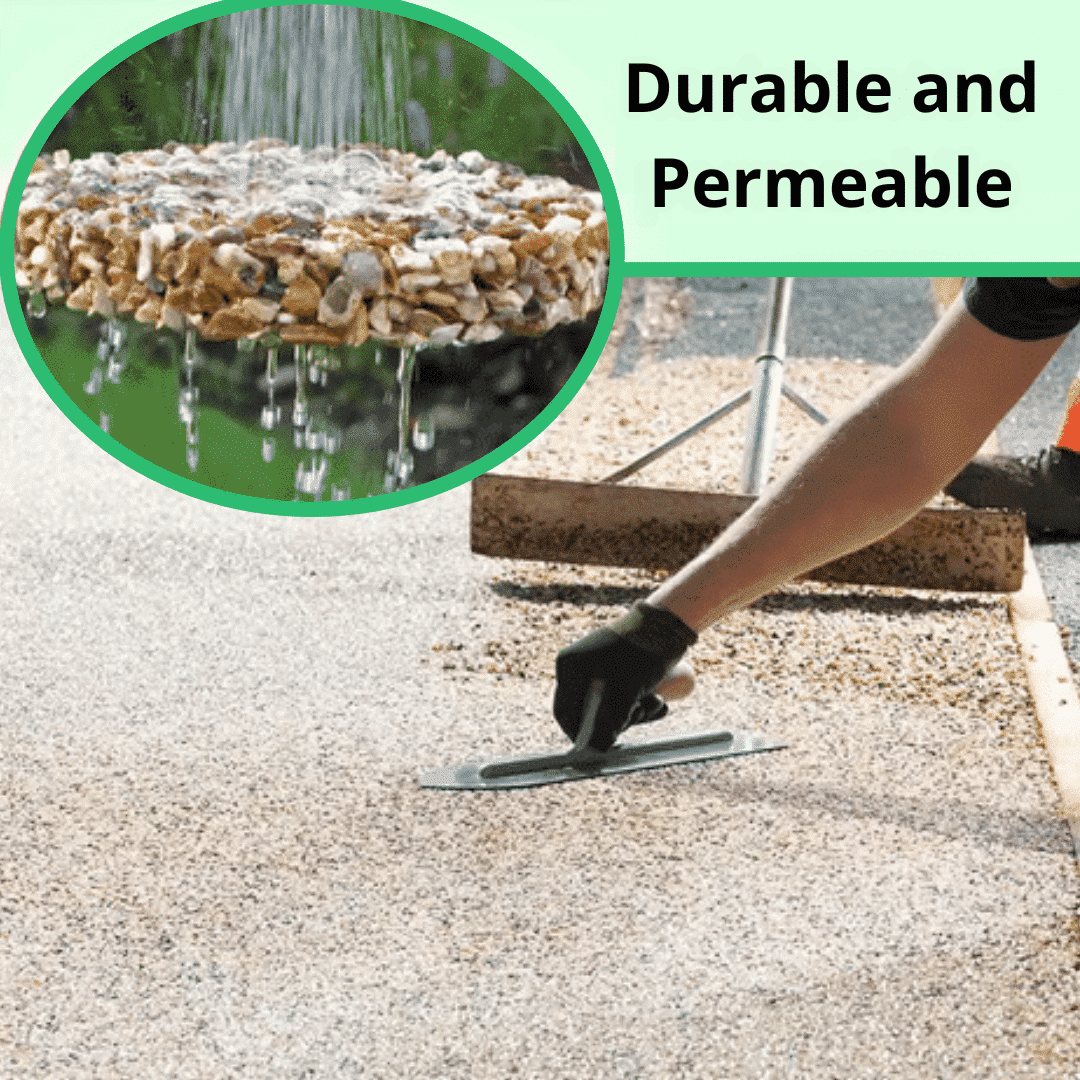
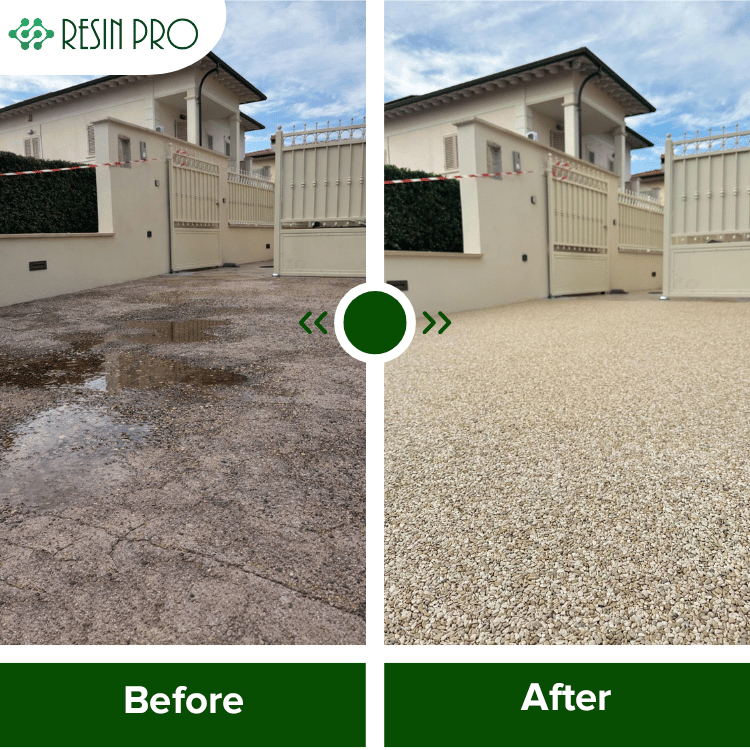
Installing resin flooring provides a resilient, attractive, and low-maintenance surface suitable for both residential and commercial environments. Whether you are covering concrete, preparing a decorative pebble floor, or renewing driveways and patios, understanding the installation process is crucial for long-lasting and aesthetically pleasing results. This guide walks you through each step, from preparation to finishing touches, ensuring your resin flooring performs flawlessly for years to come.
What You’ll Need
- “Epoxyprimer” – Universal Water-Based Two-Component Epoxy Floor Primer — Ensures reliable adhesion on concrete, tiles, screeds, and timber.
- “Trasparente” – Epoxy Binder for Coloured Pebbles and Grits — For creating decorative floors with coloured pebbles and grits.
- “Flowstone” – Complete Permeable Floor Kit with Pebbles and Resin — A user-friendly kit for durable, permeable outdoor surfaces.
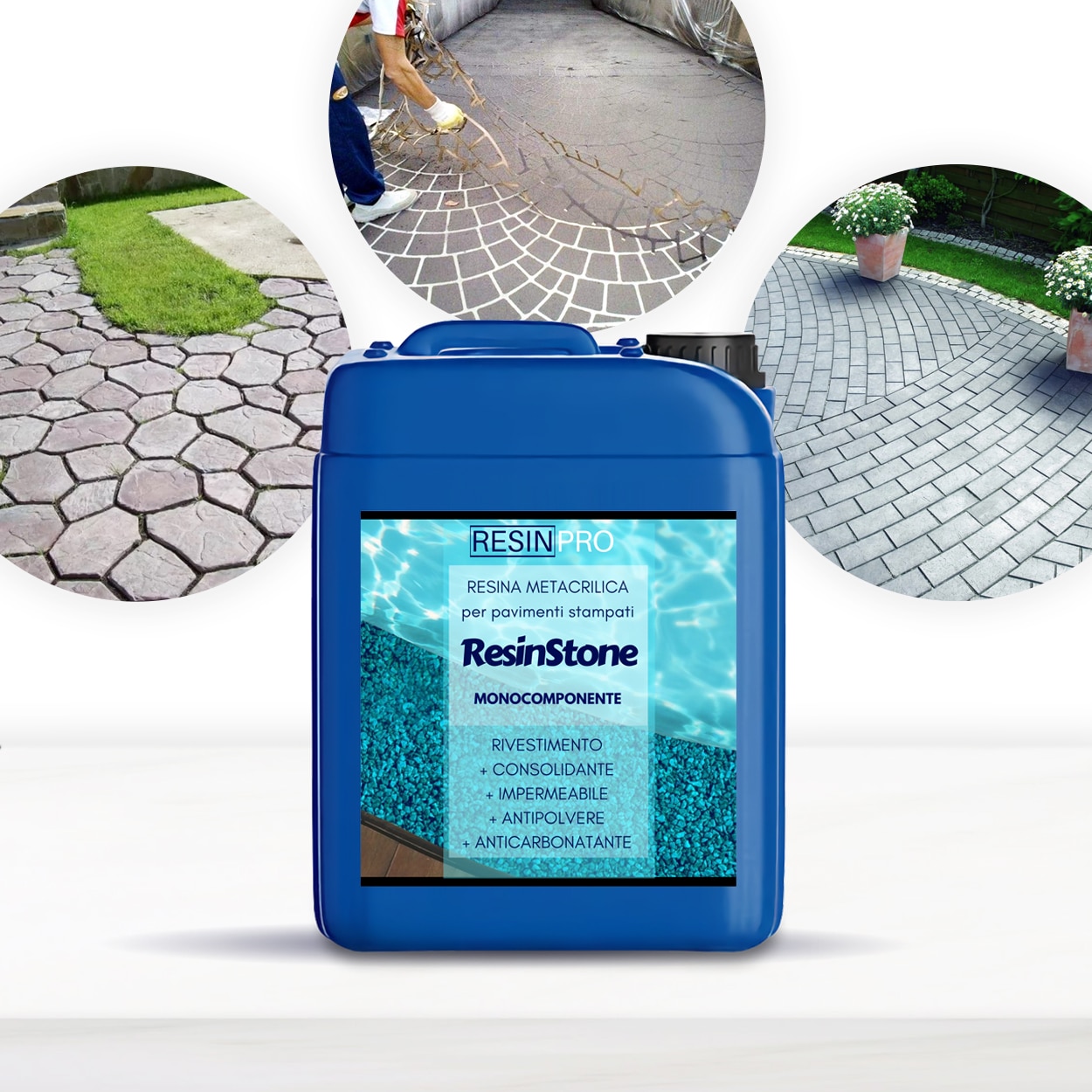
- “Resinstone” – One-Component Methacrylic Resin for Concrete Floors and Driveways — Ideal for sealing and protecting concrete surfaces.
- Mixing tools (spatula, roller, brush, cement mixer for large areas)
- Personal protective equipment (gloves, goggles, mask)
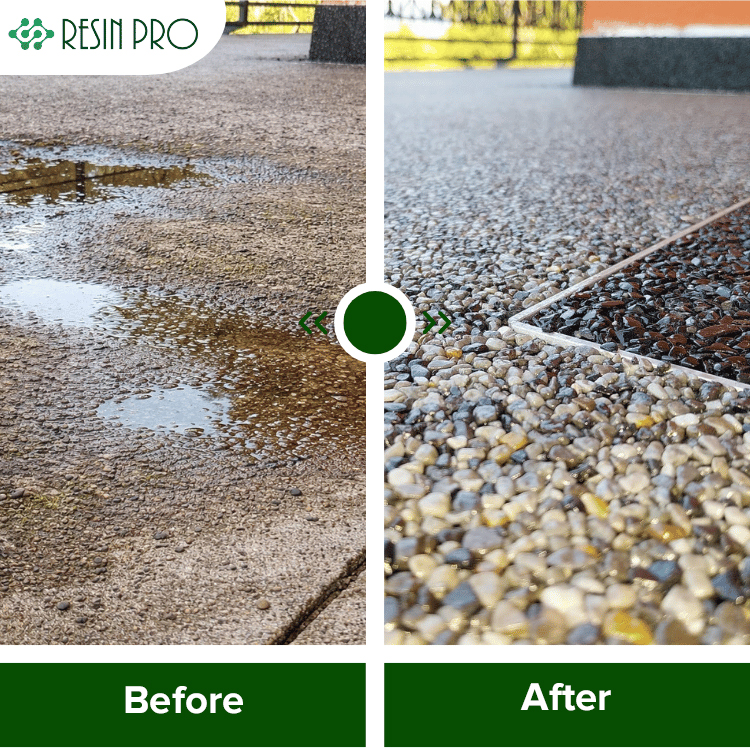
Visual Guide: Resin Flooring Preparation and Tools
See examples of clean, stable floor preparation and typical resin flooring tools including rollers, spreaders, and protective gear. Proper groundwork and the right materials make a lasting difference for your final surface quality.
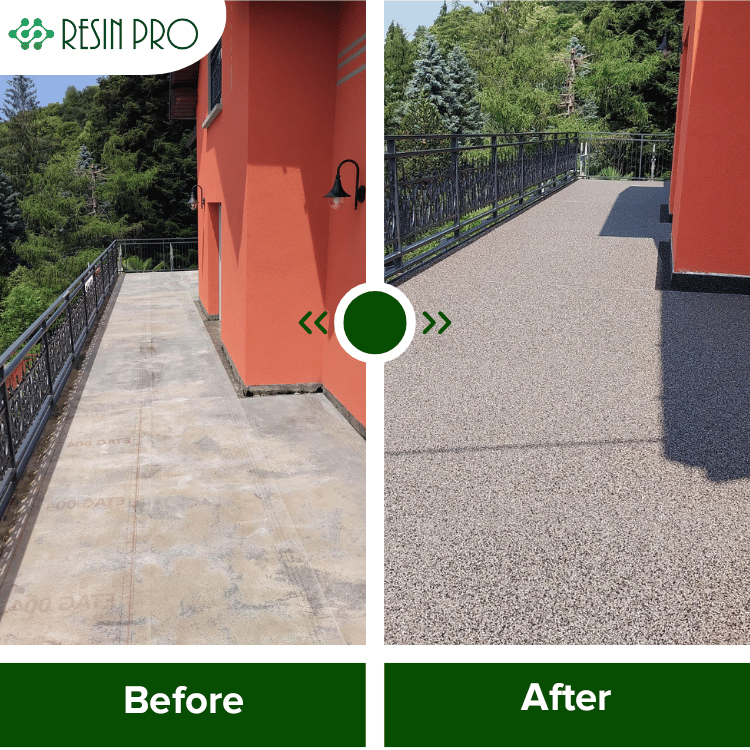
Step 1: Prepare the Surface Thoroughly
Achieving a flawless resin floor starts with a clean, stable, and dry substrate. Remove all dust, grease, oil, and debris by sweeping and washing the area. For concrete floors, fill cracks and smooth out imperfections; tiles should be thoroughly cleaned and lightly abraded for better grip. If there’s any moisture, allow the area to dry completely before proceeding to avoid adhesion issues.
For enhanced adhesion, especially on porous or mixed substrates, apply Epoxyprimer using a roller, brush, or spatula. This ensures a consistent bond for subsequent resin layers. Allow the primer to cure fully for 24–48 hours before moving onward.
Step 2: Mix and Apply the Resin Binder
With the surface primed and cured, it’s time to mix your chosen resin product according to the manufacturer’s exact ratios. For decorative stone or pebble floors, blend Trasparente epoxy binder with clean, dry coloured pebbles or aggregate until everything is coated and glossy. Follow the mixing recommendations precisely to prevent curing problems.
If you are installing a permeable stone surface outdoors, the Flowstone Complete Permeable Floor Kit provides materials and step-by-step guidance tailored for driveways, patios, and paths, making the process accessible for all skill levels.
Step 3: Spread, Level, and Compact the Resin Mixture
Pour the mixed resin-aggregate or resin binder evenly onto the prepared substrate. Use a trowel or spatula to spread the mixture, ensuring uniform thickness and coverage. Work briskly within the recommended working time to maintain a smooth finish and avoid surface marks. For permeable floors, lightly compact the material to optimise water drainage and stability.
It is important to maintain a maximum recommended thickness (often no more than 2 cm per layer for pebble systems) to ensure reliable curing and structural performance.

Step 4: Allow to Cure and Perform Final Checks
After application, protect the area from dust, water, and foot traffic as it cures. Initial hardening can occur within hours, but most resin floors require up to 24–48 hours before light use and several days to reach maximum mechanical strength. Refer to your resin’s instructions for the precise cure schedule.
For concrete floor sealing, a protective layer such as Resinstone can be applied to further improve waterproofing, mechanical resistance, and UV protection. After full curing, inspect the surface for any uneven spots and address as necessary.
Tips, Troubleshooting, and Common Mistakes
Careful preparation is essential—do not attempt resin application on wet or unstable surfaces. Always follow manufacturer guidelines for mixing and curing times; under-mixing or hasty application can result in weak spots or surface defects. When working outdoors, avoid extreme temperatures or high humidity to maximise performance and longevity.
For resin-gravel mixes, never pour resin binder directly onto loose gravel—mix thoroughly first to guarantee a consolidated, walkable surface. Remember, using the right primer and binder for your substrate is vital for superior adhesion and simple application every time.
Step-by-Step Resin Application in Action
Watch the full flooring process—from mixing the resin binder with pebbles or aggregates, through to even spreading, levelling, and final inspection. Visual references help avoid common mistakes and ensure quick curing time and UV-resistant and non-yellowing results for your project.
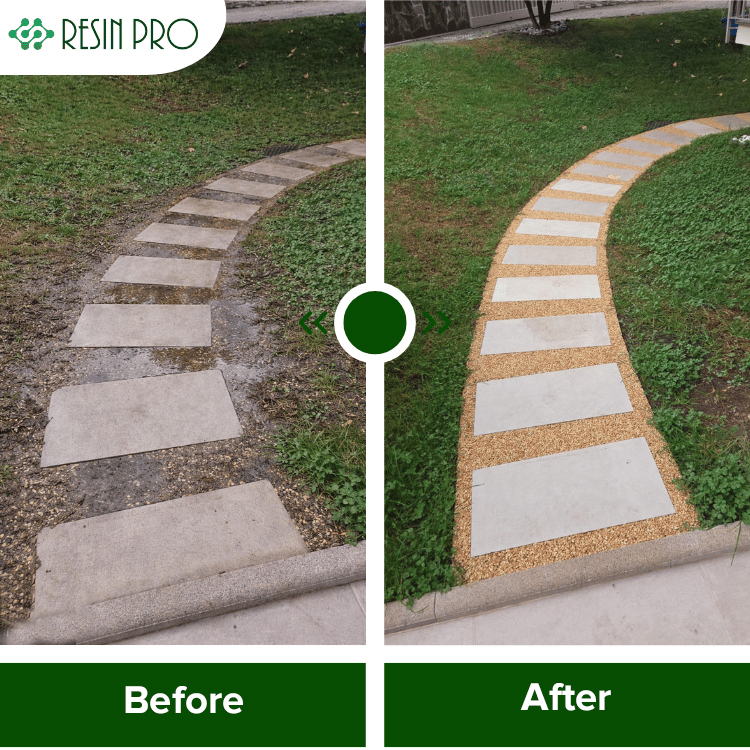
- "Flowstone" – Complete Permeable Floor Kit with Pebbles and ResinPrice range: £49.95 through £3,915.45"Flowstone" kit offers a permeable pebble and resin floor system with simple application for outdoor spaces in the UK climate.
- "Resinstone" – One-Component Methacrylic Resin for Concrete Floors and DrivewaysPrice range: £36.71 through £336.48"Resinstone" is a one-component methacrylic resin designed for sealing and protecting concrete floors and driveways.
 "Epoxyprimer" – Universal Water-Based Two-Component Epoxy Floor PrimerPrice range: £156.45 through £286.45Epoxyprimer provides a water-based epoxy floor primer designed for adhesion on various stable surfaces, suitable for flooring installations.
 "Trasparente" – Epoxy Binder for Coloured Pebbles and GritsPrice range: £33.45 through £397.95"Trasparente" epoxy binder is a clear, UV-resistant resin designed for coloured pebbles and grits, suitable for decorative flooring applications.
Frequently Asked Questions
What types of surfaces can resin flooring be installed on?
Resin flooring can be applied to stable concrete, tiles, timber, and screed surfaces. Each substrate may require specific primers for the best results.
How long does a resin floor take to cure?
Most resin floors require at least 24–48 hours for initial cure, though full strength may take several days depending on the system and climate.
Can I install resin flooring myself or do I need a professional?
Many resin flooring systems are suitable for DIY, especially with clear instructions and proper preparation, though large or complex projects may benefit from professional help.
What is the difference between permeable and sealed resin floors?
Permeable resin floors allow water drainage, ideal for driveways and patios, while sealed resin systems are used to prevent moisture and provide a smooth, easy-clean finish.
What are the most common mistakes in resin floor installation?
Common errors include poor surface preparation, incorrect mixing ratios, failure to respect curing times, and working in unsuitable weather conditions.
Are resin floors UV resistant?
Many resin binders, especially those specified for outdoor use, are formulated for UV resistance to prevent yellowing and surface degradation.