 Free shipping on orders over £29,85
  Shipping Tracking!


 Google
 Facebook
How do you apply clear liquid resin to the floor?
Step-by-step guide for seamless resin flooring projects.
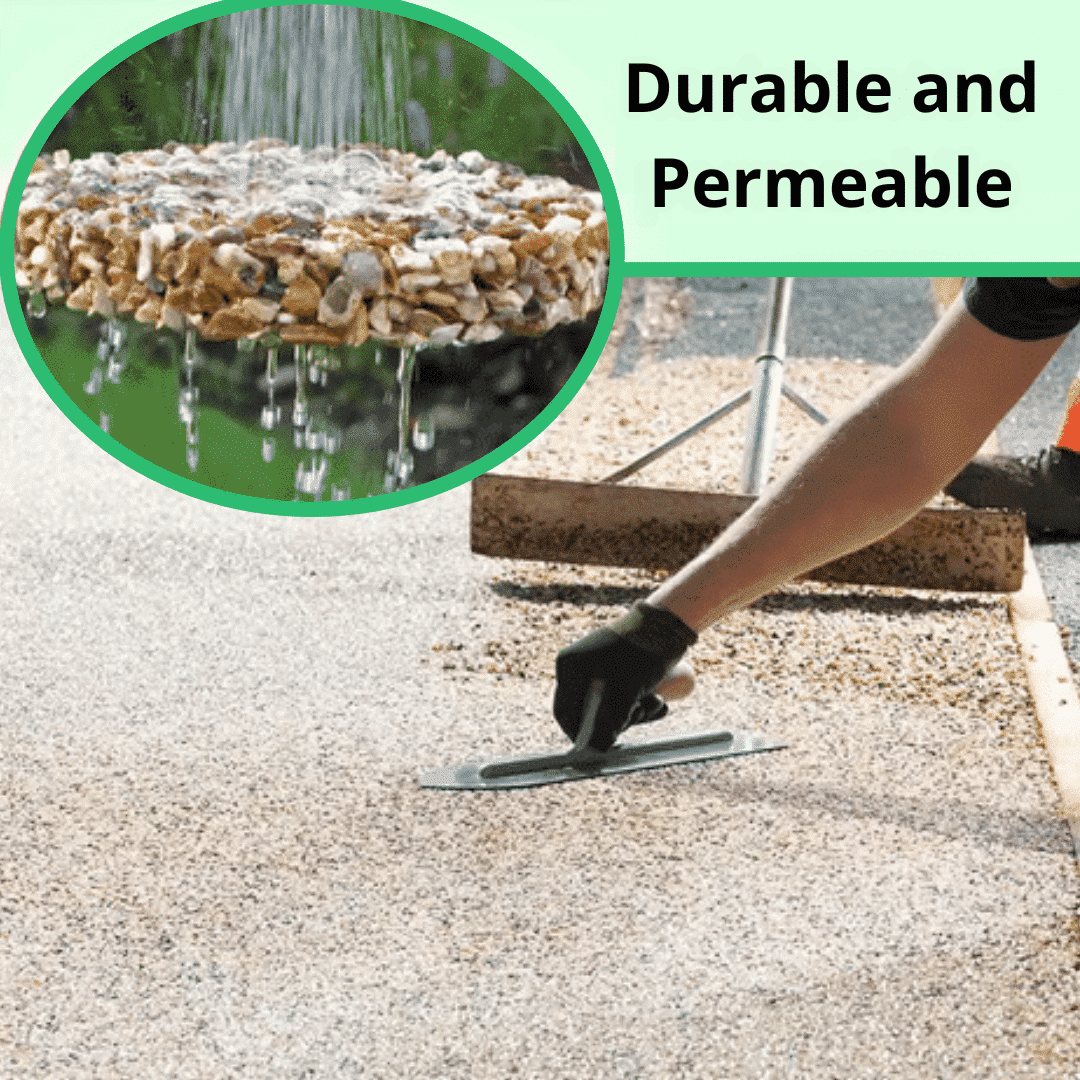
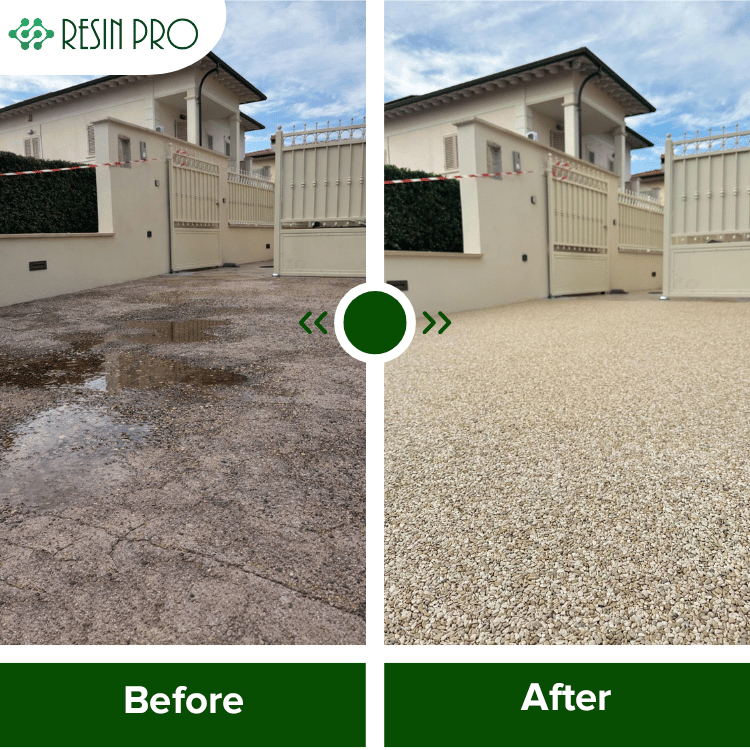
Applying clear liquid resin to your floor delivers a seamless, hardwearing, and decorative surface that works for both indoor and outdoor spaces. Whether you are sealing concrete, laying a pebble floor, or creating a vibrant decorative finish, mastering the application technique is crucial for reliable, beautiful results. This guide will take you through each essential step, from preparation to finishing, ensuring a flawless resin floor you can enjoy for years.
What You’ll Need
- “Epoxyprimer” – Universal Water-Based Two-Component Epoxy Floor Primer – for improving adhesion, especially on concrete, tiles, or timber
- “Trasparente” – Epoxy Binder for Coloured Pebbles and Grits – for clear, UV-resistant finishes with decorative aggregates
- “Flowstone” – Complete Permeable Floor Kit with Pebbles and Resin – for robust, draining pebble flooring
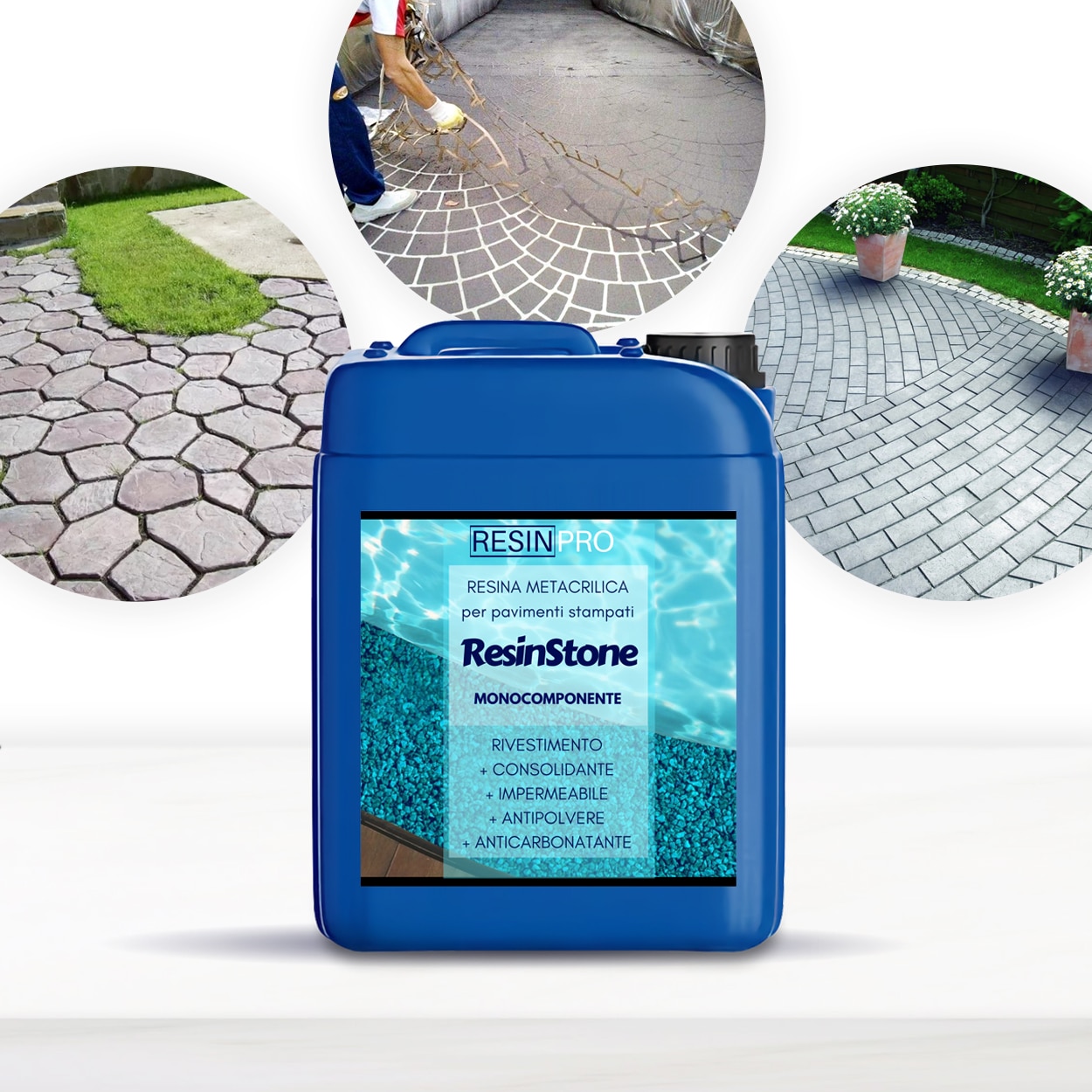
- “Resinstone” – One-Component Methacrylic Resin for Concrete Floors and Driveways – ideal for sealing concrete surfaces
- Mixing bucket, paddle or spatula, roller or trowel
- Protective gloves and suitable ventilation
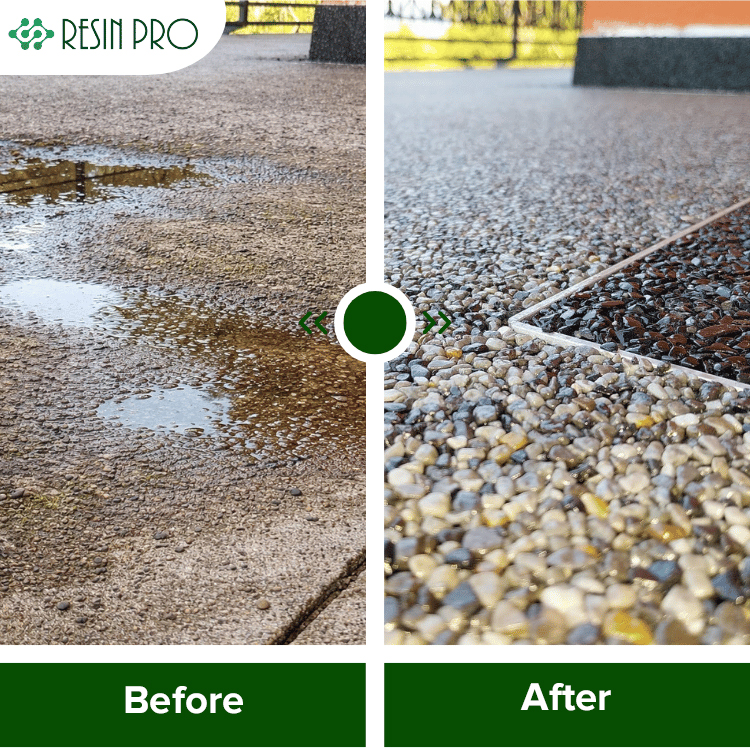
Visual Inspiration: Resin Floors in Progress
Explore a gallery of seamless resin and decorative pebble floor installations in real homes and gardens. Notice the clarity, smoothness, and versatility of these resin solutions, suitable from patios to living rooms.
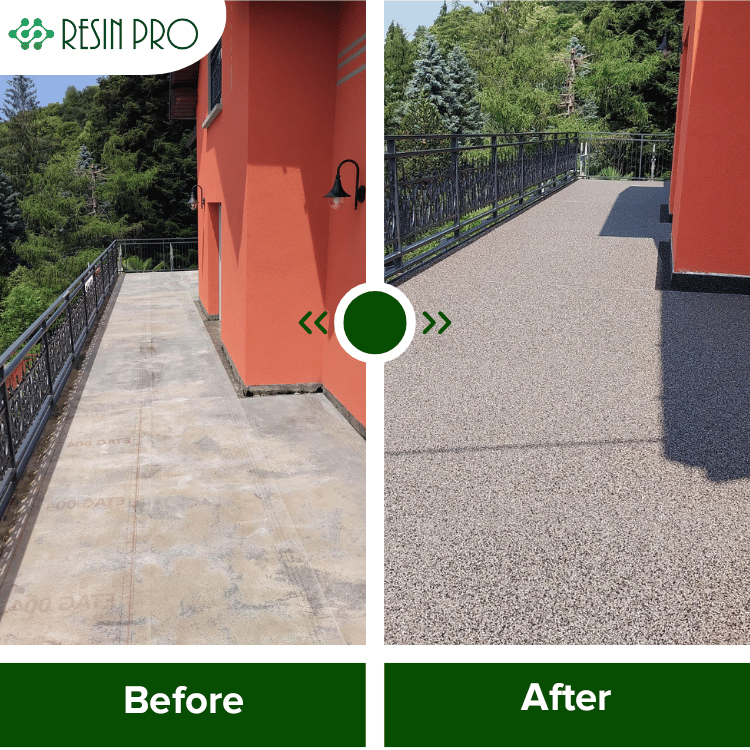
Step 1: Prepare the Surface Properly
Thoroughly clean and dry the surface you plan to coat. Remove dirt, grease, dust, and any loose debris. If working indoors, vacuuming and light sanding can help create a smooth, absorbent substrate. Outdoors, pressure washing can assist with tough grime, but ensure the area is completely dry before moving on. Any moisture or contaminants left behind can undermine adhesion and lead to delamination.
For particularly porous or mixed material bases, it is advised to repair cracks or holes with an appropriate filler. Proper surface preparation is key to a long-lasting finish.
Step 2: Prime for Optimum Bonding
Priming ensures maximum adhesion between the substrate and the resin layer above, especially with absorbent floors like concrete or screed. Apply a suitable primer for better adhesion using a roller or brush, working swiftly and evenly to cover every area.
If you are working with a difficult or mixed surface, consider using “Epoxyprimer” – Universal Water-Based Two-Component Epoxy Floor Primer, designed for concrete, tiles, and timber. Allow the primer to cure fully (typically 24–48 hours) before continuing to the main resin application.
Step 3: Mix and Apply the Resin
Mix the resin components precisely according to the product instructions, taking care to respect mixing ratios and pot life. Use a clean bucket and mechanical stirrer or paddle for thorough, bubble-free blending.
For decorative or permeable pebble finishes, combine your chosen decorative aggregates with a resin binder in a suitable mixing vessel. “Trasparente” – Epoxy Binder for Coloured Pebbles and Grits is specifically formulated for clear binding of coloured pebbles and grits, delivering a bright, UV-stable finish. For ready-to-use kits in outdoor environments, the “Flowstone” – Complete Permeable Floor Kit with Pebbles and Resin includes guided ratios for resin and aggregate blending.
The resin (alone or mixed with aggregates) is then poured or spread onto the primed surface. Spread resin smoothly and evenly using a steel trowel, squeegee, or roller, keeping a consistent thickness. Work rapidly as the material may begin to cure quickly, particularly in warmer conditions.
For concrete floors requiring protection or sealing without aggregates, “Resinstone” – One-Component Methacrylic Resin for Concrete Floors and Driveways can be applied by roller, brush, or airless spray for quick-drying, durable results.

Step 4: Allow the Resin to Cure Undisturbed
Allow sufficient curing time for durability, following the guidance for your chosen resin (typically a minimum of 12–48 hours, depending on temperature and product type). Avoid dust, foot traffic, or moisture during this stage, as any disturbance can affect the clarity and performance of the finish.
Once the surface is fully hardened, the floor can be returned to service and enjoyed for years with only basic cleaning. Never rush the curing phase, as early use may compromise surface quality.
Tips, Common Mistakes, and Troubleshooting
Avoid dust, foot traffic, or moisture during curing to maintain a flawless finish. Always check temperature and humidity, as high moisture can cause cloudiness or poor adhesion. Start with a test patch for unfamiliar substrates or first-time users. If bubbles appear after application, use a spiked roller before the surface sets to remove them. Finally, make sure to follow mixing instructions exactly – incorrect ratios will weaken the floor and slow curing.
Surface Close-Ups and Application Details
See close-up shots of resin layers bonding with pebbles, concrete, and primers. These visuals demonstrate correct application technique and the clean results achievable with patient, stepwise workmanship.
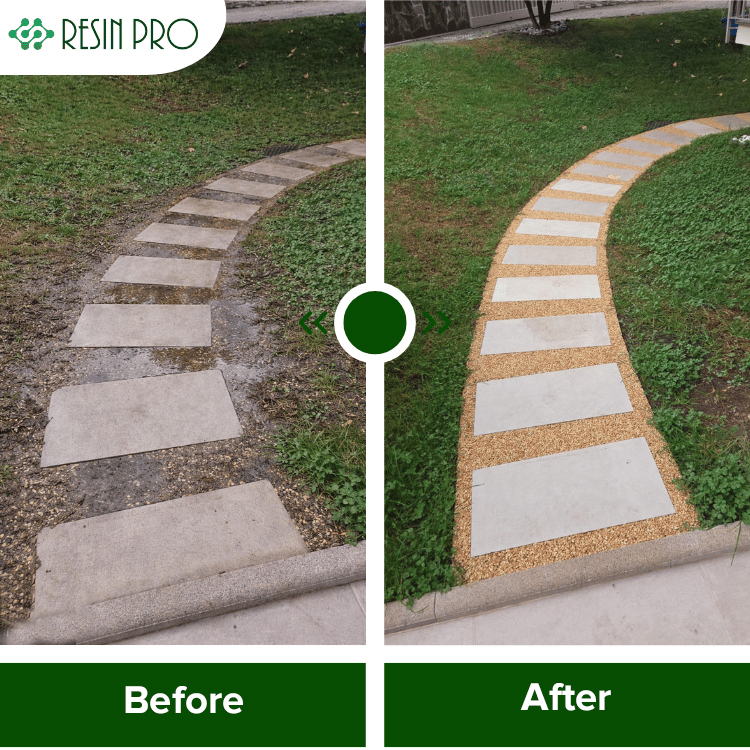
- "Flowstone" – Complete Permeable Floor Kit with Pebbles and ResinPrice range: £49.95 through £3,915.45"Flowstone" kit offers a permeable pebble and resin floor system to upgrade outdoor areas with practical and simple installation.
- "Resinstone" – One-Component Methacrylic Resin for Concrete Floors and DrivewaysPrice range: £36.71 through £336.48"Resinstone" is a one-component methacrylic resin designed for sealing concrete floors, offering durable protection with quick drying.
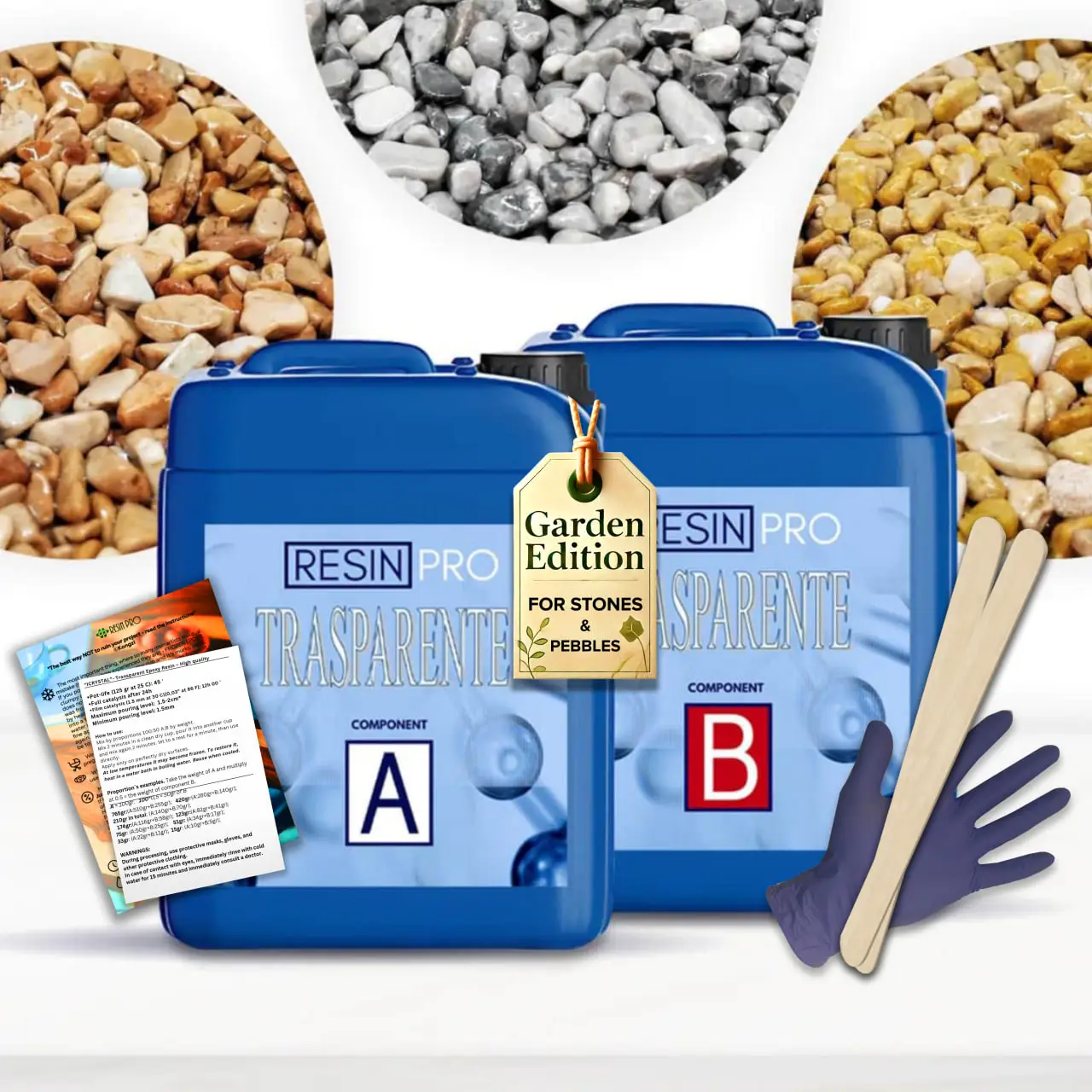 "Trasparente" – Epoxy Binder for Coloured Pebbles and GritsPrice range: £33.45 through £397.95"Trasparente" epoxy binder offers a clear, bubble-free finish suitable for coloured pebbles and grits in flooring projects.
 "Epoxyprimer" – Universal Water-Based Two-Component Epoxy Floor PrimerPrice range: £156.45 through £286.45Epoxyprimer is a water-based two-component epoxy floor primer suitable for concrete, ceramic, screed, tiles, or timber surfaces.
Frequently Asked Questions
Can I apply clear liquid resin to any type of floor?
Most hard, stable surfaces like concrete, wood, tiles, or screed are suitable, but surfaces must be clean, dry, and well-prepared.
Is a primer necessary when applying liquid resin floors?
Priming is highly recommended, improving adhesion and preventing bubbles or surface defects, especially on porous or patchy bases.
How long does it take for resin floors to fully cure?
Resin floors need at least 12–48 hours to harden, depending on type and climate. Wait until fully cured before heavy use.
What are common mistakes when applying clear resin to floors?
Poor preparation, imprecise mixing, and not allowing enough curing time are typical errors that can affect quality and durability.
How do I choose between epoxy and methacrylic resin for flooring?
Epoxy is ideal for decorative pebble floors; methacrylic suits high-traffic concrete or driveways needing fast drying and protection.
Is it possible to apply a resin floor myself?
Yes, with proper instructions and preparation most DIYers can achieve great results, particularly using purpose-designed kits.