 Free shipping on orders over £29,85
  Shipping Tracking!


 Google
 Facebook
← Back to What should you buy to make a self-leveling resin floor?
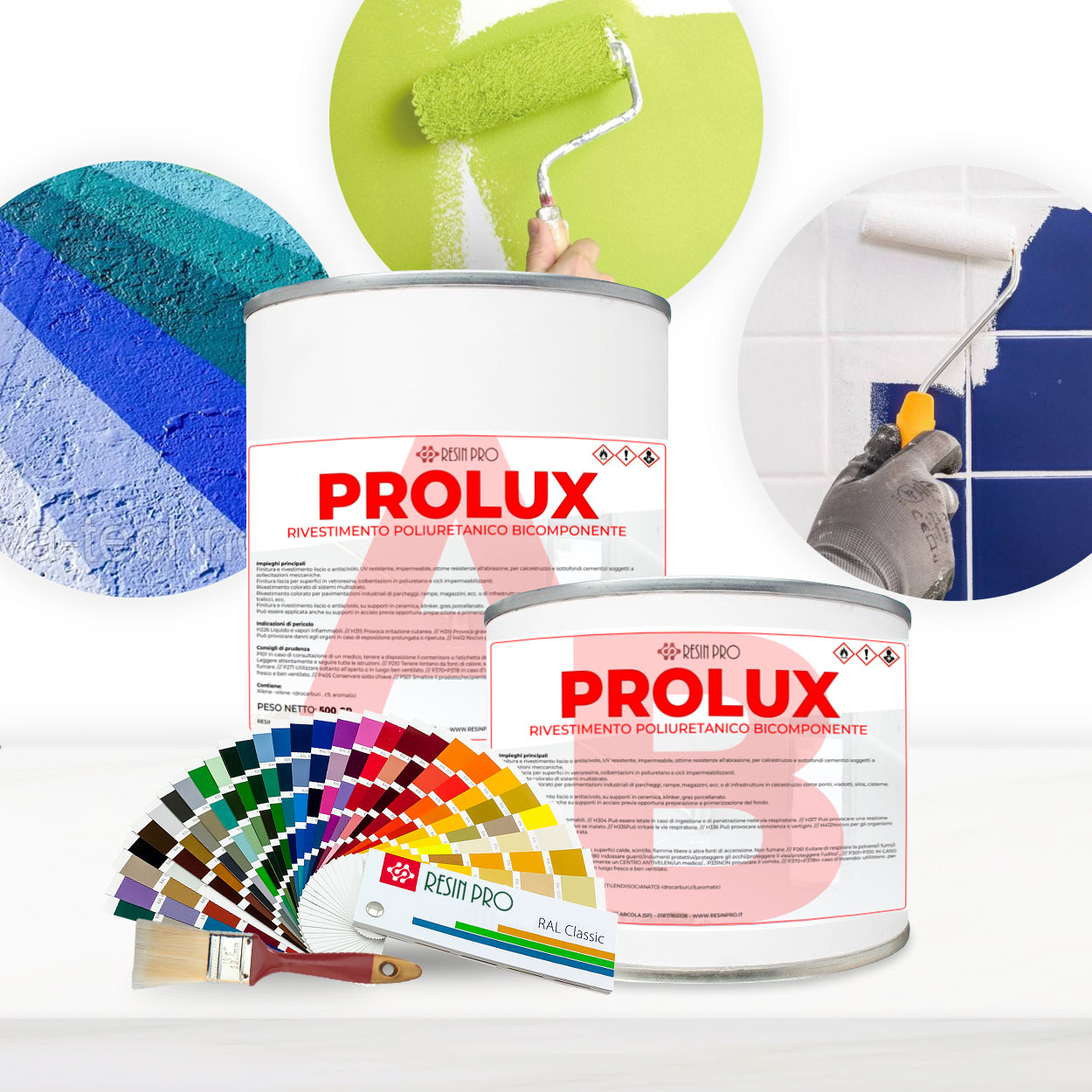
If you’re investing in an epoxy resin floor, protecting your new surface for the long term is a common concern. A polyurethane (PU) topcoat offers a practical solution, but is it the right choice for resin floors?
Why Choose a Polyurethane Topcoat?
Polyurethane topcoats, such as Prolux, are formulated to provide excellent abrasion and chemical resistance. On top of this, they significantly improve UV protection, minimising yellowing and maintaining the fresh appearance of your resin floor. This extra shield is particularly useful for spaces that experience regular sunlight or heavy foot traffic.
Where and How to Apply a PU Topcoat
After installing and curing your self-leveling epoxy resin floor, ensure the surface is well prepared and fully cured before application. PU topcoats like Prolux work on a range of surfaces, including concrete, fibreglass, ceramic and even properly prepared steel. Simply mix the two components as instructed and apply an even coat, using a suitable roller for your resin type. For optimal results, choosing the right floor primer, such as Epoxyprimer, and the correct application tools, will help ensure long-lasting performance.
When This Matters Most
Applying a polyurethane topcoat is especially important for floors exposed to intense use, commercial settings, driveable surfaces, or bright indoor areas. These scenarios benefit from the enhanced durability and UV resistance of PU coatings, supporting a professional and long-lasting finish.
Related products
Related guides
Adding a polyurethane topcoat is a highly recommended step when constructing a self-levelling resin floor, helping you achieve a resilient, attractive, and low-maintenance finish for years to come. For more information on essential flooring steps and products, see our complete self-leveling resin floor guide.