 Free shipping on orders over £29,85
  Shipping Tracking!


 Google
 Facebook
← Back to How do you dispose of resin?
Proper disposal of resin waste is essential for safety and environmental protection. A key step in this process is ensuring that any leftover resin is fully cured before you discard it.
Why Let Resin Cure Before Disposal?
Uncured or liquid resin can be hazardous. It may release chemicals or stick to surfaces, posing risks to people, pets, and the environment. By allowing the resin to cure completely—meaning it has hardened and is no longer tacky—you turn it into a stable solid. Cured resin is generally safer and easier to handle, and most waste facilities will accept it as household waste once fully set.
How to Fully Cure Leftover Resin
- Mix Residuals Together: If you have small amounts of leftover resin and hardener, combine them in the correct proportions and leave them in an open container to set.
- Let It Harden Completely: Place the container in a safe, well-ventilated area out of reach of children or pets, checking in accordance with the product’s recommended cure time.
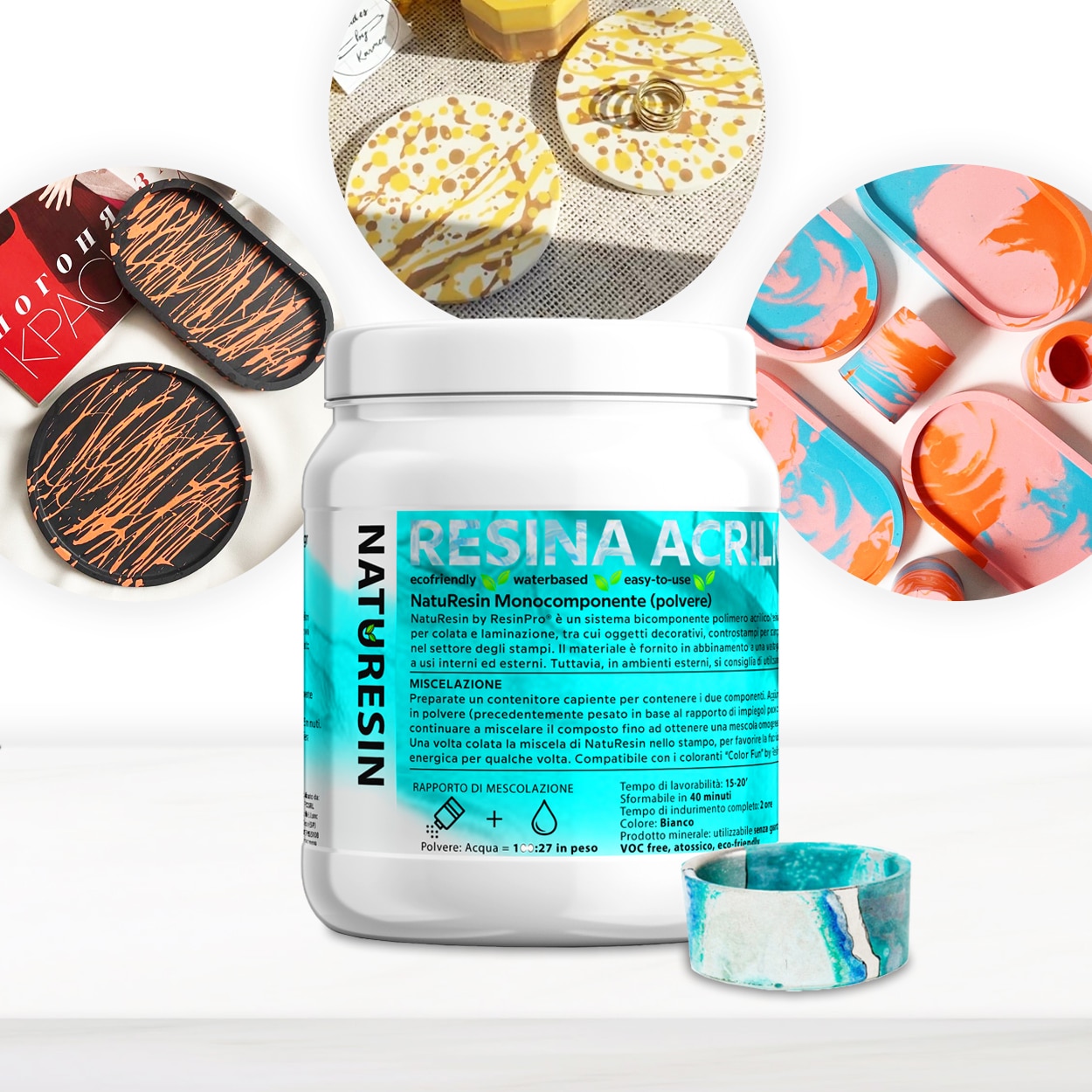
- Eco-Friendly Resin Choices: Products like NatuResin mineral resin offer water-activated, non-toxic alternatives for creative projects, simplifying safe handling and disposal.
When This Matters Most
If you’re working with traditional epoxy, polyurethane, or mineral resins, curing before disposal helps prevent chemical seepage and protects the environment. This practice is especially important for households with pets or young children, and for anyone disposing of larger project remnants.
Related products
Related guides
Letting leftover resin fully cure before disposal is a practical, responsible step for all crafters and makers. For more thorough advice on resin waste and clean-up, see our main guide: How do you dispose of resin?