 Free shipping on orders over £29,85
  Shipping Tracking!


 Google
 Facebook
How to make resin sinks white?
Your guide to flawless white resin sinks in bathrooms or kitchens
A white resin sink adds a touch of modern sophistication to any bathroom or kitchen setting. This guide will walk you through the complete process of making an existing or custom resin sink brilliantly white—from preparation and resin selection to mixing, pouring, and getting that final polished finish. Whether you’re upcycling an old sink or crafting a new one, each step ensures a durable, beautiful result.
What You’ll Need
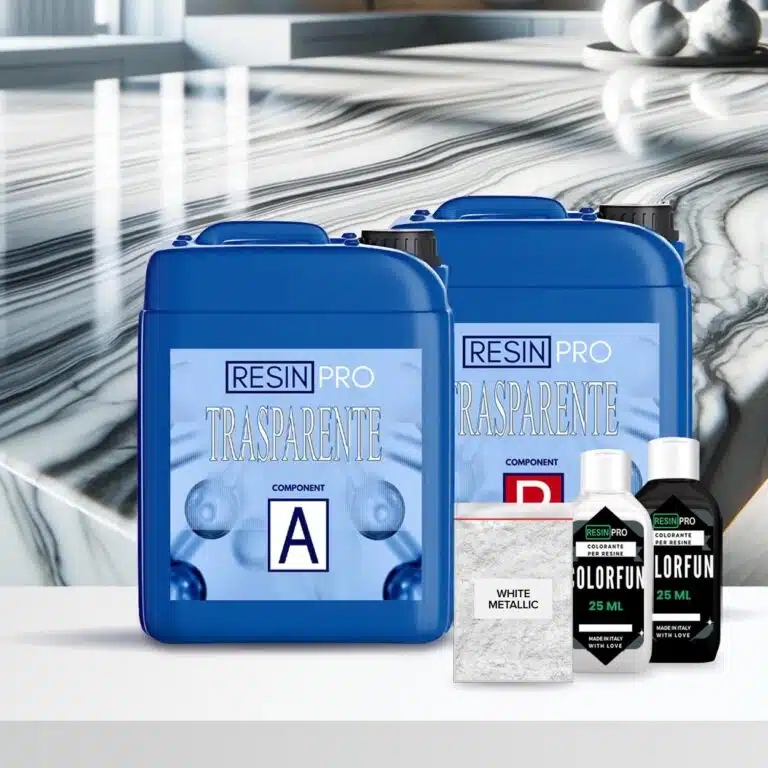
- “Stone Effect Collection” – Marble Epoxy Resin Countertop Kit – Ideal for achieving white marble effects on surface coatings.
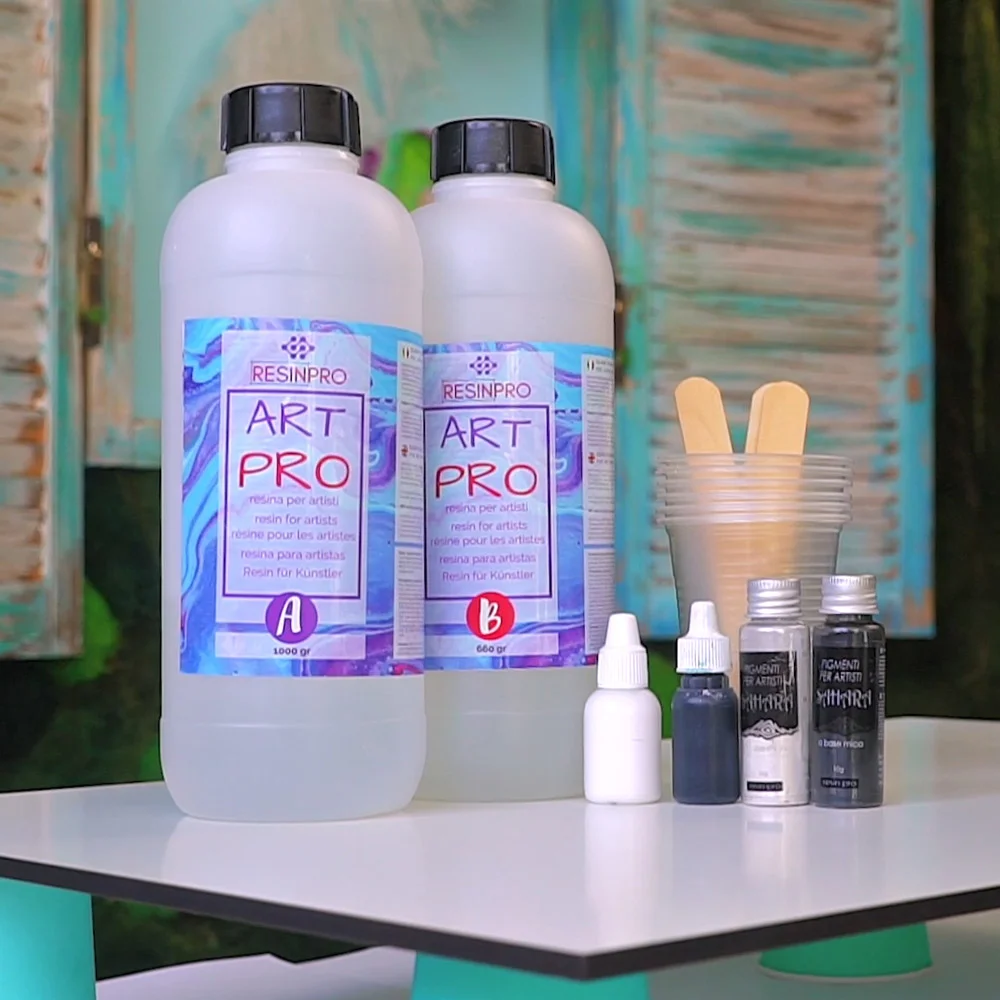
- “Epoxytable 10-Ten” – Deep Pour Epoxy Resin for Tables, Up to 10cm Casting – For casting thick resin sink bowls in white.
- “EpoxyTable 5-Five” – Deep Pour Epoxy Resin for Tables and Large Projects – Up to 5cm – Suitable for mid-depth castings.
- “EpoxyFood” – Certified Clear Food Contact Epoxy Resin for Coating – Provides a safe, high-gloss protective top layer when needed.
- White pigment or dye (compatible with chosen resin)
- Sanding blocks and polishing cloths
- Mixing tubs, stir sticks, PPE (gloves, mask, goggles)
- Moulds, tape, drop sheets, and relevant safety gear

See Stunning White Resin Sink Transformations
Explore our gallery for real-life inspirations of white resin sinks created with our deep pour epoxies and marble-effect kits. Notice how each finish—from high-gloss pure white to textured marble veining—stays crisp and vibrant with the right preparation and resin selection.
All projects were completed using techniques described on this page, ensuring achievable results for any DIY enthusiast.
Clean the Surface Thoroughly
Preparation is crucial for a flawless white finish. Clean the sink, worktop, or mould to remove all grease, dust, and old residues. If restoring an existing sink, lightly sand or degloss the old surface to increase adhesion. Remove all sanding dust thoroughly using a moist cloth and allow it to dry. Tape off any areas you don’t want coated, and ensure every surface is dry before beginning.
Mix Resin and White Pigment Evenly
Measure your epoxy resin and hardener precisely according to manufacturer’s instructions. Add the recommended dose of white pigment or dye, stirring slowly to avoid introducing air bubbles. Ensure the colour is completely even—no streaks or clumps—otherwise your final sink surface may appear patchy.
If you need a highly decorative finish reminiscent of white marble, consider using the “Stone Effect Collection” – Marble Epoxy Resin Countertop Kit, which includes pre-measured pigments and essential additives for seamless colour blending and marbling effects.
Pour and Shape the Resin
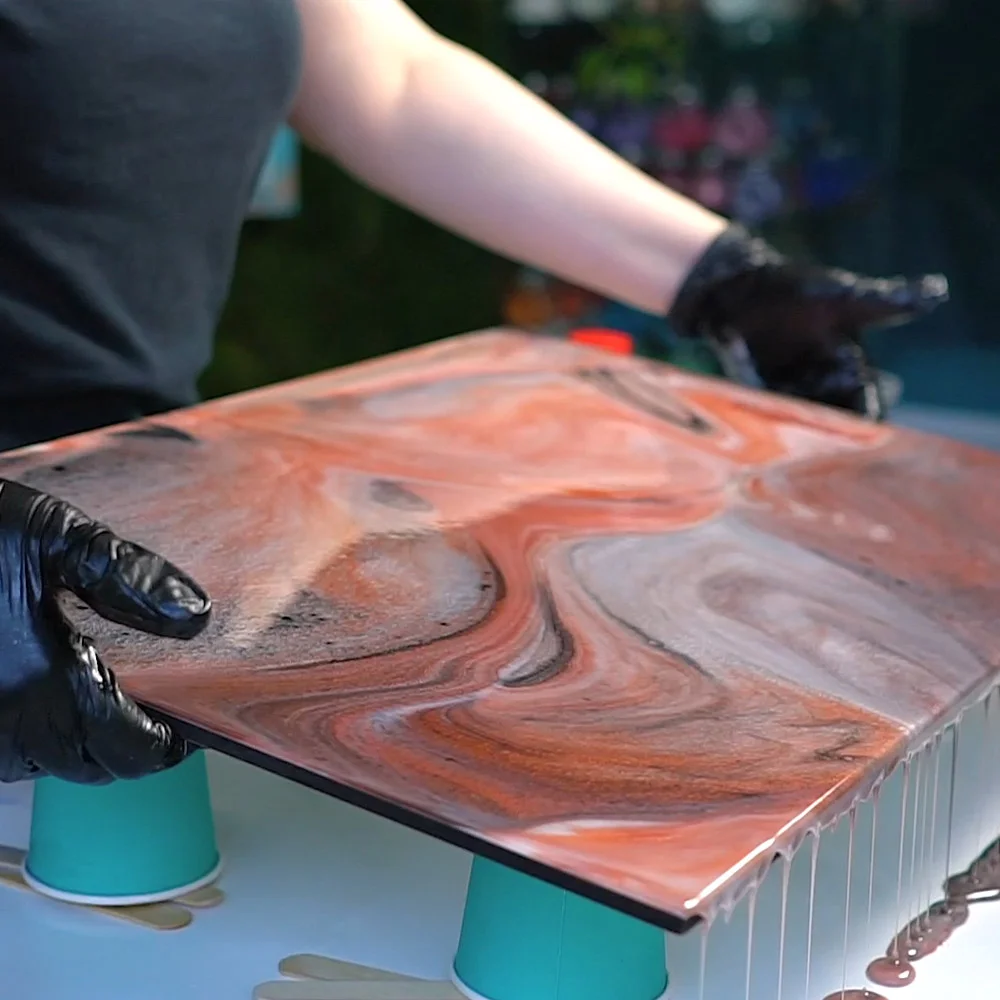
For thicker sinks—especially those with a depth greater than 2cm—use a deep pour resin such as “Epoxytable 10-Ten” – Deep Pour Epoxy Resin for Tables, Up to 10cm Casting or “EpoxyTable 5-Five” – Deep Pour Epoxy Resin for Tables and Large Projects – Up to 5cm for optimal clarity and depth in your white base. Pour slowly in stages if necessary to reduce heat build-up and prevent bubbles. For coated surfaces or inlays, spread the coloured resin evenly using a notched trowel or spreader. Monitor for air bubbles, popping them with a heat gun or torch as needed.

Sand and Finish for a Polished Look
Once the resin has fully cured (refer to the chosen product’s cure time—typically 24-72 hours), carefully de-mould and begin wet sanding to refine the surface. Start with 400-grit and progress up to 2000-grit for a glass-like sheen. Polish with fine compound or specialised polishing cloths for maximum shine. For final food-safe and UV-protected sealing, apply a clear coat with “EpoxyFood” – Certified Clear Food Contact Epoxy Resin for Coating if required, ensuring at least 7 days of full cure before putting your white resin sink into everyday use.

Tips, Common Mistakes, and Troubleshooting
Use ample ventilation and PPE when working with resin to ensure safety and the best finish. Avoid pigment clumps for a uniform white—stir slowly and scrape the sides of your mixing tub. Take your time with deep pour layers, as rushing can trap bubbles or cause yellowing due to excess heat. Always measure and mix carefully to avoid sticky surfaces, and do not use your sink before the resin has fully cured for maximum durability.
Expert Advice for Lasting White Sinks
Maintain the brilliance of your white resin sink by cleaning with non-abrasive cloths and gentle soap. Avoid aggressive scouring pads to keep the surface glossy. If stains or dullness appear over time, a light re-polishing with a fine compound can restore its pristine look. For heavy traffic or food-safe applications, the right topcoat makes all the difference.
- "Stone Effect Collection" – Marble Epoxy Resin Countertop KitPrice range: £57.95 through £272.95"Stone Effect Collection" kit offers self-levelling resin and all-in-one pigments for marble and stone effects on DIY kitchen and bathroom surfaces.
- “Epoxytable 10-Ten” – Deep Pour Epoxy Resin for Tables, Up to 10cm CastingPrice range: £35.95 through £351.95Epoxytable 10-Ten is an epoxy resin designed for deep pour projects up to 10cm, suitable for tables and artistic castings.
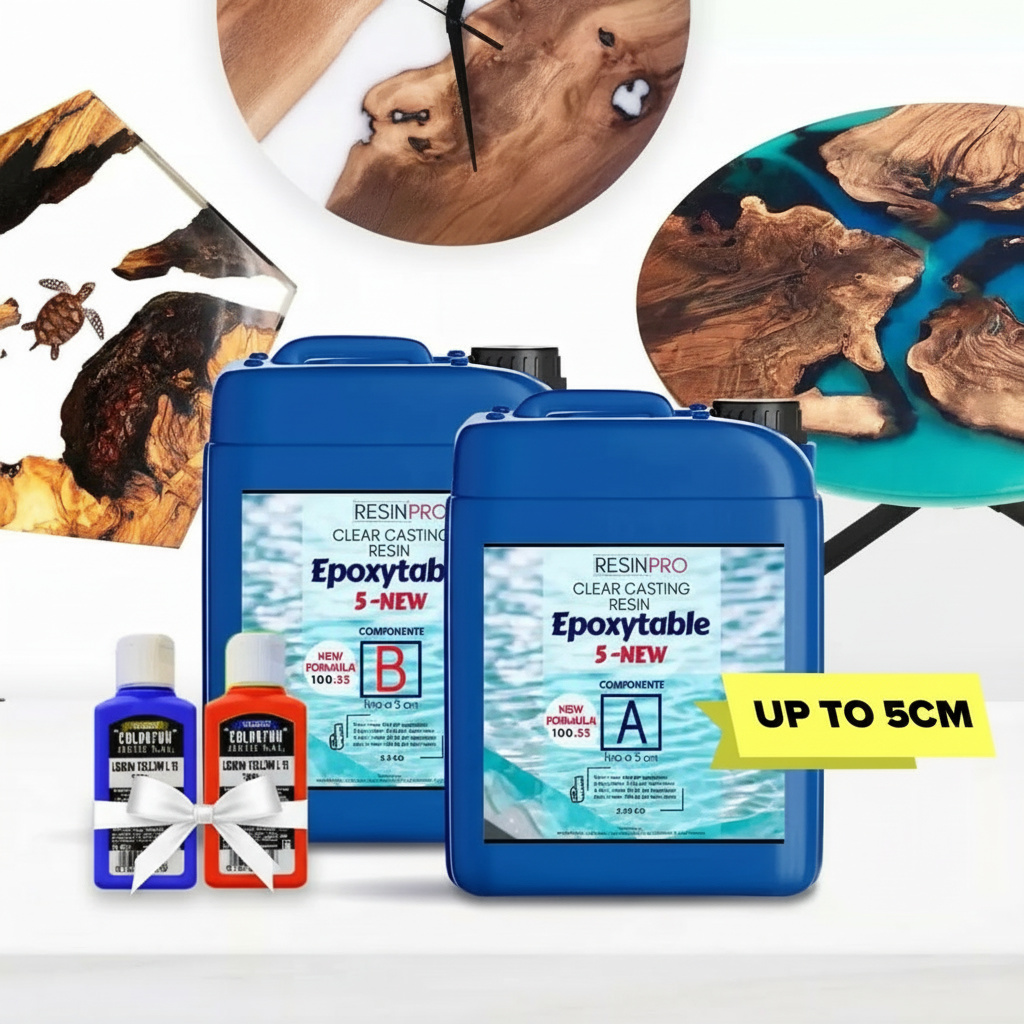 "EpoxyTable 5-Five" – Deep Pour Epoxy Resin for Tables and Large Projects – Up to 5cmPrice range: £17.95 through £1,154.95"EpoxyTable 5-Five" is a deep pour epoxy resin suited for tables and large projects, designed for use in applications requiring up to 5cm casting…
 "EpoxyFood" – Certified Clear Food Contact Epoxy Resin for CoatingPrice range: £20.95 through £146.95EpoxyFood is a certified food-safe transparent resin designed for coating kitchenware with a clear glossy finish and UV protection.
Frequently Asked Questions
What is the best white pigment for resin sink projects?
Choose a resin-compatible, non-yellowing white pigment or paste. Kits like Stone Effect Collection include suitable pigments for strong opacity and stability.
Can I make an old sink white with resin?
Yes. Clean, sand, and coat the old sink with pigmented resin. Surface preparation is crucial for good adhesion and coverage.
How thick should a resin pour be for a sink?
Use deep pour resins for bowls 2–10cm thick. Pour in stages for thicker castings to prevent heat build-up and ensure clarity.
How do I achieve a marble look for a white resin sink?
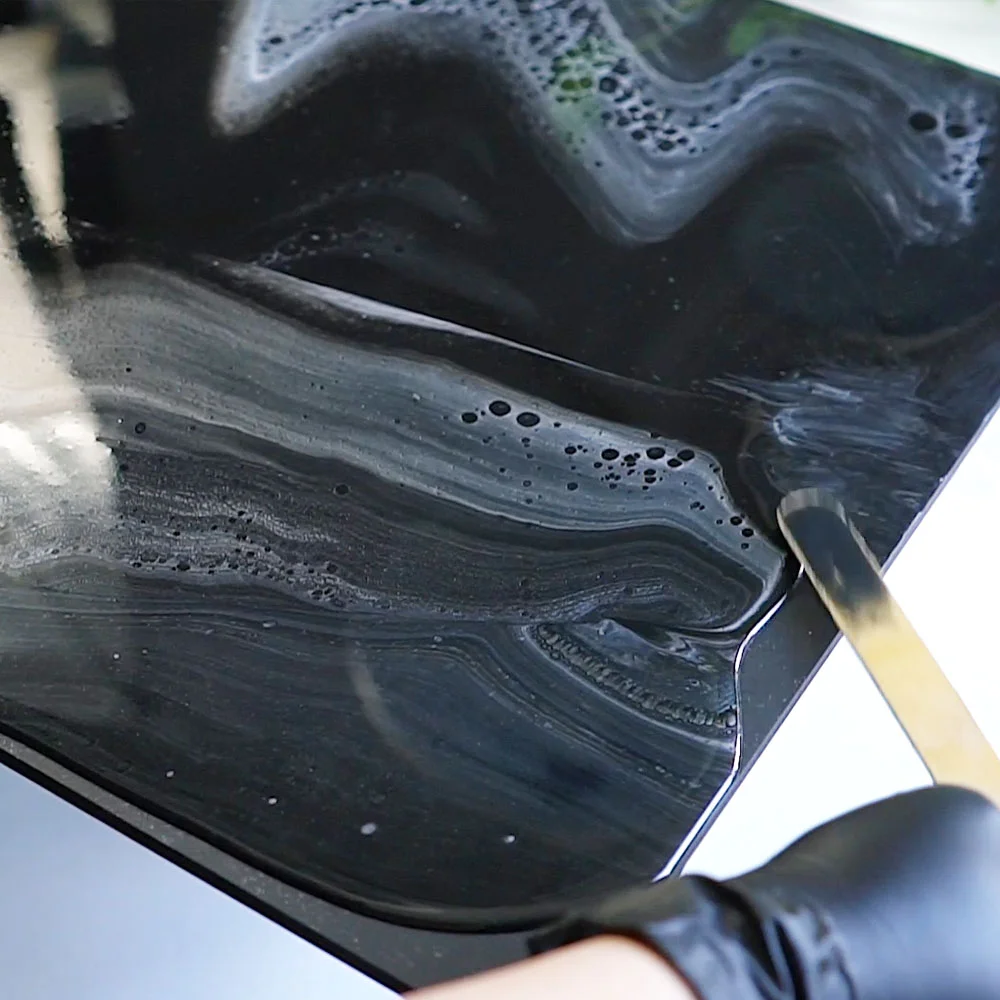
Use marble-effect kits with appropriate white and grey pigments. Manipulate with spatulas or isopropyl alcohol to create veining effects.
Do I need food-safe resin for a sink?
For kitchen or direct food contact, finish with a certified food grade resin such as EpoxyFood, especially on rinsing or prepping surfaces.
Why does my resin sink look yellow?
Exposure to UV or incorrect mixing can cause yellowing. Always use resins with UV filters and avoid direct sunlight curing.