 Free shipping on orders over £29,85
  Shipping Tracking!


 Google
 Facebook
How to use resin to make pendants?
A complete guide for crafting custom resin pendants
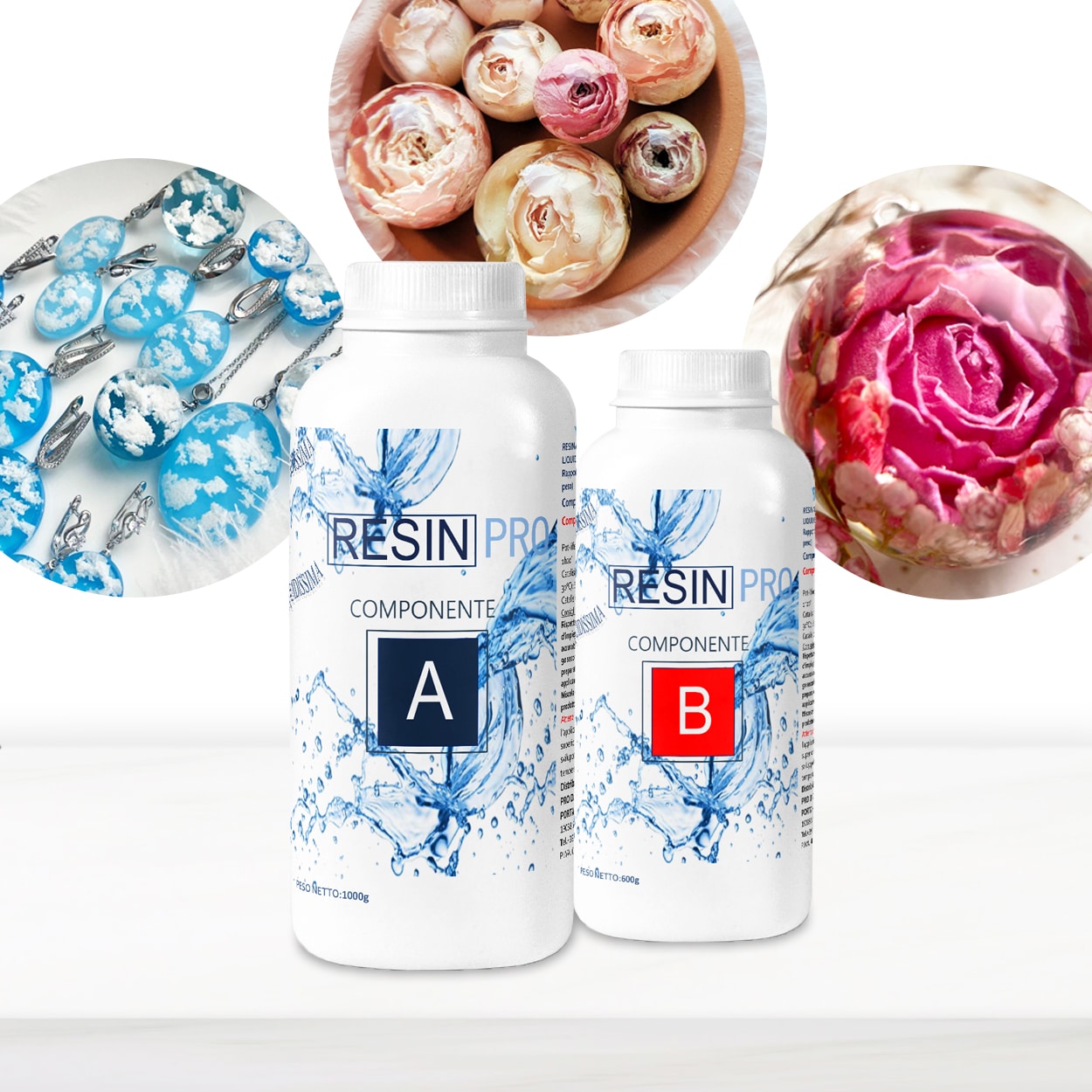

Creating personalised resin pendants allows you to add a touch of artistry to your jewellery collection. This guide will walk you through each step, from setting up your workspace to achieving a glass-clear finish. Whether you’re a beginner or a seasoned crafter, learn the essential techniques for making unique resin pendants that truly stand out.
What You’ll Need
- “Liquidissima” – Epoxy Resin For Creations & Jewellery: Designed for artists and creators seeking clear, detailed resin jewellery with extended working time and smooth finishes.
- “Evershine Collection” – Artisan Jewellery Epoxy Resin Kit with 100+ Accessories: An all-in-one epoxy resin kit suitable for resin crafters and hobbyists making jewellery and keychains.
- “UV–Creation” – Fast Acrylic Resin, 3 Minute UV Cure: A fast-curing UV acrylic resin designed for jewellery makers and crafters seeking efficient and clear finishes.
- “One-2-One” – Epoxy Resin for Handcraft, 1:1 Mixing Ratio: A medium viscosity, non-toxic epoxy resin designed for simple 1:1 by volume mixing in jewellery and decorative casting.
- Silicone pendant moulds
- Mixing cups and stirring sticks
- Gloves and protective wear
- Small decorations (pigments, glitter, dried flowers)
- UV lamp (if using UV resin)
- Jewellery findings, keychains or cords
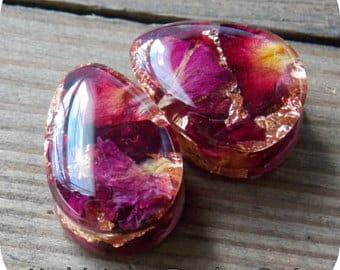
Workspace Essentials for Resin Jewellery
Setting up a clean, dust-free workspace is vital for flawless resin pendants. Use a protected surface and arrange all your resin jewellery essentials within easy reach. Good lighting and ventilation help achieve professional quality every time.
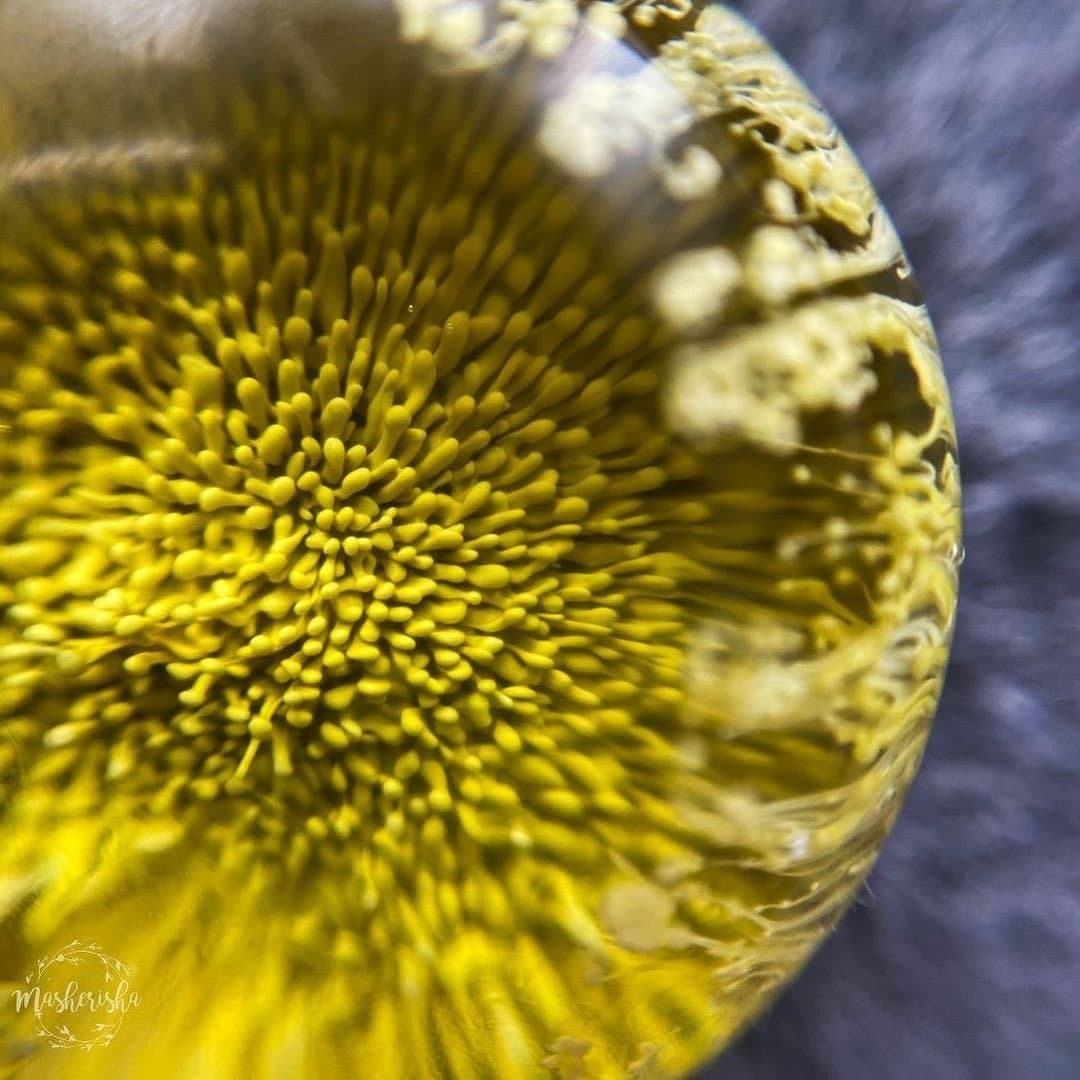
Step 1: Prepare Your Workspace and Materials
Begin by covering your work surface to protect from spills. Bring together all your resin supplies, silicone moulds, mixing accessories, and decorations. Wear gloves and work in a ventilated area to minimise direct skin contact and fumes. Double-check that your moulds are clean and thoroughly dry, as moisture can affect resin clarity and curing.
If you are using a product such as the “Evershine Collection” – Artisan Jewellery Epoxy Resin Kit with 100+ Accessories, many of the essentials like gloves and pigments are included for convenient setup.
Step 2: Mix the Resin and Add Colour
Follow the manufacturer’s mixing instructions based on your chosen product. For most epoxy resins, such as “One-2-One” – Epoxy Resin for Handcraft, 1:1 Mixing Ratio, combine equal parts resin and hardener by volume. Stir gently for several minutes until the resin is fully blended and clear. Allow time for bubbles to rise and dissipate before pouring.
If using a UV resin like “UV–Creation” – Fast Acrylic Resin, 3 Minute UV Cure, no mixing is required. Add your chosen decorations or pigment into the resin, then gently stir. Always avoid introducing excess air to minimise bubbles.
Step 3: Pour Into Moulds and Decorate
Slowly pour the prepared resin mixture into your silicone moulds. Do not overfill the mould—leave a slight gap at the top to prevent overflow and aid in smooth demoulding later. While the resin is still fluid, arrange your decorative accents (such as dried flowers or glitter) using tweezers, ensuring these are fully submerged in the resin for crisp results.
With UV resin, this is the time to place the mould under a UV lamp once your design is arranged. If using epoxy, let the resin self-level and check for any surface bubbles, removing them with a fine toothpick or by lightly torching the surface if appropriate.

Step 4: Cure, Demould and Finish
For UV resins, exposure to a UV lamp generally cures the pendant within minutes. With epoxy resins, refer to the manufacturer’s recommended curing time—often 24 to 48 hours in a dust-free environment at room temperature. Cure thoroughly before demoulding to prevent distortions or surface defects.
Once cured, gently remove the pendants from their moulds. If edges are sharp or uneven, seal or sand any rough edges for a finished polish. Attach findings, chains or keyrings to complete your unique jewellery pieces.
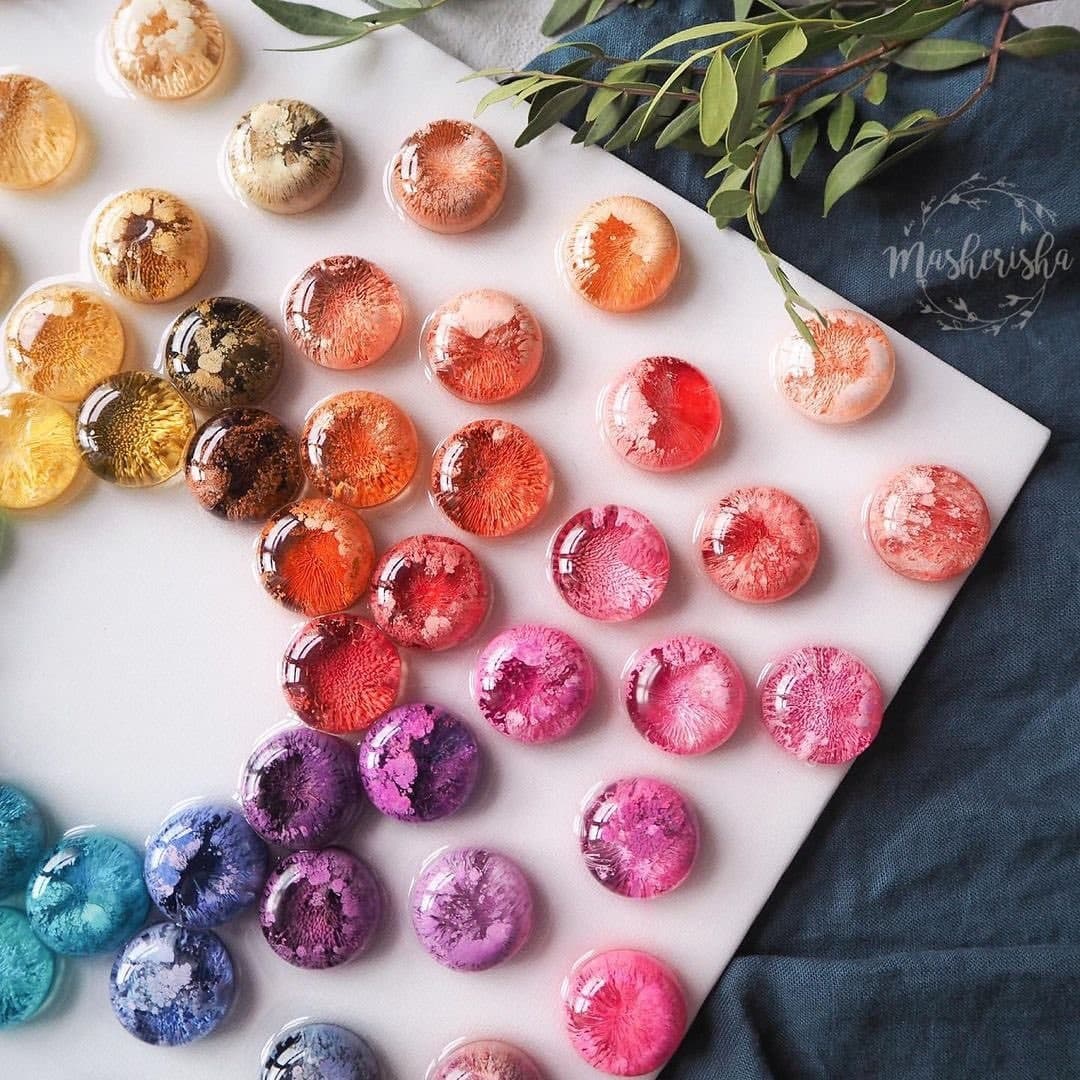
Tips and Troubleshooting for Resin Pendants
Work in thin layers for best clarity and to minimise trapped bubbles. Mind temperature—working at colder temperatures can slow curing and affect finish. Store resin in a warm area before use if the workspace is cool. If bubbles persist, try slow stirring or gently warming the mixed resin before use. Avoid excessive pigment loads to maintain transparency and optimal curing.
Always read your chosen resin’s instructions for mixing, safety information and cleaning up. If at any step your pendant appears tacky or soft after curing, allow additional time and check your mixing ratios. Trying a test pour can help prevent surprises in your final pieces.
Finishing, Sanding and Assembly Advice
Finishing steps like sanding rough edges and fitting findings can transform a basic cast pendant into a polished piece of jewellery. Try fine-grit sandpaper or a nail file to round out edges and use quality jewellery accessories for secure, elegant assembly.
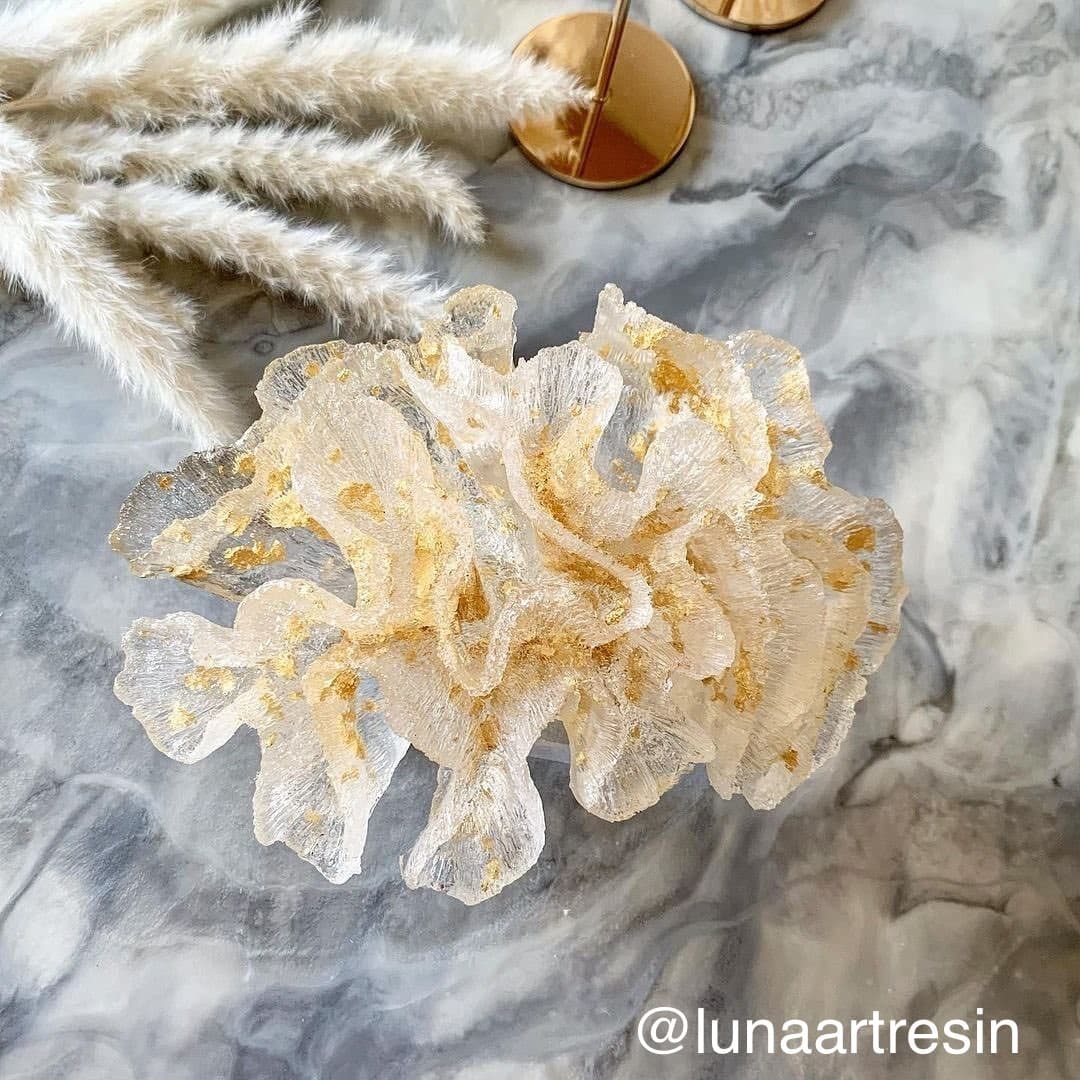
- "Liquidissima" – Epoxy Resin For Creations & JewelleryPrice range: £12.85 through £31.85"Liquidissima" epoxy resin offers high transparency and a self-levelling finish, designed for artists creating intricate jewellery and pendants.
- "Evershine Collection" – Artisan Jewellery Epoxy Resin Kit with 100+ Accessories£21.95The Evershine Collection is a complete epoxy resin kit for jewellery making, designed to create clear, glass-like finishes with included accessories.
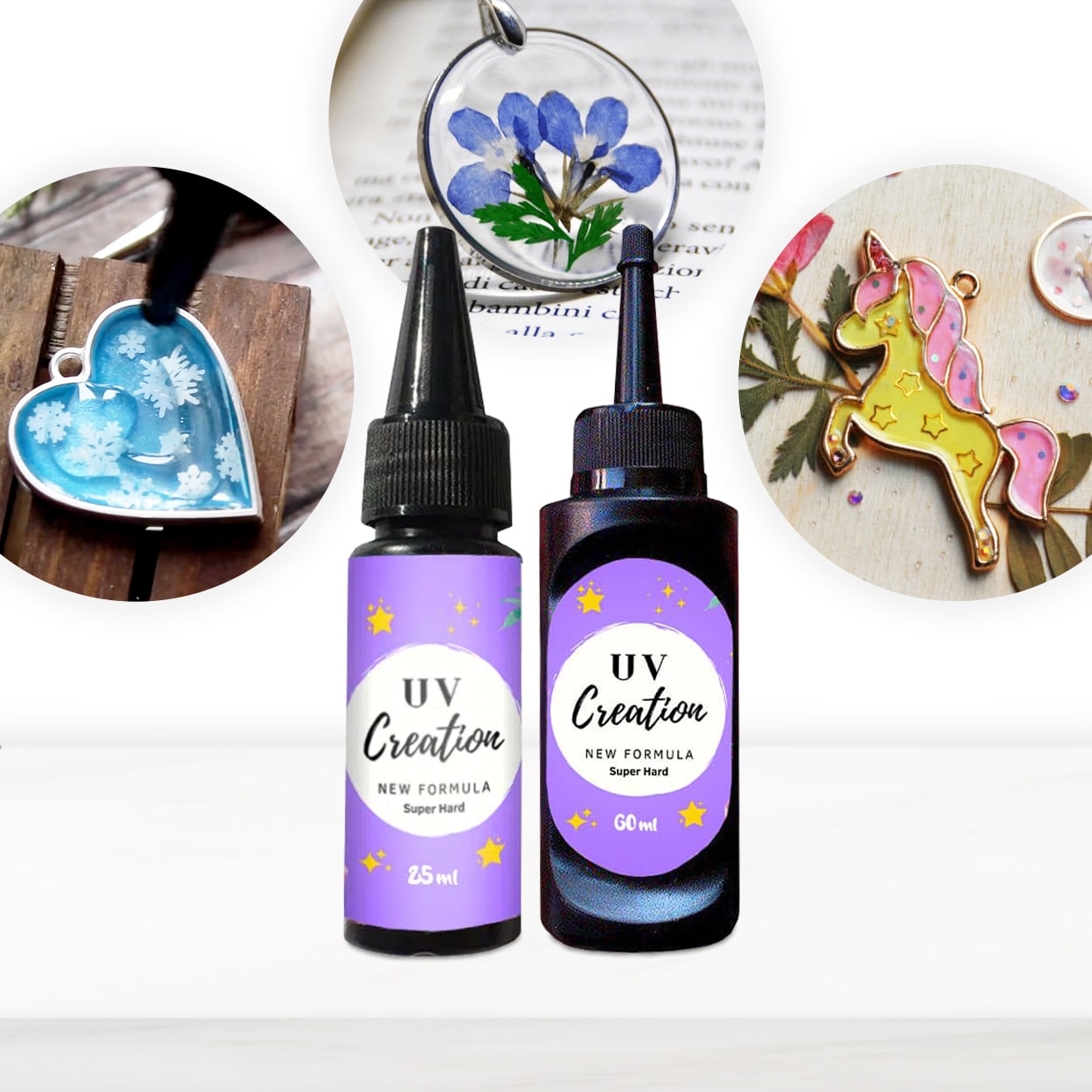 "UV–Creation" – Fast Acrylic Resin, 3 Minute UV CurePrice range: £8.45 through £62.95UV–Creation Fast Acrylic Resin cures in 3 minutes under UV light, suitable for clear, glossy jewellery and crafting projects in this theme.
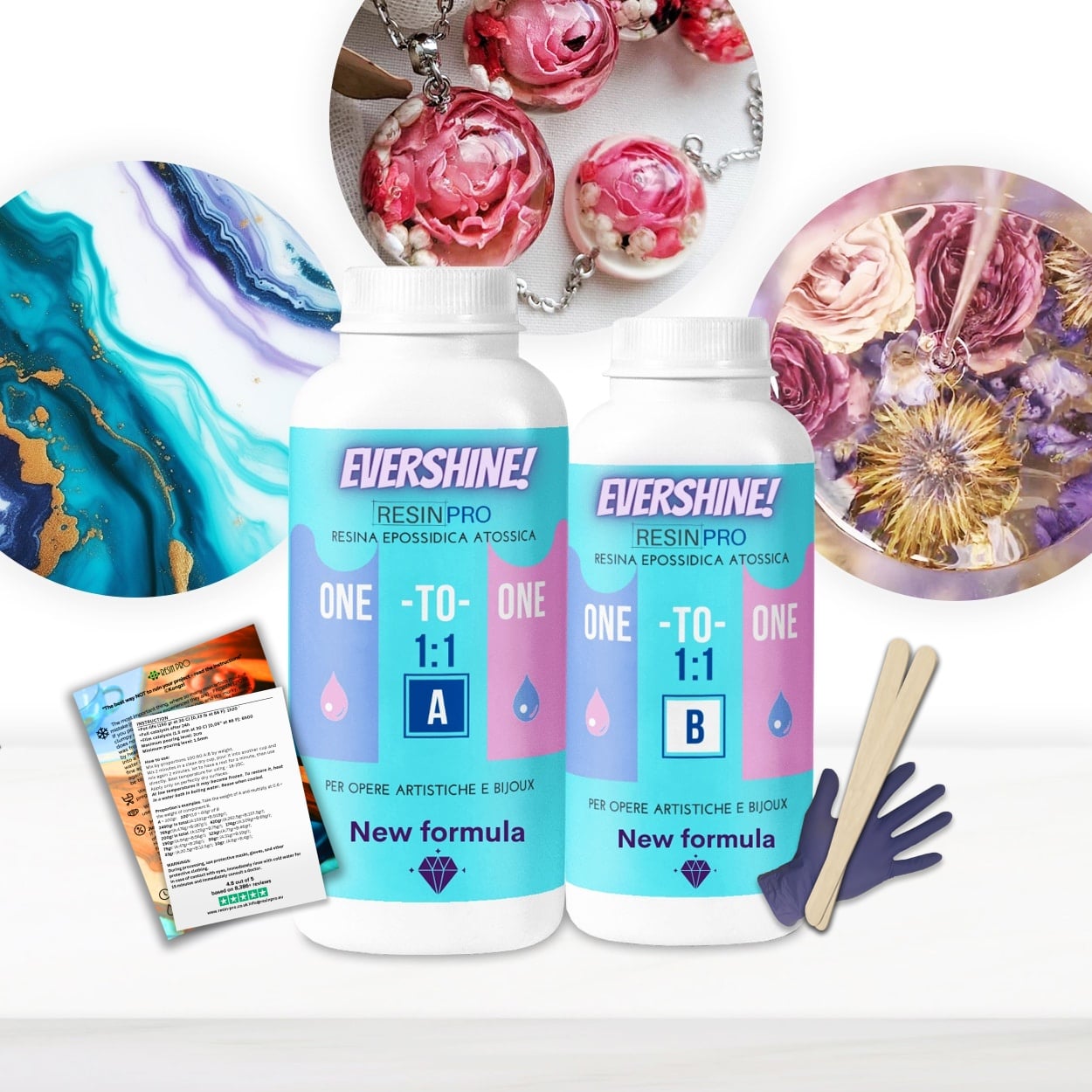 "One-2-One" – Epoxy Resin for Handcraft, 1:1 Mixing RatioPrice range: £15.95 through £59.95This epoxy resin offers a medium viscosity and easy 1:1 mixing, suitable for jewellery and decorative projects in pendant making.
Frequently Asked Questions
What is the best way to mix resin for pendants?
Combine resin and hardener in the correct ratio, stir gently but thoroughly, and let bubbles rise before pouring. Always follow product instructions.
How long does resin take to cure in pendant moulds?
Epoxy resins usually cure in 24–48 hours at room temperature. UV resins can cure in as little as 3 minutes with a UV lamp.
Can I use UV resin for jewellery pendants?
Yes, UV cure resin is suitable for small pendants and cures quickly under UV light, making it ideal for fast projects.
How do I prevent bubbles in resin pendants?
Stir resin slowly, allow it to rest before pouring, and use a toothpick or torch to pop surface bubbles for clear results.
Are resin pendants safe to wear against skin?
Fully cured epoxy and UV resins are skin-safe. Always ensure the pendant is fully cured and edges are smoothed before wearing.
Can I add dried flowers or pigments to resin pendants?
Yes, you can embed dried flowers, glitters, or pigments for custom designs. Make sure inclusions are dry and positioned before curing.
Why is my resin pendant soft or sticky?
Sticky resin typically results from incorrect mixing or under-curing. Check ratios and curing times, and allow further curing if needed.
What is the difference between epoxy and UV resin for pendants?
Epoxy resin is mixed from two components and air cures overnight, while UV resin cures in minutes under ultraviolet light and requires no mixing.