 Free shipping on orders over £29,85
  Shipping Tracking!


 Google
 Facebook
How to resin a PCB board?
Expert steps for protecting and insulating your PCB


Encapsulating a PCB (Printed Circuit Board) with resin is a reliable way to safeguard electronics from moisture, dust, and mechanical wear. This guide explains the essential steps for applying epoxy resin to a PCB board, ensuring long-lasting protection and optimal performance for your electronics projects.
What You’ll Need
- Protective gloves and safety glasses
- Mixing sticks and disposable containers
- Brush or spatula for spreading resin
- Measuring scales
- Isopropyl alcohol or electronic-safe cleaner
- “Trasparente” – Multipurpose Clear Epoxy Resin for Casting – Up to 2cm – suitable for clear, protective PCB coatings

Getting Ready for PCB Resin Coating
Careful preparation of your PCB and workspace leads to a flawless, professional resin finish. Clear away static, work on a level surface, and gather all the right tools before you begin.

Step 1: Prepare the PCB Surface
Start by cleaning the PCB board thoroughly to remove dust, grease, or soldering residues. Use isopropyl alcohol or an electronic-safe cleaner, wiping gently to avoid damaging any components or tracks. Allow the board to air-dry completely; any moisture or residue can cause adhesion issues or defects in the resin finish. Ensure your workspace is dust-free and static-protected throughout preparation.
Step 2: Set Up a Safe Working Area
Work in a level, well-ventilated environment with minimal airflow to prevent particles from settling on the wet resin. Lay down protective sheeting and assemble all the required tools and PPE. Always work in a well-ventilated area and wear gloves and safety glasses to prevent skin or eye contact with resin and its hardener.
Step 3: Mix and Apply the Epoxy Resin
Measure and mix your chosen epoxy resin according to the manufacturer’s instructions — for PCB coatings, “Trasparente” – Multipurpose Clear Epoxy Resin for Casting – Up to 2cm is an ideal choice due to its clarity and self-levelling properties. Use precise scales for measuring the resin and hardener, mixing slowly in a clean container to minimise air bubbles.
Pour or carefully brush the mixed resin onto the PCB surface, coating all components evenly. For under-component areas, gently tilt the board or use a spatula to reach gaps. Avoid excessive resin, as it can cover crucial connectors or interfere with heat dissipation. Remove any trapped air bubbles by blowing gently or passing a low-temperature heat gun briefly above the surface. Measure and mix epoxy resin accurately for a reliable cure.

Step 4: Allow the Resin to Cure
Once applied, place the PCB in a dust-free area and cover loosely to protect from airborne particles. Curing time may vary, but most epoxies set within 24–48 hours at room temperature. Avoid moving or handling the board during this period. After initial hardening, leave the PCB undisturbed for the full recommended time to ensure mechanical strength and insulation.
Allow full curing before using the PCB to avoid compromising protection or electrical functionality.

Tips and Common Mistakes
Always check compatibility with sensitive or heat-emitting components before encapsulation, as some parts might require masking or different coating approaches. Avoid thick resin layers, which can trap excess heat or create mechanical stress. If air bubbles persist, applying resin in warmer conditions or preheating the PCB slightly can help.
Take care not to cover test points or connectors unless full encapsulation is required by your design.
Fine-Tune Your Resin Application
Experiment with small test boards first if resin-coating PCBs for the first time. This helps refine your process and prevents costly mistakes on finished projects or valuable electronics.

- "Carbon Resin" – Epoxy Resin for Carbon Fiber & Fiberglass CoatingPrice range: £19.95 through £37.95"Carbon Resin" is an epoxy resin designed for composites and technical fabrics, offering smooth impregnation and a glossy, durable finish.
- "Trasparente" – Multipurpose Clear Epoxy Resin for Casting – Up to 2cmPrice range: £8.95 through £397.95"Trasparente" offers a clear, self-levelling finish suitable for detailed castings and woodworking within the theme of resin application to PCB…
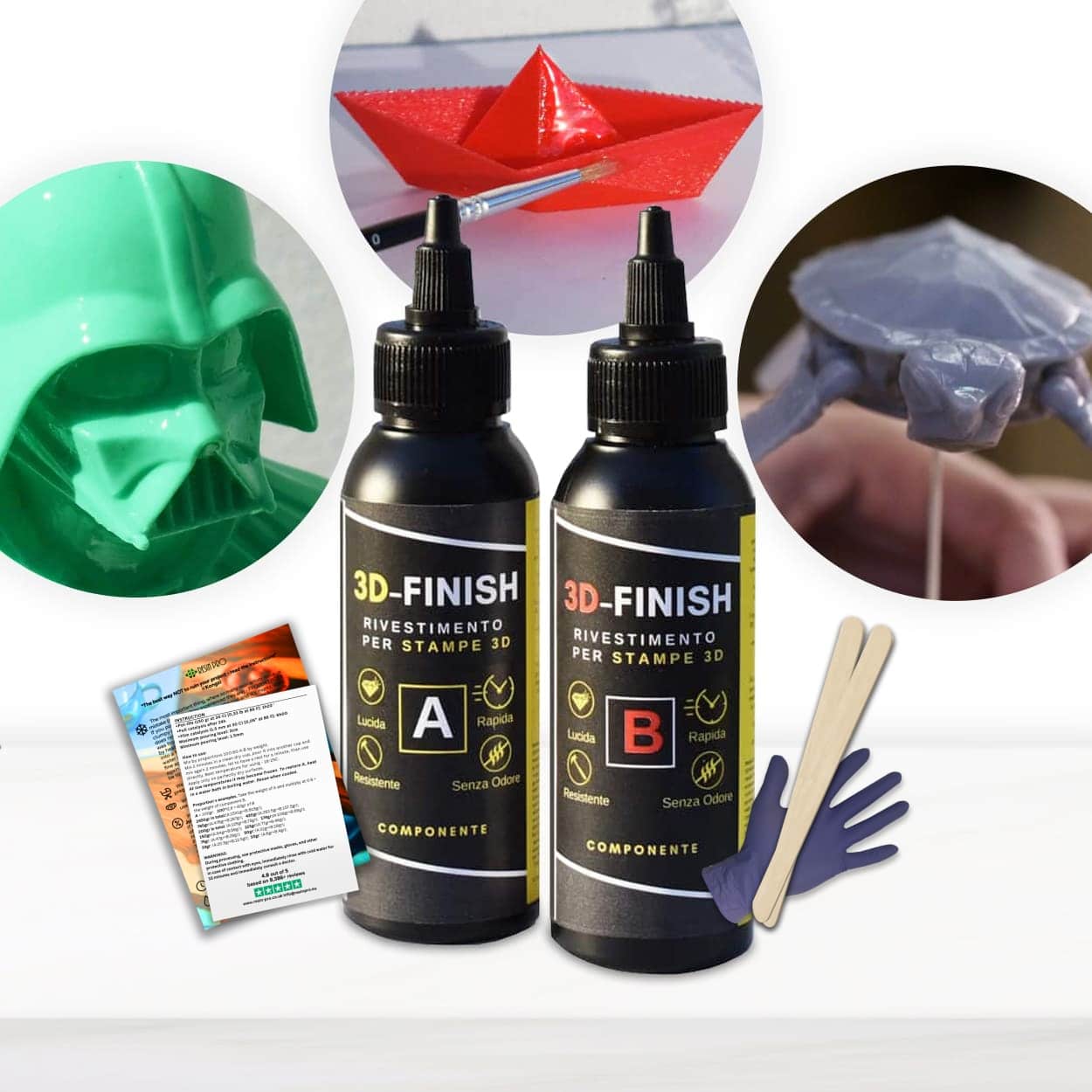 "3D Finish" – Fast Coating Epoxy Resin for 3D PrintsPrice range: £13.95 through £19.953D Finish epoxy resin offers a fast-curing, non-drip coating to preserve details and improve the appearance of 3D prints.
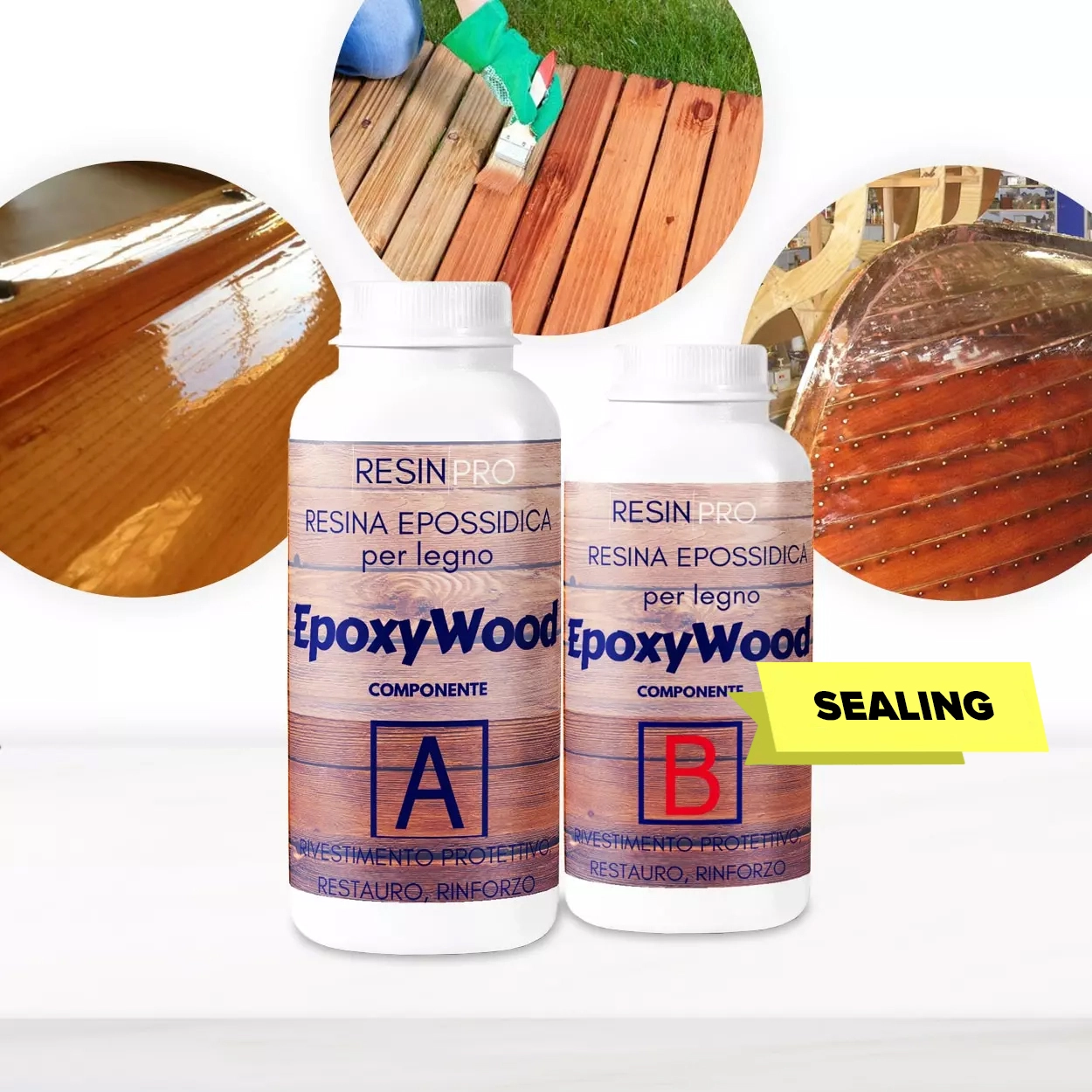 "EpoxyWood" – Wood Restoration Epoxy Resin for Deep Penetration and WaterproofingPrice range: £27.95 through £41.95"EpoxyWood" is designed for reinforcing and waterproofing wooden surfaces, offering a warm, natural finish suited to restoration tasks.
Frequently Asked Questions
Can you apply any epoxy resin to a PCB board?
Not all epoxy resins are suitable. Use only electronic-grade or clear resins with good insulation and low outgassing properties.
Will resin coating affect the performance of my electronic components?
If applied correctly and not covering heat-dissipating parts or connectors, resin should not impact performance but enhance protection.
How thick should the epoxy layer be on a PCB?
A thin, even coat is best—just enough to cover and protect components without interfering with functionality or cooling.
How do I avoid bubbles when applying epoxy resin to a PCB board?
Mix slowly, pour gently, and use a low-temperature heat gun to remove surface bubbles after application.
Does epoxy resin provide good electrical insulation for PCBs?
Most clear casting epoxies provide excellent insulation, making them suitable for protecting sensitive electronics.
How long does epoxy resin take to cure on a PCB board?
Standard room-temperature epoxy resins cure in 24–48 hours, but always follow the product's recommended timings.
Is it possible to remove cured epoxy resin from a PCB if a repair is required?
Removal is difficult and can damage electronics; prevention of unwanted coverage is much easier than removal after curing.