 Free shipping on orders over £29,85
  Shipping Tracking!


 Google
 Facebook
How to use very resinous wood?
Master the right preparation and finishing for resinous lumber


Working with very resinous wood can be rewarding, but requires careful technique to ensure a durable, attractive result. This guide shows how to prepare, clean, and finish resinous wood for projects, whether you’re creating furniture, resin art, or waterproofed surfaces.
What You’ll Need
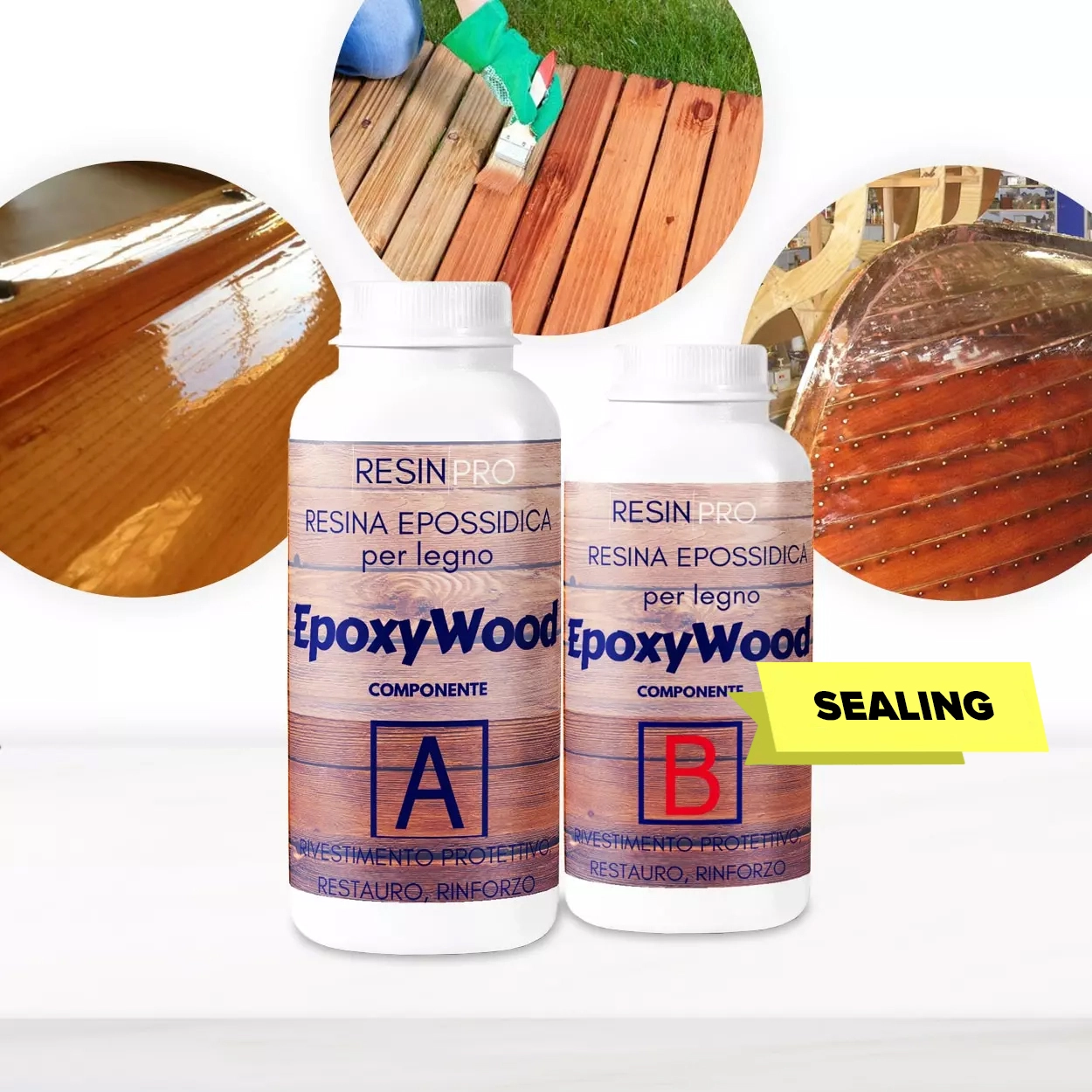
- “EpoxyWood” – Wood Restoration Epoxy Resin for Deep Penetration and Waterproofing: For deep sealing and long-lasting protection.
- Strong Technical Degreaser for Resin Projects – 100% Natural Formula: To remove oils and contaminants from wood surfaces.
- “Trasparente” – Multipurpose Clear Epoxy Resin for Casting – Up to 2cm: For clear casting layers.
- “Icrystal” – Clear Epoxy Resin – Odourless Formula – Up to 1.5cm: For transparent, durable coatings.
- Sandpaper (various grits), lint-free cloths, gloves, and mixing sticks.
Understanding Resinous Wood Challenges
Very resinous wood can be difficult to finish and coat due to sticky surfaces, high oil content, and frequent resin bleed. Appropriate cleaning and sealing prevent these issues, while careful sanding ensures a lasting, beautiful result.

Step 1: Prepare and Dry the Wood
Thorough surface preparation is essential when working with resinous wood. Begin by selecting dry, well-cured wood—freshly cut or damp planks may release resin during curing, causing finish failures. Position the wood in a controlled environment with low humidity and good ventilation for several days to ensure all excess resin and moisture evaporate before you proceed.
Remove loose bark and debris, as these may hold extra resin or contaminants. This first step minimises the risk of future oozing or adhesion problems, and sets the foundation for consistent results.
Step 2: Clean Down Oils and Resin Residues
Resinous woods such as pine, fir, or larch often exude sticky, oily patches. Before sanding or sealing, clean the surface thoroughly. Wipe the wood with a lint-free cloth to pick up loose resin, then use a dedicated cleaner to target embedded oils and silicone.
For best results on tough residues, apply Strong Technical Degreaser for Resin Projects – 100% Natural Formula. Its plant-extract-based, solvent-free composition is safe for delicate woods, and ensures the area is grease-free—paving the way for optimal epoxy resin adhesion.
Step 3: Sand and Smooth the Surface
After cleaning and drying, sand the wood starting with medium-grit paper and gradually working to a finer grit. This reveals a clean surface while smoothing away pitch pockets or stubborn resin bubbles.
Use gradual sanding for optimal finish, taking care not to overheat the wood as this can bring excess resin to the surface. Always sand with the grain to avoid marks, and dust thoroughly after sanding to keep residues away from your work area.

Step 4: Prime and Seal the Wood
Seal before pouring resin to prevent future resin bleed and guarantee good adhesion. Treat the dried, cleaned timber with a penetrating sealer or specialist resin.
Apply “EpoxyWood” – Wood Restoration Epoxy Resin for Deep Penetration and Waterproofing as an initial primer coat. Its ultra-low viscosity formula penetrates deeply, builds waterproofing, and reinforces structure—critical for very resinous woods. Allow the sealer to cure fully before additional layers.
Step 5: Apply Your Chosen Epoxy Finish
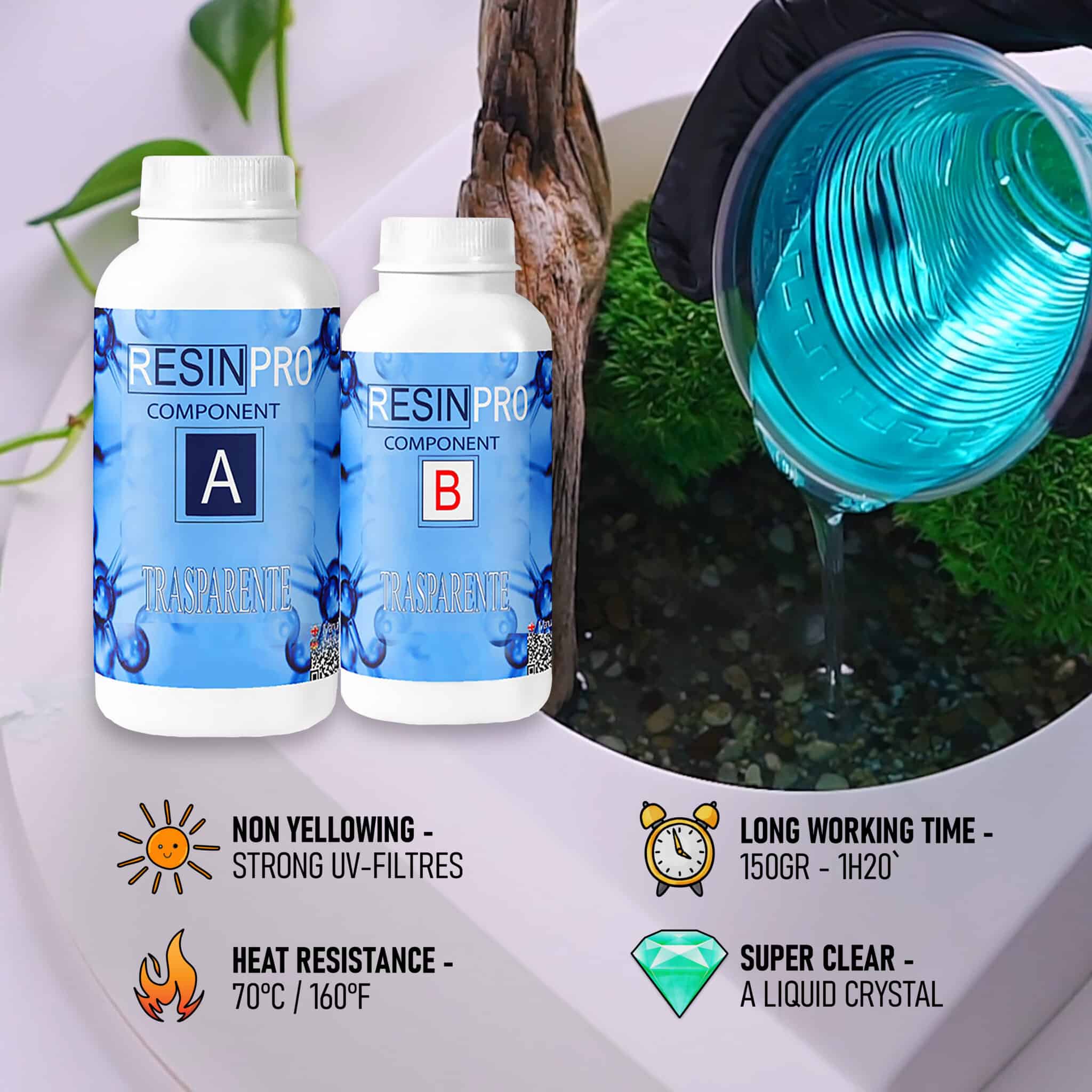
Once sealed, you can move on to decorative coatings or protective casting. Choose a clear, self-levelling resin appropriate for your project’s needs. For layers up to 2cm, “Trasparente” – Multipurpose Clear Epoxy Resin for Casting – Up to 2cm delivers clarity and a durable, glossy surface.
For thinner coatings or odour-sensitive environments, “Icrystal” – Clear Epoxy Resin – Odourless Formula – Up to 1.5cm provides a crystal-clear, scratch-resistant finish. Mix and apply according to product instructions, allowing each layer to cure in a dust-free area for best results.
Tips and Common Pitfalls with Resinous Wood
Allow ample drying time before sealing or coating, as lingering resin or moisture causes adhesion failures or sticky spots. Common mistakes with resinous wood include skipping the degreasing step, insufficient sanding, or hasty application without a primer.
Always use gloves and dust masks where required, and follow manufacturer safety advice for all products involved. If you spot resin bleed during curing, pause and spot-clean before continuing with additional coats.
Project Inspiration with Treated Resinous Woods
Once properly prepared and sealed, resinous woods can be transformed into striking tables, art panels, decorative trays, or outdoor fixtures. Choosing the right resin and preparation method unlocks the wood’s unique colours and grain while ensuring resilience for years to come.
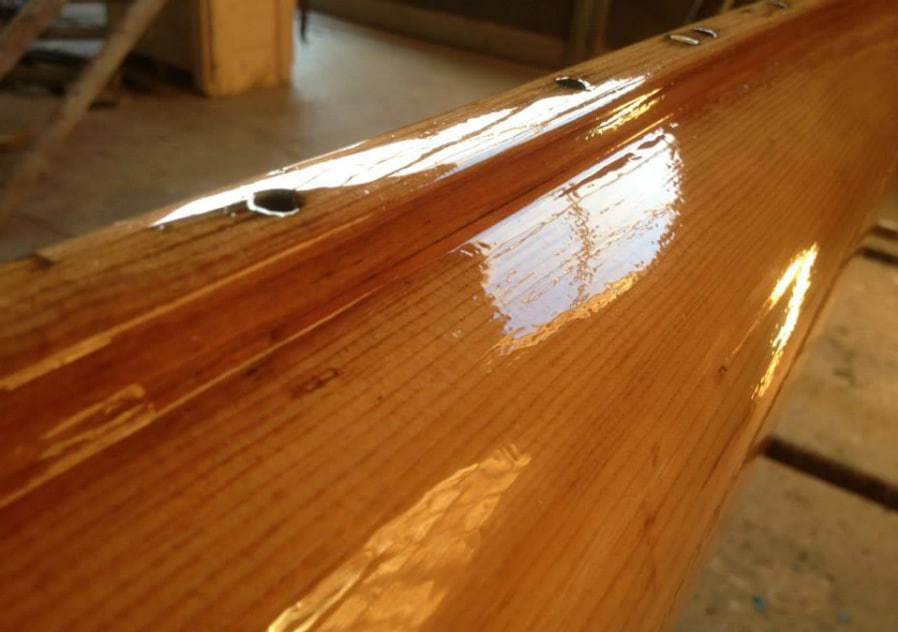
- "EpoxyWood" – Wood Restoration Epoxy Resin for Deep Penetration and WaterproofingPrice range: £27.95 through £41.95EpoxyWood is designed for repairing and protecting wooden surfaces with deep penetration and waterproofing, suitable for varied restoration projects.
- Strong Technical Degreaser for Resin Projects – 100% Natural FormulaOriginal price was: £10.95.£9.45Current price is: £9.45.A natural degreaser designed for effective cleaning in resin projects, suitable for diverse surfaces with a gentle formula.
- "Trasparente" – Multipurpose Clear Epoxy Resin for Casting – Up to 2cmPrice range: £8.95 through £397.95This clear multipurpose casting epoxy resin offers a glossy self-levelling finish up to 2cm, suited for woodworking and art projects.
 "Icrystal" – Clear Epoxy Resin – Odourless Formula – Up to 1.5cmPrice range: £12.45 through £341.45"Icrystal" transparent epoxy resin is designed for clear, scratch-resistant coatings and suitable for various creative and practical uses with…
Frequently Asked Questions
How do I seal very resinous wood effectively?
Ensure the wood is dry and clean, then use a deep-penetrating epoxy sealer like "EpoxyWood" to both reinforce and waterproof before any coatings.
What is the best cleaner for tough resinous wood residues?
A natural degreaser removes oils and silicone effectively without harming wood, allowing proper resin bonding in later steps.
Should I sand resinous wood before applying resin?
Yes, sanding smooths out the surface and removes residual resin, improving adhesion and resulting in a better finish.
Can epoxy resin stick to oily, resinous wood?
Only after thorough degreasing and sealing. Proper cleaning and priming are essential for epoxy adhesion on such woods.
Which type of epoxy should I use on resinous wood?
A deep-penetrating, low-viscosity epoxy like "EpoxyWood" is best for sealing, followed by your preferred clear casting or coating resin.
How can I prevent resin bleed in my projects?
Let wood cure thoroughly, follow cleaning and sanding steps, and always apply a sealer before main resin coating.