 Free shipping on orders over £29,85
  Shipping Tracking!


 Google
 Facebook
How to use resins?
Step-by-step guide to safe, effective resin use in creative projects
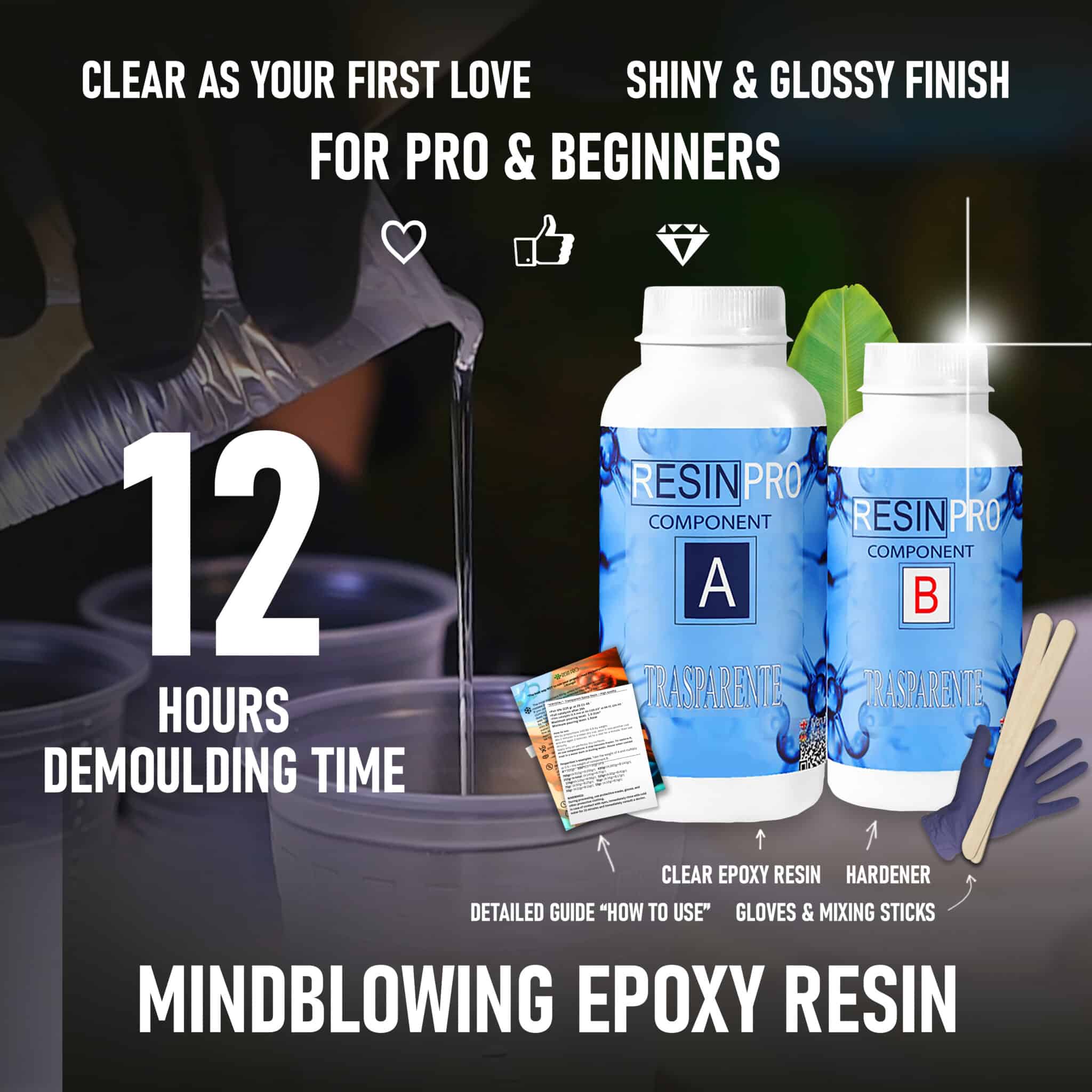

Learning how to use resin is an exciting journey for both beginners and experienced crafters. Whether you want to create glossy jewellery, artistic pieces, or stylish decor, mastering resin techniques ensures your projects are durable, beautiful, and professional in finish. This guide covers the entire resin process, including essential safety, preparation, mixing, pouring, and curing, so you can achieve outstanding results in every project.
What You’ll Need
- “Trasparente” – Multipurpose Clear Epoxy Resin for Casting – Up to 2cm: For clear castings, art, and medium-depth pours.
- “Evershine Collection” – Artisan Jewellery Epoxy Resin Kit with 100+ Accessories: Perfect for beginners who want everything in one box.
- “One-2-One” – Epoxy Resin for Handcraft, 1:1 Mixing Ratio: Great for detailed jewellery and smaller crafts.
- “UV–Creation” – Fast Acrylic Resin, 3 Minute UV Cure: Ideal for rapid results and small, intricate projects.
- Mixing cups and sticks
- Protective gloves
- Dust-free workspace and safety gear (mask, apron)
- Silicone or plastic moulds (for shaping)
- UV lamp (if using UV–Creation resin)
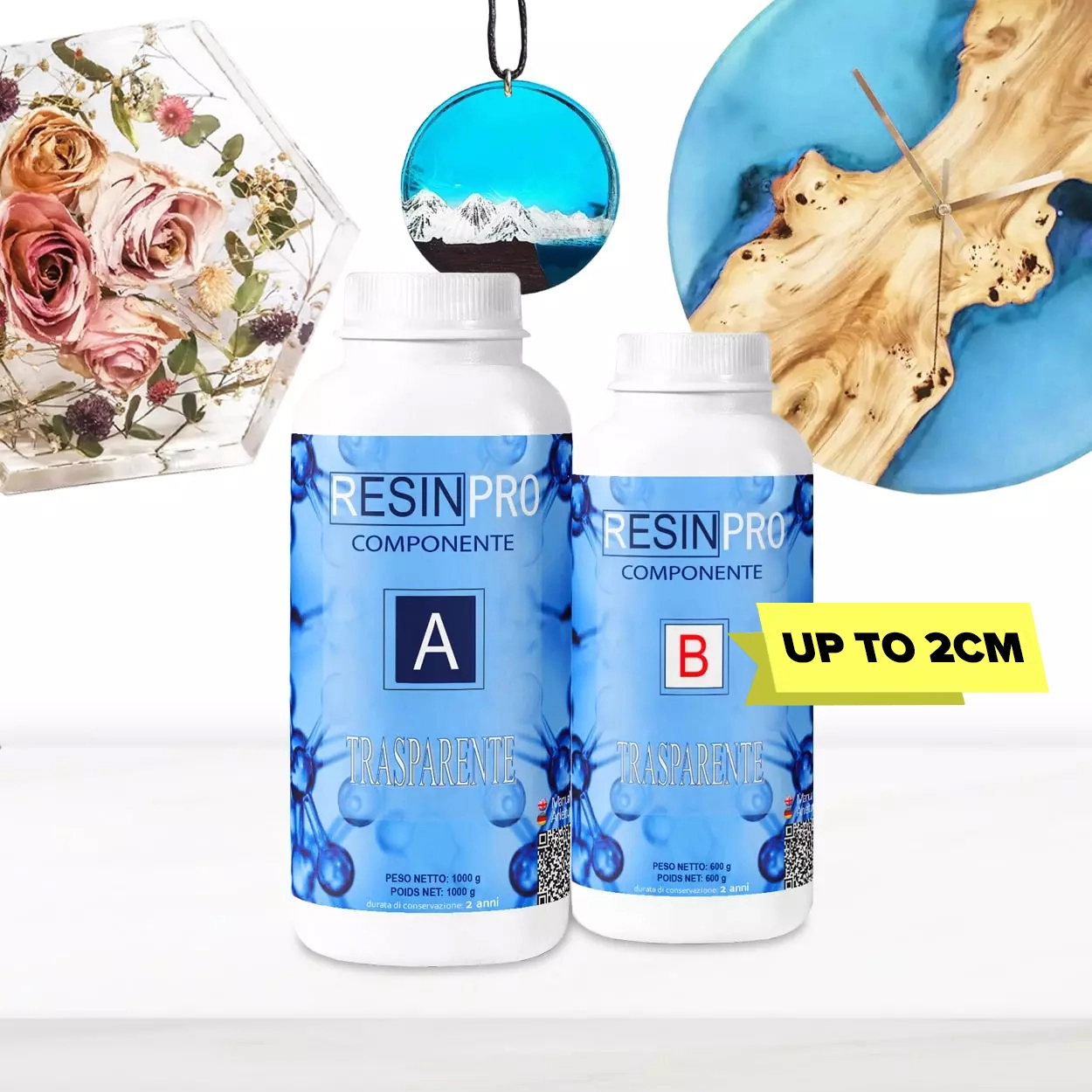
See Essential Resin Materials and Mixing in Action
Watch how easy it is to measure, mix, and prepare your resin projects. Observe close-ups of professional-grade tools, step-by-step handling, and clean workspace setups in real craft settings. Notice how each product’s clarity and workability makes it simple to tackle creative tasks at home.
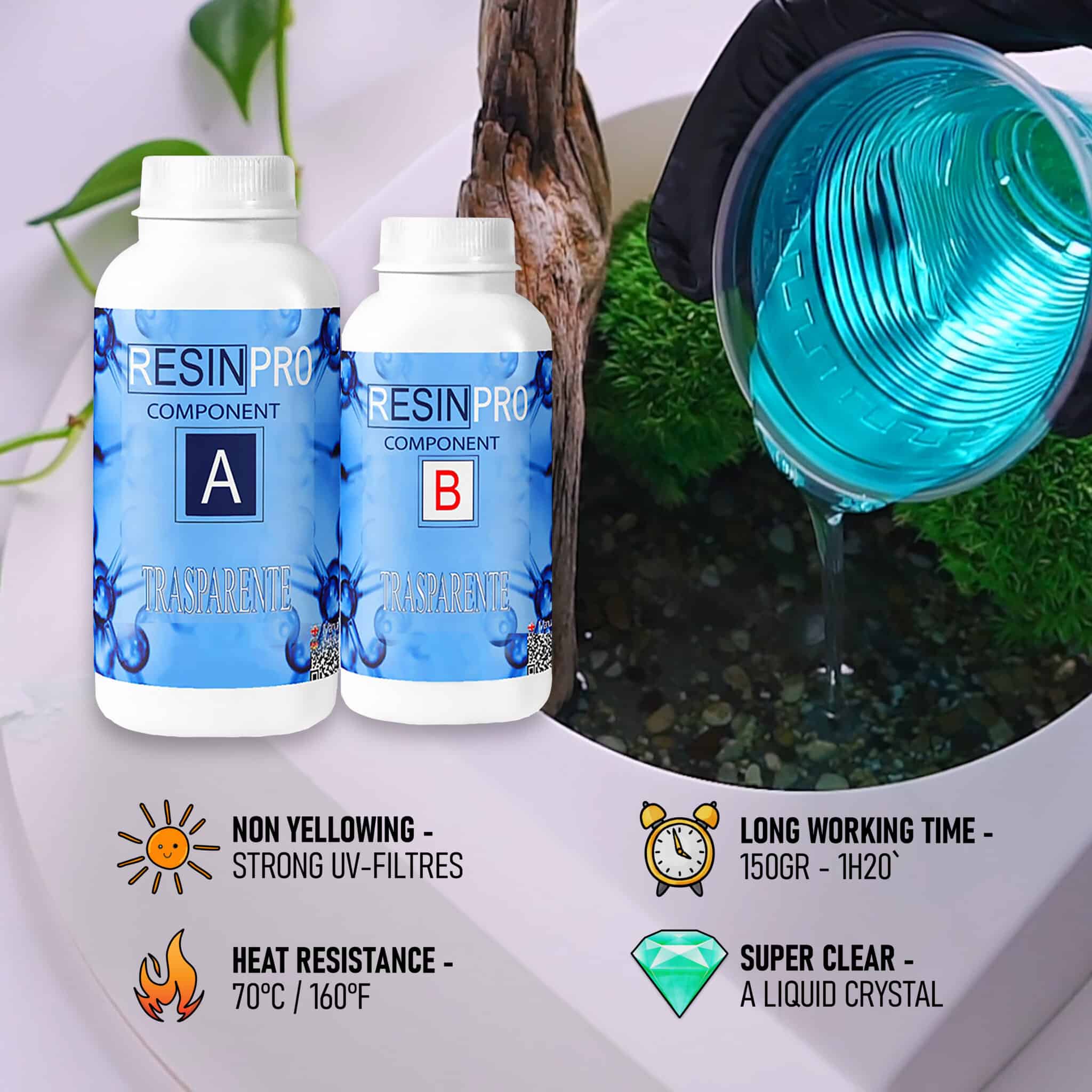
Step 1: Prepare Your Workspace and Materials
Begin by clearing your workspace from dust and debris, as resin attracts particles when curing. Lay down a protective sheet, ensure adequate ventilation, and wear gloves to protect your skin and clothing. Gather all the necessary tools and have your resin and hardener products ready. If working with the “UV–Creation” – Fast Acrylic Resin, have the UV lamp nearby for rapid curing. Careful preparation eliminates distractions, helping you focus on accuracy in later steps.
Always wear gloves and work in a well-ventilated area.
Step 2: Accurately Measure and Mix Resin
Measuring resin and hardener in the correct ratio is essential for achieving a cure that is strong and clear. Epoxy resins such as “Trasparente” and “One-2-One” require precise 1:1 by volume measurement, while some products may use different ratios—always check the instructions on your chosen resin. Use separate measuring cups for each part, then combine them into a clean mixing container. Mix gently but thoroughly for at least 2–3 minutes, scraping the sides and bottom, until the mixture is fully uniform.
Measure resin and hardener accurately to avoid sticky or uncured results.
If you are using the “Evershine Collection”, follow the kit’s simple 1:1 instructions—perfect for beginners seeking flawless mixing.
Step 3: Pour, Shape, and Cure Your Resin
Once your resin is fully mixed, pour it gently into your prepared moulds or directly onto your project surface. Take care to work quickly and efficiently, as resin can begin to set after a short ‘working time.’ For layers up to 2cm in thickness, “Trasparente” is ideal—never exceed the recommended pour depth for your product, as this can cause overheating or incomplete curing. If using UV resin like “UV–Creation”, apply the resin in layers and cure each one under your UV lamp for 2–3 minutes.
If bubbles appear, lightly run a heat gun or small flame over the resin surface to help them rise and burst. Allow your epoxy resin to cure undisturbed and dust-free for the full recommended duration, which can range from several hours to overnight depending on the product.
Mix resin slowly and thoroughly, scraping the sides and bottom of the container.
Work quickly but precisely—resin has a limited working time.

Tips, Common Mistakes, and Troubleshooting
To achieve the best results, make sure your workspace and tools are clean and dry. Humidity and cold can slow curing, while high temperatures may speed it up unpredictably. Always wear protective equipment, and never pour over the product’s recommended thickness. In case of bubbles, use a small heat tool carefully—too much heat may cause yellowing or distortion. If your resin remains sticky, it is likely due to incorrect measurements or insufficient mixing, not curing time—avoid repeating this mistake by being meticulous at the measuring stage.
If you see bubbles, use a heat source cautiously to remove them.
Never pour layers thicker than the product’s maximum recommendations.
Pro Resin Crafting: Troubleshooting and Real Results
Explore expert tips for flawless coatings and bubbles-free castings. Spot examples of correct and incorrect pours, see fresh demoulded pieces, and discover side-by-side results from beginner and advanced users. Find inspiration for your next creation while learning to avoid common pitfalls.

- "Trasparente" – Multipurpose Clear Epoxy Resin for Casting – Up to 2cmPrice range: £8.95 through £397.95The "Trasparente" epoxy resin features an ultra-clear, self-levelling finish for detailed castings and various DIY projects with up to 2cm layer…
- "Evershine Collection" – Artisan Jewellery Epoxy Resin Kit with 100+ Accessories£21.95A complete resin jewellery kit with 500g crystal-clear resin and over 100 accessories, suitable for beginners and craft enthusiasts.
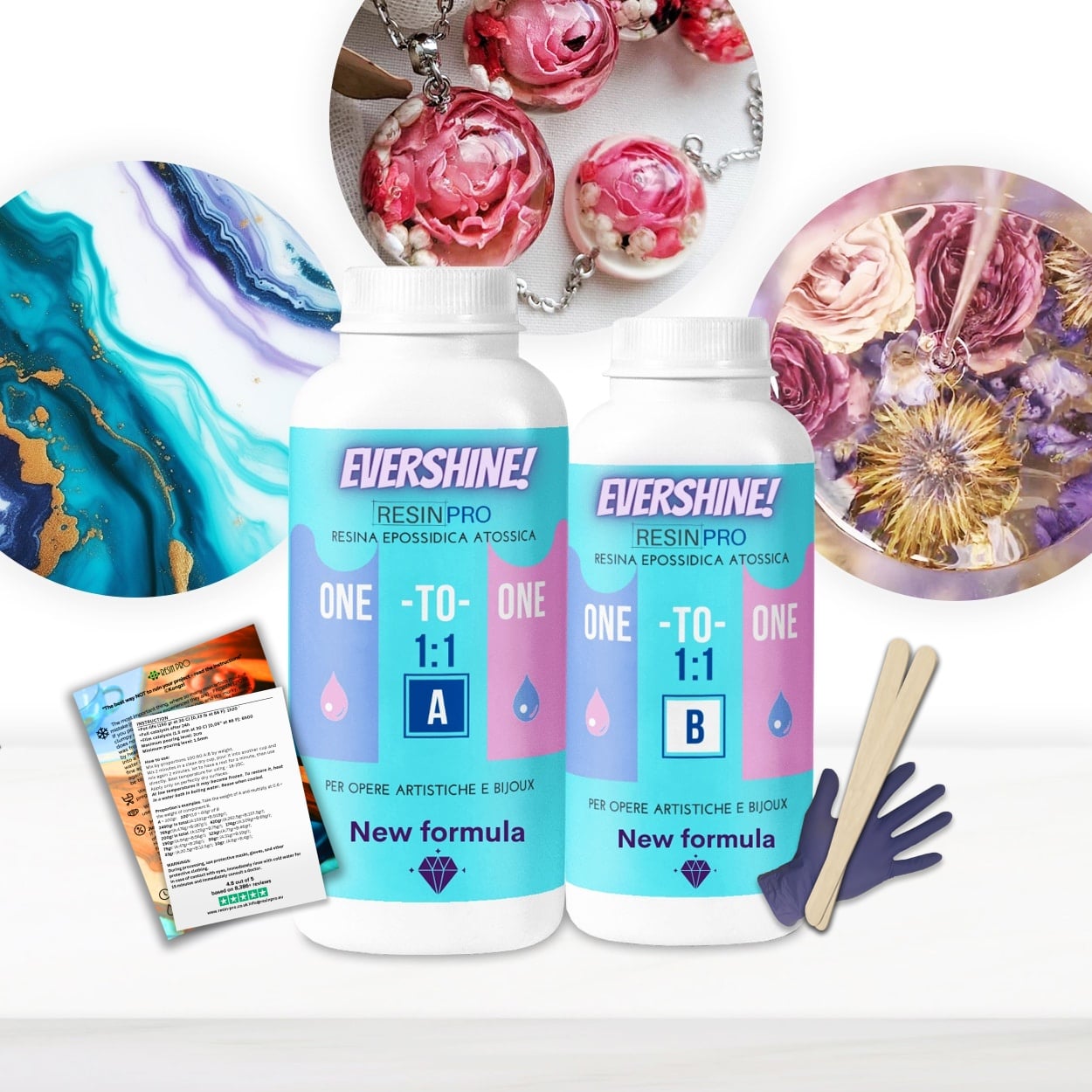 "One-2-One" – Epoxy Resin for Handcraft, 1:1 Mixing RatioPrice range: £15.95 through £59.95"One-2-One" epoxy resin is a medium viscosity resin with a 1:1 mixing ratio, designed for safe and clear decorative handcraft use.
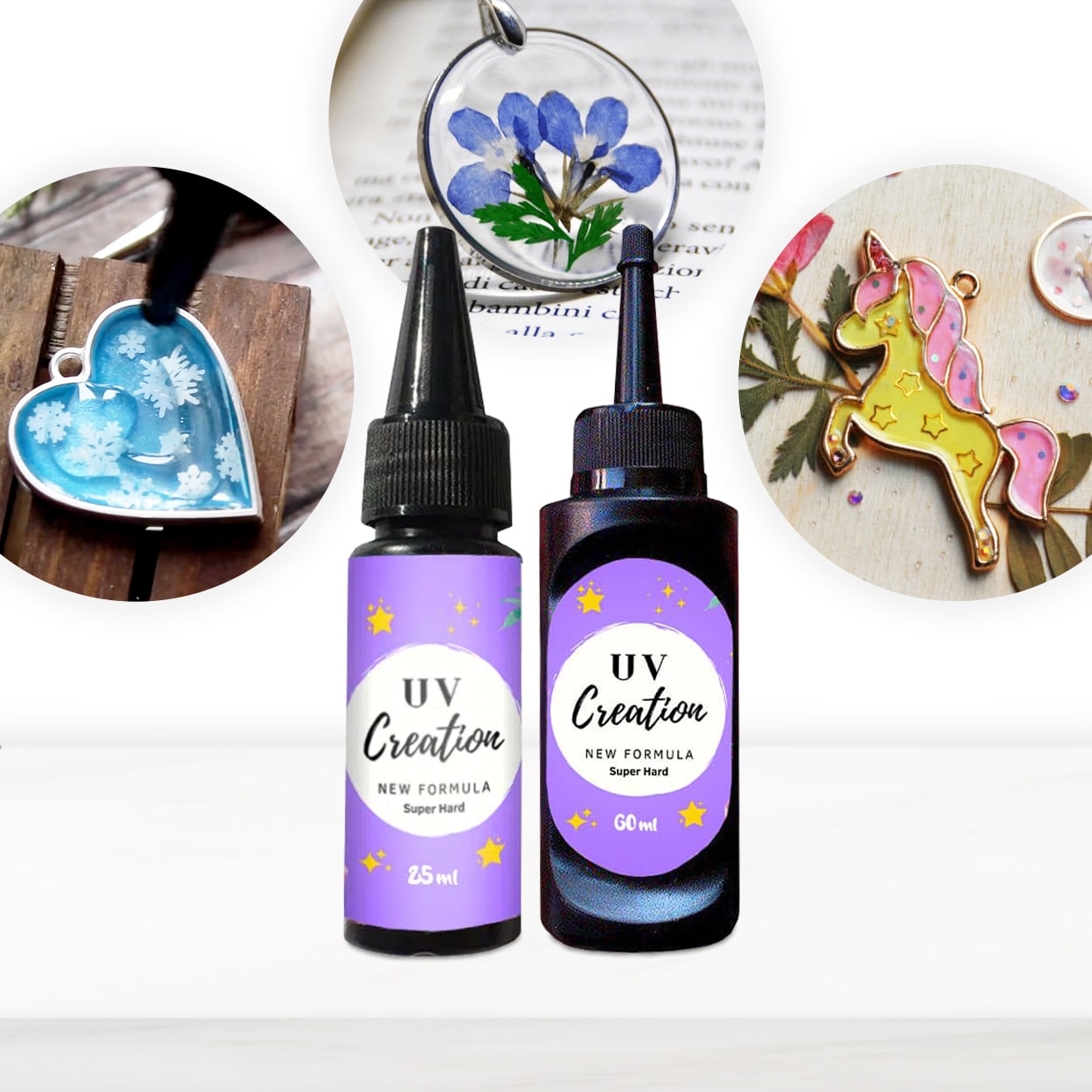 "UV–Creation" – Fast Acrylic Resin, 3 Minute UV CurePrice range: £8.45 through £62.95UV–Creation is a fast-curing acrylic resin designed for jewellery makers and crafters seeking ready-to-use, clear, and gloss finishes.
Frequently Asked Questions
How do I prepare my workspace for safe resin use?
Choose a dust-free, ventilated area, protect your surfaces, and always wear gloves and a mask for resin projects.
How do I know the correct mixing ratio for resin?
Check the product’s instructions. Many ResinPro resins use a 1:1 ratio by volume, but always read your label for accuracy.
How can I remove bubbles from mixed resin?
Use a heat gun or torch briefly, or let the mixture rest before pouring to help bubbles rise and pop.
What is the difference between UV resin and epoxy cure times?
UV resin cures in minutes under a UV lamp, while epoxy resins require hours or overnight for full hardness.
Why is my resin still tacky after curing?
Sticky resin is usually from incorrect mixing or measurement, not just insufficient time. Re-measure and mix thoroughly next attempt.
How do I demould resin projects without damaging them?
Ensure full cure and gently flex silicone moulds. Avoid using metal tools to prevent scratches or chips.
How thick can I pour resin at once?
Most casting resins can be poured up to 2cm thick per layer. Refer to the specific product for best results.