 Free shipping on orders over £29,85
  Shipping Tracking!


 Google
 Facebook
← Back to With one liter of resin, how many square meters can be covered?
When planning a resin floor, path, or decorative project, understanding how surface type and application method affect resin coverage can help you order the right amount for a flawless finish and avoid costly surprises.
How Substrate Affects Resin Coverage
The texture and absorbency of your base play a major role in coverage. Smooth, sealed surfaces like ceramic tiles or well-finished concrete usually allow a litre of resin to cover a greater area—often towards the maximum suggested by product guidelines. Highly absorbent or rough substrates, such as unfinished concrete or porous screed, may soak up more resin. This means you may need considerably more product per square metre, sometimes up to double the amount, to achieve full coverage and long-term durability.
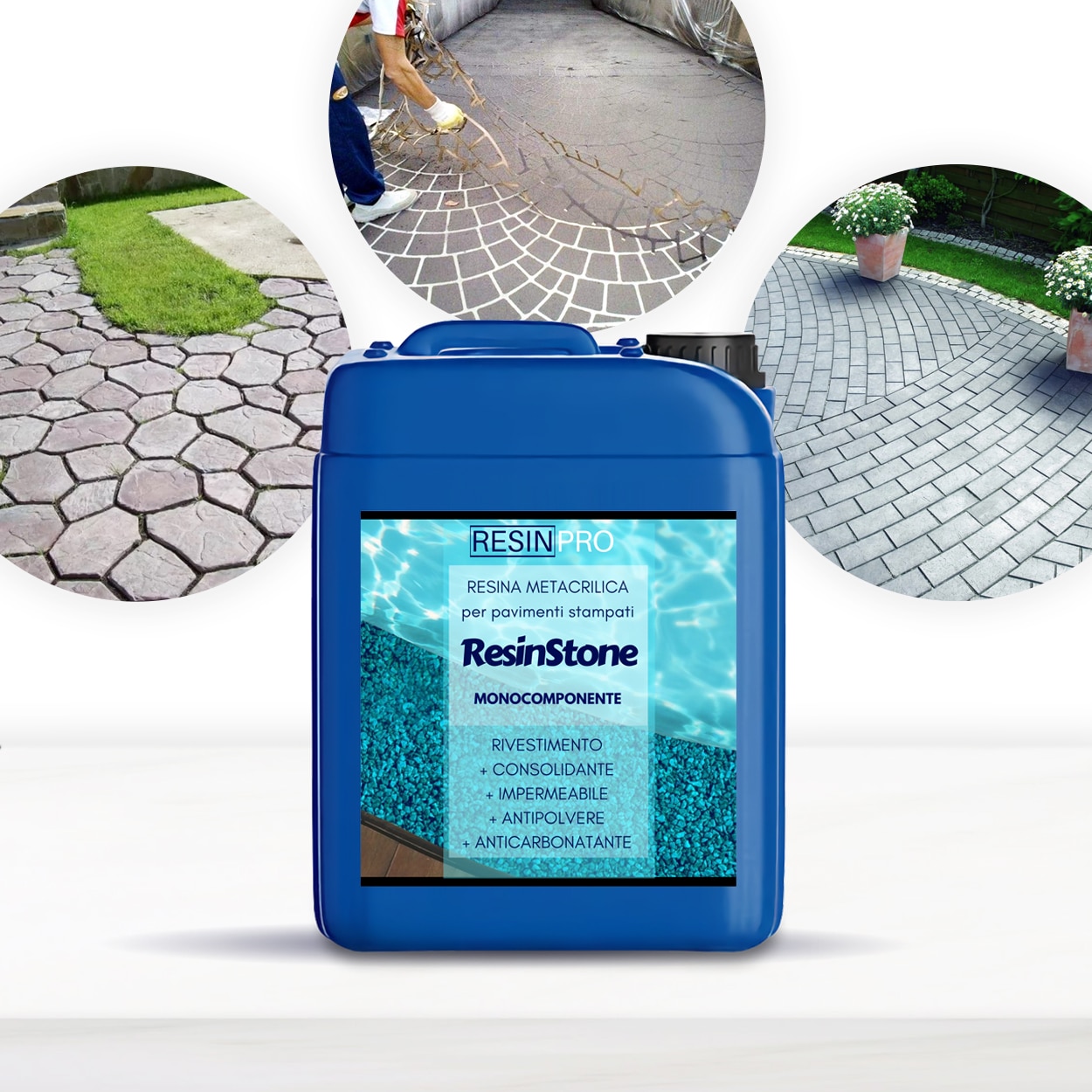
For example, a product like “Resinstone” one-component methacrylic resin is specifically designed to deeply penetrate and seal absorbent substrates such as concrete, influencing its consumption rate.
Application Methods and Their Impact
The way you apply resin also impacts coverage. Methods like roller or brush tend to provide a thinner, more even layer and maximise spread on flat surfaces. However, when pouring or squeegeeing resin (as with pebble or grit floors), the need to fill voids and bind aggregates will mean you use more product. Multi-layer systems, such as those involving a primer and topcoat, further affect the amount required—especially on difficult surfaces where a primer like “Epoxyprimer” ensures better adhesion and more consistent results.
When This Matters Most
- Renovating old, rough, or damaged floors
- Applying resin to very porous or absorbent bases
- Creating decorative aggregate, pebble, or stone surfaces
In these scenarios, always check the product’s technical data and, where possible, test on a small patch to calculate real-life consumption before committing to your full project.
Related products
Related guides
Considering the nature of your surface and your chosen application technique will help you more accurately estimate how much resin you need. For further details on area calculations and practical guidance, see the main guide: With one liter of resin, how many square meters can be covered?