 Free shipping on orders over £29,85
  Shipping Tracking!


 Google
 Facebook
With one liter of resin, how many square meters can be covered?
Compare resin types to estimate coverage for your flooring project

Understanding how much area one litre of resin can cover is essential for planning your flooring or surface coating project efficiently and cost-effectively. This guide compares various resin types—including methacrylic, epoxy, polyurethane coatings, and water-based floor primers—to help you select the right product for your concrete, pebble, or multi-surface applications.
Resin Coverage Comparison: Square Metres Per Litre
The coverage of resin per litre varies greatly depending on the type of resin, the nature of the substrate, and the application method. Here’s a comparison:
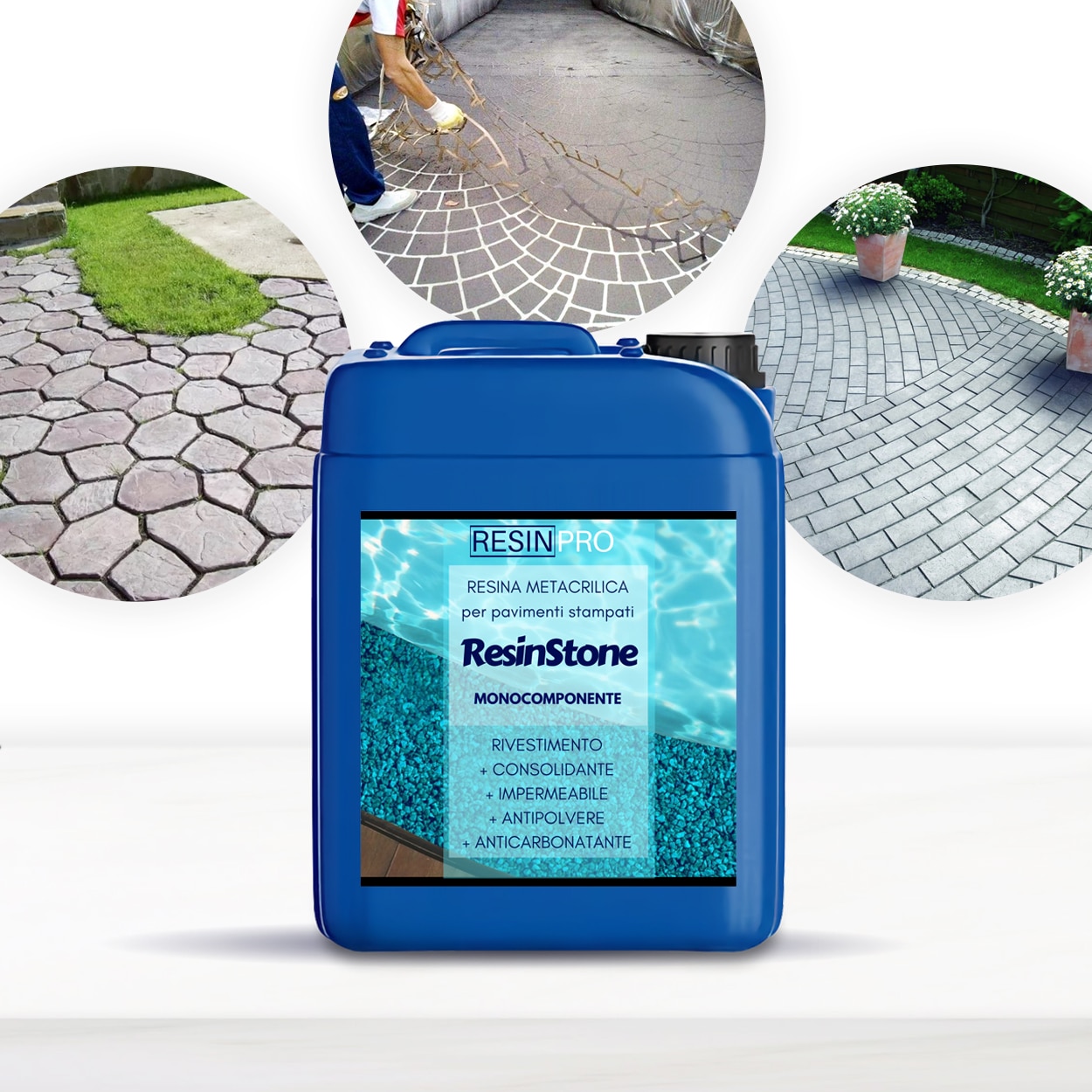
- Methacrylic resin (e.g., “Resinstone”): Designed for highly absorbent concrete. One litre covers approximately 16–25 m² (at 40–60 g/m² consumption).
- Epoxy binder (e.g., “Trasparente”): Coverage depends on mixing ratio with aggregate. With pebble floors, one litre typically mixes with a specific volume of stones, influencing coverage.
- Polyurethane coating (e.g., “Prolux”): For non-absorbent surfaces like tiles or metal, coverage is around 6.9 m² per litre (145 g/m² consumption).
- Water-based epoxy primer (e.g., “Epoxyprimer”): Coverage ranges from 3.3–10 m² per litre (100–300 g/m²), varying with substrate porosity.

Visualising Resin Coverage
See real project examples showing different resin types applied on driveways, pebble floors and industrial surfaces. These visuals highlight the look and finish each product achieves for specific square metre coverage.
“Resinstone” – One-Component Methacrylic Resin for Concrete Floors and Driveways
If you need a sealer for concrete floors or driveways, “Resinstone” – One-Component Methacrylic Resin for Concrete Floors and Driveways offers deep capillary penetration and robust waterproofing for indoors and out. The theoretical consumption is only 40–60 g/m²: this means one litre of RESINSTONE can cover between 16 and 25 m² on properly prepared, absorbent concrete. This makes it highly efficient for large surface areas that require lasting protection against moisture, UV, and wear.
The quick-drying formula allows return to use in under 12 hours—ideal for homes, garages, patios, and stamped driveways. Do note: Actual coverage can vary slightly depending on the concrete’s porosity and application method.
“Trasparente” – Epoxy Binder for Coloured Pebbles and Grits
“Trasparente” – Epoxy Binder for Coloured Pebbles and Grits is formulated for creating vibrant, UV-resistant pebble or aggregate floors. Unlike pure coatings, this binder is mixed thoroughly with pebbles or gravel first, making coverage per litre contingent on the depth and area of your decorative aggregate layer.
For a typical permeable pebble floor, the recommended mixing ratio ensures all stones are encapsulated for strength and clarity. Use the resin and stone calculator on the product page to estimate your coverage for driveways, garden paths, or decorative surfaces. As a guide, 1 litre often suffices for several square metres at standard layer thickness, but always verify with project-specific calculations and aggregate size.
“Prolux” – PU Coating for Tiles, Concrete, Plastic, and Metal – Suitable for Driveable Surfaces
For premium protection on smooth, non-absorbent surfaces like ceramic, concrete, plastic, or steel, “Prolux” – PU coating for tiles, concrete, plastic and metal – suitable for driveable surfaces delivers outstanding wear and weather resistance. Its two-component polyurethane formula covers approximately 145 g/m², translating to about 6.9 m² per litre in a single even coat. This high-yield finish is available in gloss or satin and is certified for demanding environments including parking areas and workshops.
Remember, the actual yield depends on surface smoothness and preparation—unprepared or rough surfaces will absorb more product, reducing coverage per litre.
“Epoxyprimer” – Universal Water-Based Two-Component Epoxy Floor Primer
If preparing your substrate is vital, “Epoxyprimer” – Universal Water-Based Two-Component Epoxy Floor Primer maximises bond and durability for subsequent resin layers. Its consumption (100–300 g/m²) means one litre can span 3.3–10 m², depending on how porous or open the surface is. It is highly recommended for artists, DIYers, and professionals working on varied surfaces—concrete, timber, screed, or ceramic—requiring secure adhesion and eco-friendly, odourless performance.
Allow 24–48 hours for curing before overcoating and adjust expectations based on substrate type and site conditions.
Key Factors Affecting Resin Coverage
The precise area that one litre of resin will cover depends on surface porosity, product type, and target thickness. Highly absorbent surfaces like bare concrete consume more resin, while sealed or non-absorbent substrates yield maximum coverage. Always prepare your substrate thoroughly, use recommended application tools, and reference the product’s technical data before calculating your requirements.
Expert Tips for Estimating Resin Usage
Always consult each product’s technical data for recommended consumption. If unsure, test a small area first — surface porosity and application conditions influence actual yield. Plan for a 10–15% margin above theoretical coverage to accommodate wastage.
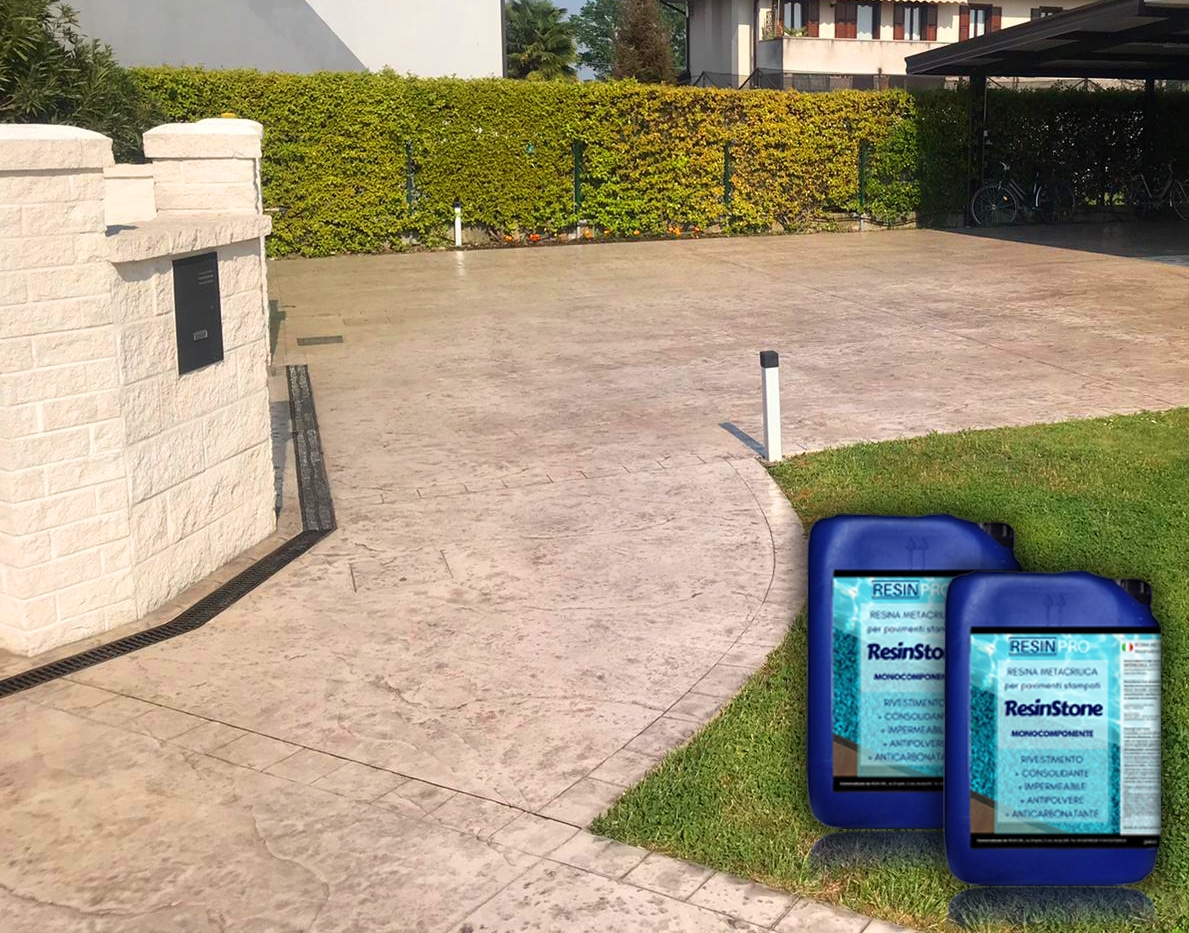
- "Resinstone" – One-Component Methacrylic Resin for Concrete Floors and DrivewaysPrice range: £36.71 through £336.48"Resinstone" is a one-component methacrylic resin designed for sealing and protecting concrete floors and driveways with durable, waterproof finish.
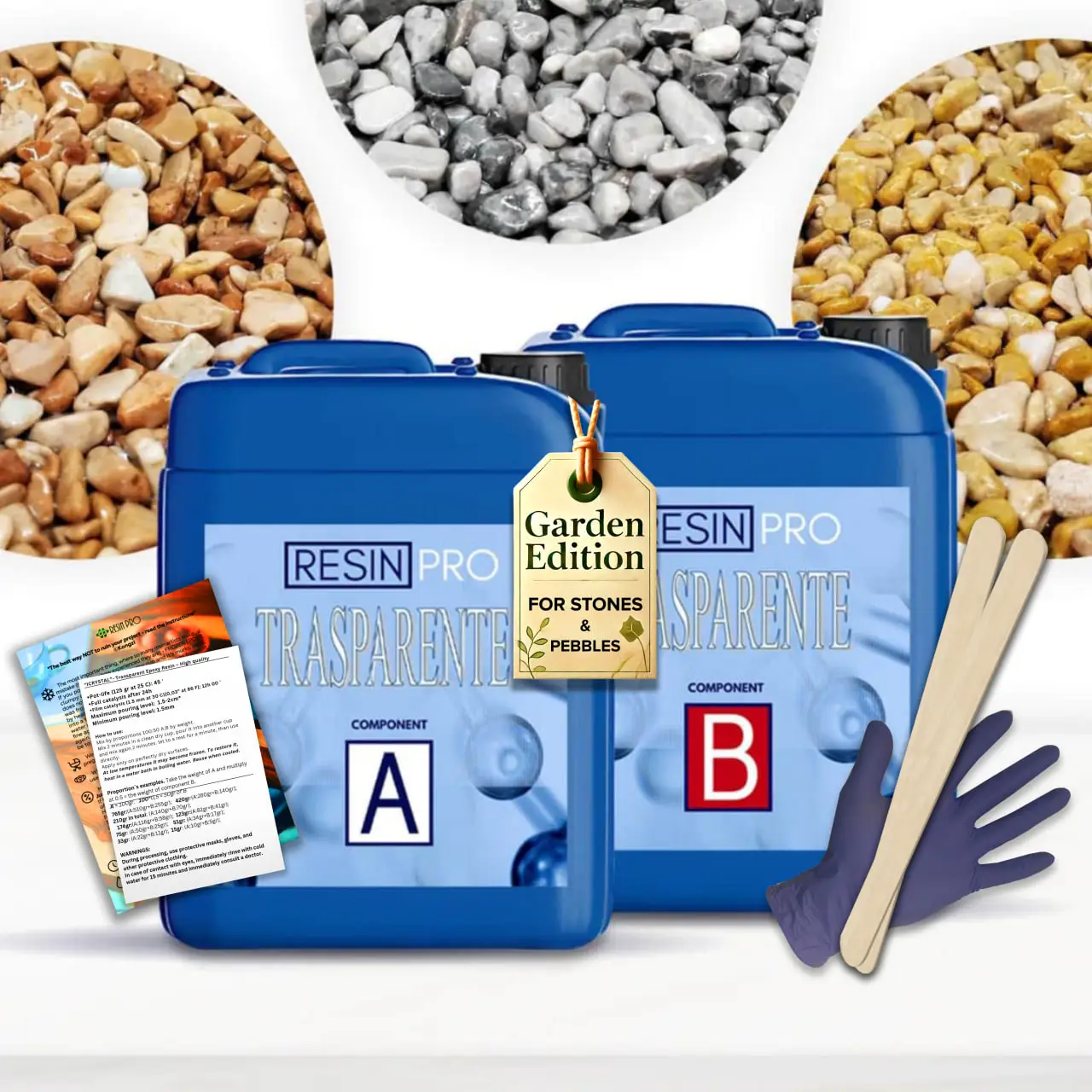 "Trasparente" – Epoxy Binder for Coloured Pebbles and GritsPrice range: £33.45 through £397.95"Trasparente" is a transparent epoxy binder designed for coloured pebbles and grits, providing a clear, UV stable finish suitable for various…
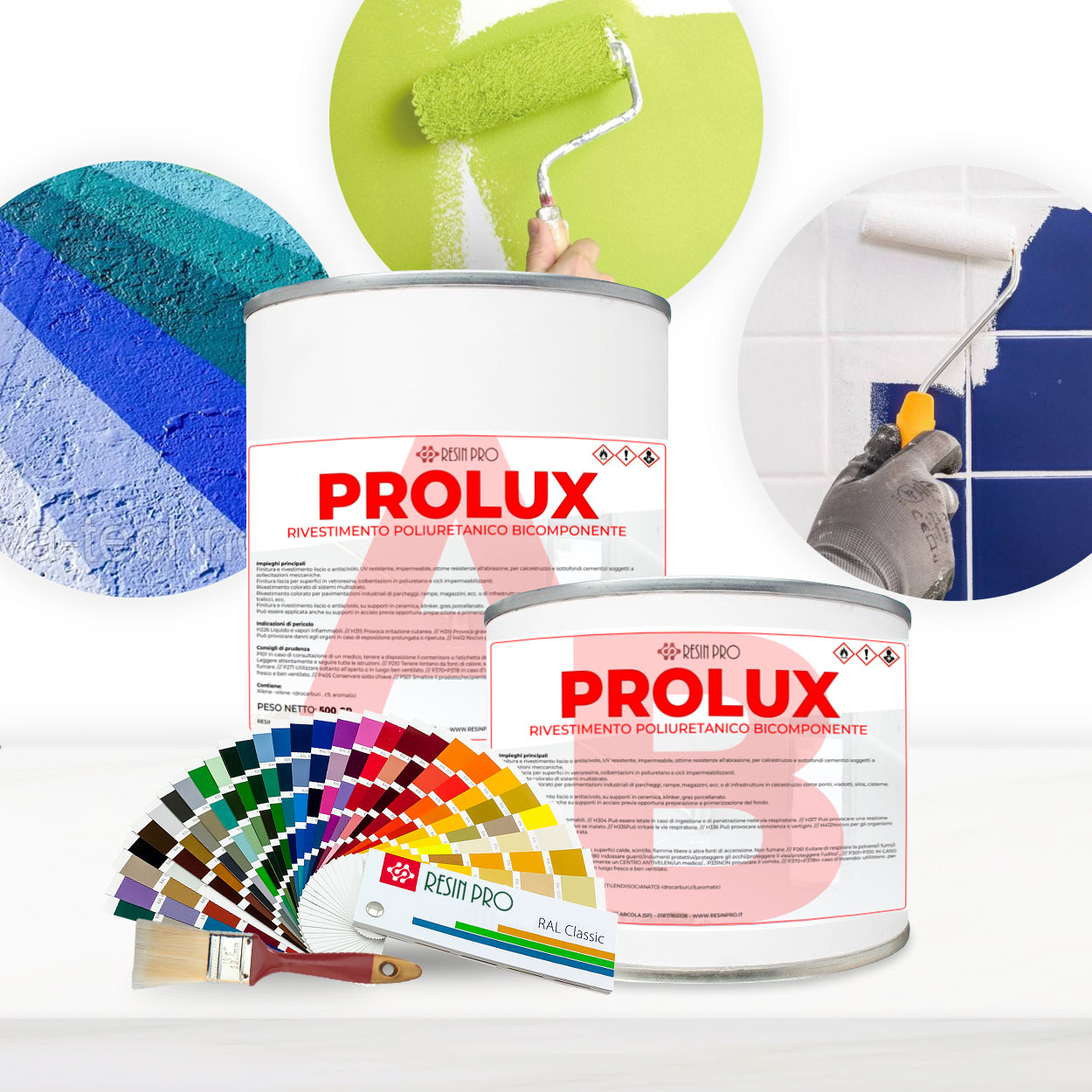 "Prolux" – PU coating for tiles, concrete, plastic and metal – suitable for driveable surfacesPrice range: £44.85 through £494.85"Prolux" is a polyurethane coating designed for various surfaces, providing durable protection with options for gloss or satin finishes.
 "Epoxyprimer" – Universal Water-Based Two-Component Epoxy Floor PrimerPrice range: £156.45 through £286.45"Epoxyprimer" is a water-based two-component floor primer suited for reliable adhesion on various substrates in epoxy flooring.
Frequently Asked Questions
How do I estimate resin coverage in square metres?
Check the product’s recommended consumption rate (in g/m²) and divide 1000g (1 litre) by that number to estimate how many square metres it will cover.
Does coverage vary by substrate or method?
Yes. Highly absorbent or rough substrates require more resin, so actual coverage per litre may be lower than on smooth, sealed surfaces.
Why is coverage per litre different for binder-aggregate projects?
Because the resin is mixed with stones or grits, the amount needed depends on the volume and thickness of the aggregate layer, not just the area.
How do I calculate coverage for resin primer?
Coverage is determined by the substrate’s porosity. Refer to the technical data, typically ranging from 3.3 to 10 m² per litre for primers.
What areas is Resinstone best used for?
Resinstone is ideal for sealing and protecting absorbent concrete surfaces such as driveways, patios, garages, and outdoor paths.
Can I increase coverage by thinning resin?
Thinning resin may compromise strength or chemical properties, so always follow each product's guidelines for optimal performance.
Why do PU and epoxy coatings have different yields?
Polyurethane coatings are formulated for thinner, higher-spread layers on smooth surfaces, while epoxy products may be thicker and more absorbent.