 Free shipping on orders over £29,85
  Shipping Tracking!


 Google
 Facebook
← Back to With one liter of resin, how many square meters can be covered?
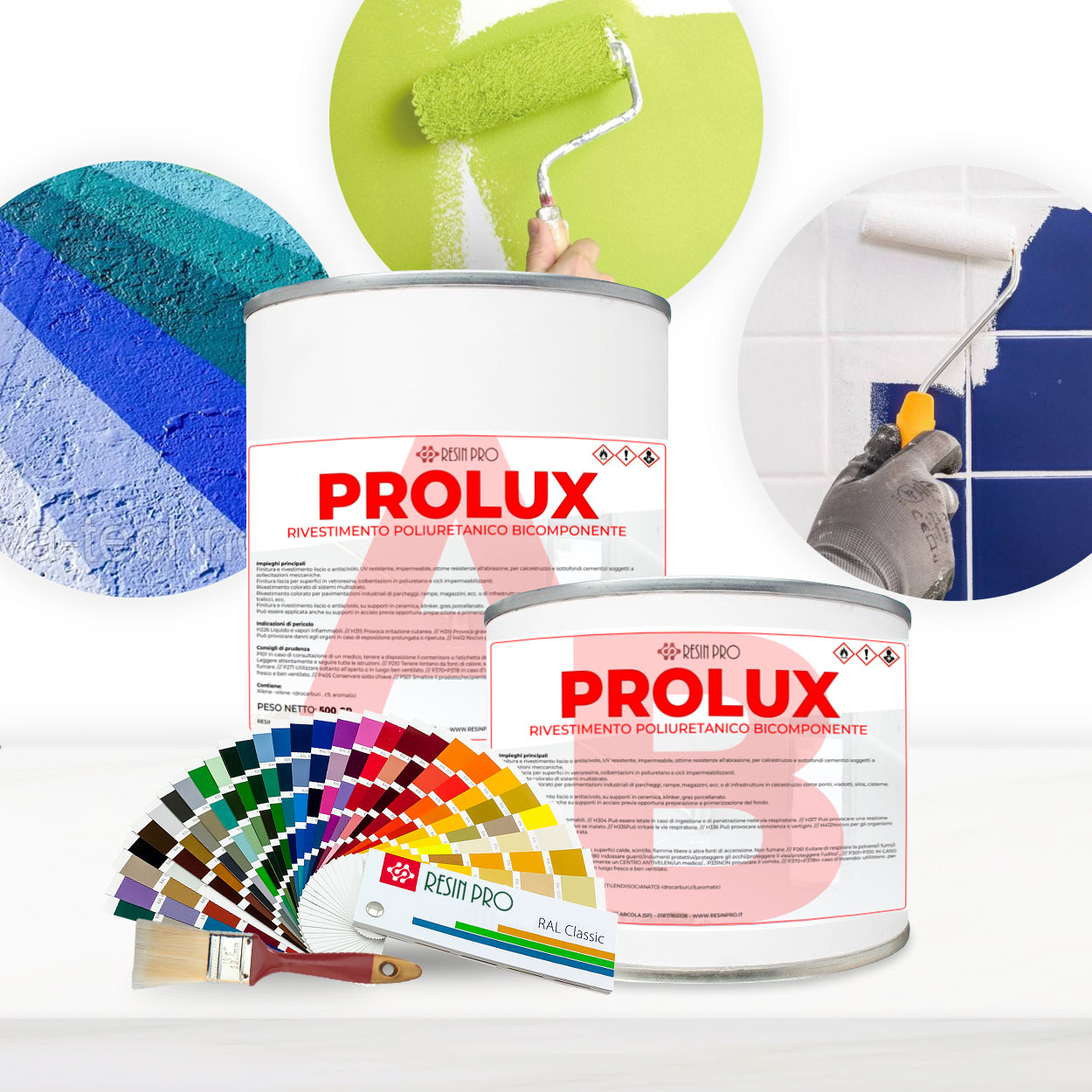
One common question when covering floors or surfaces with resin is why polyurethane (PU) and epoxy coatings spread differently. Let’s explore the main reasons behind these coverage differences so you can choose the right product for your needs.
How PU and Epoxy Resins Are Formulated
PU (polyurethane) coatings are formulated for application in thin, even films, allowing them to cover more area per litre. They are designed to sit on top of smooth, stable surfaces, resulting in a high-spread, low-build approach that makes them efficient for large, non-absorbent areas. In contrast, epoxy coatings and binders are usually designed for thicker layers. Epoxies are often used on rough or absorbent substrates, and their viscosity allows them to seep into small pores, boosting adhesion but increasing product consumption.
Coverage in Real Applications
In practical terms, PU coatings such as Prolux typically reach a high coverage rate—sometimes as much as 145g per square metre on sound, non-absorbent surfaces. Meanwhile, epoxy products can require from 100g to well over 300g per square metre, depending on the substrate’s absorption and the required layer thickness. These figures highlight why product selection should always be matched to both the type of surface and the desired finish.
Choosing the Right Coating for Your Project
- Smooth, sealed floors: Thin-film PU coatings often maximise area covered and offer excellent wear protection with a single coat.
- Absorbent or textured surfaces: Epoxy systems like Epoxyprimer provide deeper penetration and strong adhesion, crucial for porous concrete, wood, or grout lines, but they will spread less per litre.
- Decorative purposes: For encapsulating aggregates or grits, epoxy binders such as Trasparente may be chosen for their clarity and strength, though they require careful calculation to ensure sufficient coverage at the recommended thickness.
When Understanding Coverage Differences Matters
If you’re budgeting for a project, especially one involving large areas or substrates of varying porosity, knowing these yield differences is essential. It ensures you order the correct amount of material, minimise waste, and achieve a predictable, professional finish.
Related products
Related guides
Being aware of why PU and epoxy coatings have different yields helps you better plan your resin project. For further advice on estimating coverage or choosing the right product, see our main guide on how much area one litre of resin can cover.