 Free shipping on orders over £29,85
  Shipping Tracking!


 Google
 Facebook
How to install outdoor floor resin?
Step-by-step guide to durable, weatherproof outdoor surfaces
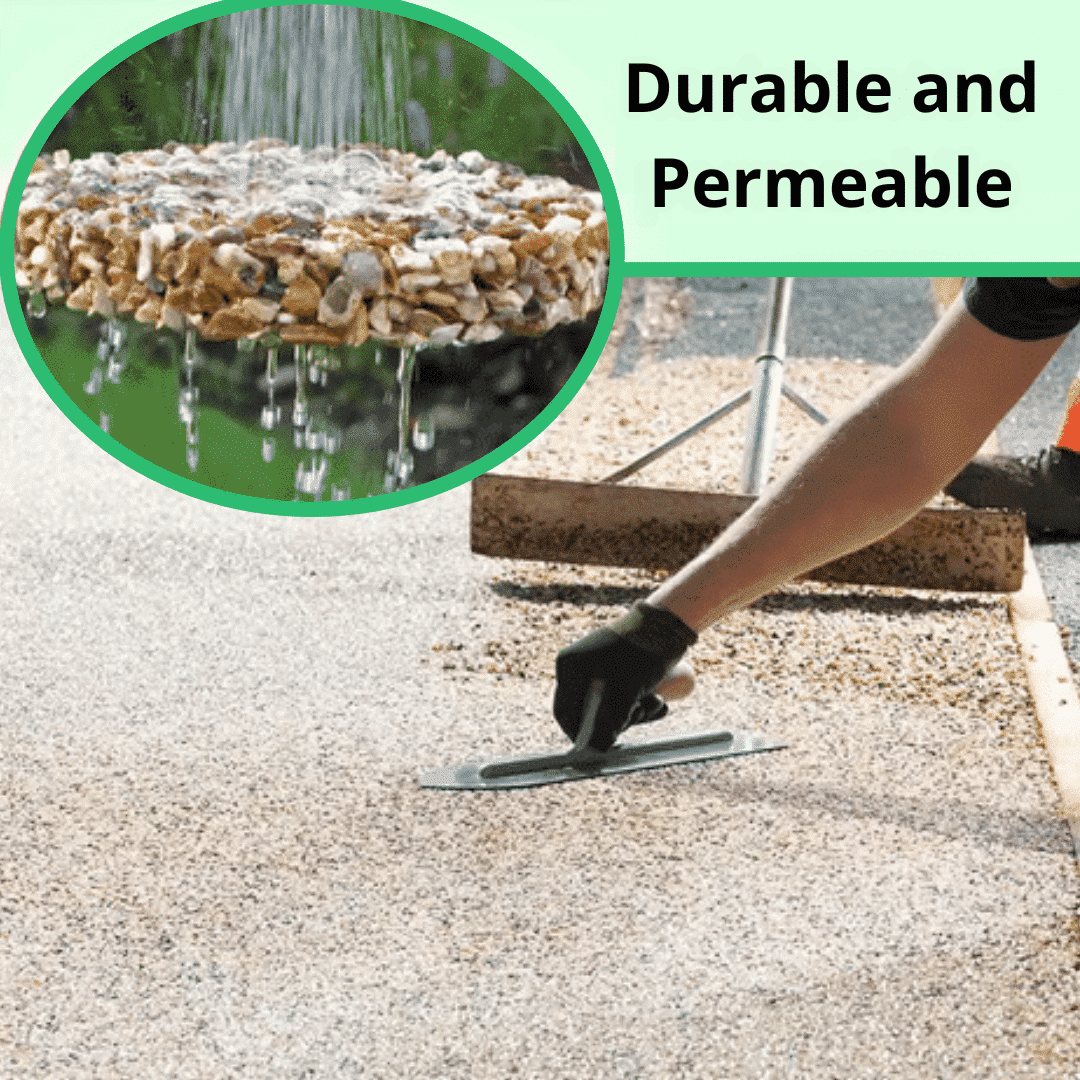
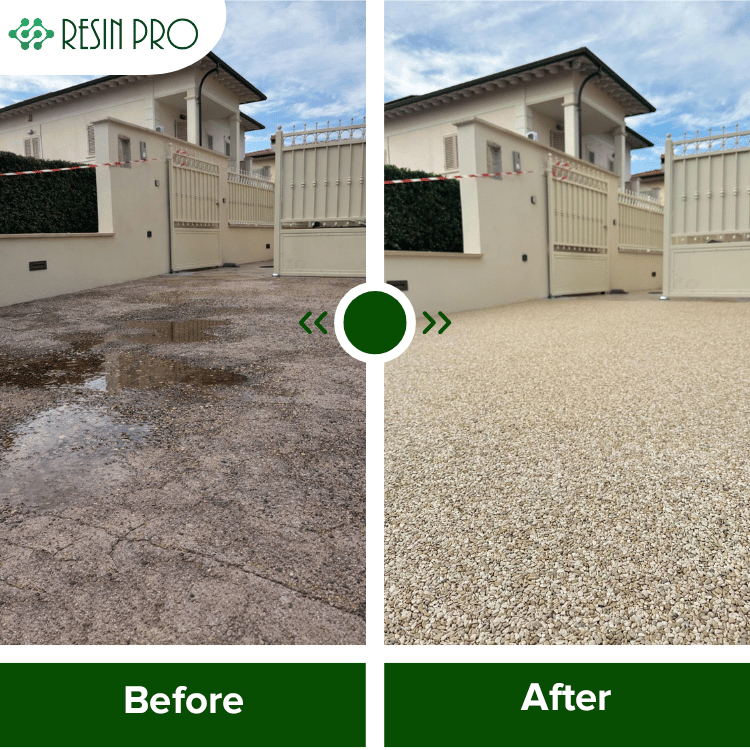
Creating a resin-bonded outdoor floor can instantly transform patios, driveways, and walkways with a robust, easy-to-maintain finish. This guide walks through clear, practical instructions for a successful installation, ensuring weather resistance, lasting appearance, and improved drainage. Whether resurfacing concrete or building a permeable pebble floor, these best practices will help you avoid common pitfalls and deliver professional results.
What You’ll Need
- “Flowstone” – Complete Permeable Floor Kit with Pebbles and Resin: A comprehensive kit for permeable decorative stone flooring on patios, driveways, and footpaths.
- “Trasparente” – Epoxy Binder for Coloured Pebbles and Grits: UV-stable binder ideal for vibrant, coloured aggregates in outdoor floors.
- “Polirock” – Polyurethane Binder for White Stones, 2kg Two-Component Kit: Prevents yellowing and enhances the look of white stone flooring outdoors.
- “Prolux” – PU coating for tiles, concrete, plastic and metal – suitable for driveable surfaces: Provides a strong, uniform finish on various hard surfaces with high durability.
- Basic application tools: mixing bucket, trowel or float, protective gloves, and safety mask.
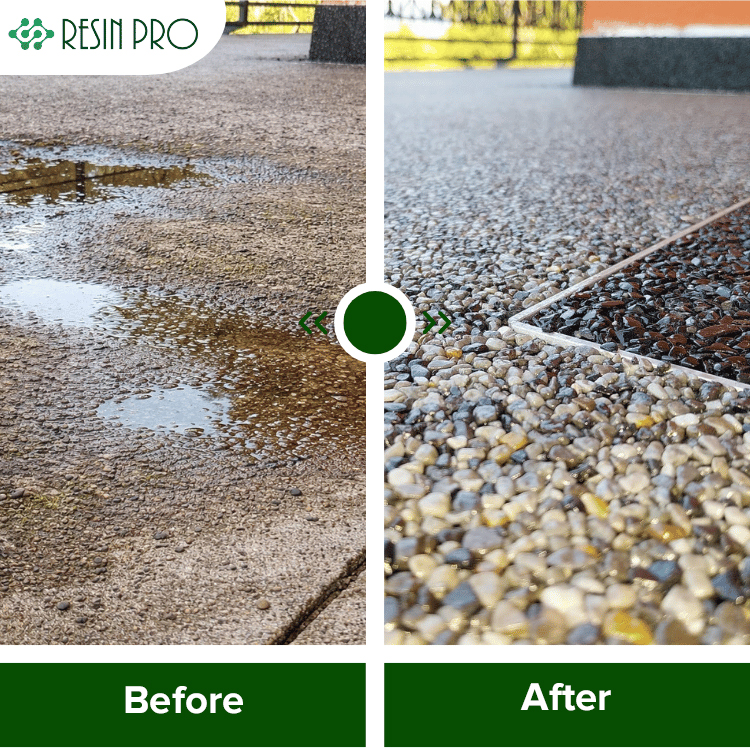
Essential Tools and Product Selection for Outdoor Resin Floors
Selecting the right resin and aggregate combination is crucial for a durable outdoor floor. Consider both the colour and the specific demands of your site—using the right kit or binder prevents yellowing and maintains strength. Prepare your safety equipment and tools in advance for a smooth installation process.
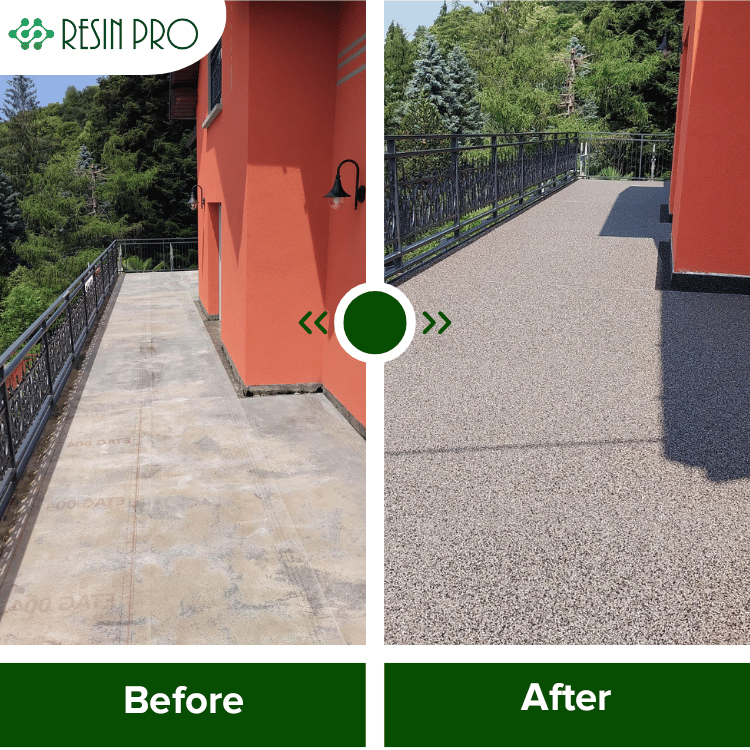
Step 1: Prepare the Base Thoroughly
Proper preparation of the substrate is essential for the longevity of any resin-bound surface. Start by cleaning the area thoroughly, removing loose debris, old coatings, oils, or algae. For best results, the base should be dry, flat, and structurally sound—concrete, asphalt, or compacted MOT Type 1 are popular choices. Any cracks or irregularities should be filled and levelled before proceeding.
Poor base preparation can lead to uneven curing, surface defects, or early failure, so Prepare the base thoroughly before application.
Step 2: Mix Resin and Aggregates Fully
Next, wear your protective gloves and mask before opening the resin and aggregate containers. Pour both components of your chosen resin into a clean mixing bucket, following the manufacturer’s recommended ratios. Gradually add the selected pebbles or grits and blend them thoroughly, ensuring every stone is evenly coated. For coloured or dark stones, consider using “Trasparente” – Epoxy Binder for Coloured Pebbles and Grits for a UV-stable, bubble-free finish. For projects using white stones, “Polirock” – Polyurethane Binder for White Stones, 2kg Two-Component Kit helps preserve brightness and prevents yellowing over time.
Make sure to Mix the resin and aggregates fully for a consistent result—incomplete mixing will jeopardise both appearance and structural strength.
Step 3: Lay and Level the Resin Mixture
Pour the mixed resin-bound aggregate onto the prepared surface immediately, as working time is limited before curing starts. Use a clean flat trowel or float to spread the mixture to your desired thickness, typically around 1.5–2 cm for most resin driveways or patios. Compact the surface gently but firmly for a smooth, solid finish. Take care to achieve even coverage and proper edges, blending sections as you proceed to avoid cold joints.

Step 4: Apply Surface Coating (if Required)
If additional protection is needed, especially on non-stone surfaces like tiles or concrete, apply a suitable topcoat. “Prolux” – PU coating for tiles, concrete, plastic and metal – suitable for driveable surfaces provides an extra barrier against UV, abrasion, and weathering, making the finish ideal for driveable or heavy-use areas. Always follow the specified coverage rate and allow recommended drying times between coats.
Step 5: Curing and Initial Use
Leave the installed resin floor to cure undisturbed, protecting it from foot traffic, rain, or debris. Typical curing times can range from 24–72 hours depending on temperature, humidity, and thickness. Work in cool, dry weather for optimal curing—excessive heat, moisture, or cold can adversely affect the result.
Tips, Common Mistakes, and Troubleshooting
- Use only suitable resins for your stone colour and surface type—epoxy for coloured stones, polyurethane for white stones, or PU coatings on hard surfaces.
- Always mix resin components thoroughly and add aggregates gradually to minimise bubbles.
- Avoid laying resin-bound surfaces in wet, frosty, or very hot weather.
- If part of the mix cures too quickly or too slowly, check resin ratios and ambient conditions.
Weather and Curing: Maximising Floor Longevity
Outdoor resin floors cure best in moderate, dry conditions. Protect freshly installed surfaces from moisture, temperature extremes, and contamination for at least 24–72 hours. Proper planning around weather forecasts helps achieve the best finish and long-term durability in the UK climate.
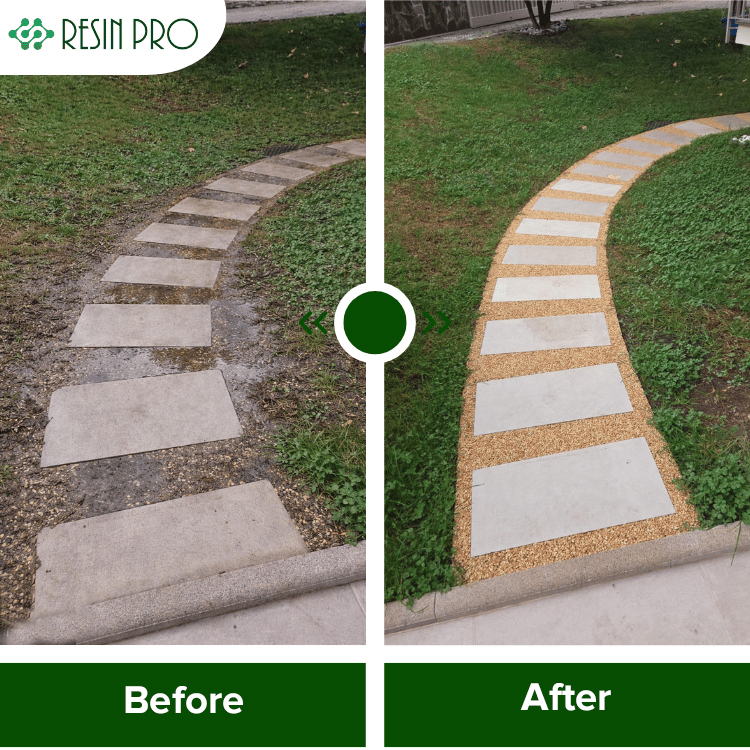
- "Flowstone" – Complete Permeable Floor Kit with Pebbles and ResinPrice range: £49.95 through £3,915.45"Flowstone" is a draining floor kit with pebbles and resin designed for durable and permeable outdoor surfaces in the UK climate.
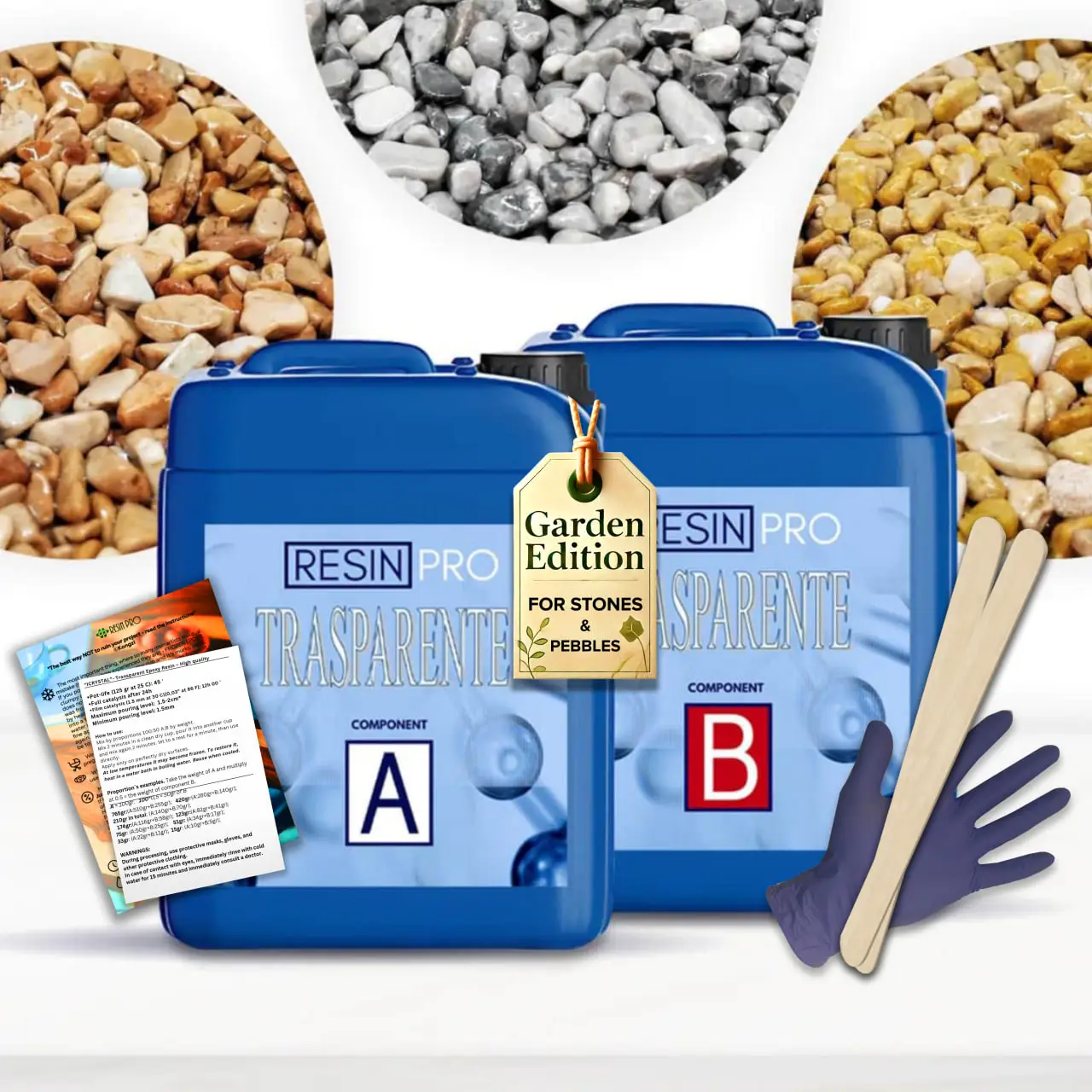
- "Trasparente" – Epoxy Binder for Coloured Pebbles and GritsPrice range: £33.45 through £397.95"Trasparente" is a transparent epoxy binder for coloured pebbles and grits. It provides a clear, UV-stable finish suited to outdoor floor resin…
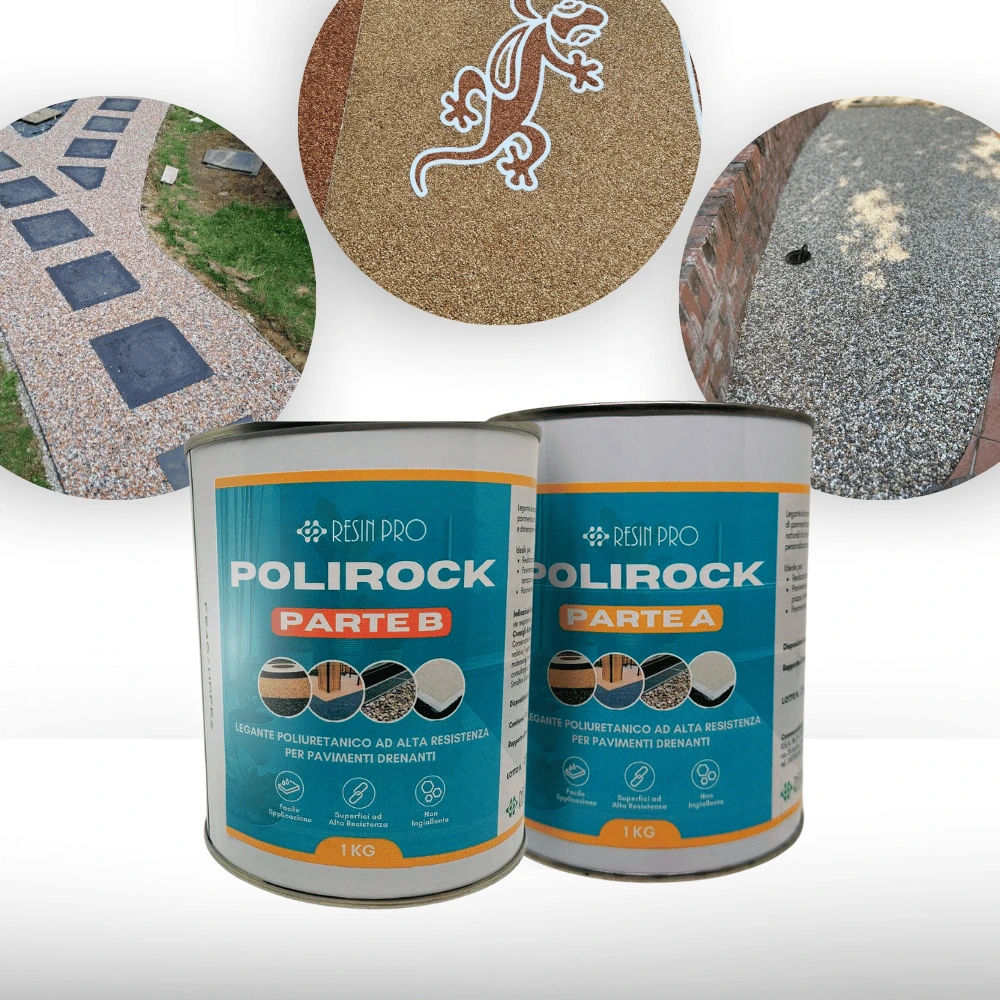 "Polirock" – Polyurethane Binder for White Stones, 2kg Two-Component Kit£61.95"Polirock" is a two-component polyurethane binder suitable for decorative and permeable outdoor stone surfaces in varied colours.
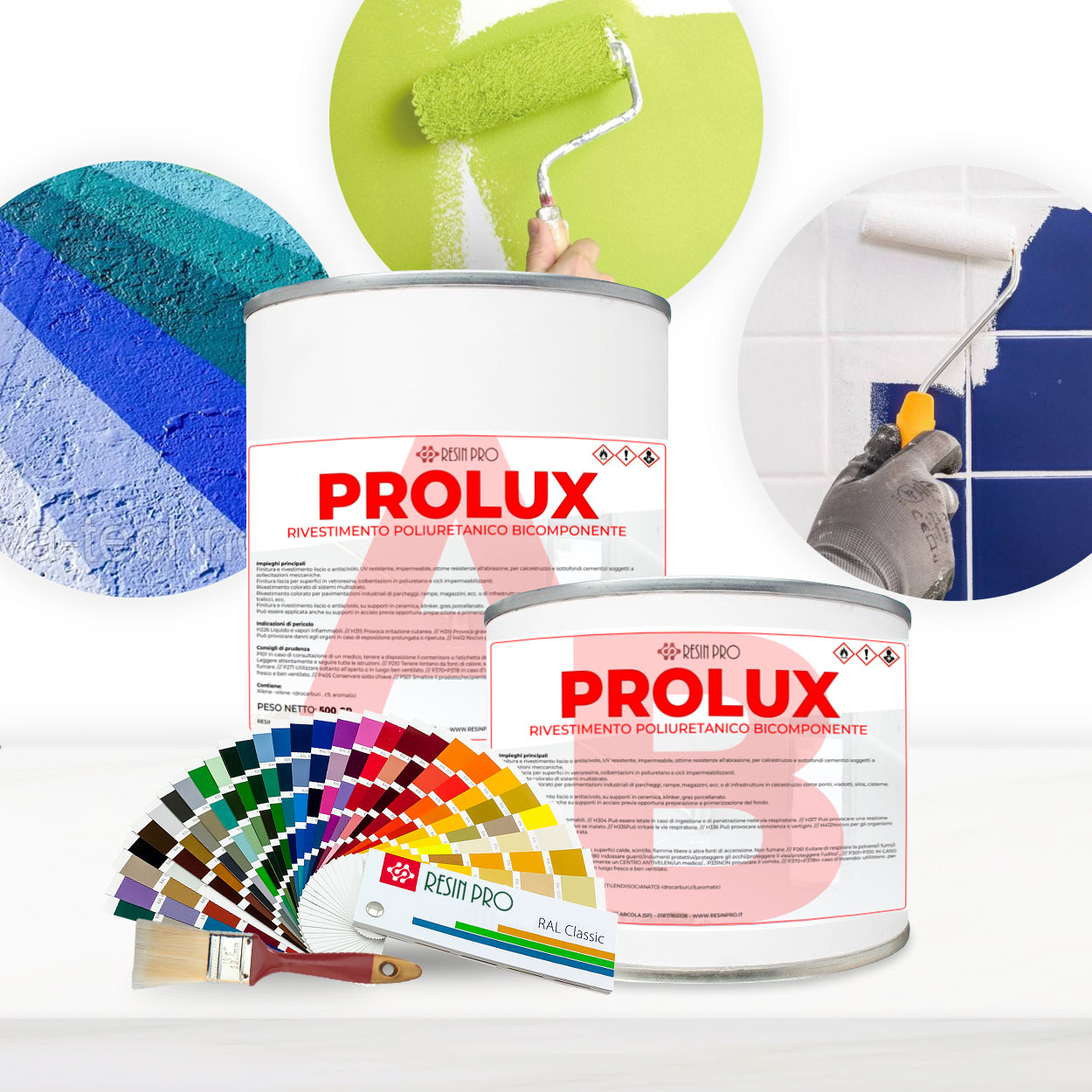 "Prolux" – PU coating for tiles, concrete, plastic and metal – suitable for driveable surfacesPrice range: £44.85 through £494.85"Prolux" is a polyurethane coating suitable for various surfaces, designed for use on floors and driveable areas with durable protection.
Frequently Asked Questions
Do I need to use different resins for each aggregate?
Yes, epoxy binders are recommended for coloured stones, while polyurethane binders are best for white stones to prevent yellowing.
Can I install a resin-bound floor myself or do I need a professional?
Most outdoor resin floors can be installed by DIY users if instructions are followed carefully and correct preparation is done.
How long does the resin floor take to cure?
Curing usually takes between 24–72 hours depending on weather, humidity, and floor thickness. Protect the area until fully set.
What base or subfloor do I need for laying resin and aggregate?
A stable, flat base such as concrete, asphalt or well-compacted sub-base is necessary for best structural support and longevity.
Can resin-bound stone floors be used on driveways or in high-traffic zones?
Yes, when installed correctly with suitable resin systems, they withstand both pedestrian and vehicle traffic over time.
How do I prevent yellowing or staining on my outdoor resin floor?
Choose a UV-stable polyurethane for white stones or an epoxy with UV stabilisers for coloured stones and avoid harsh chemical cleaners.
Can I install outdoor resin floor in any weather?
No, installation should be done in dry conditions with moderate temperature, avoiding freezing, rain, or very hot spells.