 Free shipping on orders over £29,85
  Shipping Tracking!


 Google
 Facebook
How do you coat an old wooden floor with resin?
Step-by-step guide for restoring timber floors with resin

Renewing an old wooden floor with resin delivers a durable, attractive surface that protects your timber for years to come. Whether you want to revitalise worn-out planks or add a glossy, contemporary finish, this guide walks you through every stage—from surface prep to applying a long-lasting, protective resin coating.
What You’ll Need
- “EpoxyWood” – Wood Restoration Epoxy Resin for Deep Penetration and Waterproofing – For repairing and reinforcing damaged timber.
- “Epoxyprimer” – Universal Water-Based Two-Component Epoxy Floor Primer – To ensure reliable adhesion of resin to the wooden floor.
- “Art Pro” – Clear Epoxy Resin for Artists and Surface Coating – For a high-gloss, clear decorative finish.
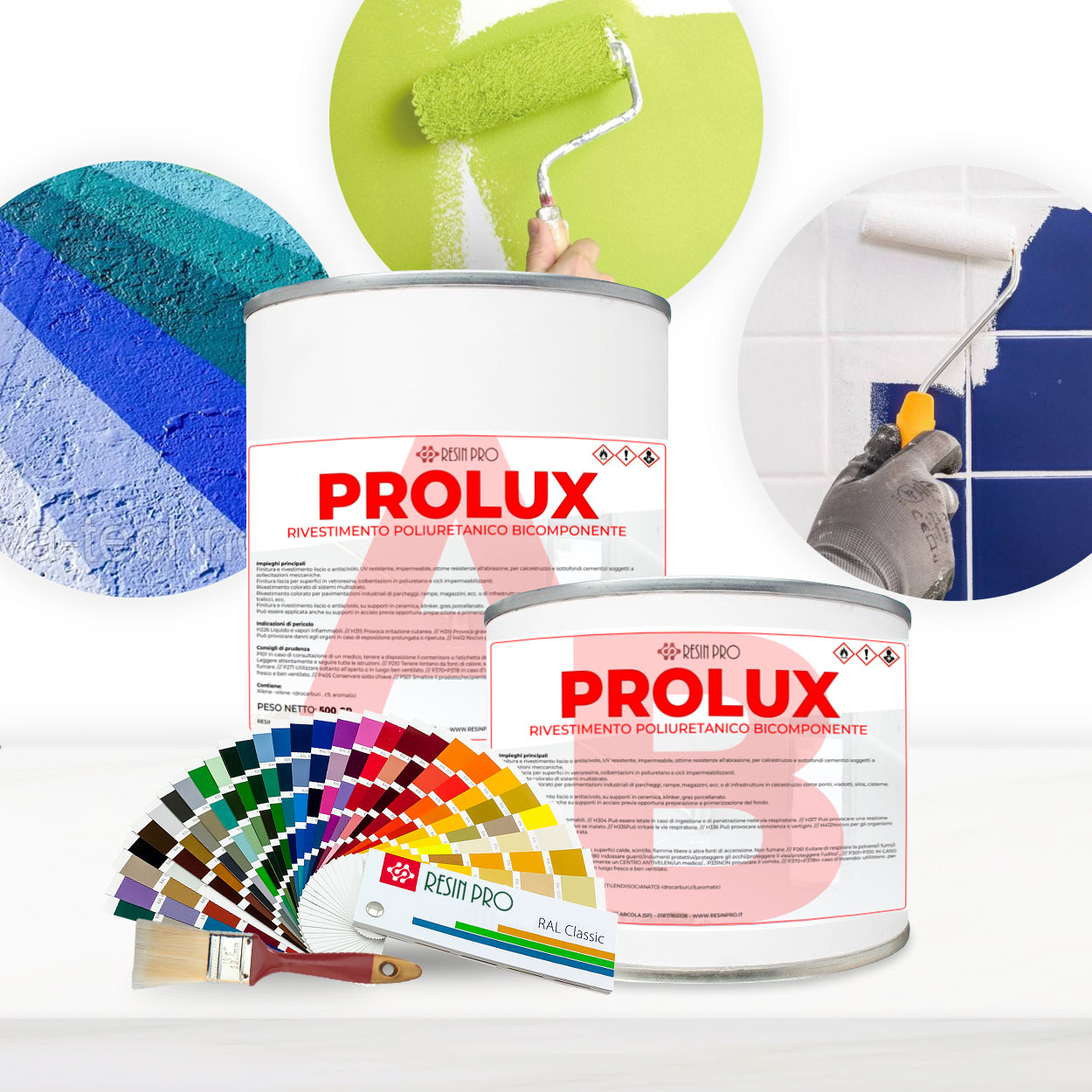
- “Prolux” – PU coating for tiles, concrete, plastic and metal – suitable for driveable surfaces – For hard-wearing, UV-resistant, colour or satin/gloss finishes.
- Protective gloves and mask
- Sandpaper or a sander (medium and fine grit)
- Roller, brush, or squeegee
- Cleaning supplies (vacuum, mop, detergent)
- Painter’s tape and dust sheets

Inspiration: Resin Over Timber Floors
Coating wooden floors with resin can provide remarkable visual transformations.
Many modern interiors use resin on timber to create both heritage and contemporary looks. Seamless finishes, high-gloss or coloured options, and improved resistance to moisture and wear are key benefits. If you are hesitant, start with a small area or old sample boards to build confidence before tackling your main floor.
Step 1: Prepare the Timber Surface
The future appearance and durability of your resin-coated floor depends on cleaning and prepping the wood thoroughly. Begin by removing all furniture and covering skirting boards with painter’s tape. Inspect the boards for protruding nails or staples and secure or remove as needed. Then sand the entire surface: start with medium grit to level and remove any old finish, followed by fine grit for smoothness. Remove all dust and debris using a vacuum and a damp (not wet) cloth to ensure complete cleanliness. Allow the floor to fully dry before proceeding.
Step 2: Address Repairs and Wood Restoration
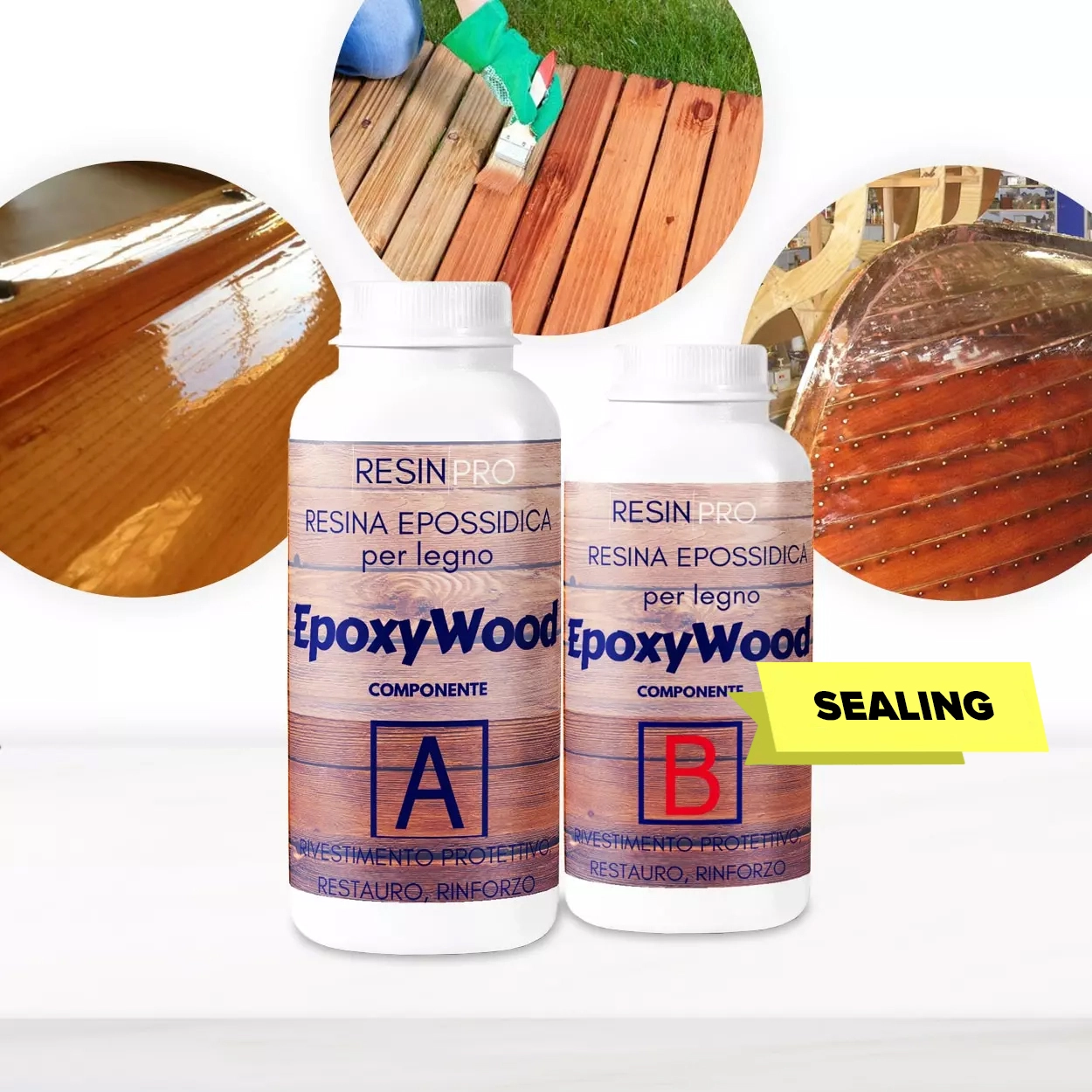
Look for cracks, holes, or areas where the timber is soft or degraded. It’s vital to fill cracks and repair damaged boards before any resin application for a uniform, stable substrate. For deeper repairs and to reinforce weakened sections, use a wood restoration resin like “EpoxyWood” – Wood Restoration Epoxy Resin for Deep Penetration and Waterproofing. This product penetrates the wood, hardening and waterproofing it to enhance the structural integrity and ensure your finish lasts.
Step 3: Prime for Strong Adhesion
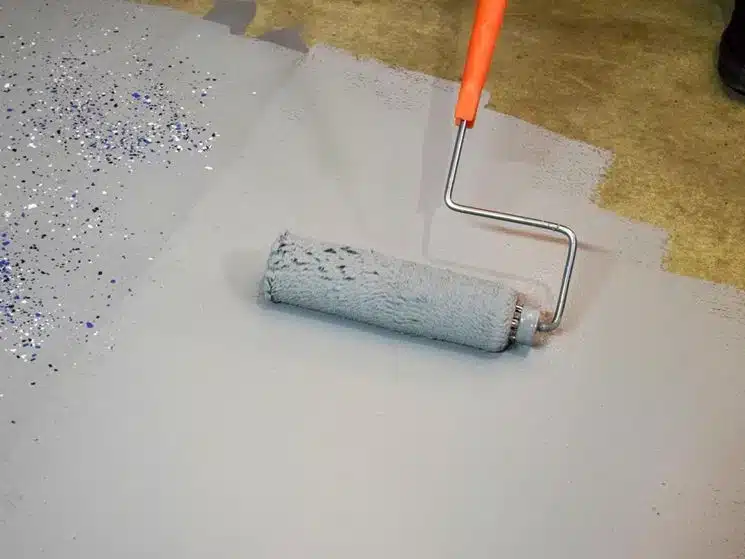
Applying a primer is crucial for bonding resin to old timber, especially where previous finishes or contaminants might prevent proper adhesion. Use a quality epoxy primer, such as “Epoxyprimer” – Universal Water-Based Two-Component Epoxy Floor Primer. Mix and apply according to the manufacturer’s instructions, using a roller or brush for even coverage. Allow to cure fully—typically 24 to 48 hours—before moving to the next layer. This step seals the wood, preventing air bubbles and uneven absorption in the final resin coats.
Step 4: Apply Resin Topcoats
Once the primer has cured, select your finish coats carefully to match the use and aesthetic of your space. For a durable, glass-like, or artistic effect, apply a clear epoxy resin such as “Art Pro” – Clear Epoxy Resin for Artists and Surface Coating. Mix according to the recommended 3:2 ratio and pour in even sections, using a spatula or roller to spread. Allow each layer to cure fully before adding another if needed. If you require a coloured, satin, or high-traffic finish, consider a polyurethane topcoat like “Prolux” – PU coating for tiles, concrete, plastic and metal – suitable for driveable surfaces, which is ideal for busy households or commercial use thanks to its abrasion resistance and optional non-slip properties.
Tips and Common Mistakes to Avoid
Patience with preparation is key—don’t rush the sanding or allow moisture left on the boards. Ensure wood is fully dry before priming. Always use compatible products; never apply resin over waxed or oily surfaces without removing contaminants. Watch out for air bubbles when pouring topcoats and deal with them using a heat gun or torch. Finally, always maintain adequate ventilation when using resins, even those marked safe for indoor use.
Project Gallery: Wooden Floor Resin Results
Resin-coated timber floors bring out the unique character of each board while protecting against traffic and spills.
Use Art Pro for a high sheen or Prolux for matt or coloured effects. Finished projects often blend traditional charm with a fresh, easy-to-clean surface that lasts for years.

- "Epoxyprimer" – Universal Water-Based Two-Component Epoxy Floor PrimerPrice range: £156.45 through £286.45"Epoxyprimer" is a water-based two-component epoxy floor primer suitable for preparing timber and other surfaces in resin coating projects.
- "EpoxyWood" – Wood Restoration Epoxy Resin for Deep Penetration and WaterproofingPrice range: £27.95 through £41.95EpoxyWood is a wood restoration epoxy resin designed for deep penetration and waterproofing, suitable for repairing and protecting wooden surfaces.
- "Prolux" – PU coating for tiles, concrete, plastic and metal – suitable for driveable surfacesPrice range: £44.85 through £494.85"Prolux" is a polyurethane coating suitable for floors and varied surfaces, offering a durable finish available in gloss or satin.
- "Art Pro" – Clear Epoxy Resin for Artists and Surface CoatingPrice range: £19.95 through £267.95"Art Pro" clear epoxy resin provides a durable, scratch-resistant finish ideal for artistic coatings on decorative surfaces.
Frequently Asked Questions
Can I use standard resin to coat an old wooden floor?
While you can, using a primer and a product designed for wood restoration first gives better adhesion and durability for resin on timber.
How do I prevent bubbles forming when coating a wooden floor with resin?
Seal and prime the timber, then remove bubbles as you pour resin using a heat gun or torch—work slowly for best results.
Is resin coating for floors slip-resistant?
Clear resin can be slippery, but you can add a non-slip additive or use a matte or textured polyurethane topcoat for added safety.
How long does the resin need to cure before the floor can be used?
Most resin systems require at least 24 to 48 hours to cure fully, but check the manufacturer’s guidance for heavy use or multiple coats.
What if my timber floor is uneven before coating with resin?
Fill gaps with timber repair resin and sand flat to achieve a level base before applying primer and resin layers.
Is resin coating suitable for all types of wood floors?
Resin works on most wood species, though oily or waxed woods require extra preparation to ensure good adhesion.
How do I maintain my resin-coated timber floor?
Sweep regularly and avoid abrasive cleaners; use a damp mop and recoat with resin or polyurethane if the surface dulls over time.