 Free shipping on orders over £29,85
  Shipping Tracking!


 Google
 Facebook
How to use two-component resin for waterproofs?
Step-by-step waterproofing for wood, floors, and more
Waterproofing with two-component resin provides reliable, long-lasting protection for wood, stone, concrete, tiles, and more. Whether you’re safeguarding a boat hull, refurbishing a floor, or creating sturdy outdoor surfaces, mastering this technique ensures surfaces become fully sealed against water and weather. This comprehensive guide will take you through every essential step for a professional, durable result.

What You’ll Need
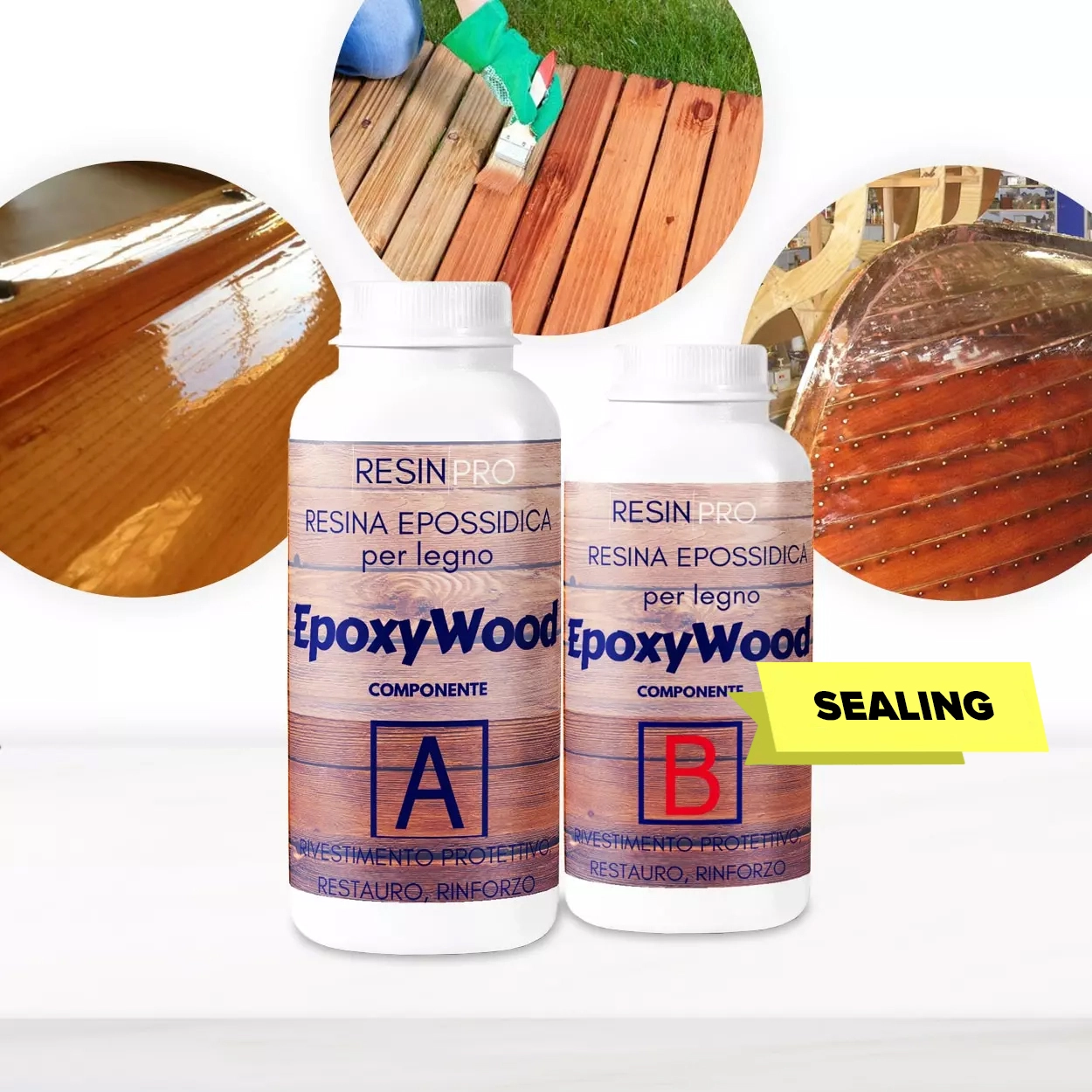
- “EpoxyWood” – Wood Restoration Epoxy Resin for Deep Penetration and Waterproofing: Perfect for deep waterproofing and reinforcing wood.
- “Epoxyprimer” – Universal Water-Based Two-Component Epoxy Floor Primer: Ideal for priming concrete, timber, or tiles prior to resin systems.
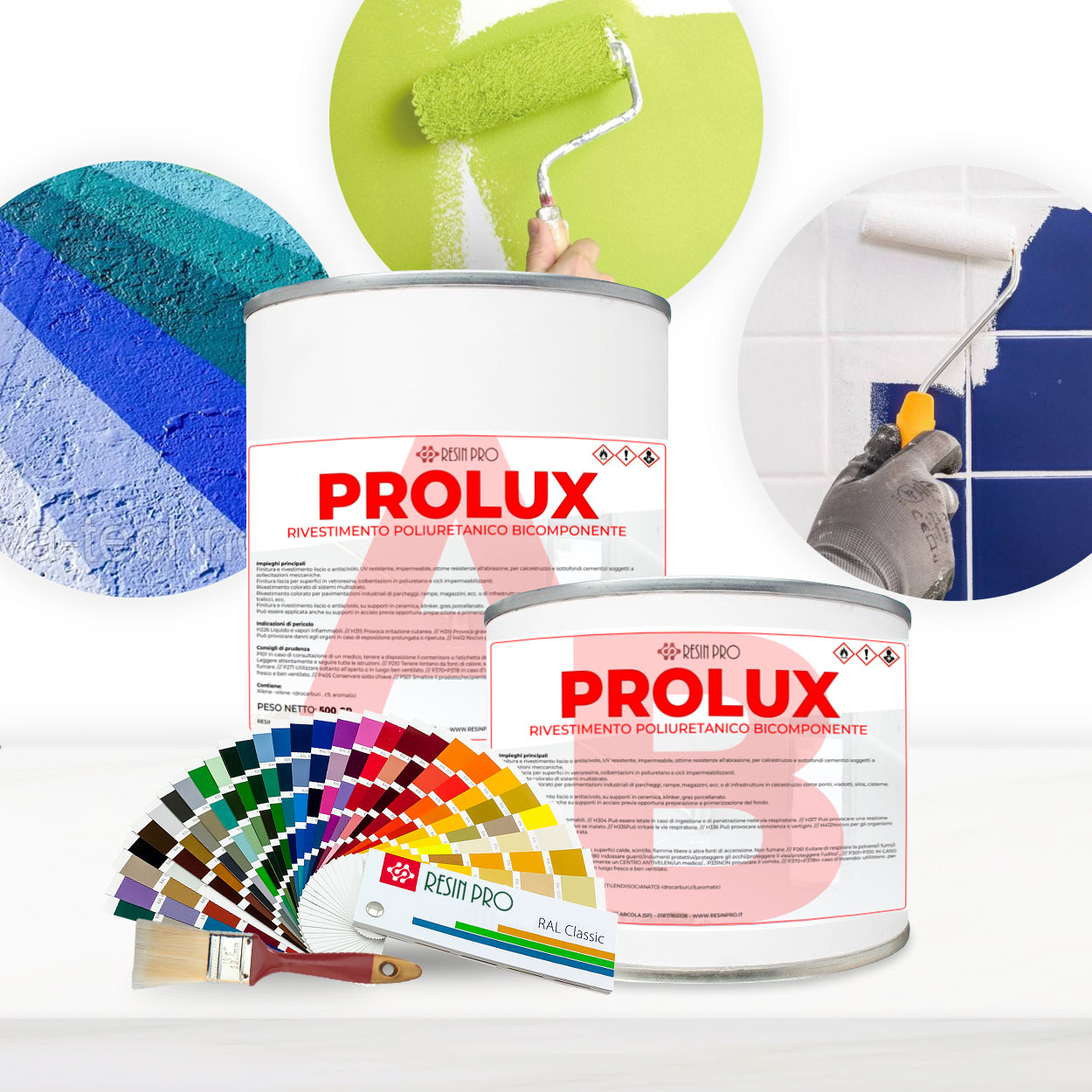
- “Prolux” – PU coating for tiles, concrete, plastic and metal – suitable for driveable surfaces: Provides tough, waterproof, decorative finishes across multiple surfaces.
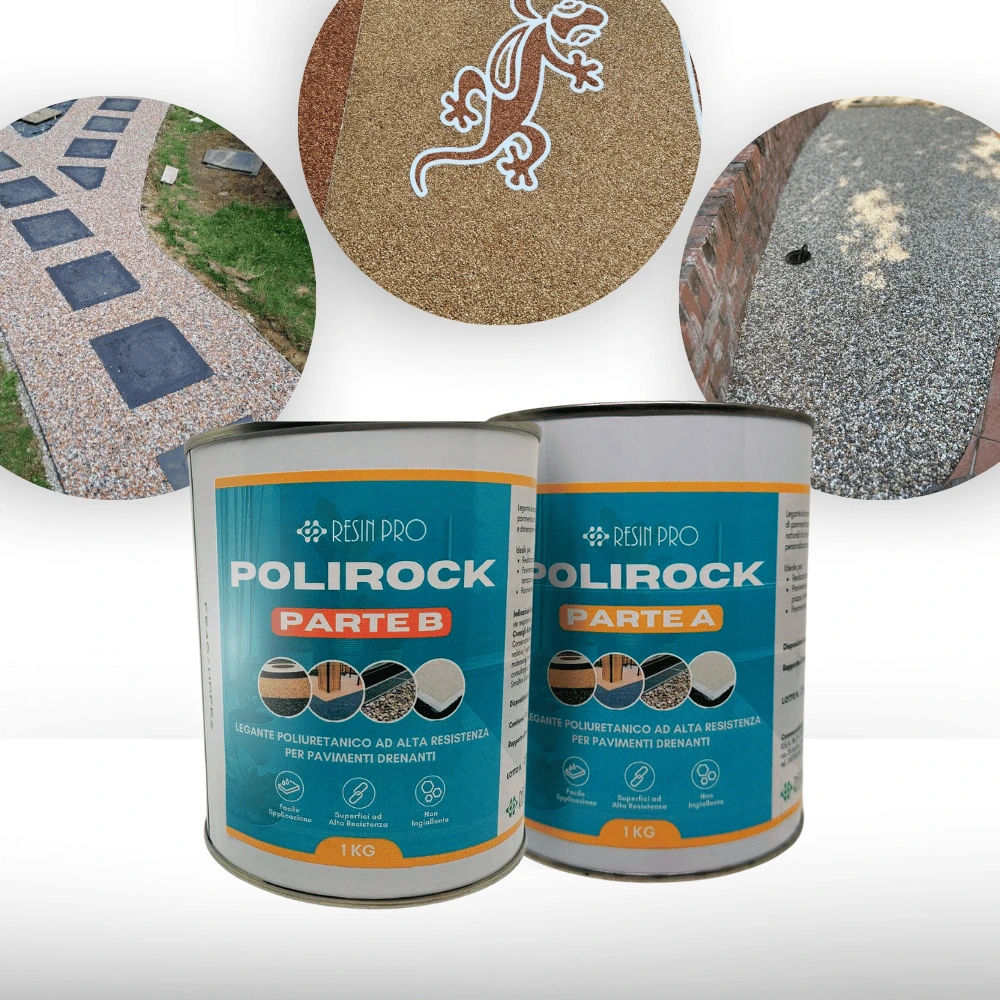
- “Polirock” – Polyurethane Binder for White Stones, 2kg Two-Component Kit: For creating permeable and weather-resistant decorative stone finishes outdoors.
- Protective gloves, goggles, and mask
- Cleaning supplies (detergent, lint-free cloths, sandpaper)
- Mixing containers and spatulas or mechanical mixer
- Brush, roller, or trowel (depending on surface)
Visual Guide: Preparing and Mixing Two-Component Resins
Clear workspace, prepared substrate, and measured components are key to a successful result. Always lay out your tools, ensure mixing cups and spatulas are clean, and inspect the surface closely before you begin—this avoids common errors and saves time in later steps.
Step 1: Prepare the Surface
Successful waterproofing starts with a flawlessly prepared surface. Ensure surfaces are clean, dry, and free from contaminants such as oil, dust, rust, or mildew. For wood, sand thoroughly to open the grain and remove any old coatings. On concrete or stone, repair any cracks, fill holes, and vacuum debris. Tiles or metals should be degreased. This ensures the best bond and a sealed, lasting result. Always wait for surfaces to dry completely before proceeding.

Step 2: Setup for Safety and Mixing
Prioritise personal and environmental safety. Always wear gloves, eye protection, and a mask. Work in a well-ventilated area. Before mixing, read your specific product instructions as ratios and mixing times vary. Using a clean mixing container, pour part A and part B in the recommended ratio. Mix components thoroughly as per instructions—incomplete mixing can cause weak spots or incomplete curing.
Step 3: Apply the Resin System
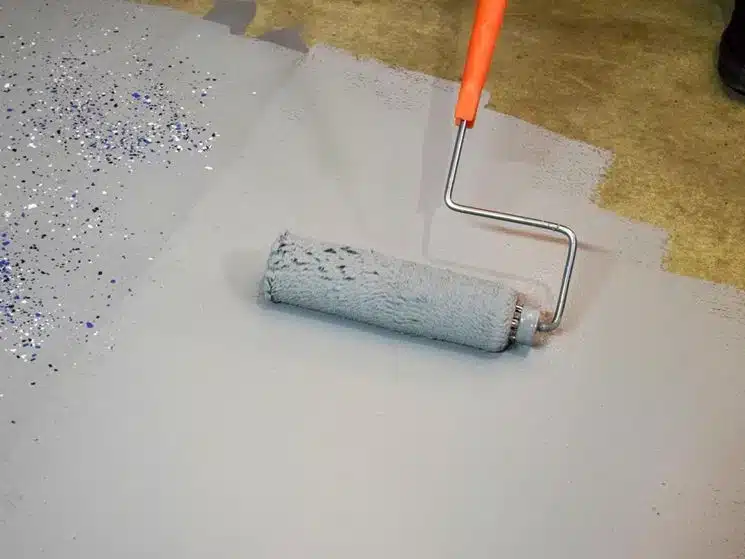
Application technique depends on substrate and the chosen resin type. For wood, use a brush or roller with long strokes to allow deep penetration; consider a product such as “EpoxyWood” – Wood Restoration Epoxy Resin for Deep Penetration and Waterproofing which is specially designed for thorough impregnation and sealing. For priming concrete or tiles before main resin flooring, roll on a thin, even layer using a primer like “Epoxyprimer” – Universal Water-Based Two-Component Epoxy Floor Primer. For driveable or wet areas, apply a coating such as “Prolux” – PU coating for tiles, concrete, plastic and metal – suitable for driveable surfaces with a roller or trowel, ensuring even coverage and a seamless waterproof layer. On outdoor aggregate or gravel surfaces, disperse stones with “Polirock” – Polyurethane Binder for White Stones, 2kg Two-Component Kit and trowel to desired thickness.
Never mix more resin than can be used within the pot life, as two-component systems begin curing rapidly once combined. Apply the freshly mixed resin promptly for best results.
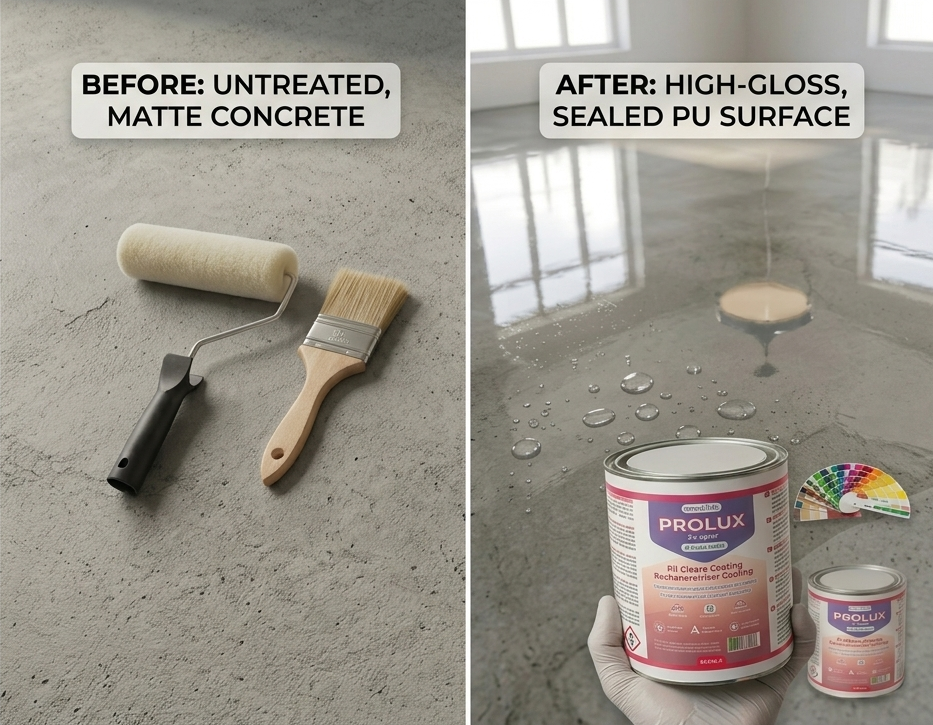
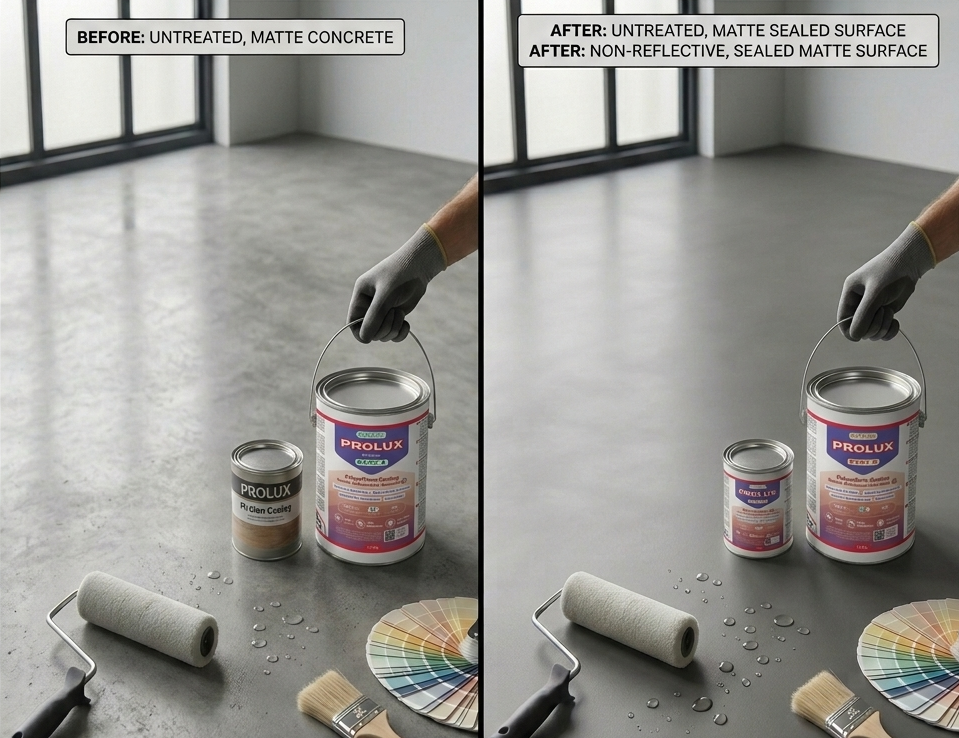
Step 4: Finishing Touches and Curing
After application, check for any pooling, missing areas, or air bubbles—smooth or pop these while the resin is still workable. Keep the treated area clean and protected from water, dust, and impact during cure times. Curing durations differ, but a minimum of 24–48 hours is standard for most two-component systems.
Allow full curing time before exposure to water or heavy use. Optimal curing not only ensures peak waterproofing, but also resilience against wear and UV for outdoor jobs.
Tips, Common Mistakes, and Troubleshooting
Always measure and mix thoroughly; unmixed resin may remain sticky or fail to cure. If working in cold temperatures, allow extra time for curing and avoid applying resin if rain or excessive humidity is expected. Uneven surface? Check for missed spots and re-coat as soon as the previous layer is touch-dry but not fully cured for maximum adhesion.
Store leftover resin components separately, tightly sealed in a cool, dry place. Dispose of unmixed leftovers according to local guidelines. If a surface feels tacky after several days, too little hardener or improper mixing may be to blame—lightly sand and reapply a fresh coat with correct ratios.

Gallery: Waterproofed Surfaces with Two-Component Systems
Spot the difference: fully sealed wood grain, glossy floors, and weatherproof stone finishes are all achievable with the right products. Well-applied two-component resin not only protects but enhances a surface’s appearance for years to come.
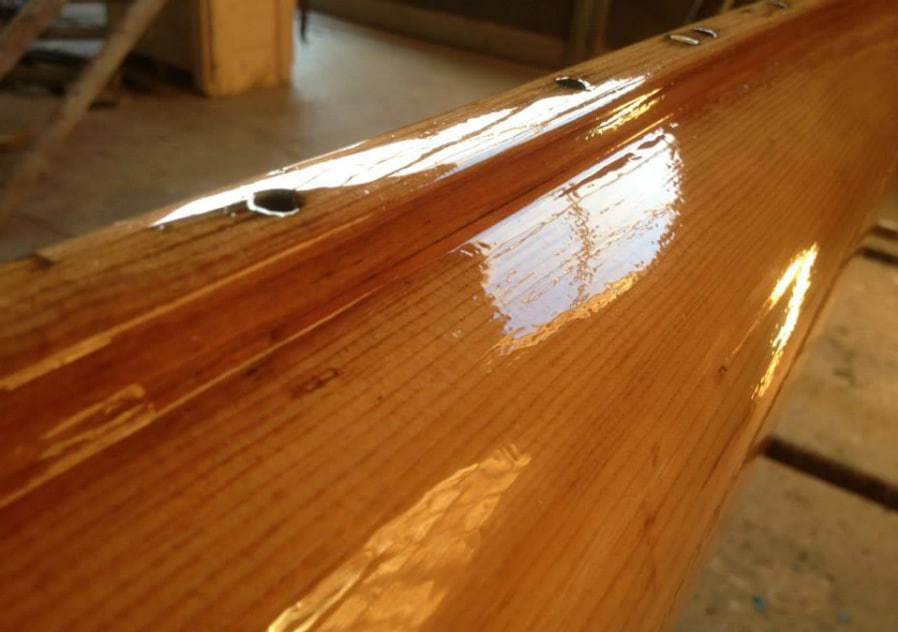
- "EpoxyWood" – Wood Restoration Epoxy Resin for Deep Penetration and WaterproofingPrice range: £27.95 through £41.95EpoxyWood resin is designed for reinforcing and waterproofing wooden surfaces with a natural finish and eco-conscious formula.
- "Epoxyprimer" – Universal Water-Based Two-Component Epoxy Floor PrimerPrice range: £156.45 through £286.45"Epoxyprimer" is a water-based two-component epoxy floor primer designed for reliable adhesion on various surfaces, suited for waterproofing use.
- "Prolux" – PU coating for tiles, concrete, plastic and metal – suitable for driveable surfacesPrice range: £44.85 through £494.85"Prolux" PU coating offers a durable polyurethane finish suitable for various surfaces with gloss or satin options.
- "Polirock" – Polyurethane Binder for White Stones, 2kg Two-Component Kit£61.95POLIROCK is a two-component polyurethane binder designed for decorative, permeable stone surfaces with weather resistance and no yellowing.
Frequently Asked Questions
How do I choose the right two-component resin for a project?
Match the resin system to your surface: use wood-penetrating resins for timber, specialised primers for floors, and polyurethane binders for outdoor aggregates.
Why is surface preparation so important?
Unclean or damp surfaces reduce adhesion, causing failures in waterproofing. Clean, dry, and sanded substrates help ensure a lasting, effective seal.
How long should I wait before exposing to water?
Most two-component systems require at least 24–48 hours before water exposure. Check the specific product instructions for exact curing times.
What happens if I mix the resin incorrectly?
Incorrect ratios or poor mixing can lead to soft or sticky surfaces and incomplete waterproofing. Always follow the recommended guidelines closely.
What tools are best for applying two-component resin?
Rollers and brushes suit wood and floors, while trowels or spatulas work for aggregate surfaces. The right tool ensures an even, thorough application.
What should I do if the resin stays tacky?
If resin fails to cure after several days, it may need sanding and a correct fresh coat. Review your mixing and measure ratios carefully next time.