 Free shipping on orders over £29,85
  Shipping Tracking!


 Google
 Facebook
← Back to How are resin bells made?
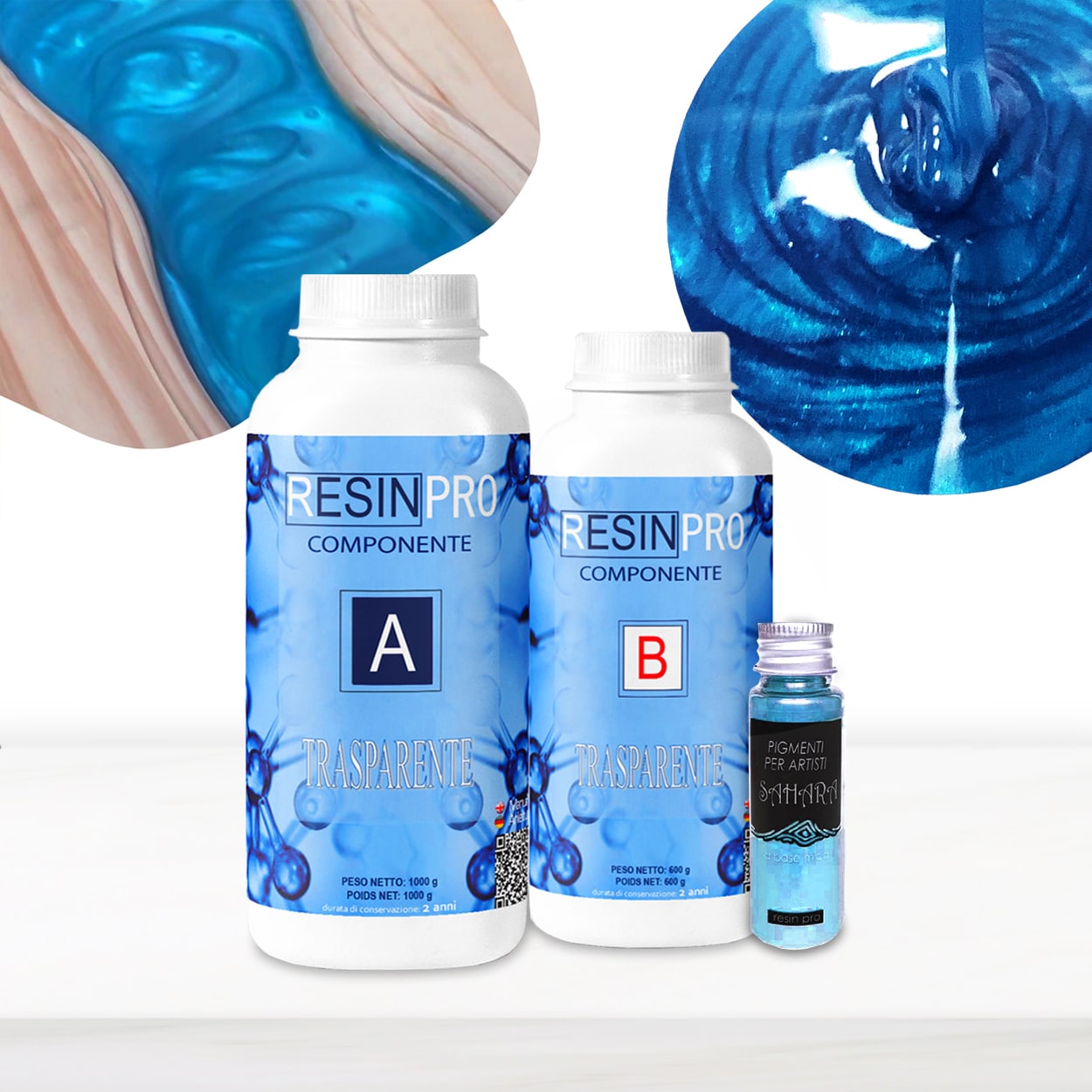

The right resin makes all the difference when casting decorative bells. Selecting one well-suited to detail and clarity ensures your finished bells look their best and last for years.
Choosing the Ideal Resin for Bell Casting
For bell casting, a crystal-clear epoxy resin with a straightforward mixing process usually offers the best results. Epoxy resins specifically designed for craft projects pour smoothly, capture fine details, and cure to a glossy finish—qualities that are essential for decorative bells. A kit like the “Trasparente” Epoxy Resin Kit provides both clarity and versatility, with options to add vibrant pigments for a unique touch. When selecting resin, check for features like self-levelling properties and a simple mix ratio, which simplify the process and reduce the risk of bubbles or imperfections.
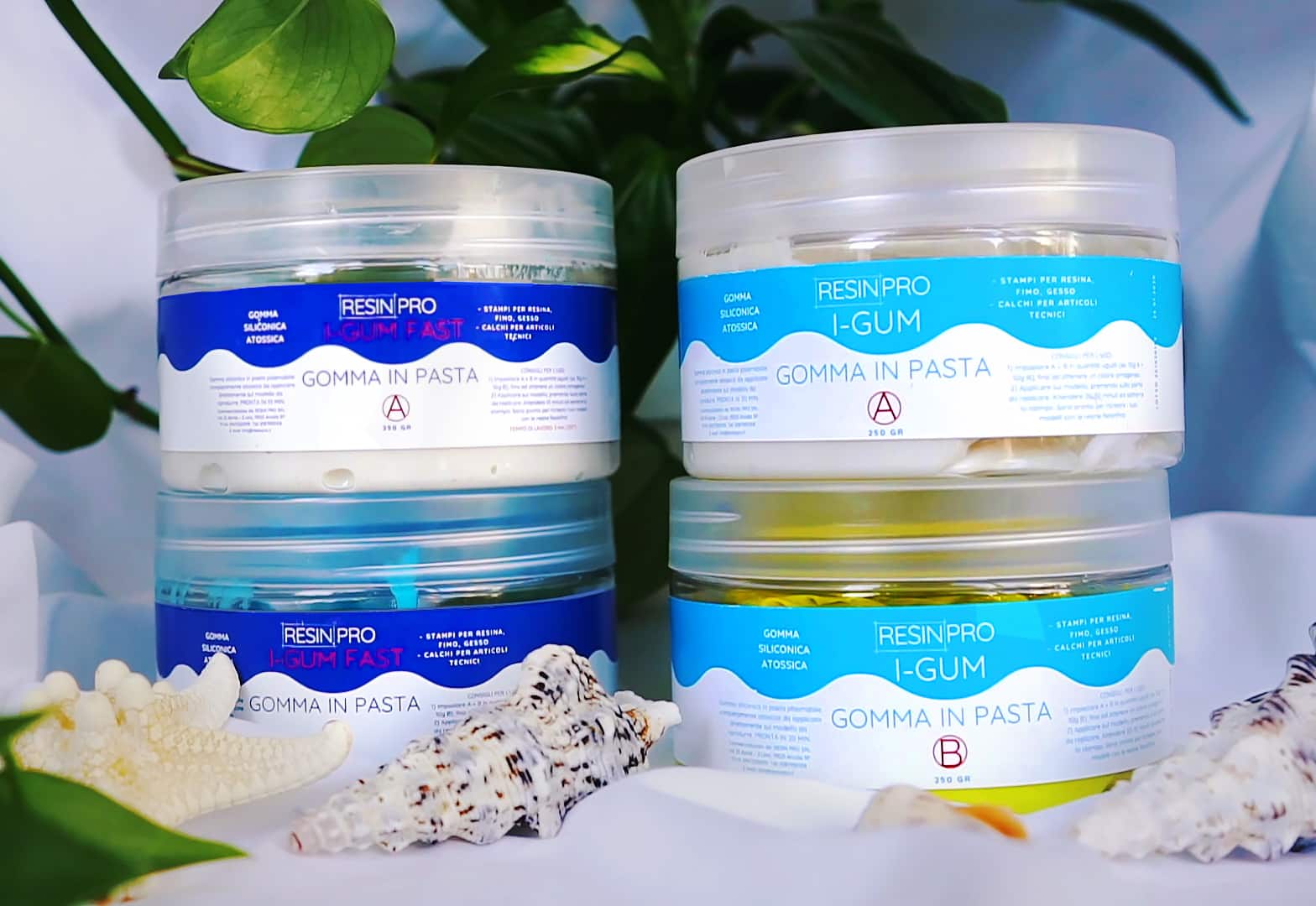
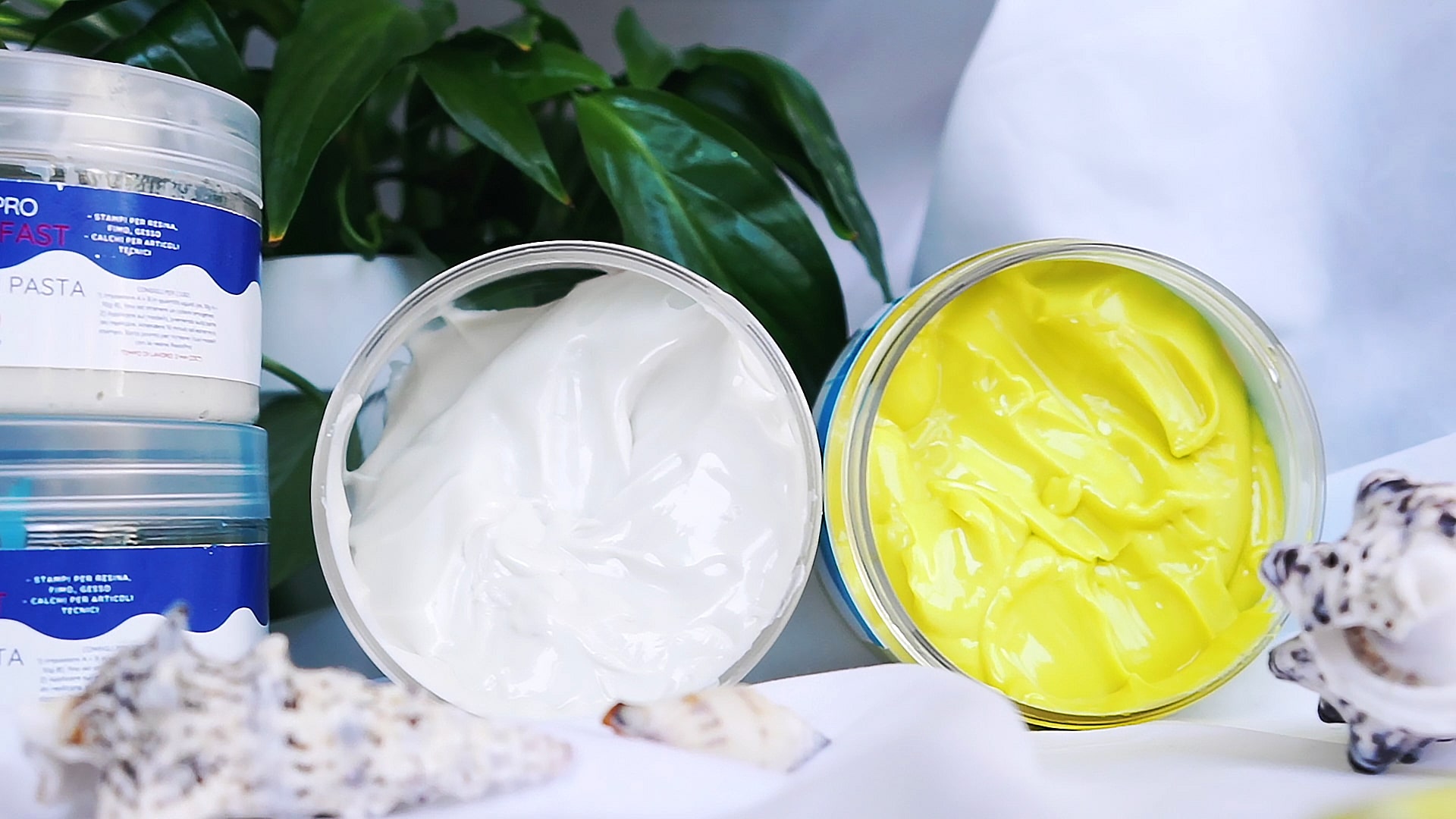
Mixing and Pouring Tips
Getting the mixing and pouring process right is crucial. Epoxy resins with a 1:1 mixing ratio, such as the “One-2-One” Epoxy Resin, are especially user-friendly, making them suitable even for beginners. Always stir components thoroughly and pour slowly into your bell mould to avoid introducing air bubbles. Ensure your mould is clean and, if needed, lightly coated with a release agent before casting.
When Quick Curing Matters
If you’re short on time or working on festive bell projects, consider a fast-curing UV resin kit, like the UV Resin Kit with 5 Christmas Silicone Moulds. UV resins can set within minutes under a UV lamp and are ideal for smaller or seasonal bells where speed and efficiency are priorities. Be aware that a UV lamp is required for curing these types of resins.
Related products
Related guides
Finding the right resin is a vital step in creating stunning resin bells. For a more detailed look at the process from mould creation to casting, see our main guide on how resin bells are made.