 Free shipping on orders over £29,85
  Shipping Tracking!


 Google
 Facebook
How to repair the outdoor resin porch?
Step-by-step guide for long-lasting porch restoration outside
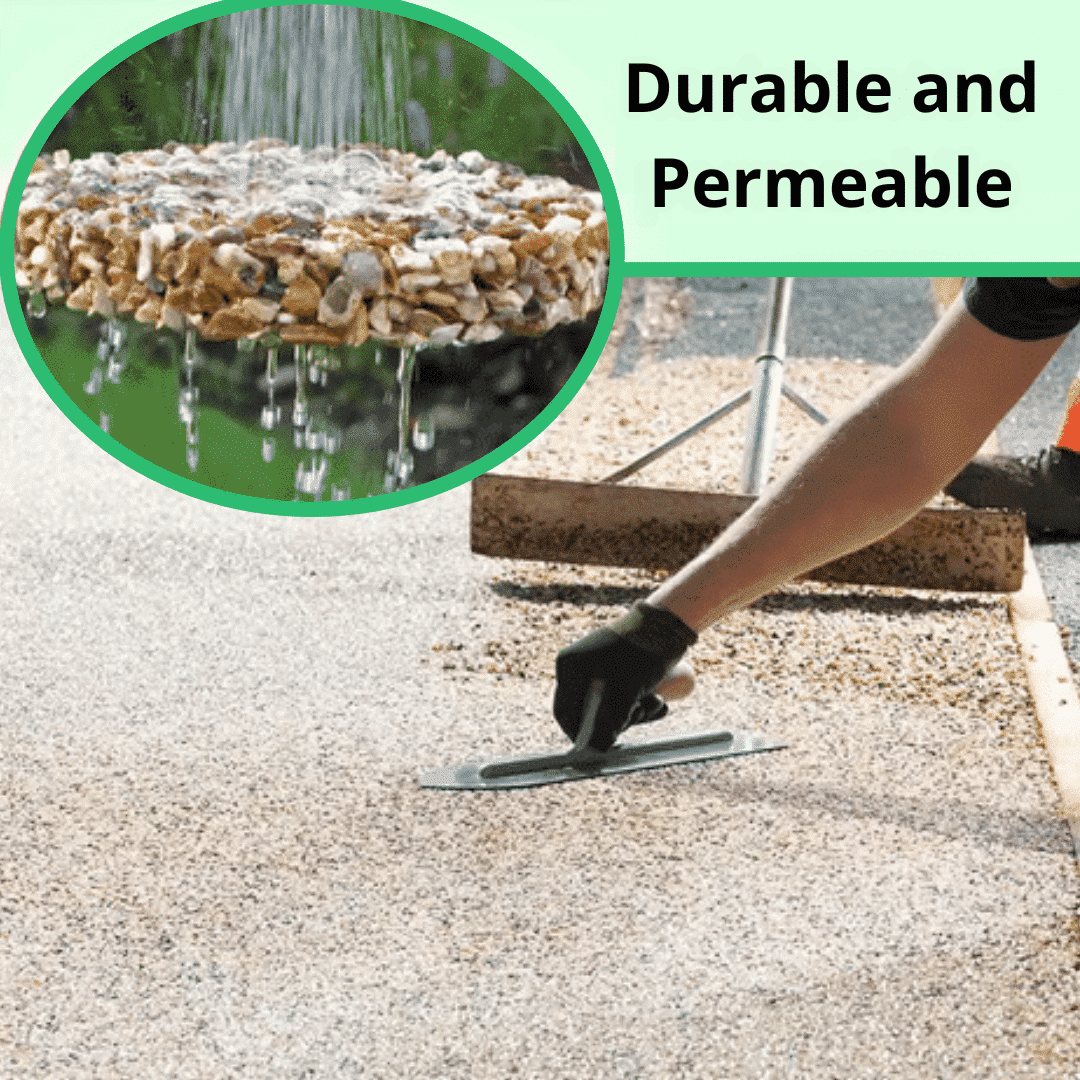
Over time, constant exposure to weather, foot traffic, and seasonal cycles can cause visible wear, cracks, or patches on your outdoor resin porch. Prompt, careful repair maintains both safety and appearance, restoring a durable, weather-resistant surface ready to handle the British climate. This guide outlines proven techniques for bringing your porch back to its best.
What You’ll Need
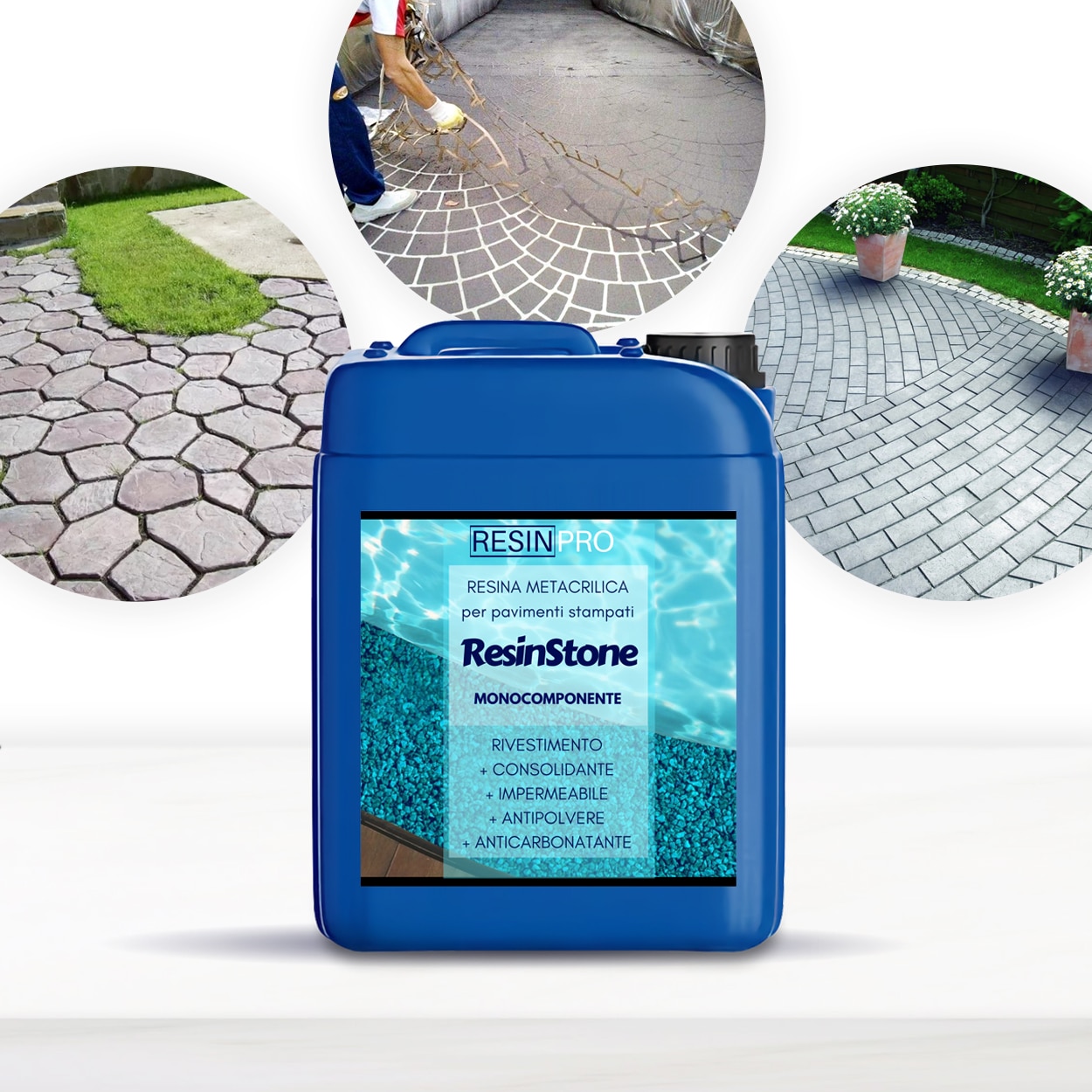
- “Resinstone” – One-Component Methacrylic Resin for Concrete Floors and Driveways: For sealing and protecting concrete bases.
- “Flowstone” – Complete Permeable Floor Kit with Pebbles and Resin: Full kit for pebble-based, permeable repairs.
- “Trasparente” – Epoxy Binder for Coloured Pebbles and Grits: For clear, UV-resistant repairs on coloured pebble surfaces.
- “Polirock” – Polyurethane Binder for White Stones, 2kg Two-Component Kit: Best choice for white stone finishes in high-exposure areas.
- Protective gloves, mask, and eye protection
- Wire brush, broom, or pressure washer
- Mixing bucket, spatula/trowel, and masking tape

Essential Tools and Materials for Porch Repair
Resin repair success begins with choosing the right binder for your surface, ensuring proper compatibility and longevity. Equip yourself with safety gear and quality cleaning tools to create a perfect preparation base, and work methodically through each step for professional-level results.
Step 1: Inspect and Prepare the Surface
Start by assessing the entire porch area for cracks, flaking resin, loose stones, or faded patches. Clear all furniture and sweep away loose debris with a broom. Use a wire brush or a pressure washer to remove dirt, algae, or moss, ensuring there are no contaminants left to interfere with bonding.
Clean thoroughly before repair; moisture or stubborn grime can prevent new resin from adhering to the old surface, leading to further issues down the line. Allow the porch to dry completely before moving to the next step.
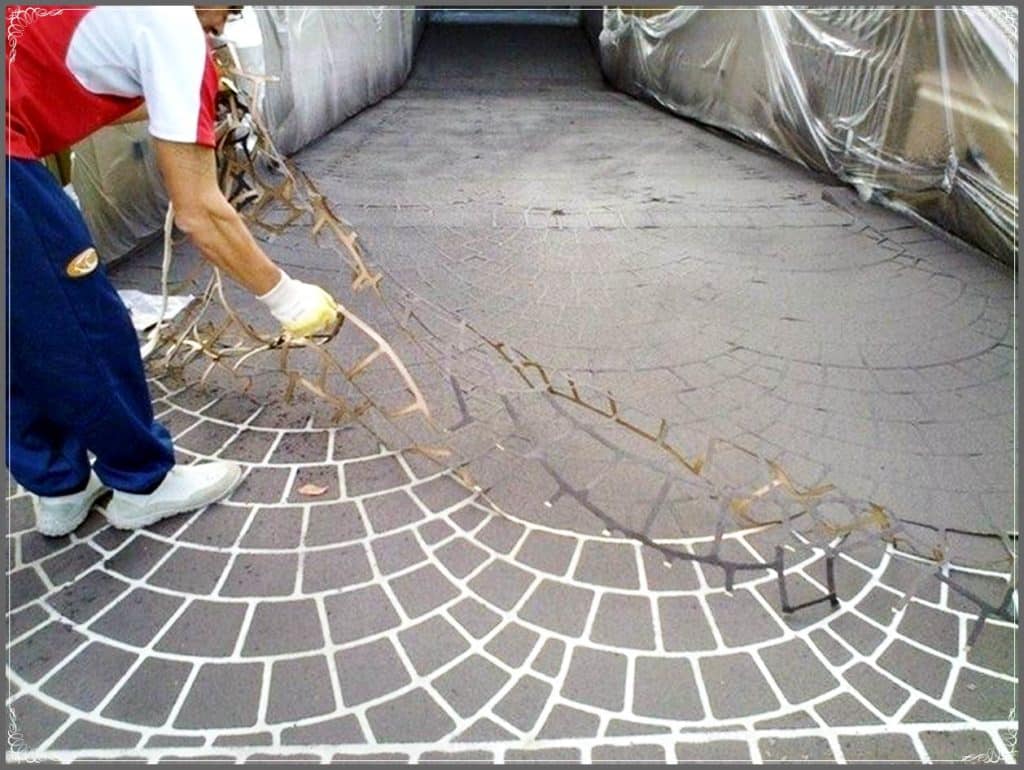
Step 2: Repair Cracks and Fill Damaged Areas
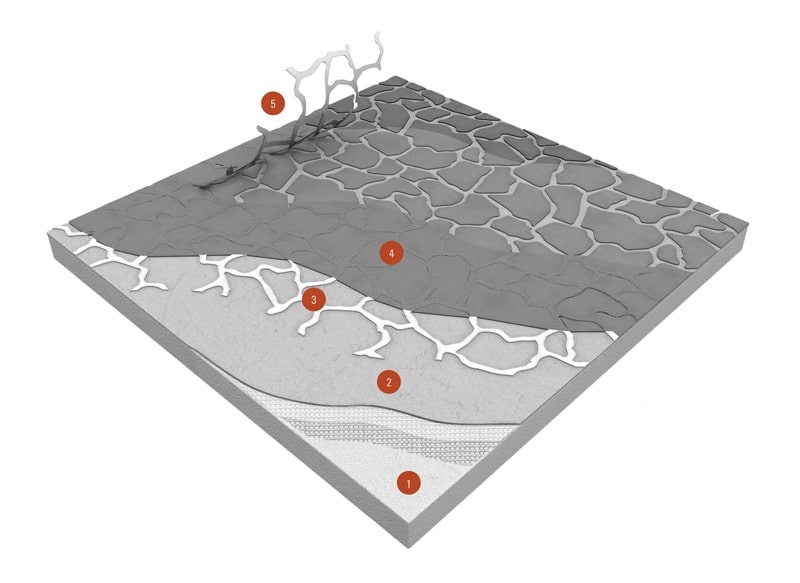
Closely examine any cracks, holes, or patches of loose aggregate. Remove any weak or crumbly material with a scraper or trowel. Widen cracks slightly if necessary for better resin penetration. Use masking tape to mark the repair boundaries, keeping patch edges clean.
When repairing a concrete base, select a resin like “Resinstone” – One-Component Methacrylic Resin for Concrete Floors and Driveways for deep, breathable sealing and lasting protection at the crack site. For pebble or decorative surfaces, mix fresh gravel with a suitable binder such as “Trasparente” – Epoxy Binder for Coloured Pebbles and Grits for coloured stones or “Polirock” – Polyurethane Binder for White Stones, 2kg Two-Component Kit for white stones, and fill the void. Compact gently for a flush finish.
Step 3: Mix and Apply the Resin or Binder
Wearing gloves and eye protection, carefully mix the resin or binder following manufacturer instructions. Only mix what you can apply within the resin’s open time to avoid waste.
For broad surface repairs or rejuvenation, use a prepared kit like “Flowstone” – Complete Permeable Floor Kit with Pebbles and Resin. Spread the mixture using a spatula or trowel, pressing firmly to ensure full contact with the damaged area. Maintain an even, level finish so the repaired section integrates seamlessly with the existing porch.
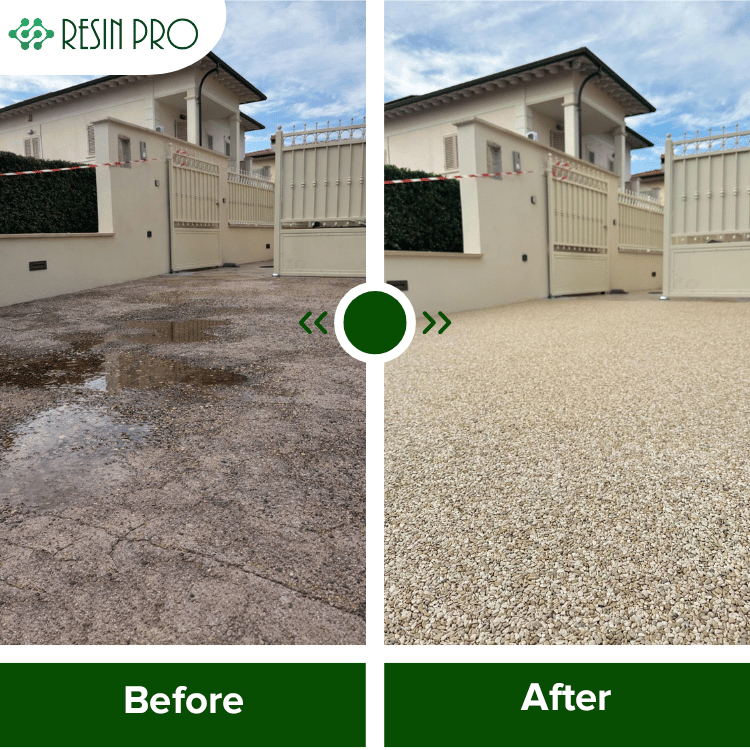
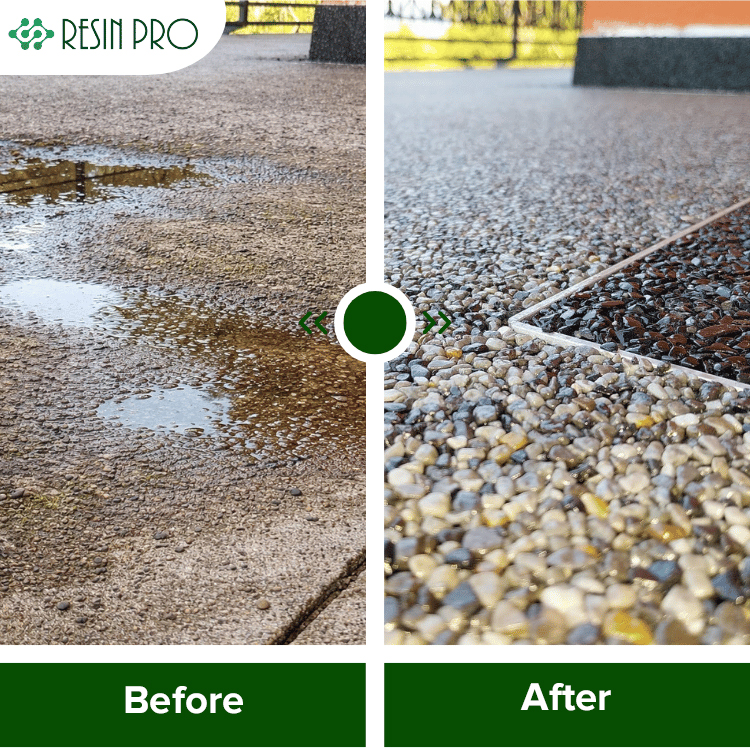
Step 4: Seal Edges and Allow for Curing
Neatly remove masking tape while the resin is still tacky. Where patches meet old surfaces, feather out the edge with a trowel for smooth blending. Follow recommended drying and curing times, avoiding foot traffic or placing objects on the area until fully hardened—usually 12 to 24 hours, depending on product and weather.
Seal edges for a professional finish and allow full cure before use to ensure maximum durability and an even, water-resistant surface.
Tips and Common Mistakes
Always check the weather forecast; avoid rainy or humid days for resin application as excess moisture can cause whitening or bubbling. Never pour resin directly onto loose gravel—always mix first for stable, even coverage. Wear protection and ventilate the area, especially when working with strong adhesives or chemical binders. Keep repair thickness and resin ratios consistent for every patch and blend carefully for a neat, unobtrusive finish.
If repairing over white stones, select a non-yellowing binder such as “Polirock” – Polyurethane Binder for White Stones, 2kg Two-Component Kit to maintain colour clarity. For coloured aggregates, use “Trasparente” – Epoxy Binder for Coloured Pebbles and Grits for a UV-stable, clear finish.
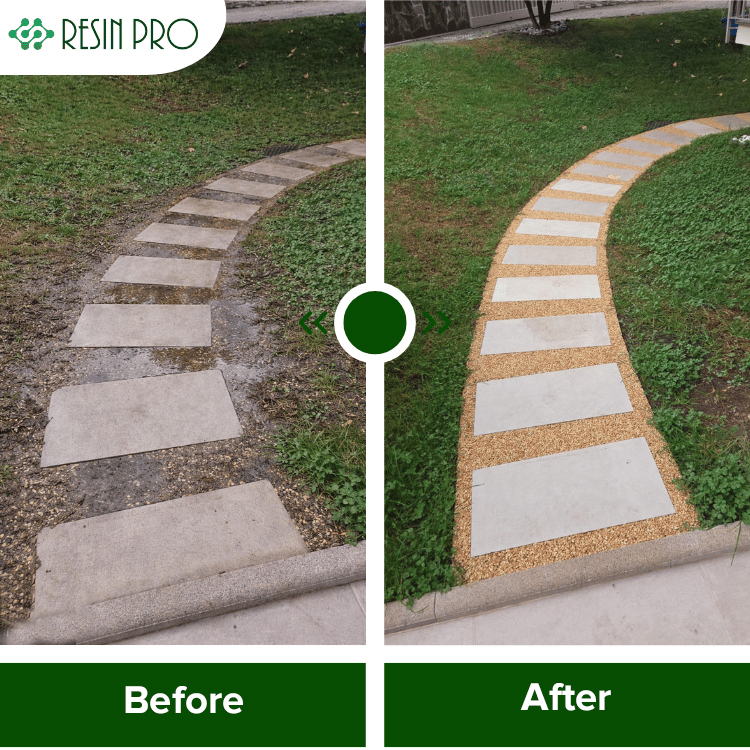
Before and After: Repaired Resin Porch Results
A well-repaired resin porch rewards your effort with restored safety, visual appeal, and weather protection. Compare your transformed space with its original state to appreciate the value of attentive surface repair and correct resin application.
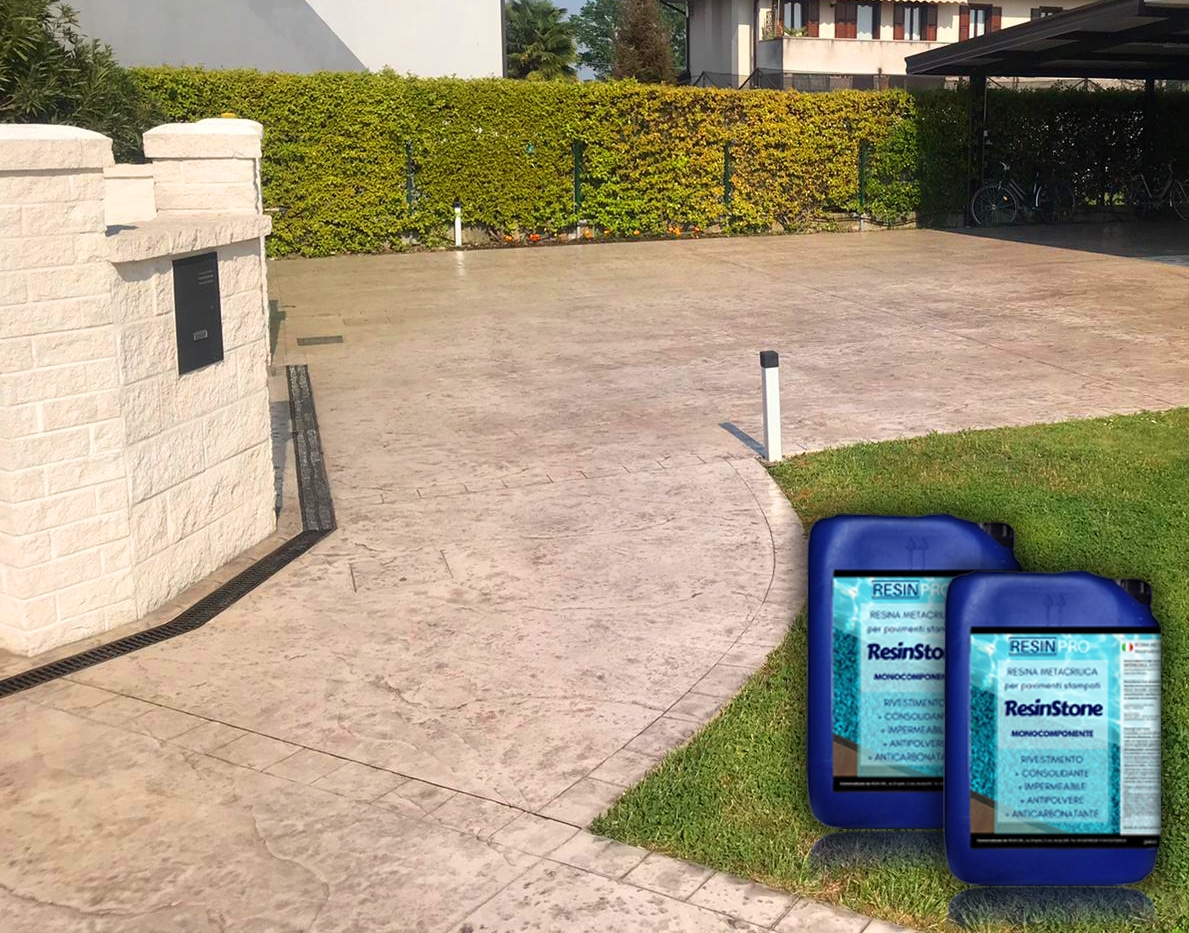
- "Resinstone" – One-Component Methacrylic Resin for Concrete Floors and DrivewaysPrice range: £36.71 through £336.48RESINSTONE is a one-component methacrylic resin designed for sealing concrete floors and driveways with durable protective properties.
- "Flowstone" – Complete Permeable Floor Kit with Pebbles and ResinPrice range: £49.95 through £3,915.45"Flowstone" is a permeable, durable pebble and resin floor kit designed for outdoor use in the UK, with guidance for correct resin selection.
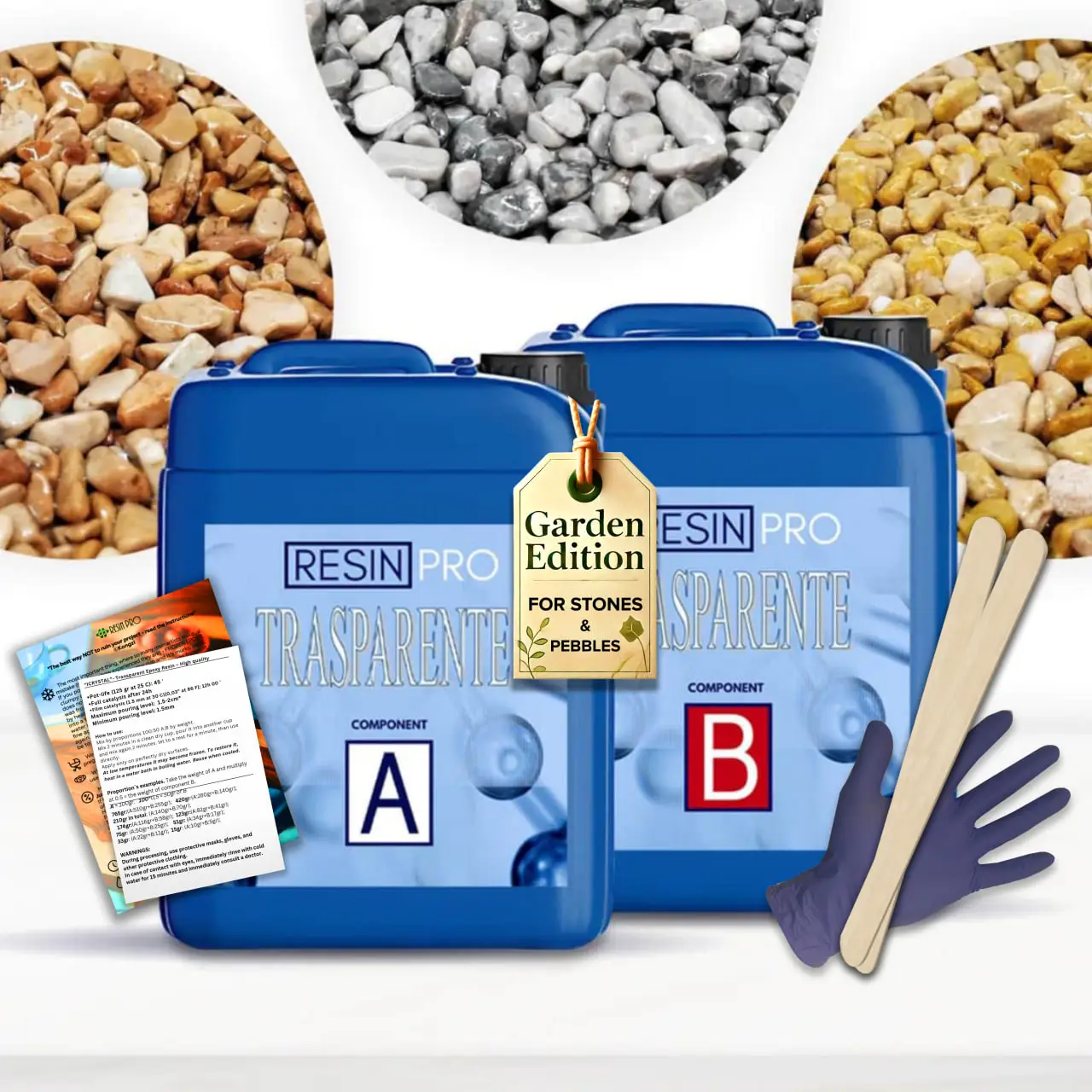 "Trasparente" – Epoxy Binder for Coloured Pebbles and GritsPrice range: £33.45 through £397.95"Trasparente" provides a clear, UV-resistant epoxy binder suitable for coloured pebbles, ideal for outdoor flooring repairs.
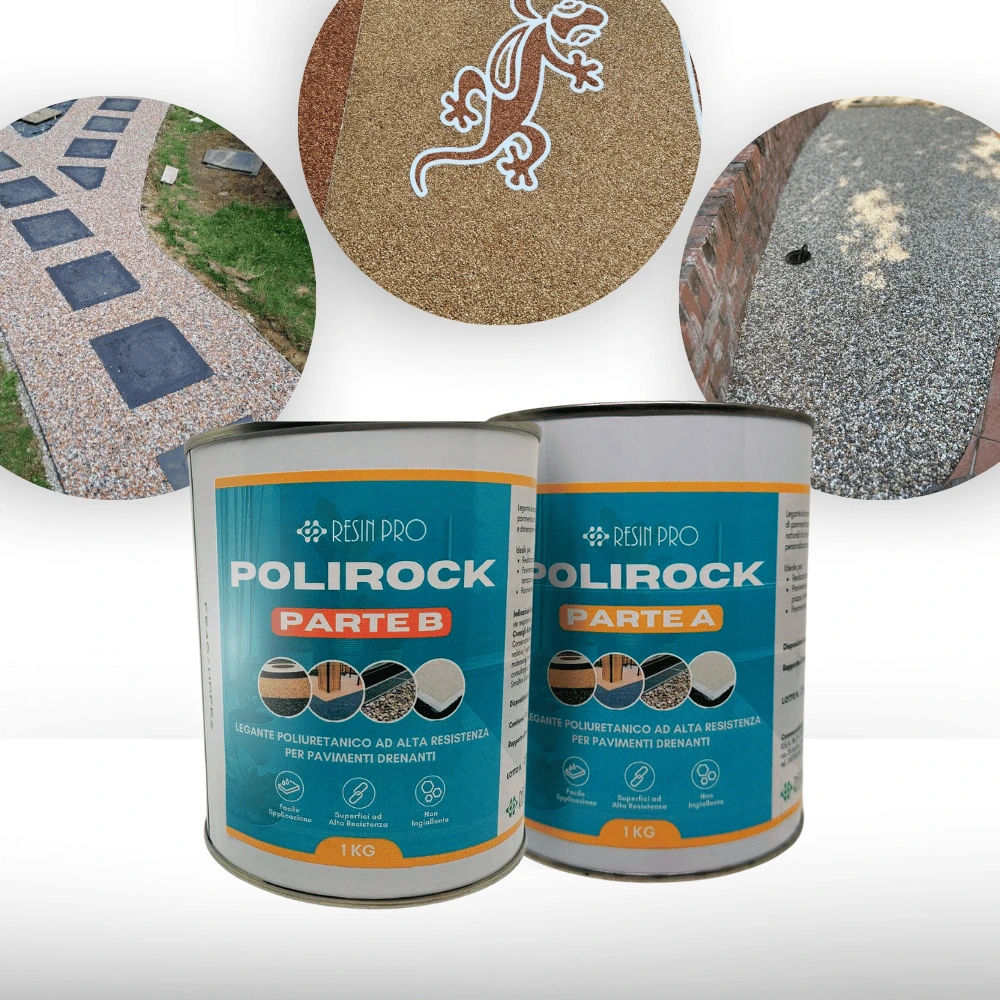 "Polirock" – Polyurethane Binder for White Stones, 2kg Two-Component Kit£61.95"Polirock" polyurethane binder is designed for weather-resistant, decorative outdoor white stone surfaces, suitable for DIY and professional projects.
Frequently Asked Questions
Can I repair my resin porch myself?
Yes, with the correct products and careful preparation, most repairs can be done by a competent DIYer without professional help.
Which type of resin should I use for concrete or pebble porches?
For concrete, use a methacrylic resin like Resinstone. For pebble or stone surfaces, select epoxy or polyurethane binders matched to your aggregate colour.
What mistakes should I avoid during resin porch repair?
Avoid neglecting surface preparation, applying resin in damp conditions, or using the wrong binder for your aggregate type. Always mix thoroughly.
How long does resin porch repair take to cure?
Resin typically cures within 12 to 24 hours for light use, but check your product's instructions for precise guidance.
How should I prepare my porch before applying resin?
Remove all dirt, algae, oils, and debris; ensure the surface is completely dry before application.
Can I repair over existing resin layers?
You can, provided the old surface is clean, structurally sound, and properly abraded for strong adhesion.
Is resin porch repair weatherproof?
When using the appropriate exterior resin, the repair will be highly durable and protect against rain, UV, and general wear.