 Free shipping on orders over £29,85
  Shipping Tracking!


 Google
 Facebook
How do you cover an outdoor floor with resin?
A step-by-step guide for lasting, weatherproof outdoor surfaces
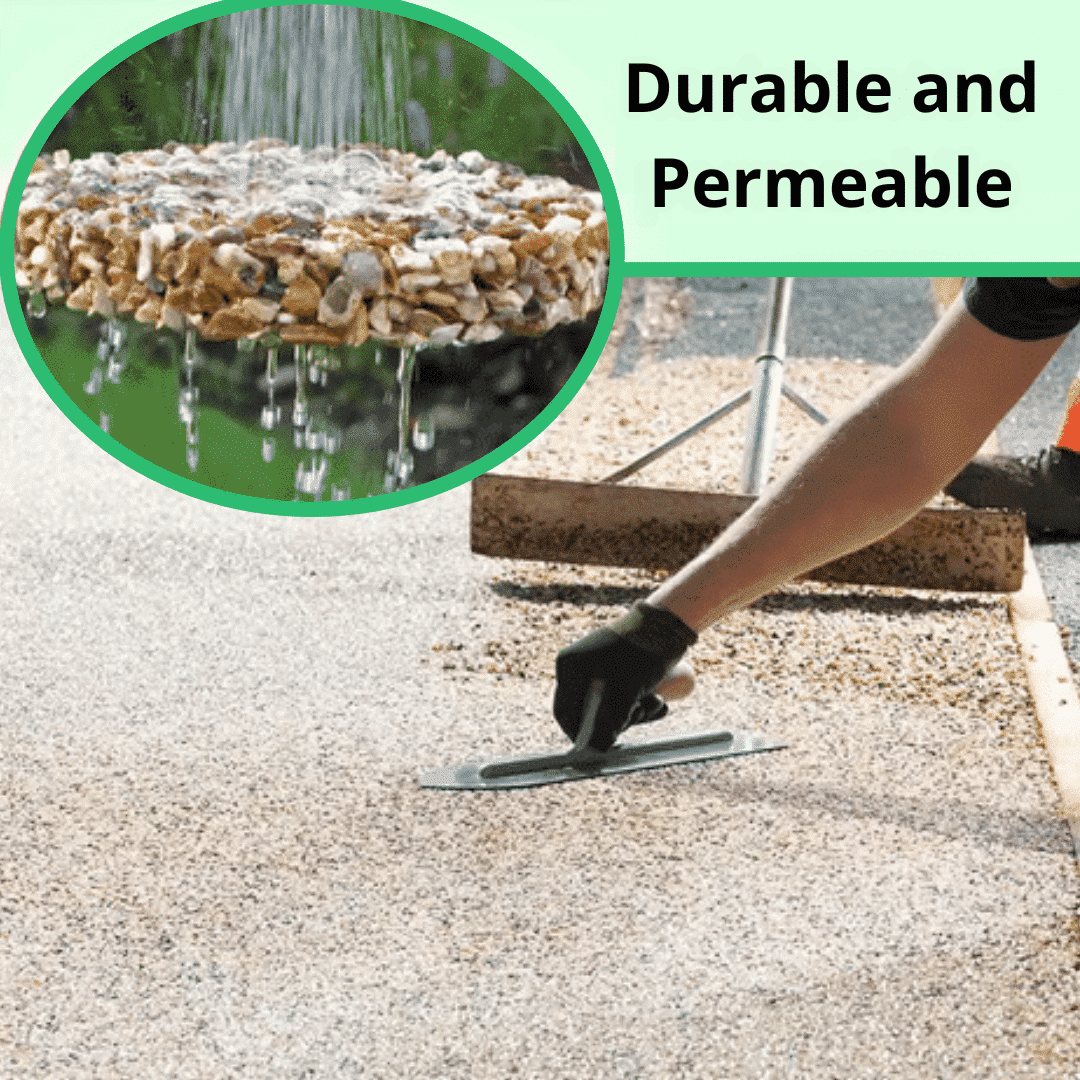
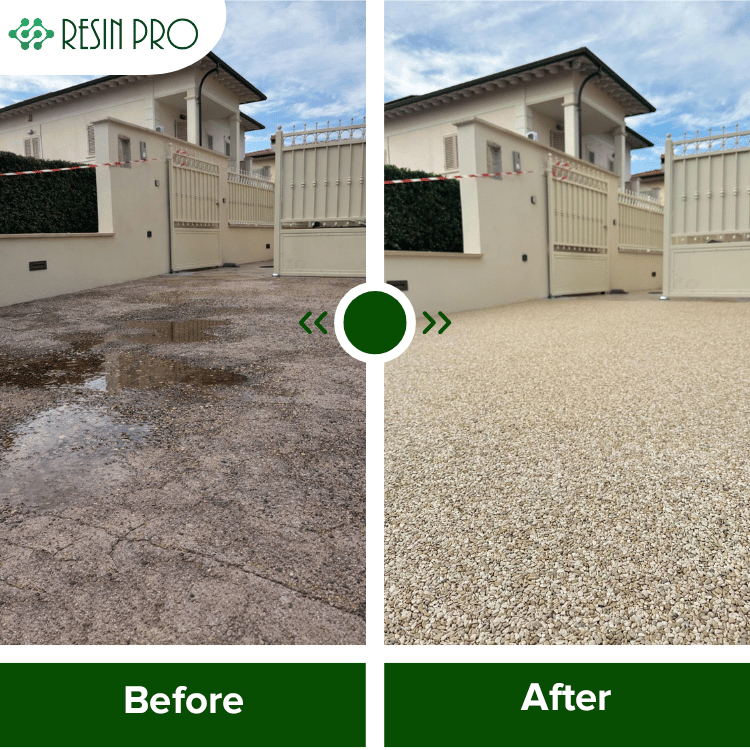
Creating a seamless, durable and visually appealing outdoor floor is simple when you use the right resin and follow a clear installation method. Whether you want to refresh a driveway, path or patio, adding a resin coating can protect against weather, provide a modern look, and create a permeable surface that reduces puddling. This guide details each stage, focusing on techniques and timing, so you can confidently achieve professional results on a wide range of outdoor surfaces.
What You’ll Need
- “Flowstone” – Complete Permeable Floor Kit with Pebbles and Resin: Ideal for creating permeable, decorative stone floors on driveways, patios or paths.
- “Trasparente” – Epoxy Binder for Coloured Pebbles and Grits: Suited for vibrant or dark-coloured stone aggregate surfaces needing UV stability.
- “Polirock” – Polyurethane Binder for White Stones, 2kg Two-Component Kit: The best match for white or light-coloured stone floors where non-yellowing resin is essential.
- “Resinstone” – One-Component Methacrylic Resin for Concrete Floors and Driveways: For sealing and protecting bare concrete surfaces before or after decorative finishes.
- Protective gloves, mixing paddle/bucket, trowel or float, masking tape/plastic sheeting, and a stiff broom or vacuum for cleaning.
Visual Guide: Outdoor Resin Flooring in Action
See step-by-step visuals illustrating how to prepare, mix, and lay resin-bound stone flooring outdoors. Notice the difference in surface quality and colour vibrancy when using the correct resin binder on each aggregate type. Effective surface preparation and proper product selection are the keys to a lasting result.
Step 1: Prepare the Surface
Achieving a strong, long-lasting resin finish always begins with thorough surface preparation. Remove any loose debris, dust, moss or existing flaking coatings. For solid bases such as concrete or tarmac, clean thoroughly and allow to dry. Where possible, use a pressure washer for a deep clean and ensure the surface is completely free from standing water before proceeding. Edge protection using masking tape or plastic sheeting helps prevent accidental resin spills onto adjacent areas.
If you intend to seal a bare concrete base for improved durability and adhesion, a coat of “Resinstone” – One-Component Methacrylic Resin for Concrete Floors and Driveways can be applied as a primer layer. Allow this to dry thoroughly (usually within 12 hours) before continuing.

Step 2: Select and Mix the Resin System
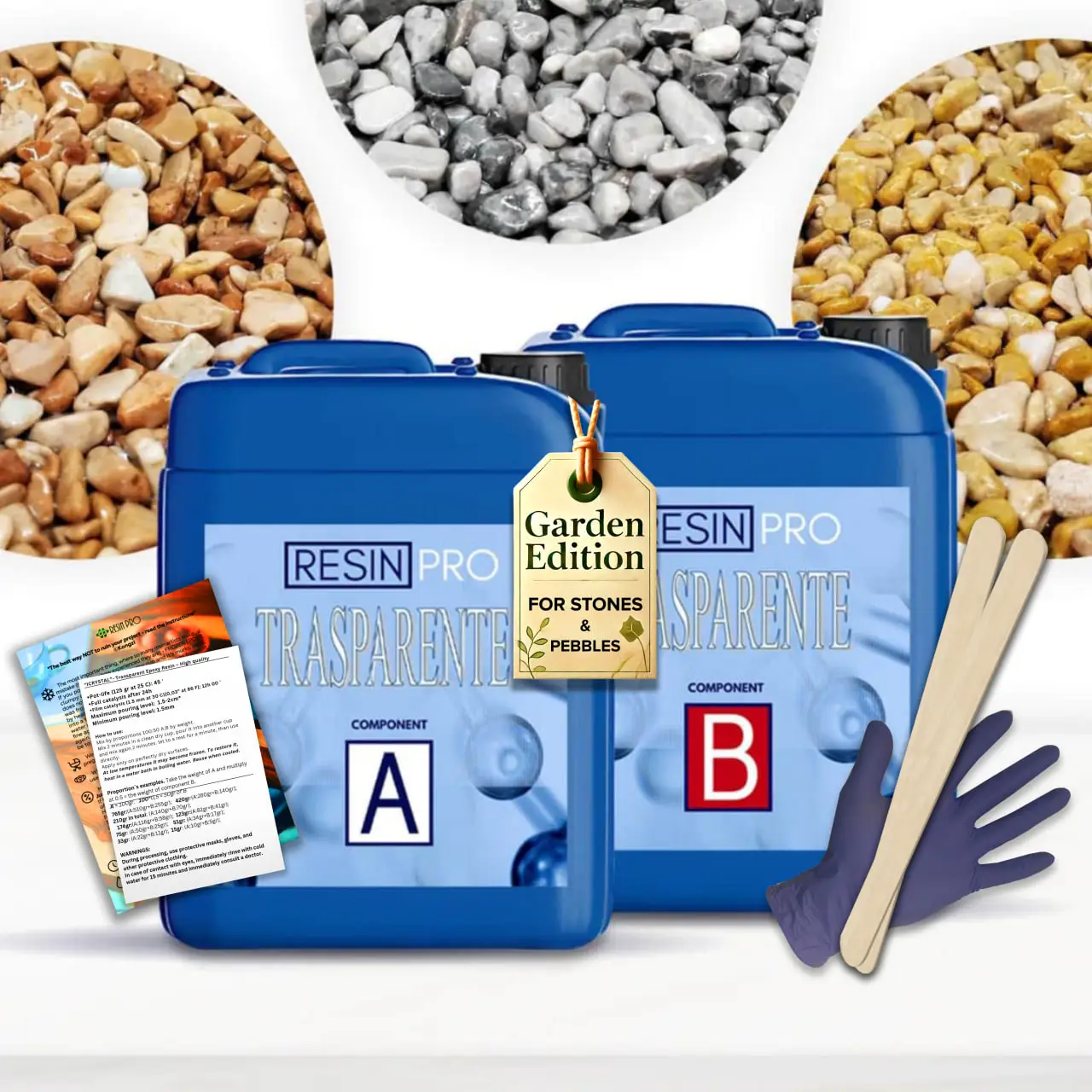
Choose the right resin binder for your floor type and colour. For coloured stones or grits, opt for “Trasparente” – Epoxy Binder for Coloured Pebbles and Grits, ensuring a UV-stable, clear result. For white or very light stones, always use “Polirock” – Polyurethane Binder for White Stones to prevent any yellowing over time.
Follow the manufacturer’s measurements precisely: add the correct proportion of resin binder to the prepared aggregates in a large bucket or mixer, then mix thoroughly to evenly coat every granule. Avoid mixing too far in advance to prevent premature curing.
Ready-made kits such as “Flowstone” – Complete Permeable Floor Kit with Pebbles and Resin simplify the process, combining high-quality resin with matching aggregates and clear usage guidelines.
Step 3: Apply the Resin-Aggregate Mixture Evenly
Once the resin and aggregate are fully combined, pour the mixture onto the prepared surface and use a float or trowel to spread it evenly to your desired thickness (typically 10–20mm for footpaths and 20–40mm for driveways). Trowel the mixture carefully, applying consistent pressure to minimise air pockets and create a smooth, level surface. Always work methodically to cover the area before the resin begins to set.
Take care to compact the surface gently but thoroughly, especially around edges or corners to avoid weak spots. Avoid applying the mixture in wet, humid or very cold weather, as this will affect the curing and final strength of the resin-bound floor.


Step 4: Allow Curing and Perform Post-Application Checks
After application, leave your new resin surface undisturbed while it cures. Most outdoor floor resins require at least 10–24 hours to become walkable and up to a full 48 hours to achieve maximum strength for vehicle use. Protect the area from rain during this time as moisture can impact the bonding. Once fully cured, peel away edge protection and inspect for uniformity. Any minor imperfections can be lightly sanded or repaired with additional resin if necessary.
For surfaces that are exposed to heavy use, applying a sealing layer such as “Resinstone” can extend the service life and offer extra waterproofing.
Tips and Common Mistakes to Avoid
Always clean and prepare the surface before applying resin. Any dirt, dust, or moisture can reduce adhesion and compromise durability.
Check for correct temperature and dry weather before starting. Resin systems need suitable conditions—generally between 10°C and 40°C with low humidity—for proper curing.
Do not use standard epoxy on white stones outdoors to prevent yellowing. Polyurethane binders are recommended for colour stability on light aggregates.
Mix resin and aggregate thoroughly for uniform coverage. Incomplete mixing results in weak spots and uneven surfaces.
Avoid applying resin to damp or frozen surfaces. Moisture prevents proper bonding and may cause blistering.
Apply resin systems in thin, even layers for best results. Excessively thick applications can lead to cracking or bubbling.
Protect surrounding areas from accidental resin spills. Use masking tape, boards, or sheeting along all edges and joints.

Real Project Highlights: Before and After Transformations
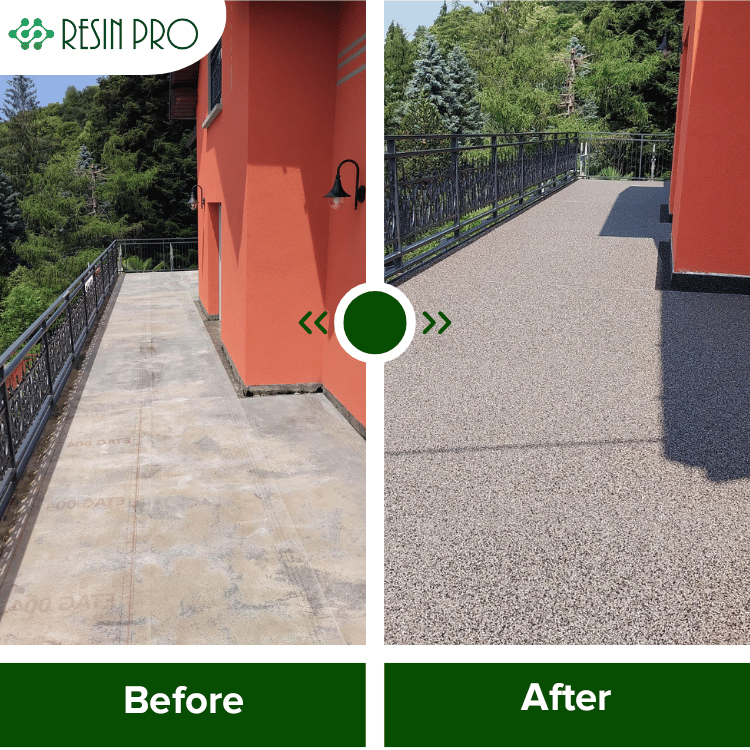
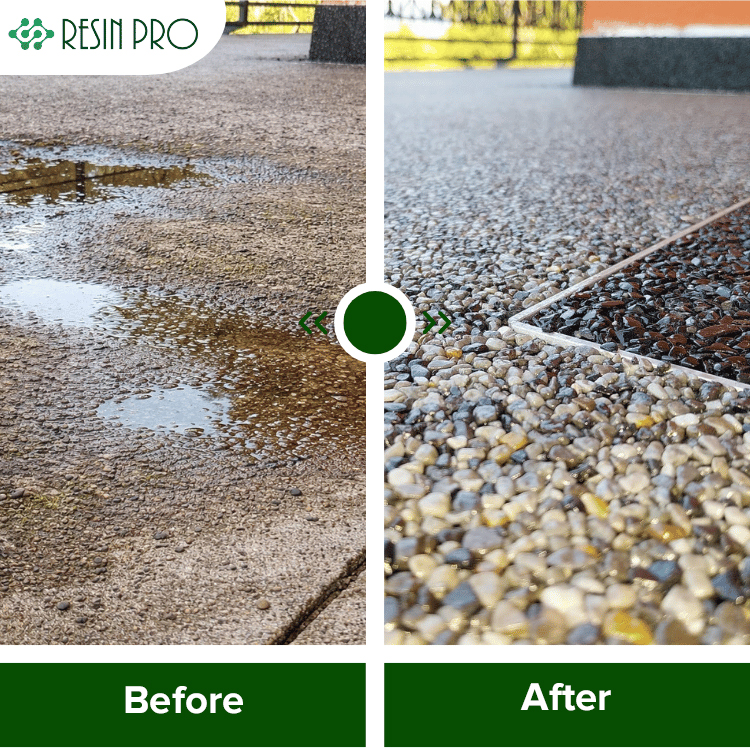
Outdoor floors before and after resin application reveal the dramatic improvement in both functionality and appearance. From weathered concrete to a sleek, non-slip surface, resin-bound systems offer a smart upgrade for any outdoor area.
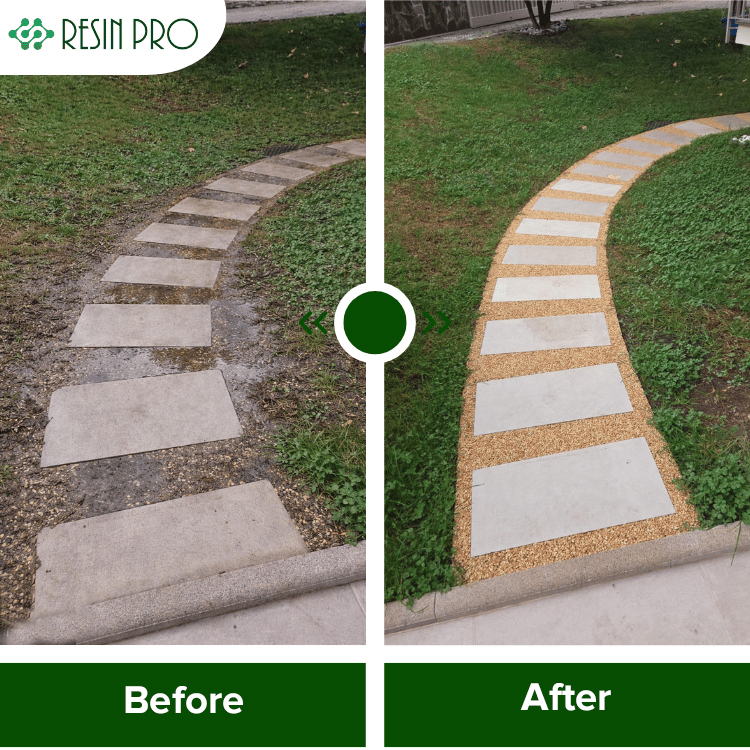
- "Flowstone" – Complete Permeable Floor Kit with Pebbles and ResinPrice range: £49.95 through £3,915.45"Flowstone" provides a durable, permeable pebble and resin kit designed for outdoor floors with clear guidance on resin selection.
- "Trasparente" – Epoxy Binder for Coloured Pebbles and GritsPrice range: £33.45 through £397.95An epoxy binder designed for coloured pebbles and grits providing a clear, UV stable finish suitable for outdoor floors.
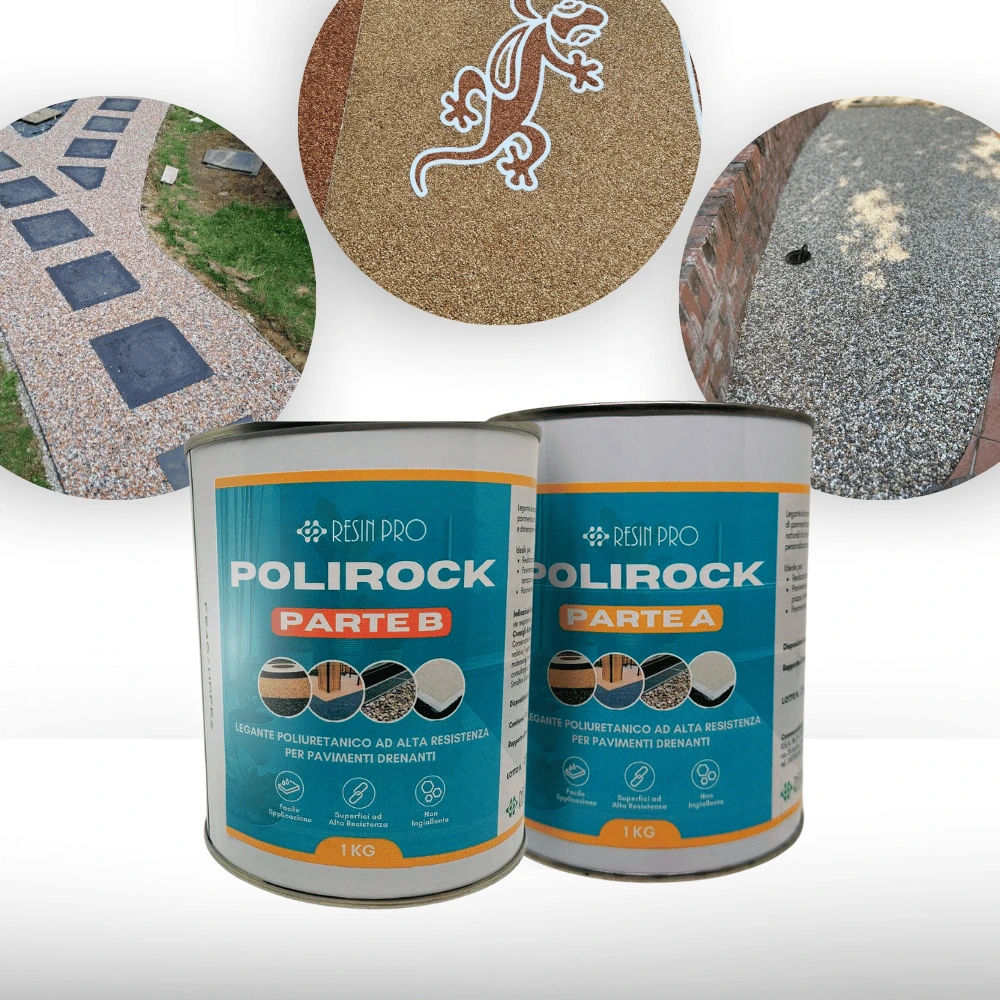 "Polirock" – Polyurethane Binder for White Stones, 2kg Two-Component Kit£61.95"Polirock" binder creates durable outdoor stone surfaces with good adhesion and an anti-slip finish, suitable for outdoor resin flooring.
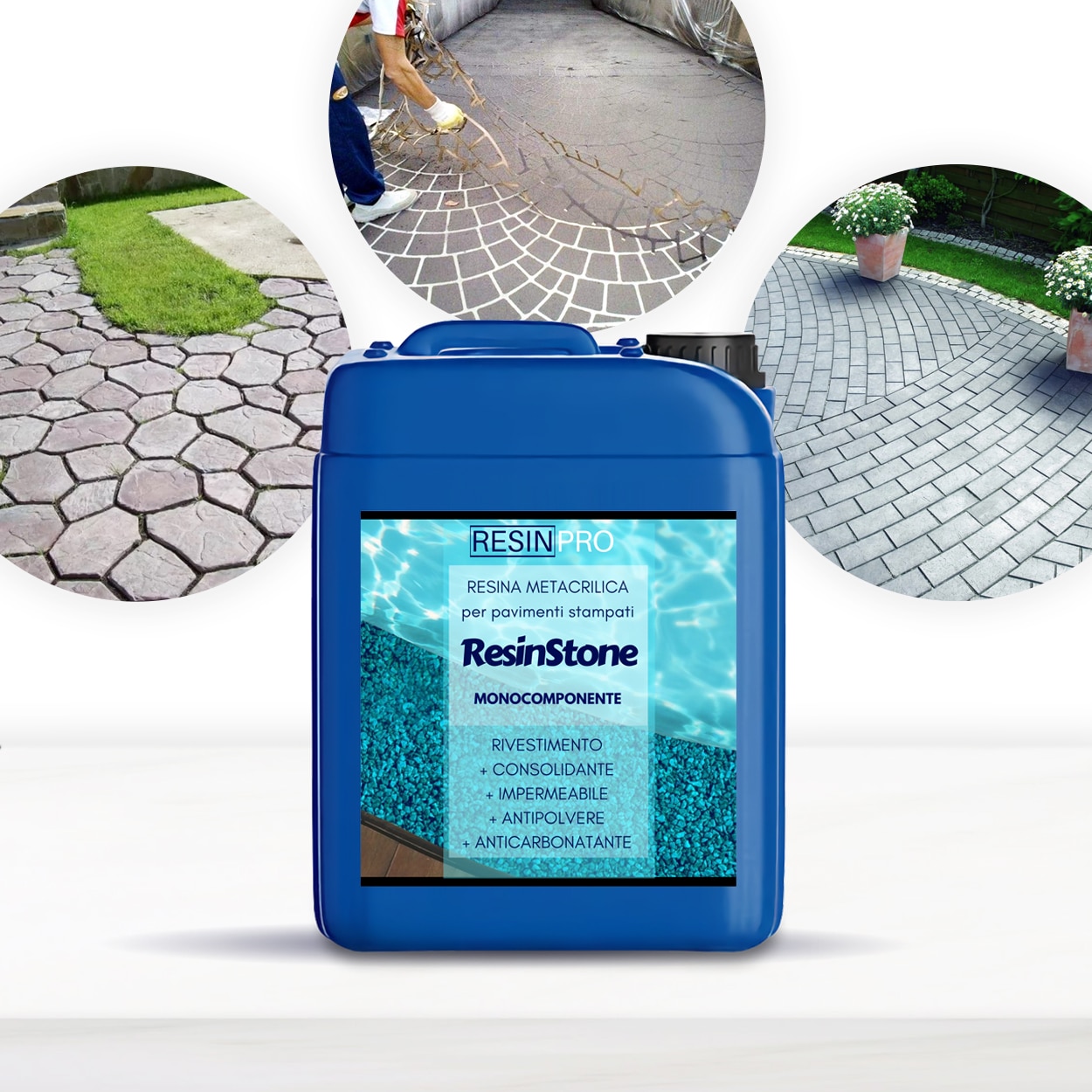 "Resinstone" – One-Component Methacrylic Resin for Concrete Floors and DrivewaysPrice range: £36.71 through £336.48"Resinstone" is a one-component methacrylic resin for sealing and protecting concrete floors with durable and quick-drying properties.
Frequently Asked Questions
What outdoor surfaces can I cover with resin?
Most solid, well-drained surfaces including concrete, tarmac, and compacted stone are suitable bases for resin-bound flooring.
What weather is best for applying exterior floor resin?
Apply resin when temperatures are between 10°C and 40°C in dry weather. Avoid rain or high humidity for best results.
What resin should I use for white or coloured stones?
Use polyurethane binder for white stones to prevent yellowing. Epoxy binders work best with coloured or dark aggregates.
How long before I can walk or drive on the floor?
Floors are usually walkable after 10–24 hours. Wait 48 hours or longer before allowing vehicles or heavy use.
How do I avoid bubbles or cracks when laying resin?
Mix thoroughly, apply in stable temperatures, and never lay resin on damp or porous surfaces. Do not overwork or overthicken the mix.
How do I maintain an outdoor resin floor?
Sweep regularly and wash with mild detergent. Avoid using metal tools to remove debris and check for any damage after winter.
Can I pour resin directly over loose gravel?
No. Always mix resin with clean, dry aggregates in a mixer or bucket before spreading for good binding and durability.