 Free shipping on orders over £29,85
  Shipping Tracking!


 Google
 Facebook
How do you grout tiles before applying resin?
Ensure a perfect substrate for flawless resin finishes
Preparing tiled surfaces correctly before applying resin is crucial to achieving a long-lasting, smooth and professional finish. This guide walks you through each step of the process, from grouting tiles to setting the stage for a flawless resin application. Whether you are updating a kitchen, bathroom, or any tiled area, careful preparation will make all the difference in your project’s durability and visual appeal.
What You’ll Need
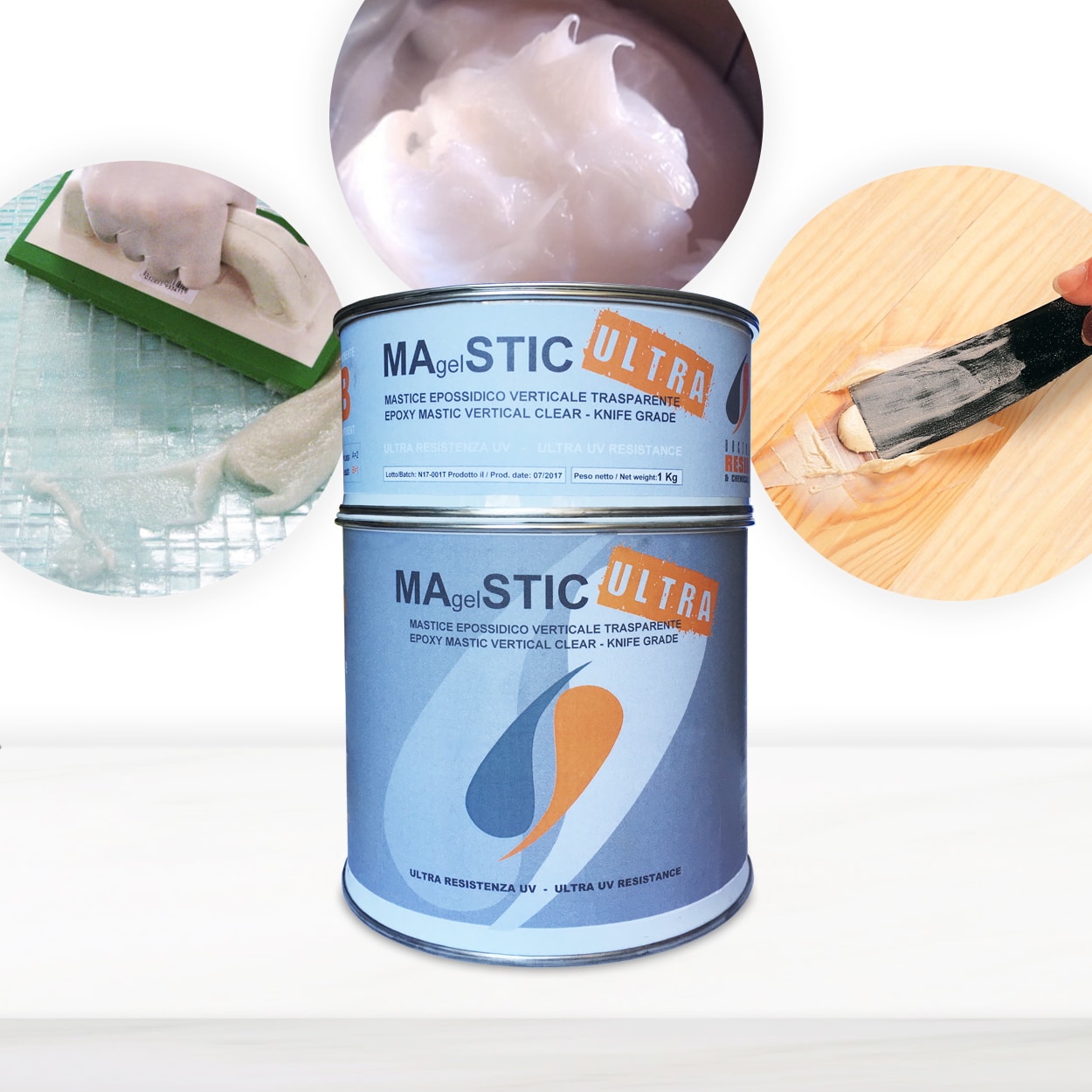
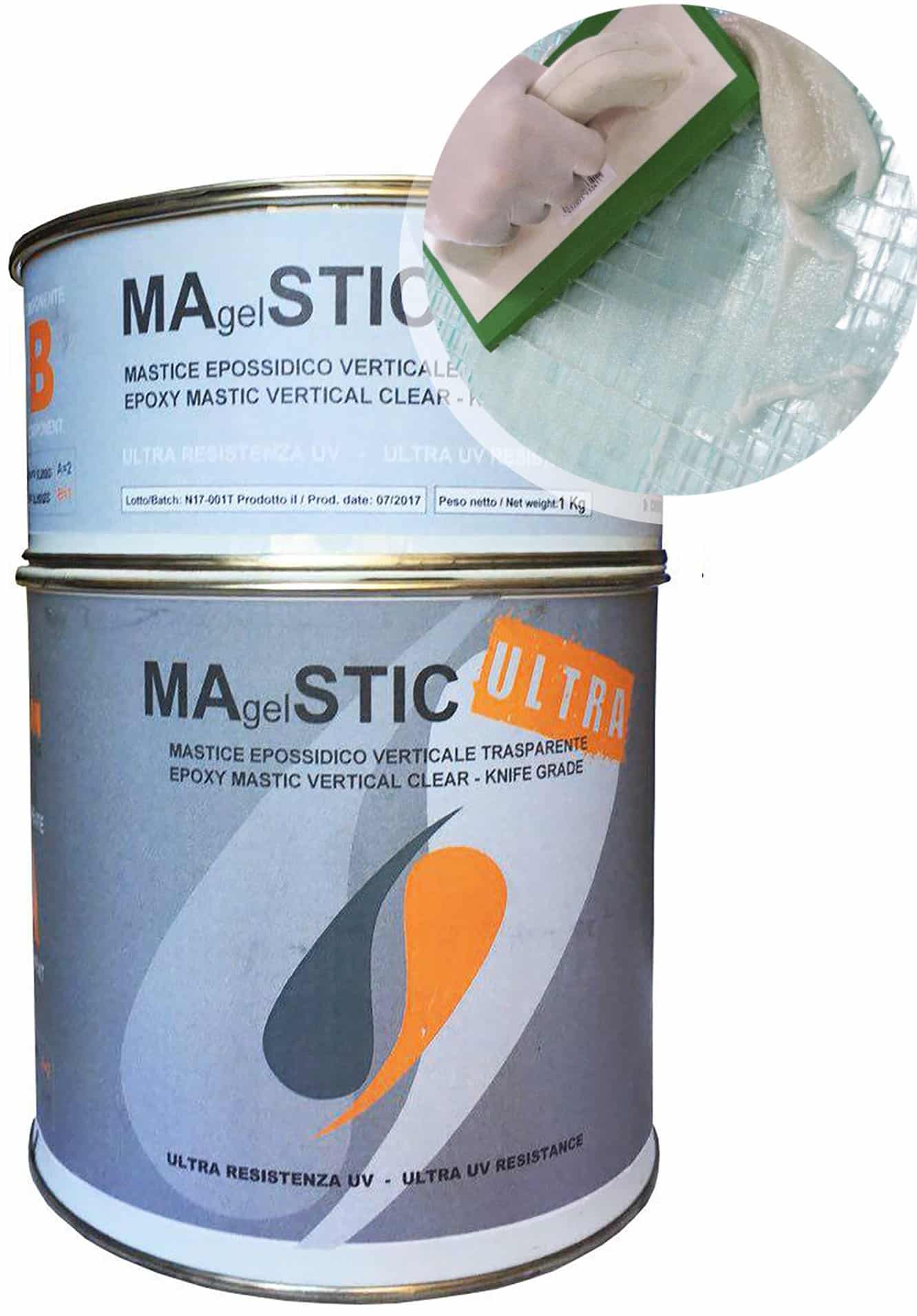
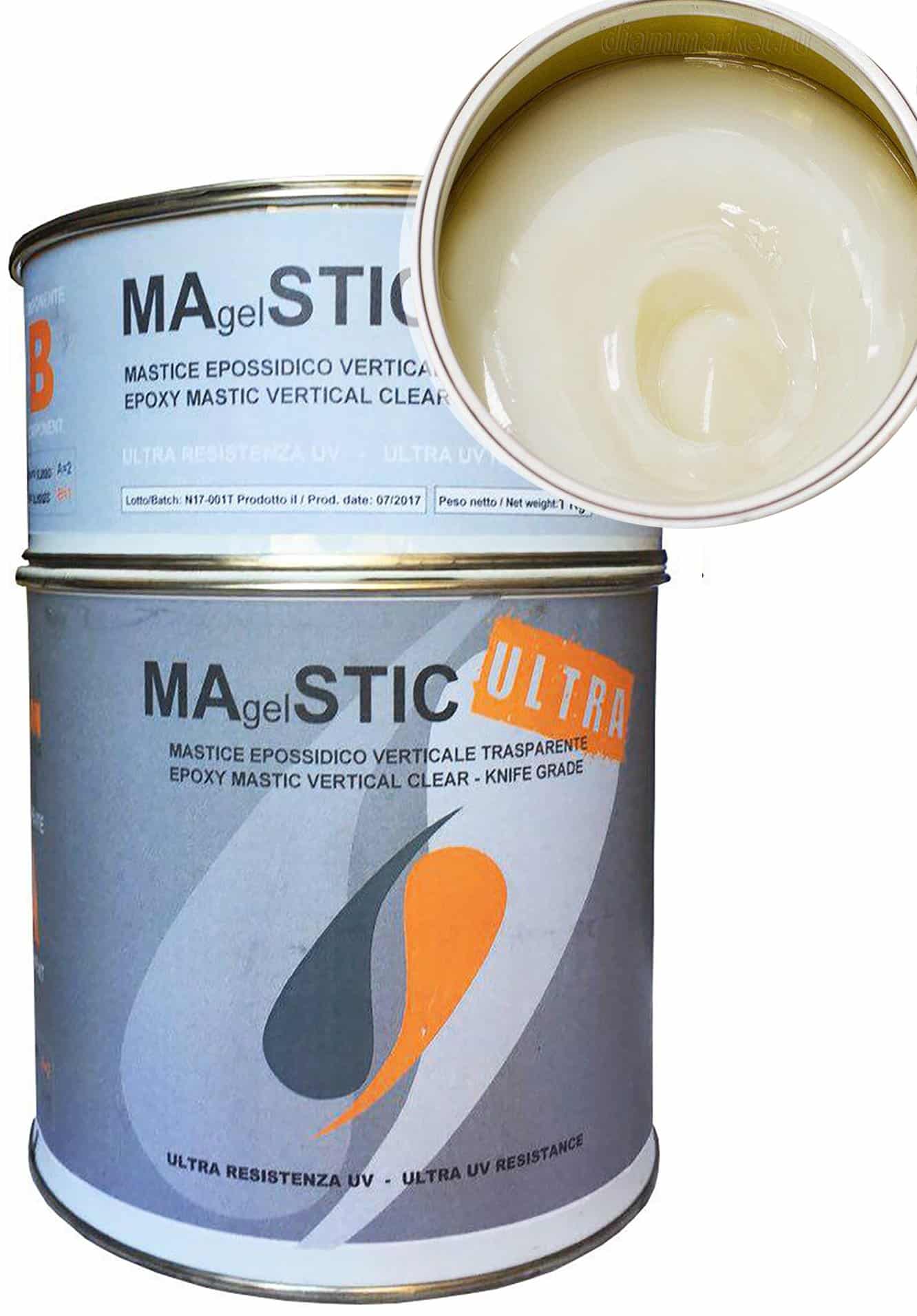
- “Magelstick” – Epoxy Mastic for Stone, Metal, and Cement Bonding and Grouting – for robust, weather-resistant grouting.
- “Epoxyprimer” – Universal Water-Based Two-Component Epoxy Floor Primer – ensures strong adhesion for resin coatings.
- Resin & Paint Application Rollers – Short-Pile, Large, and Sponge Types – ideal for smooth and precise application of primers or resin layers.
- Clean, dry sponge and soft cloths
- Mixing bucket and spatula
- Protective gloves and safety goggles
Choosing the Right Grout and Tools
Selecting materials specifically designed for your tiles and finishing requirements guarantees optimal results. Epoxy mastics offer robust bonding in wet or outdoor areas, while well-chosen application rollers ensure accurate and clean coverage during priming or resin coating.
Step 1: Prepare and Clean the Tiled Surface
Begin by carefully sweeping and vacuuming the entire tiled area. Any debris or dust left on the surface can interfere with proper grout and resin bonding. For best results, wash the tiles with a mild detergent and warm water, then let the surface dry completely. Ensure surface is thoroughly cleaned and free of dust. Pay attention to the tile joints, ensuring there are no loose particles or previous residues that could compromise adhesion.
Allow the cleaned surface to air dry, or use a clean cloth to wipe away any remaining moisture. Addressing dampness is essential to prevent trapment under newly applied grout or resin, which can lead to blemishes or bubbles later on.


Step 2: Apply Grout with Precision
Mix your chosen grout material according to the manufacturer’s instructions. For projects requiring exceptional durability, such as outdoor or high-traffic areas, “Magelstick” – Epoxy Mastic for Stone, Metal, and Cement Bonding and Grouting is highly recommended. Its thixotropic formula ensures grout does not sag, and minimal shrinkage helps maintain smooth, even joints.
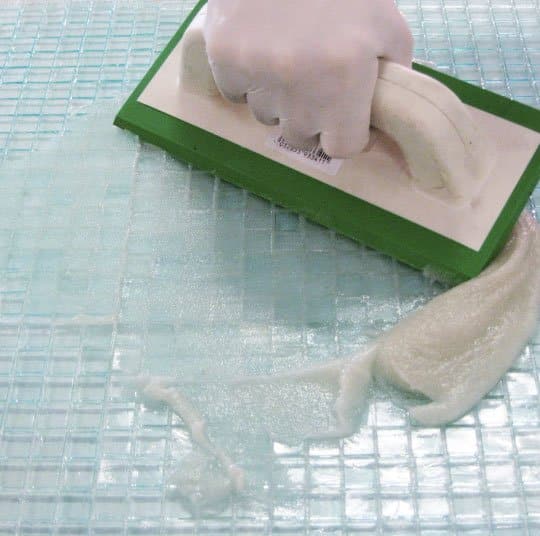
Using a grout float or spatula, work the grout firmly into all tile joints, ensuring consistent coverage and level fills. Wipe away surplus grout from the tile faces with a damp sponge before it sets. Aim for tightly-packed, flush joints to create a stable and sealed surface, which prevents resin from seeping through or exposing flaws.
Allow grout to fully cure before proceeding. Refer to curing times on your selected product; epoxy-based mastics typically require at least 24 hours at room temperature.
Step 3: Inspect and Smooth the Grouted Joints
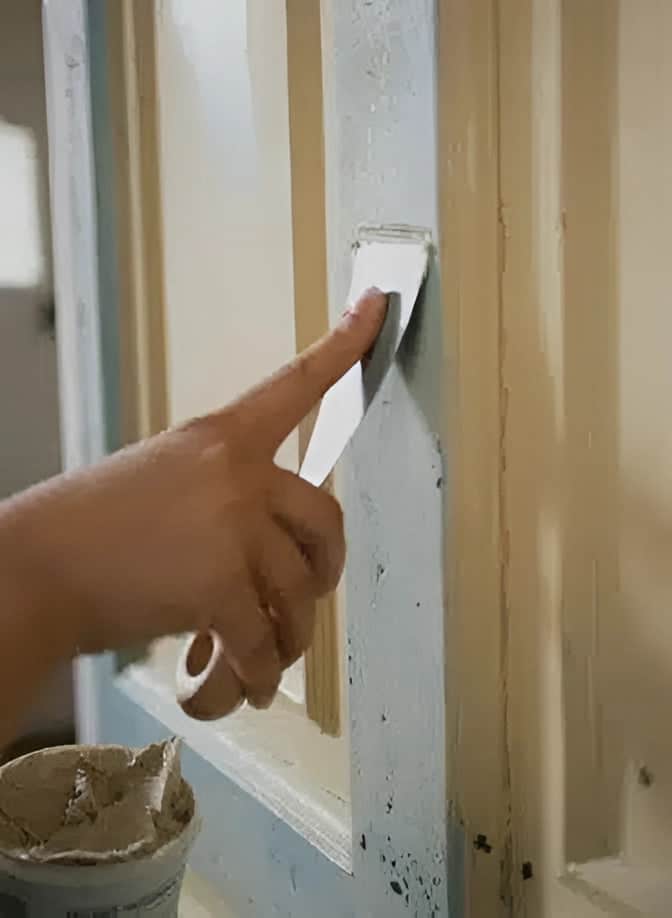
Once the grout has dried, inspect the joints closely. Look out for missed spots, pinholes, or uneven sections. Use a finger or the edge of a mixing stick to gently test for hardness — the grout must be fully hardened to provide a reliable substrate.
If you find any depressions or cracks, remix a small quantity of grout and fill these gaps carefully, wiping away excess with a damp cloth. Check for low spots and refill with grout as needed. Allow these touch-ups to cure completely before moving on to the next step.
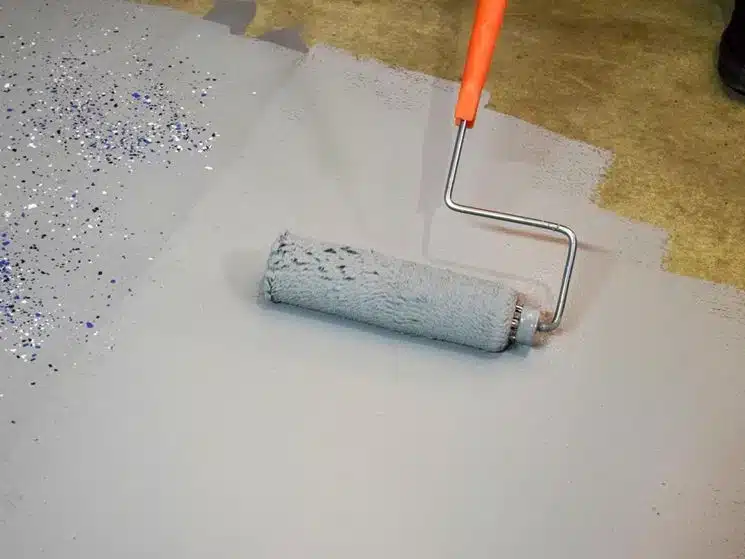

Step 4: Prime the Tiled Surface for Resin Application
Once the grout is thoroughly cured and inspected, apply a primer to seal and stabilise the tiled surface. A dedicated epoxy primer such as “Epoxyprimer” – Universal Water-Based Two-Component Epoxy Floor Primer maximises adhesion between the tiles and the subsequent resin layer.
Prepare the primer as directed, and use a suitable Resin & Paint Application Roller for a smooth, even coat. Use a roller for smooth and even primer application. Work methodically across the surface, ensuring all joints and tile faces are covered. Allow the primer to fully cure, usually 24–48 hours, before proceeding with the resin application.
Tips and Common Mistakes to Avoid
Patience is essential: rushing the curing periods between steps is a leading cause of poor adhesion and surface problems. Always use the recommended products for tile, grout and primer, matching them to the substrate and project conditions. Common mistakes include rushing the curing period or missing grout gaps. Failing to fill joints properly can lead to resin seepage or bubble formation during application, which are difficult to fix later.
It is also worthwhile to perform a small test patch in an inconspicuous area before working across the entire surface. This ensures compatibility and helps you refine your technique before proceeding with larger areas.

Surface Testing and Project Readiness
Before starting on a large scale, always test new materials in a discreet spot. Observe for unexpected reactions, adhesion, or colour changes. This protects your investment and builds confidence for the main project area.
- "Magelstick" – Epoxy Mastic for Stone, Metal, and Cement Bonding and Grouting"Magelstick" Epoxy Mastic is suited for professional bonding and grouting of stone, metal, and cement, supporting neat application on vertical…
- "Epoxyprimer" – Universal Water-Based Two-Component Epoxy Floor PrimerPrice range: £156.45 through £286.45"Epoxyprimer" is a water-based epoxy floor primer designed for reliable adhesion on concrete, tiles, screeds, and timber surfaces.
- Resin & Paint Application Rollers – Short-Pile, Large, and Sponge TypesPrice range: £3.62 through £5.09Rollers designed for epoxy resin applications support precision and uniformity on resin surfaces, suitable for professionals and DIY use.
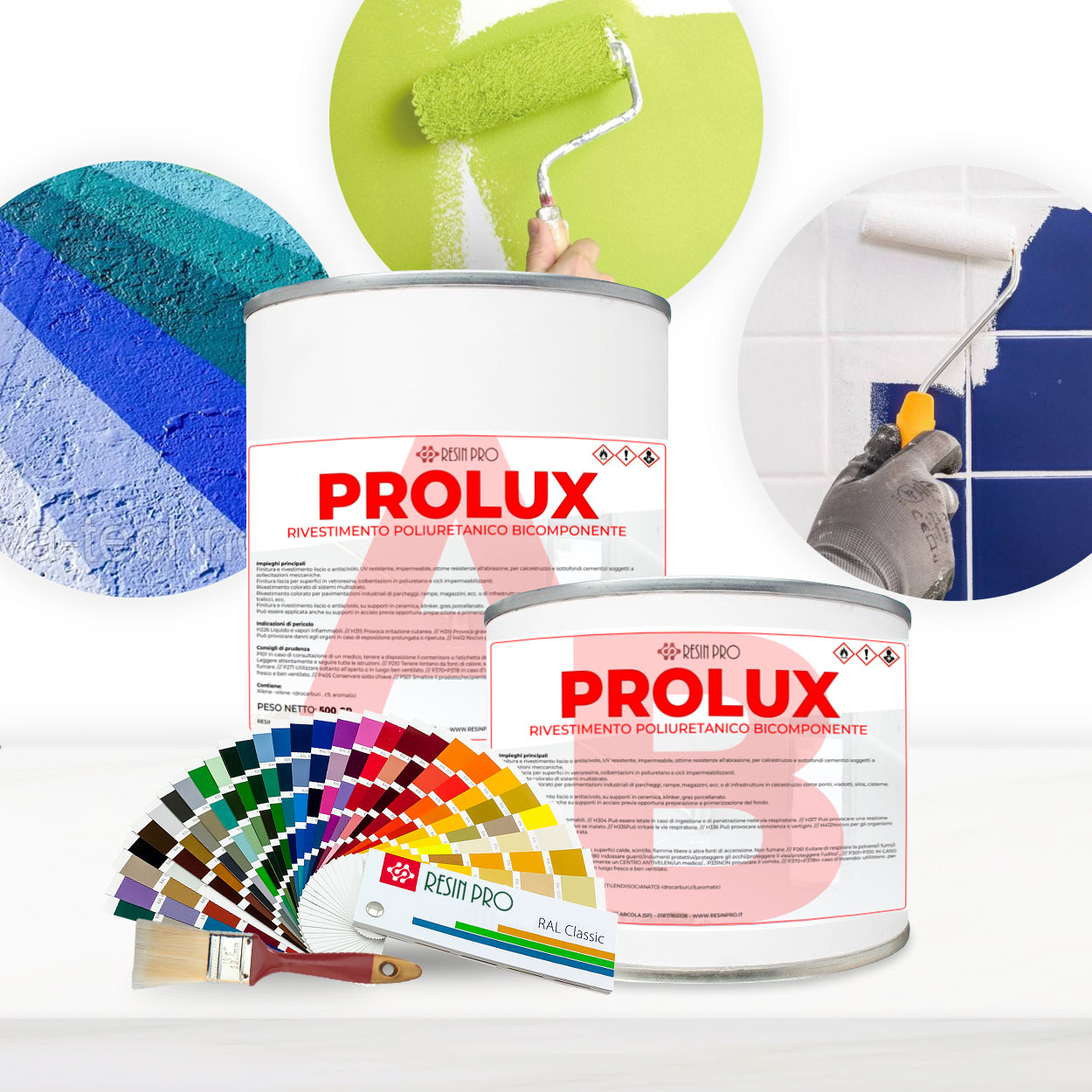 "Prolux" – PU coating for tiles, concrete, plastic and metal – suitable for driveable surfacesPrice range: £44.85 through £494.85"Prolux" is a polyurethane coating designed for durable finishes on tiles, concrete and metal, suitable for high-traffic and damp areas.
Frequently Asked Questions
How long should grout cure before I apply resin?
Minimum 24 hours for epoxy mastics, but always follow your product's specified curing time for best results.
What type of grout should I use to prepare tiles for resin?
Use an epoxy-based mastic or specialist grout for durability, especially in wet, outdoor or high traffic areas.
Is primer necessary after grouting tiles and before applying resin?
Yes, primer ensures reliable adhesion between the tiles, grout, and the resin overlay.
How should I clean the tiles once I've finished grouting?
Use a slightly damp sponge to remove excess grout from tile faces, followed by a soft cloth once joints are flush.
Is "Epoxyprimer" suitable for priming ceramic tiles before resin?
Yes, "Epoxyprimer" is designed for use on tiles and enhances resin bonding.
What type of roller is best for applying primer or resin on tiled surfaces?
Short-pile or sponge rollers provide the best control and smoothest coverage on tiled and grouted floors.