 Free shipping on orders over £29,85
  Shipping Tracking!


 Google
 Facebook
← Back to How do you prepare a tile floor to overlay resin?


Pouring resin over a tile floor can give a beautiful, durable finish, but proper surface preparation is essential for a lasting result. Direct application without prep can lead to poor adhesion and peeling.
Why Direct Pouring Isn’t Recommended
Tile floors – especially glazed ceramics – are non-porous, making them resistant to bonding with resins. Pouring resin directly onto these surfaces can result in issues such as lifting, peeling, and an uneven finish. Adhesion relies on both a clean surface and sufficient roughness for the resin to grip effectively.
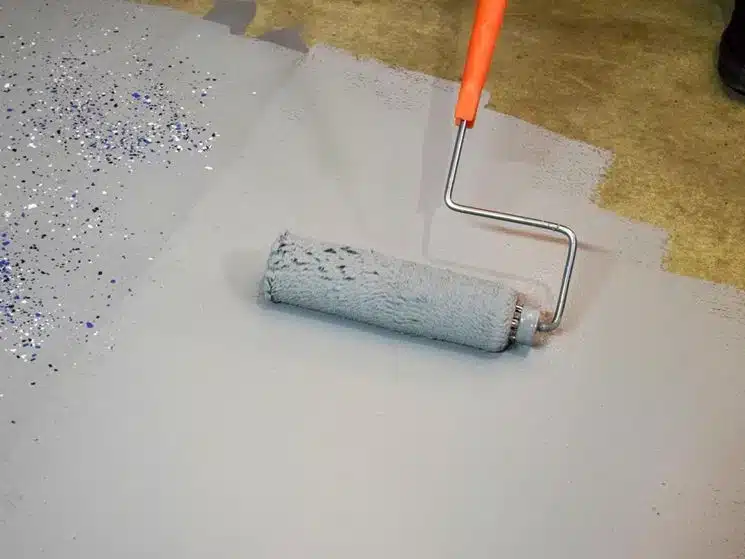
Step-by-Step Surface Preparation
- Clean thoroughly. Remove dirt, grease, and residues using a suitable detergent to ensure there are no substances that could act as a barrier.
- De-gloss the tiles. Lightly sand the surface to remove any glaze and introduce a key for the resin. For stubborn areas or paint residue, use a Heavy Duty Scraper to assist with preparation.
- Apply a primer. Use a purpose-made primer such as Epoxyprimer to bond tiles and resin securely. Allow the primer to cure as directed before applying your chosen resin system.
Practical Tips for Best Results
- Check for loose or damaged tiles before starting. Repair or replace if needed to ensure a sound base.
- Ventilate the area well during resin and primer application.
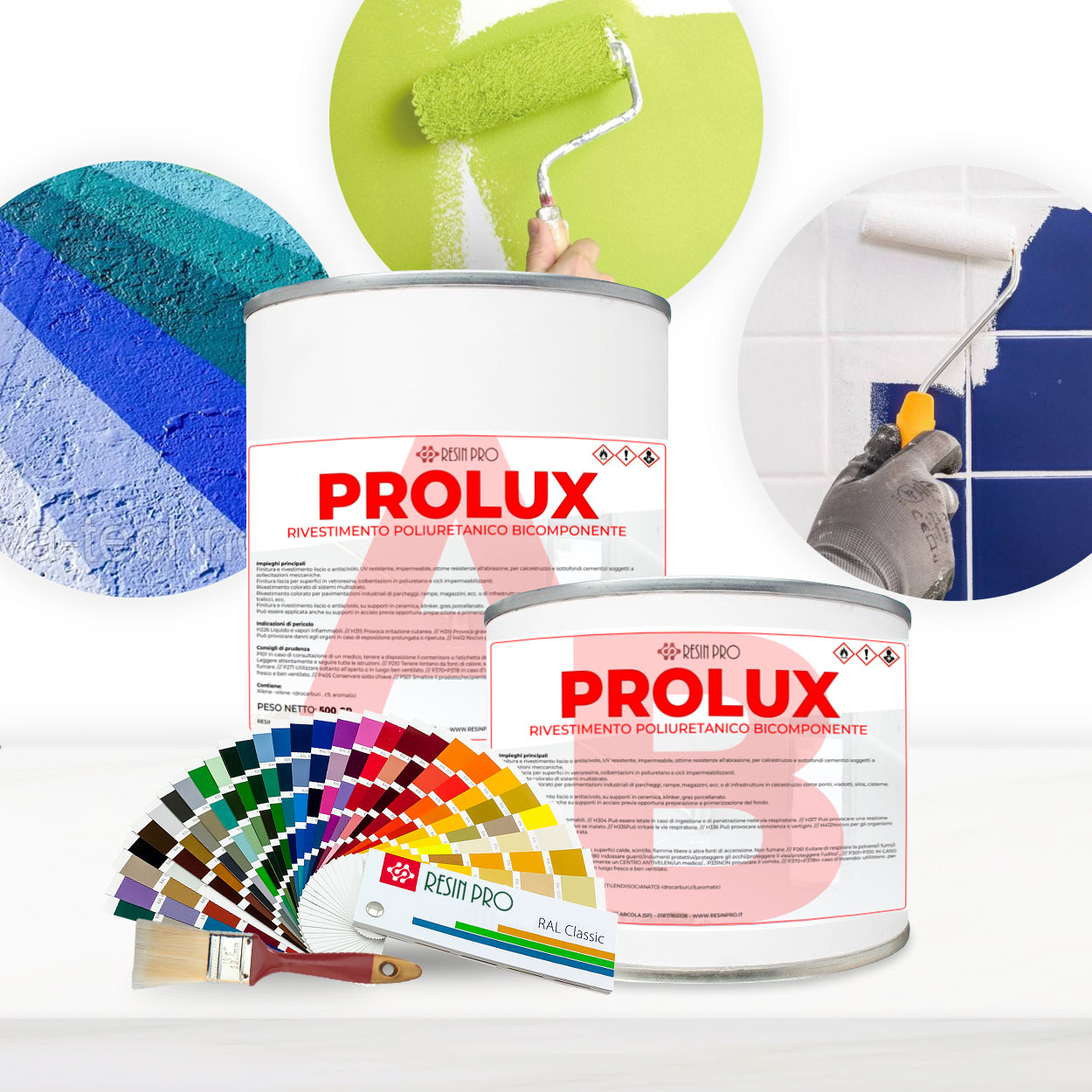
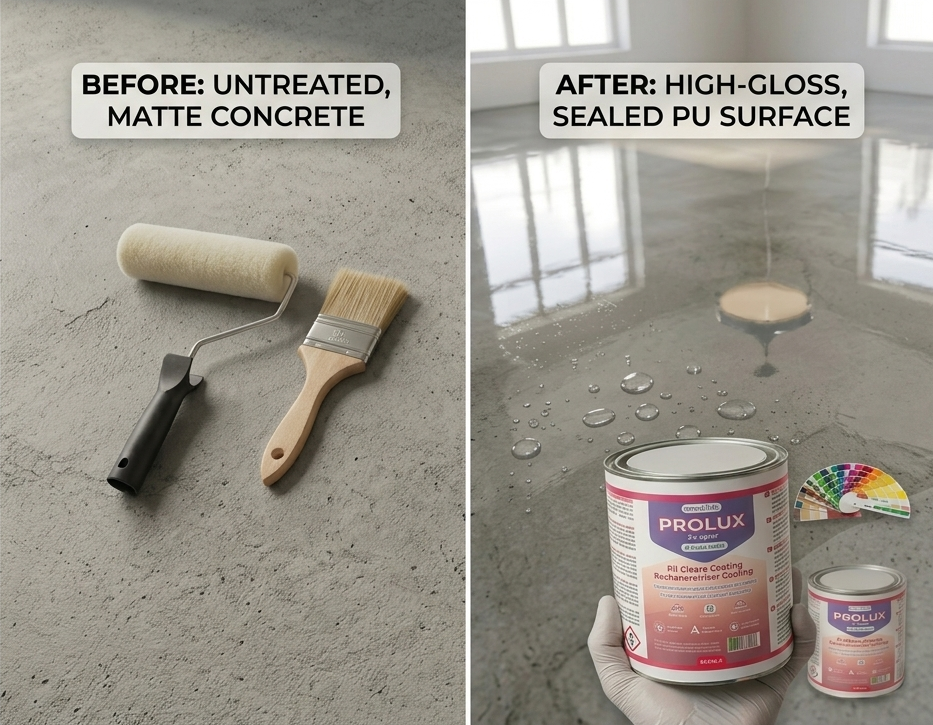
- If opting for a coloured or protective topcoat, consider a polyurethane finish such as Prolux for extra durability.
When Proper Preparation Matters
Thorough preparation is especially important in kitchens, bathrooms, high-traffic areas or spaces where moisture and wear are expected. Skipping steps can lead to premature failure, increased maintenance, or the need for costly repairs.
Related products
Related guides
With the right approach, overlaying resin on tile floors produces a seamless look and robust finish. For more details on achieving professional results with resin overlays, see our main guide on preparing tile floors for resin.