 Free shipping on orders over £29,85
  Shipping Tracking!


 Google
 Facebook
How do you prepare a tile floor to overlay resin?
Step-by-step method for strong adhesion when applying resin
Preparing a tile floor for a resin overlay is essential to ensure excellent adhesion, durability, and a pristine finish. This guide walks you through the practical steps required to transform tiled surfaces into a flawless base for resin applications, whether you’re refreshing an existing floor or underpinning a decorative resin pour. Correct preparation minimises failures like delamination and ensures the beautiful, long-lasting results you expect.
What You’ll Need
- Heavy Duty Scraper for Paint and Epoxy Resin Removal – A reliable tool for removing residues or loose tiles.
- “Epoxyprimer” – Universal Water-Based Two-Component Epoxy Floor Primer – For enhanced adhesion between tile and resin layers.
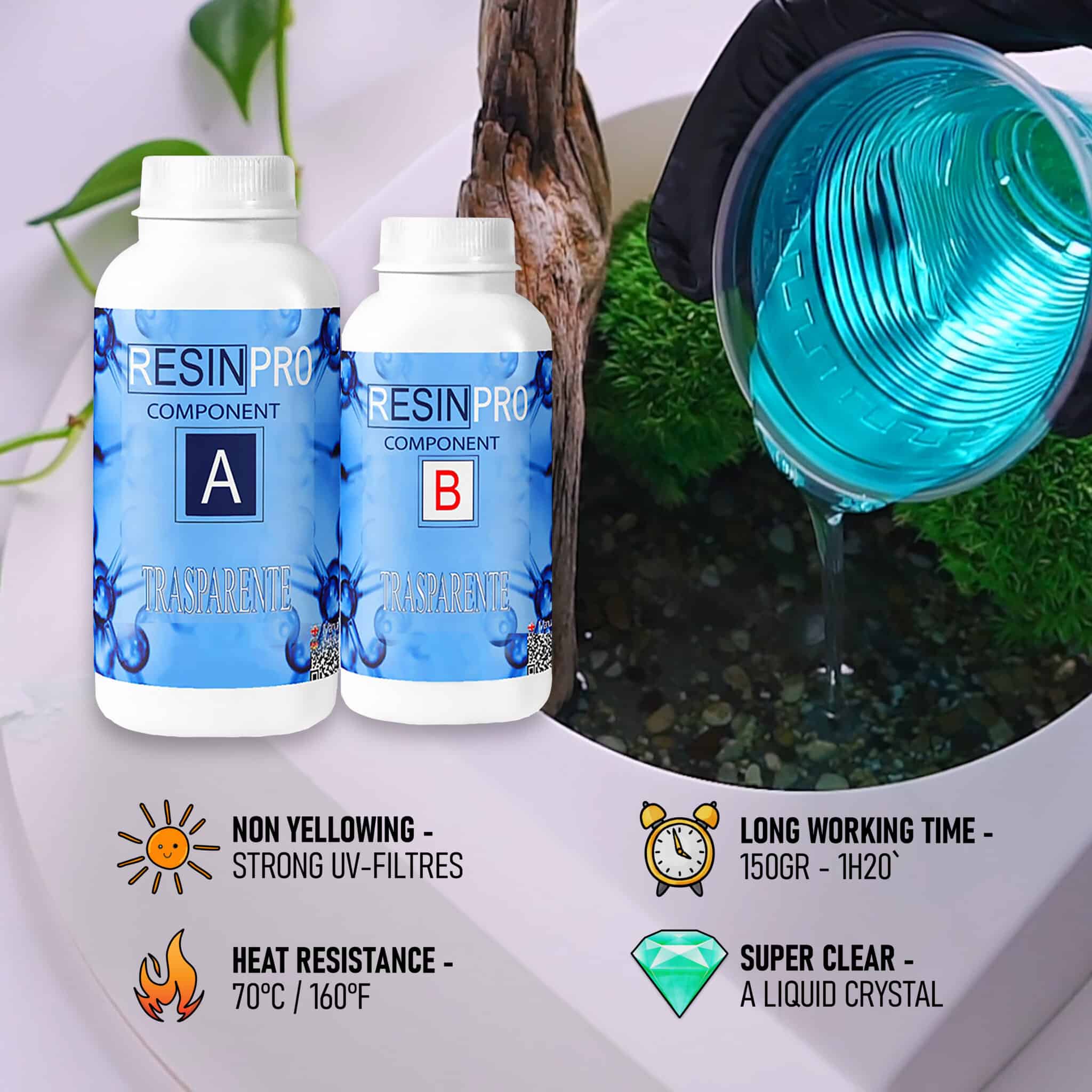
- “Trasparente” – Multipurpose Clear Epoxy Resin for Casting – Up to 2cm – Your chosen resin for the final overlay (used after correct priming).
- Vacuum, mop, or cleaning cloths for dust removal.
- Sanding tools (mechanical sander or abrasive paper for manual scuffing).
- Personal protective equipment – gloves, goggles, mask.
- Filler or grout (as needed for repairs).

Visual Guide: Floor Preparation Tools and Surfaces
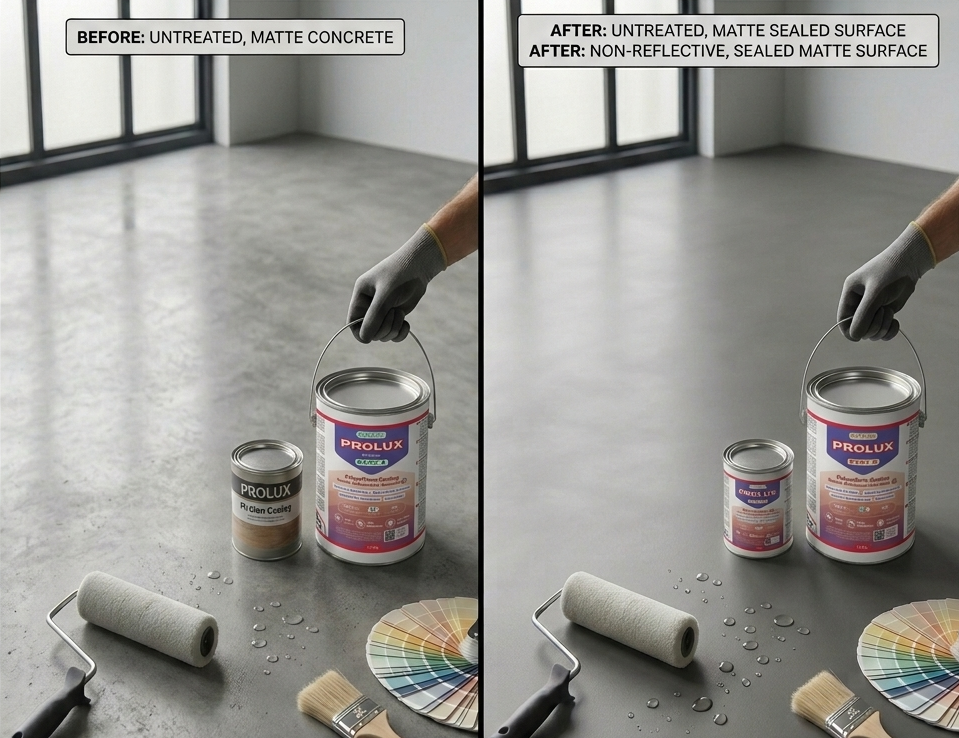
See typical stages and required tools: Scrapers, sanding equipment, and primed versus unprimed tiles are crucial for reliable preparation. Surface texture images highlight how dulling the tile changes its ability to bond with resin, while a correctly applied primer gives reassurance of even absorption and readiness for the final resin overlay.
Step 1: Assess and Repair Your Tile Surface
Ensure the tiles are stable and firmly adhered. Begin by inspecting the whole floor for any cracked, hollow, or loose tiles. Damaged tiles should be removed and replaced, and all areas must be level. Check grout lines for crumbling or missing sections and repair these with a suitable filler or fresh grout. Neglecting this step increases the risk of movement under the resin layer, leading to future cracks or delamination.
Use the Heavy Duty Scraper for Paint and Epoxy Resin Removal if you need to remove stubborn residues, loose grout, or any remnants of old adhesives. Pay special attention to high-traffic or previously damaged zones.
Step 2: Clean and Degrease Thoroughly
Thoroughly clean the floor to remove dust, grease, and residues. Wash the tiles with a degreasing detergent to eliminate oils and dirt that might inhibit primer or resin adhesion. Mop and dry the area completely. Leftover residues are a common cause of adhesion failure, especially on older tiled floors.
Step 3: Sand or Abrade the Tile Surface
Sand or abrade the tile surface to promote adhesion. Smooth, glazed tiles pose a challenge for bonding. Use a mechanical sander or coarse grit abrasive paper to thoroughly scuff every tile. Focus on achieving a uniformly dull, matt finish with no glossy patches remaining. This mechanical abrasion allows primers and resin to grip the surface instead of merely sitting on top.
Thoroughly vacuum or wipe the floor after sanding to pick up fine dust. Any remaining particles can weaken the bond or cause defects in the resin overlay.


Step 4: Repair Joints and Seal Grout Lines
Seal grout lines and repair damages before priming. Deep grout joints or repaired areas should be filled level with flexible filler or a fibre-reinforced screed. This prevents uneven absorption and minimises the risk of resin sinking into gaps. Allow these repairs to cure fully before proceeding to the next step.
Step 5: Apply an Epoxy Primer
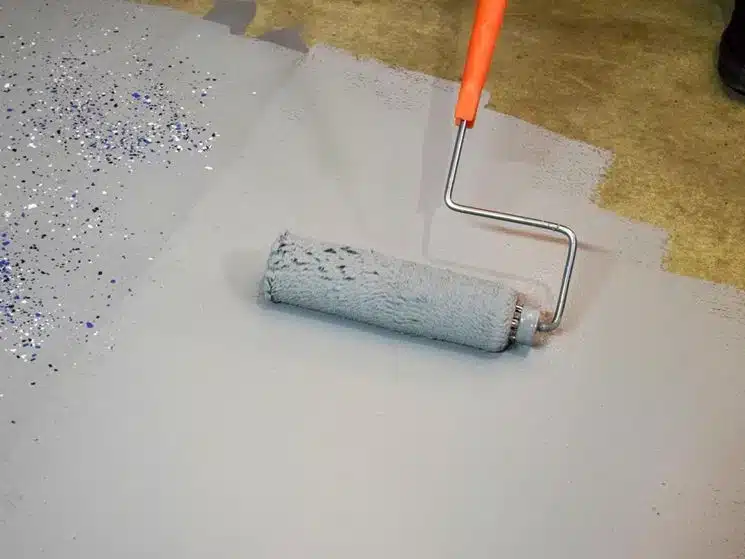
Apply a suitable epoxy primer for reliable bonding. The most important step before pouring resin is priming. Use “Epoxyprimer” – Universal Water-Based Two-Component Epoxy Floor Primer, following the manufacturer’s instructions for mixing, application, and drying times. Apply the primer using a roller or brush, ensuring even, full coverage, especially across grout lines and previously repaired areas. This locks the system together and maximises the future resin layer’s adhesion.
Allow proper curing before overlaying resin. Let the primer cure for the instructed period (usually 24–48 hours), checking there is no tackiness before proceeding with your final resin coat, such as using “Trasparente” if a clear, self-levelling finish is desired.
Preparation Tips and Common Mistakes
Never skip surface abrasion: Without sanding or mechanical abrasion, resin and primers may delaminate from glazed tiles.
Check for moisture issues: Ensure the subfloor and tiles are dry before starting; trapped water can cause bubbles or premature failure.
Pay attention to ventilation and PPE: Use personal protection and ensure good airflow, especially when cleaning, sanding, or working with resin primers.
Test a small, inconspicuous area first if unsure how the system will bond. Each surface and project can vary depending on the original floor’s condition, so patience at the preparation stage pays off in long-term performance and finish.
Close-up: Surface Details and Adhesion Results
Notice the difference: Successful overlays show seamless, bubble-free resin layers firmly bonded to the primed tile. Images accentuate well-filled grout joints, even texture after sanding, and the difference between failed and expertly prepped substrates. These visuals underscore why careful surface work makes a lasting difference.

- "Epoxyprimer" – Universal Water-Based Two-Component Epoxy Floor PrimerPrice range: £156.45 through £286.45A water-based epoxy floor primer designed for reliable adhesion on various stable floor surfaces.
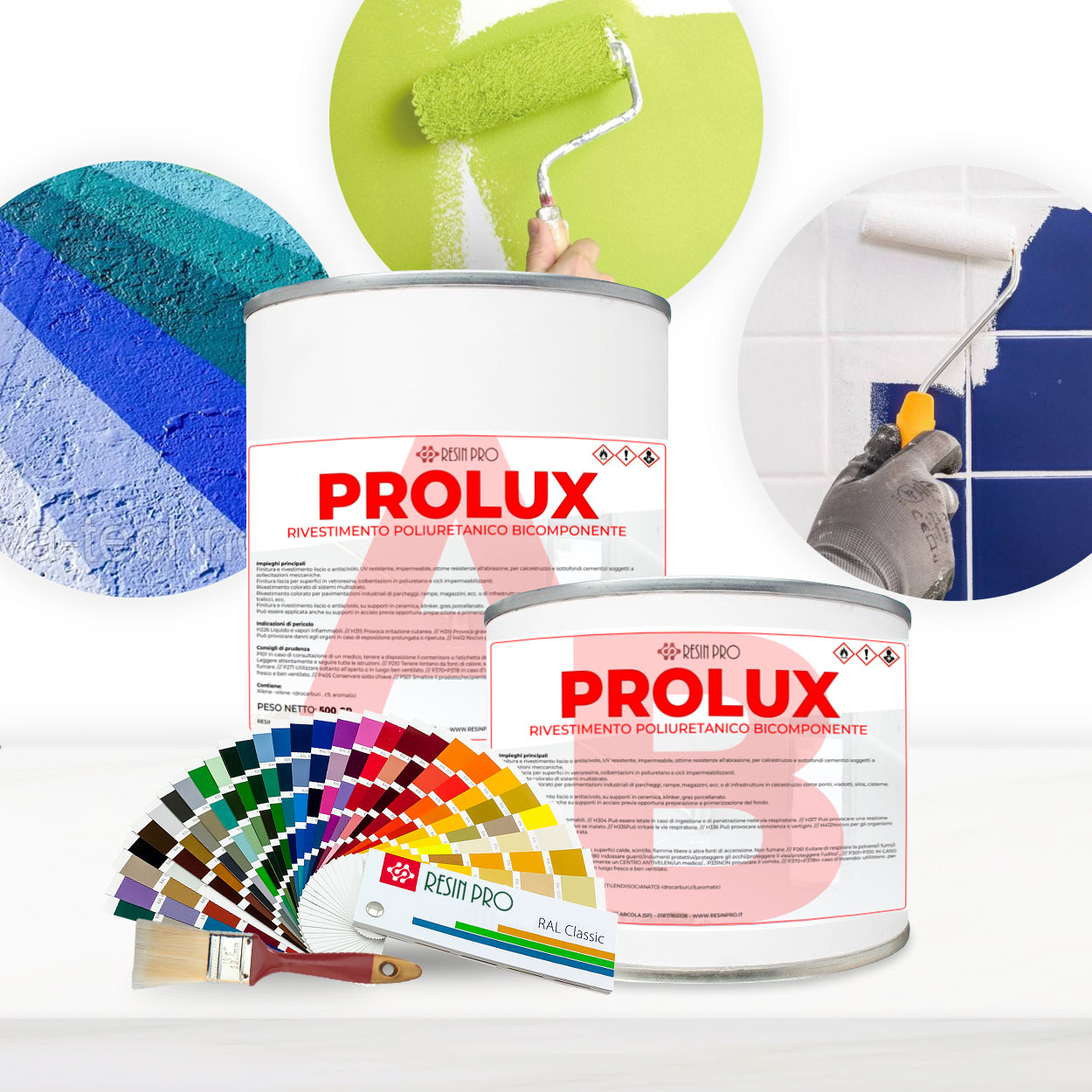
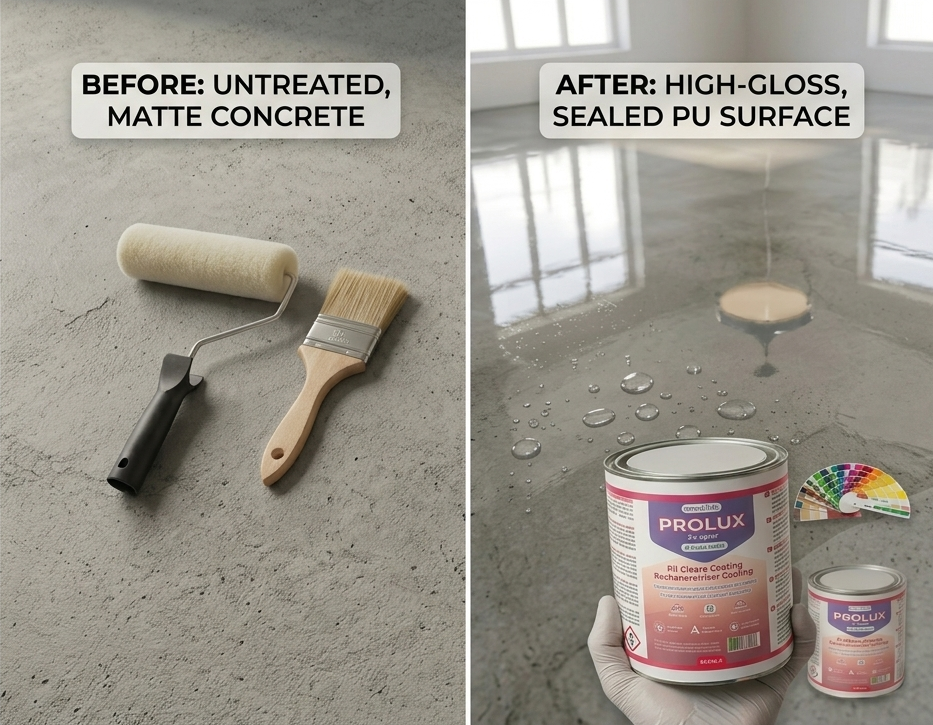
- "Prolux" – PU coating for tiles, concrete, plastic and metal – suitable for driveable surfacesPrice range: £44.85 through £494.85"Prolux" is a polyurethane coating suitable for tiles and various surfaces, designed for durable and versatile use including driveable floors.
- "Trasparente" – Multipurpose Clear Epoxy Resin for Casting – Up to 2cmPrice range: £8.95 through £397.95"Trasparente" provides a clear, glossy finish for castings up to 2cm thick with suitability for woodworking, art, and restoration projects.
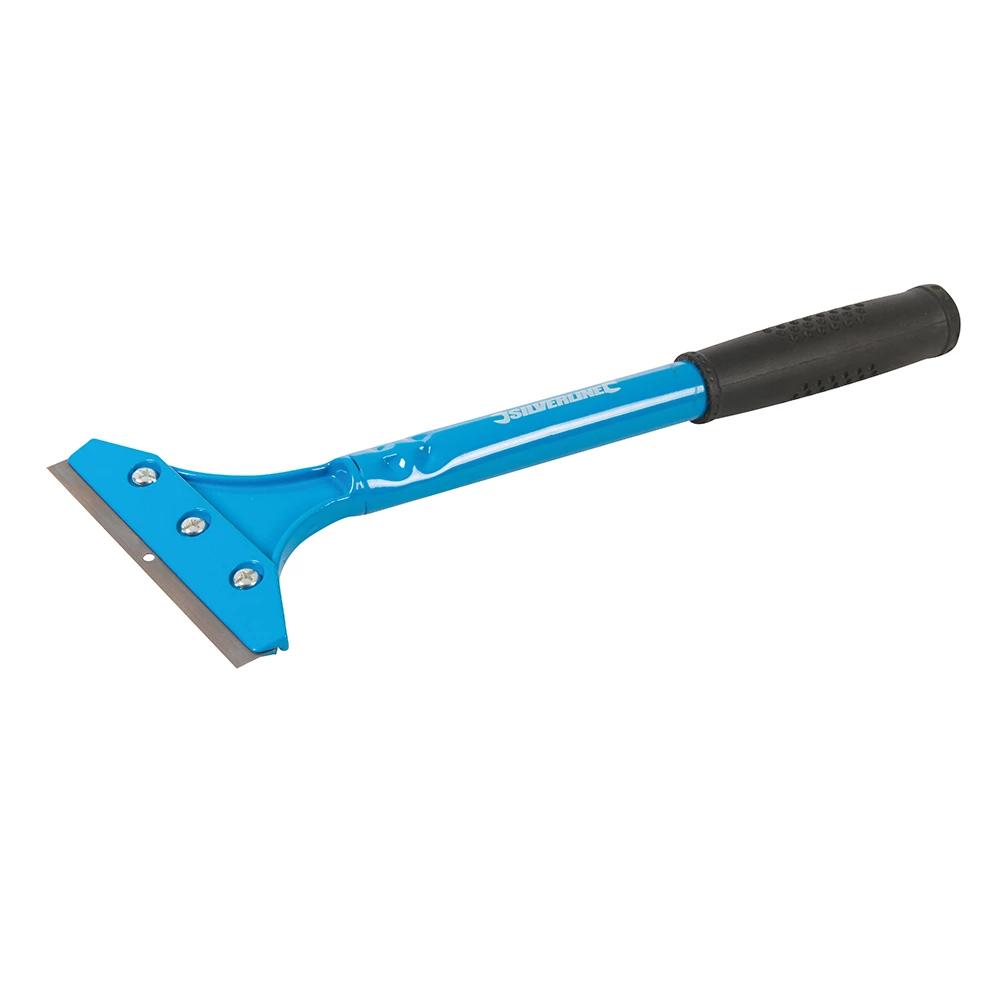 Heavy Duty Scraper for Paint and Epoxy Resin Removal£8.95The Heavy Duty Scraper is a tool designed for comfortable, precise removal of wall coverings, floor tiles, and paint.
Frequently Asked Questions
Can you pour resin directly over a tile floor?
Resin must not be poured directly onto a glazed tile floor without preparation. Proper cleaning, sanding, and priming are essential for strong adhesion.
Is priming necessary before applying resin on tiles?
Using an epoxy primer is crucial to achieve proper bonding between tile and resin, reducing the risk of delamination or bubbles.
What tools are best for sanding or abrading tiles before resin overlay?
A mechanical sander or coarse abrasive paper is recommended. For removal of residues, a heavy duty scraper is effective.
Why should I fill grout joints and make repairs before priming?
Unfilled joints or cracks create weak points, allowing resin to settle unevenly and causing performance issues.
How long should you let epoxy primer cure before adding resin?
Allow at least 24–48 hours, or as specified, to ensure the primer is hardened and tack-free before applying the resin layer.
What are the main reasons a resin overlay can fail on tile?
Failures result from poor cleaning, inadequate abrasion, skipping primer, or applying to wet or unstable substrates.