 Free shipping on orders over £29,85
  Shipping Tracking!


 Google
 Facebook
← Back to How do you prepare a tile floor to overlay resin?

Properly sanding or abrading a tiled floor is a crucial step before overlaying with resin. The correct tools can help you create a textured surface for strong adhesion, setting the foundation for a lasting resin finish.
Choosing the Right Abrading Tools
Mechanical sanders, such as orbital or rotary types, are highly effective for abrading tiles. Pair a sander with coarse abrasive paper (typically 40–80 grit) to roughen the glossy tile surface. This process helps the primer and resin bond securely, reducing the risk of peeling or lifting. For small areas or detail work, hand sanding with coarse abrasive pads can be useful.

Removing Old Residues
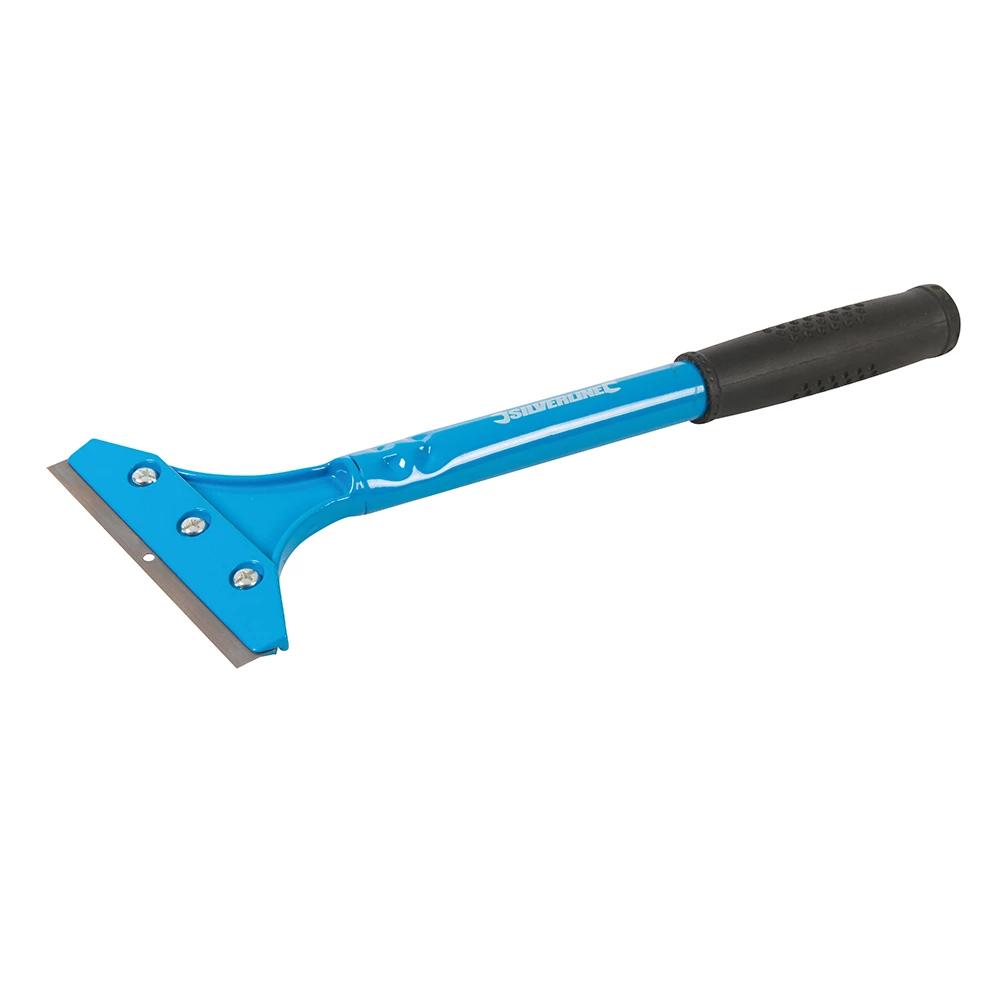
If your tiles have adhesive, paint, or debris on their surface, it’s essential to clear these before sanding. A tool such as the Heavy Duty Scraper for Paint and Epoxy Resin Removal provides precision removal of stubborn residues. Carefully scrape off loose material and sweep away dust before progressing to sanding.
Getting the Surface Ready for Resin Application
After sanding and scraping, thoroughly vacuum the floor to remove all dust. This clean, abraded surface ensures that a suitable primer, like Epoxyprimer, can be applied evenly. Priming not only maximises the bond but also seals the substrate, giving you a stable base for your resin overlay.
Related products
Related guides
Taking the time to sand and abrade your tile floor with the right tools is essential for a flawless resin overlay. To learn more about the full preparation and overlay process, visit our main guide: How do you prepare a tile floor to overlay resin?