 Free shipping on orders over £29,85
  Shipping Tracking!


 Google
 Facebook
What to Do if Epoxy Resin Does Not Harden?
Troubleshooting and prevention for sticky or unset epoxy
If your epoxy resin project remains sticky or soft after curing time has passed, you are not alone. Many resin crafters and professionals encounter issues with resin failing to harden due to incorrect measurements, unsuitable product choice, or environmental factors. This guide covers the main causes behind incomplete curing, how to fix soft or tacky resin, and how to choose the right epoxy product to prevent problems in your future projects.
Understanding & Comparing Causes: Why Does Epoxy Not Harden?
The reasons epoxy resin may not harden can range from inaccurate measuring, inadequate mixing, unsuitable resin selection for your project, or adverse environmental conditions such as low temperature or high humidity. Choosing a resin with the right mixing ratio, pot life, and appropriate depth of pour is crucial. Fast-curing types suit smaller crafts needing quicker turnaround, while deep-cast resins are designed for thick layers and furniture. Below, we compare key features that distinguish popular resin types and how they address hardening issues.

Visual Guide: Sticky vs Cured Epoxy
Epoxy resin that does not harden remains soft or sticky to the touch, while a fully cured surface is smooth, tough, and glossy. The difference is visible in clarity and tactility, with cured surfaces demonstrating transparency and firmness. Sticky or soft resin can usually be traced to mistakes in mixing or unsuitable resin types for your project’s intended thickness—as seen in the gallery and in troubleshooting case studies.
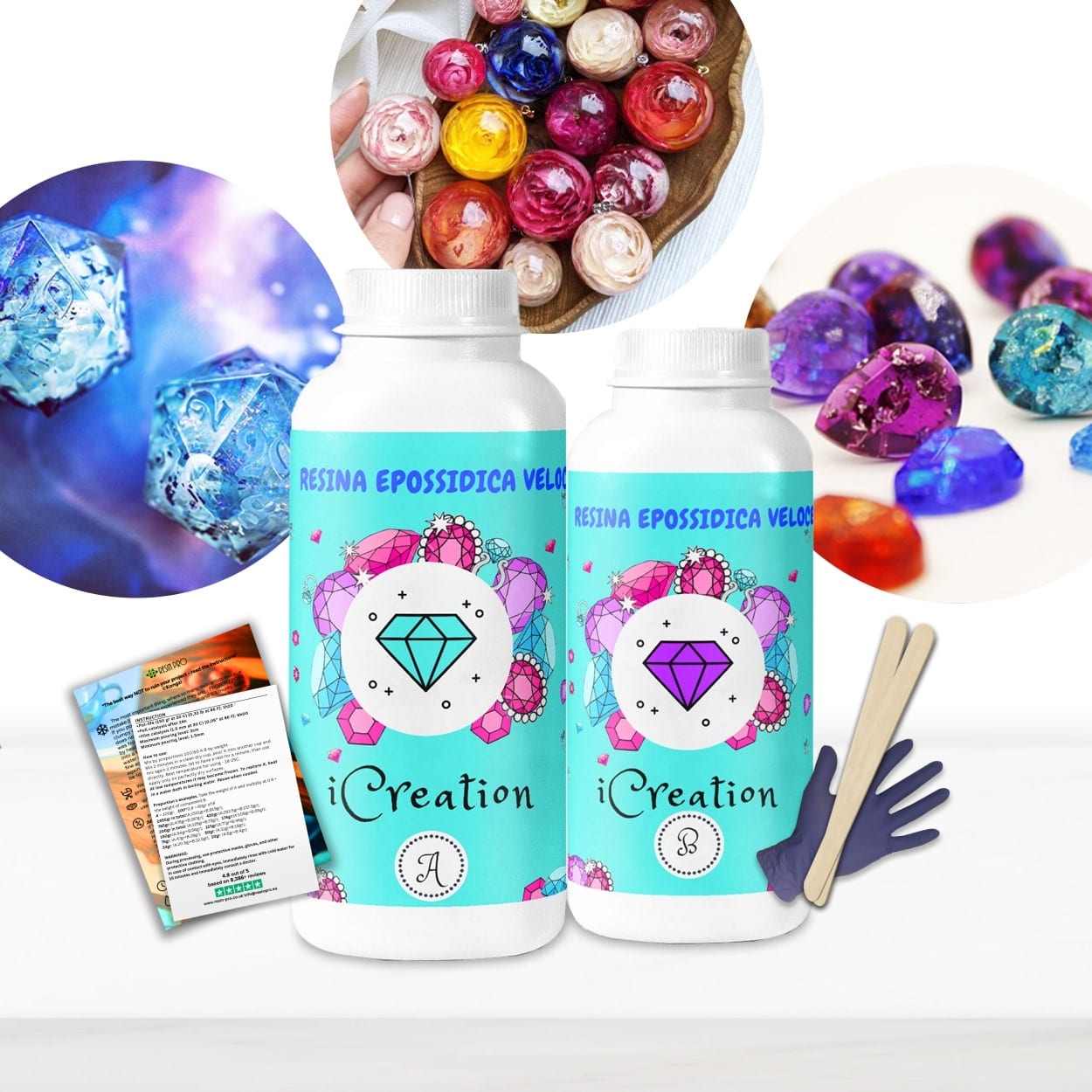
“ICreation” – Fast Epoxy Resin, 6h Demoulding, Transparent Gloss Finish
The “ICreation” – Fast Epoxy Resin is formulated for artists and makers who require rapid demoulding of their creations. Its 6-hour demoulding time means less waiting around, allowing you to progress quickly. The easy 2:1 mixing ratio minimises mistakes during preparation—a common cause for soft or unset resin. With a crystal-clear, glossy, and self-levelling finish plus a UV filter, this resin helps prevent tackiness and yellowing, ideal for jewellery and decorative items.
“One-2-One” – Epoxy Resin for Handcraft, 1:1 Mixing Ratio
Perfect for both beginners and experienced crafters, the “One-2-One” – Epoxy Resin for Handcraft features a user-friendly 1:1 mixing ratio by volume. This medium viscosity resin creates a crystal clear, super-glossy finish and is non-toxic, making it a safe option for home use. Its UV filter providing excellent resistance to yellowing with a 10-year warranty ensures long-lasting results, and its fool-proof mixing reduces the risk of sticky outcomes from incorrect formulation.
“EpoxyTable 5-Five” – Deep Pour Epoxy Resin for Tables & Large Projects (Up to 5cm)
The “EpoxyTable 5-Five” – Deep Pour Epoxy Resin for Tables and Large Projects – Up to 5cm is designed specifically for casting thick layers. Thanks to its designed for deep pour casting up to 5cm thickness and low exothermic reaction to avoid overheating and deformation, it reduces the chance of undercured interiors in thick projects, such as river tables. The strong UV filters to reduce yellowing over 5 years and highly mechanical resistant, scratch-resistant surface ensure both durability and clarity.
“Epoxytable 10-Ten” – Deep Pour Epoxy Resin for Tables, Up to 10cm Casting
For challenging deep-cast applications, “Epoxytable 10-Ten” – Deep Pour Epoxy Resin for Tables, Up to 10cm Casting is the specialist’s choice. Its formulated for casting thicknesses up to 10 cm with low exothermic reaction and super low viscosity supports bubble-free pours and long working times. This controlled curing process helps avoid soft or sticky centres commonly seen in thick resin pours where ordinary formulas can fail. Use it for heavy-duty tables, art castings, and complex deep-layer projects.
Tips to Prevent or Fix Epoxy That Will Not Harden
To avoid soft or sticky results, always measure and mix your resin and hardener precisely—using the correct ratio by volume or weight as instructed. Avoid pouring thick layers with fast-setting resins not designed for depth, as this can trap uncured resin in the centre. When tackling large projects, select products engineered for those dimensions, such as EpoxyTable 5-Five or Epoxytable 10-Ten. If your resin does not harden, scraping off the unset layer and recoating with a compatible, properly-mixed resin is often the most effective remedy. Adjust your workspace temperature to the manufacturer’s recommendation, and never rush the process. For faster results in smaller projects, a fast-curing resin, like ICreation, can be advantageous.
Best Practices for Successful Curing
Always use the correct resin for your project’s depth and work within the recommended temperature range to ensure complete curing. A step-by-step approach—precise measuring, thorough mixing, using products specified for your application, and patience during curing—leads to enduring, flawless epoxy results.
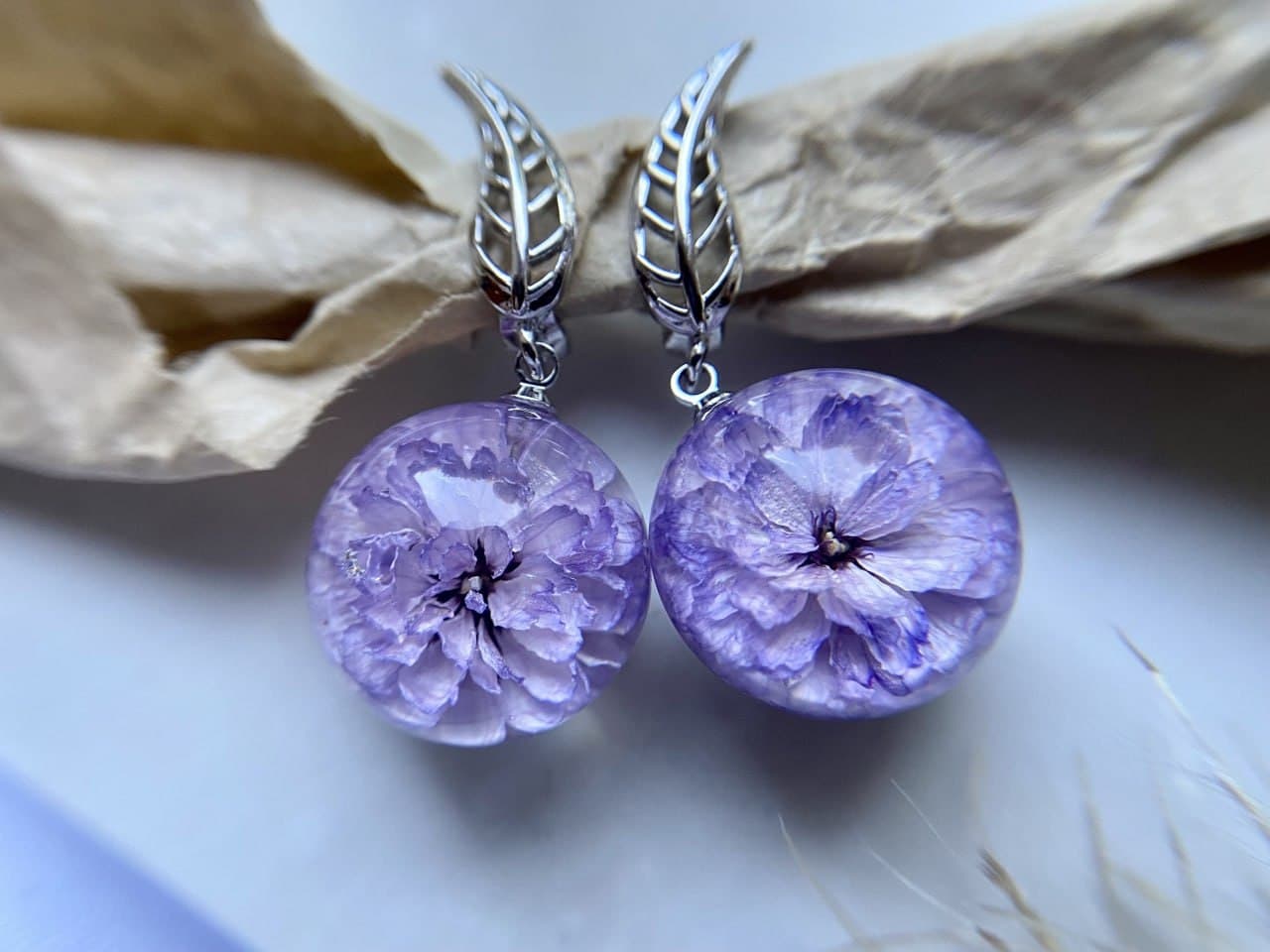
- "ICreation" – Fast Epoxy Resin, 6h Demoulding, Transparent Gloss FinishPrice range: £15.95 through £55.95ICREATION fast epoxy resin offers a 6-hour demoulding time and crystal-clear finish for jewellery and crafts in a practical theme.
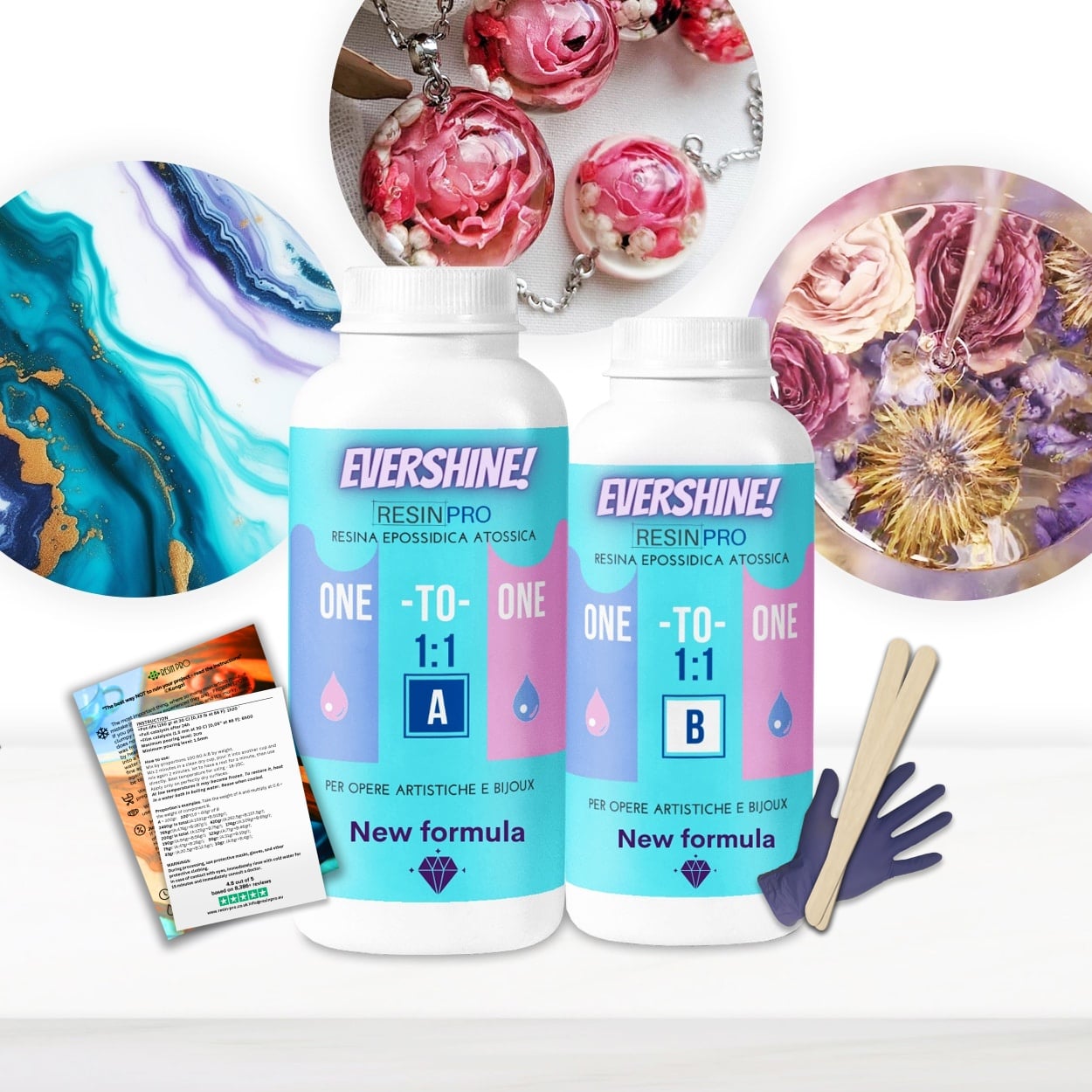 "One-2-One" – Epoxy Resin for Handcraft, 1:1 Mixing RatioPrice range: £15.95 through £59.95ONE-2-ONE epoxy resin is a medium viscosity resin suitable for beginners and experienced crafters seeking easy 1:1 mixing and clear, durable finishes.
 "EpoxyTable 5-Five" – Deep Pour Epoxy Resin for Tables and Large Projects – Up to 5cmPrice range: £17.95 through £1,154.95EpoxyTable 5-Five is suitable for deep pouring up to 5cm, offering strong UV resistance and a highly scratch-resistant surface.
 “Epoxytable 10-Ten” – Deep Pour Epoxy Resin for Tables, Up to 10cm CastingPrice range: £35.95 through £351.95“Epoxytable 10-Ten” is an epoxy resin designed for creating tables and deep castings up to 10cm with detailed instructions included.
Frequently Asked Questions
Why does epoxy resin stay sticky or soft?
This usually happens due to incorrect mixing ratios, inadequate mixing, or pouring a resin not suited for the project thickness or room conditions.
How can I fix epoxy resin that will not harden?
Remove the unset resin, sand the area if needed, and apply a fresh, properly-mixed batch of suitable epoxy resin.
Which epoxy resin type is best for deep pours?
Use resins formulated for deep pours, such as EpoxyTable 5-Five or Epoxytable 10-Ten, as they are designed to cure fully in thick layers.
Can fast-curing resin help avoid sticky projects?
Yes, but only for small projects and when accurate ratios are used. For thick or detailed works, use the resin type best for the depth.
Should I mix epoxy by weight or volume?
Check the product instructions, as some resins require weight-based mixing while others, like One-2-One, use a volume-based ratio.
How important is temperature in epoxy curing?
Temperature greatly affects curing. Working too cold can cause incomplete hardening, so always follow the recommended temperature range.