 Free shipping on orders over £29,85
  Shipping Tracking!


 Google
 Facebook
How is resin applied in pools?
Clear steps for pool repairs, waterproofing and durable finishes

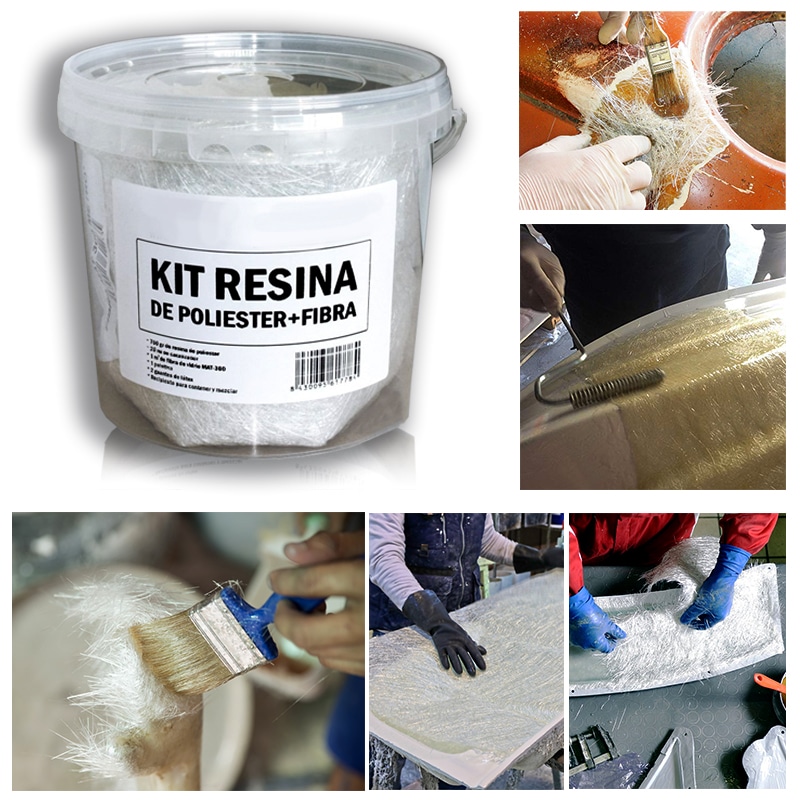
Applying resin in a swimming pool is a proven way to repair cracks, waterproof surfaces, or achieve an attractive and durable decorative finish. This guide walks you through practical steps for using resin systems in various pool-related applications—whether you’re fixing minor damage, installing a new floor, or creating a stunning surround. By following proven techniques, you can achieve a professional, water-resistant result that will stand up to regular use and the unique demands of pool environments.
What You’ll Need
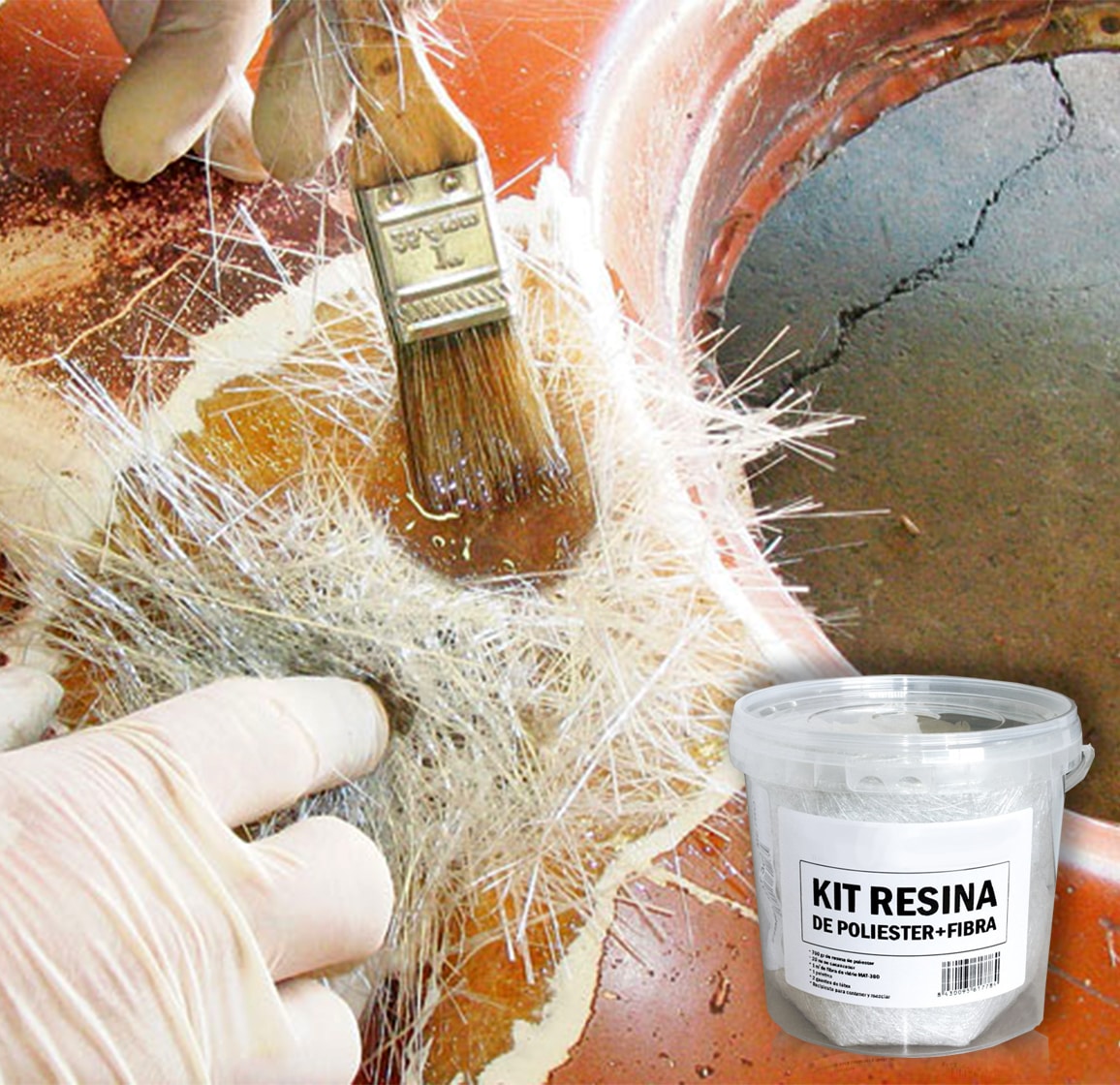
- Resin Fibreglass Repair Kit – Complete Polyester Resin and Hardener Set – for waterproof repairs and reinforcing pool surfaces
- “Epoxyprimer” – Universal Water-Based Two-Component Epoxy Floor Primer – to create a solid base for new resin flooring or overlays
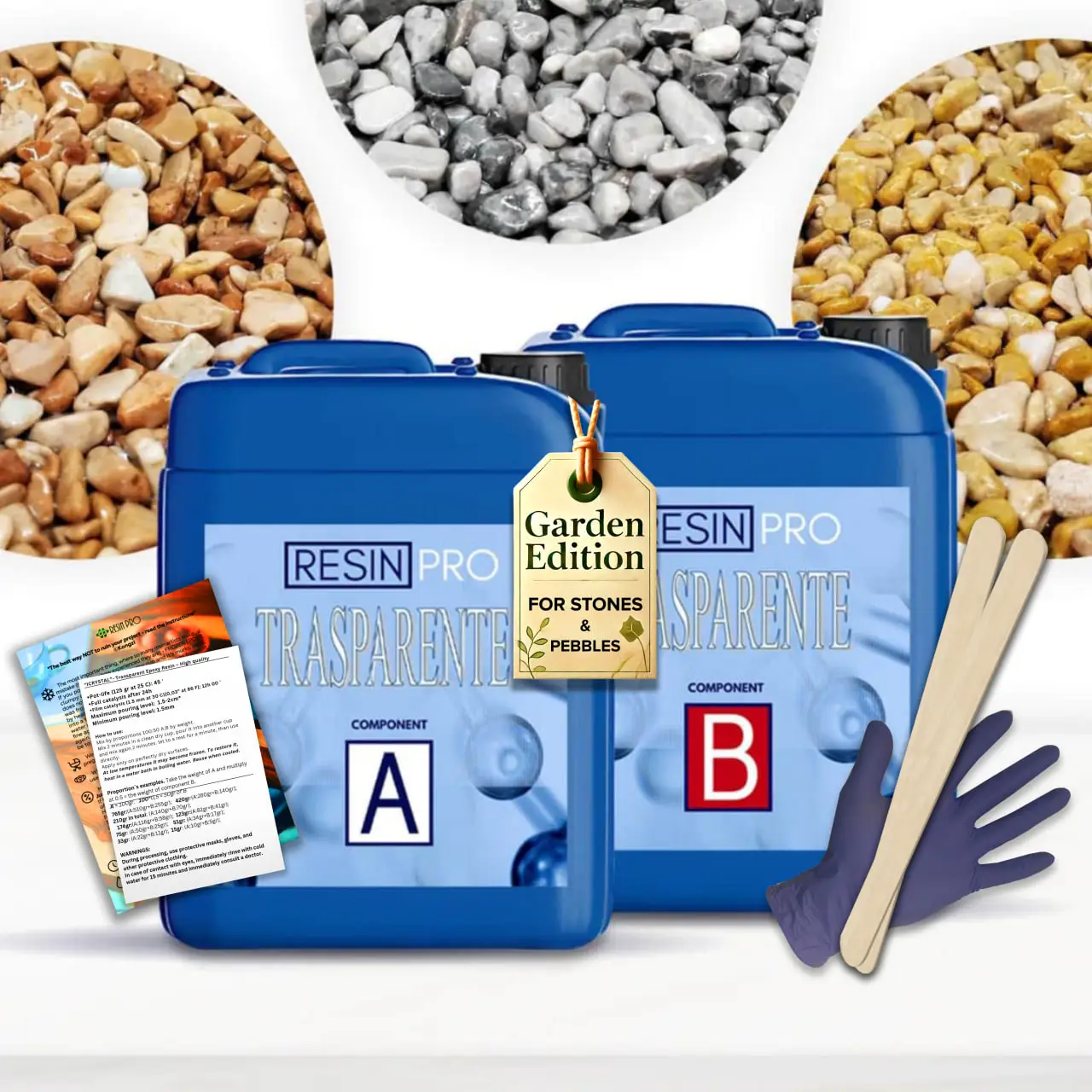
- “Trasparente” – Epoxy Binder for Coloured Pebbles and Grits – for decorative and UV-resistant pebble surfaces around pools
- “Flowstone” – Complete Permeable Floor Kit with Pebbles and Resin – suitable for anti-slip, draining areas on pool surrounds or paths
- Protective gloves, eye protection, rollers or brushes, mixing containers
- Cleaning products (detergent, degreaser), water, rags or cloths
Pool Resin Application Examples
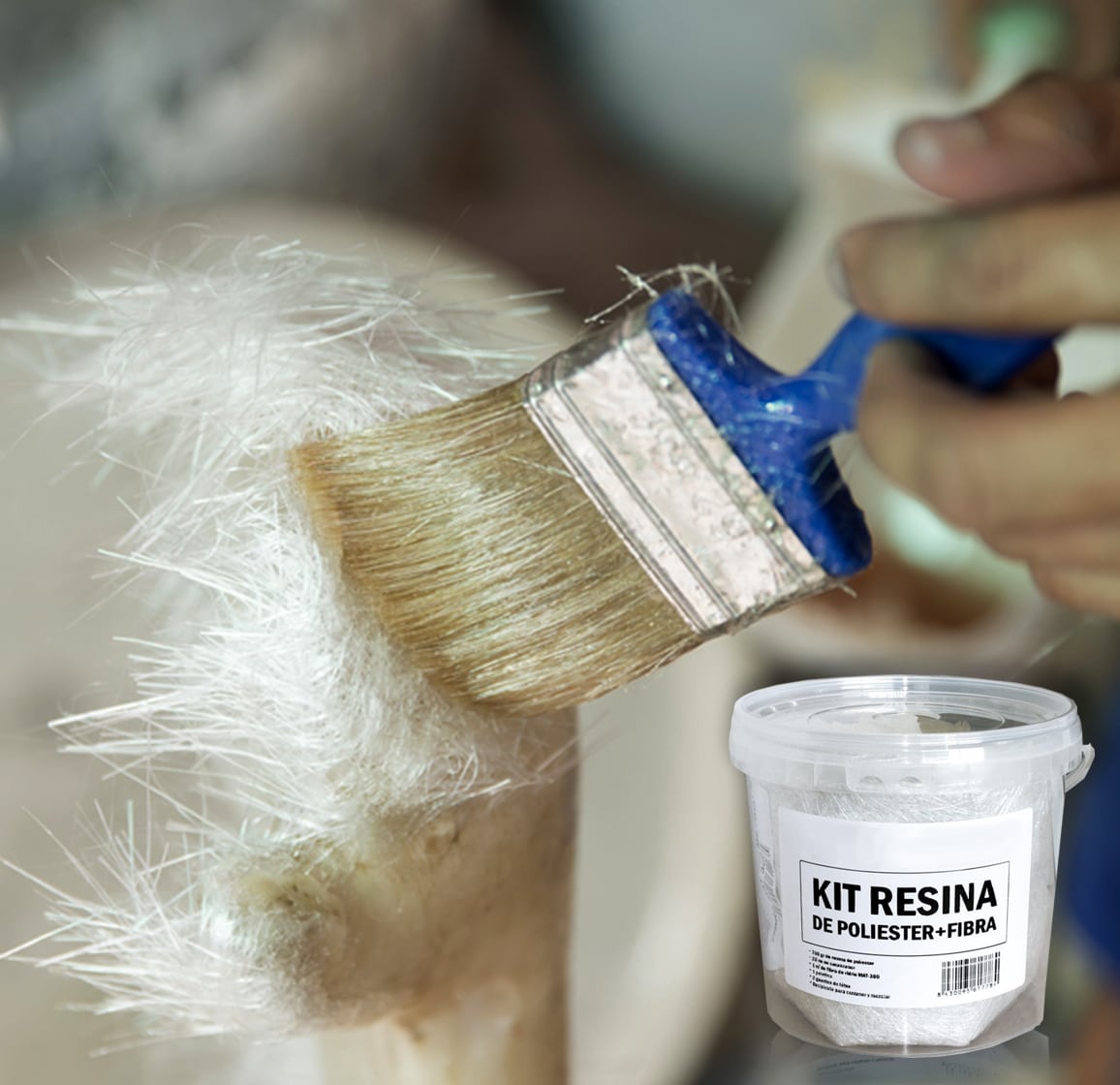
See step-by-step photos of pool resurfacing and waterproof repairs, including fibreglass matting and pebble-bound resin surrounds. Real project images help visualise each phase of pool resin work.
Step 1: Prepare the Pool Surface
Begin by draining the pool (if necessary) and ensuring the application area is free from any standing water. Clean the target surface thoroughly with a suitable detergent, removing all traces of algae, grease, dust, or old paint. A pressure washer can be useful, but allow the area to dry completely before proceeding. Ensure your pool surface is completely clean, dry, and free from grease before applying resin. Poor surface preparation will lead to failed adhesion and future leaks.

Step 2: Repair Cracks or Damaged Areas
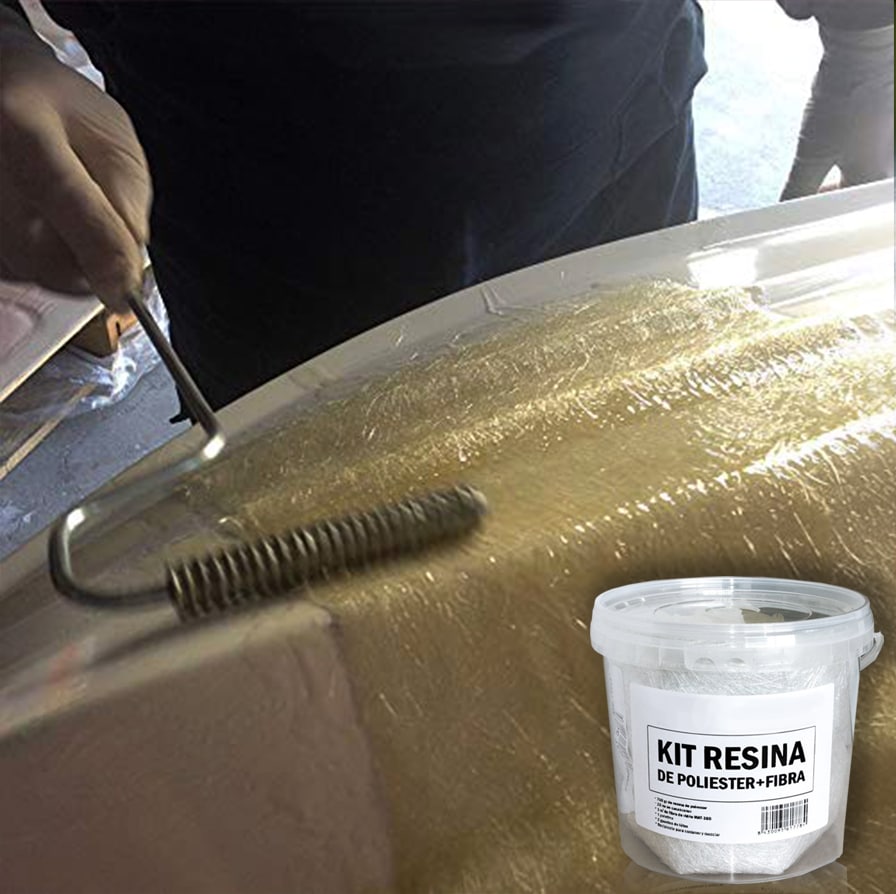
Inspect the pool for cracks, chips, or holes. For structural repairs or waterproof reinforcement, use a specialised polyester or epoxy resin with a fibreglass mat. A product such as the Resin Fibreglass Repair Kit – Complete Polyester Resin and Hardener Set contains everything needed for patching, including resin, hardener, fibreglass mat, and tools. Cut the mat to size, mix the resin and hardener as directed, and apply to the problem area, pressing the fibreglass in while wet. Allow full curing as indicated in the product instructions before moving on.
Step 3: Prime the Substrate (For New Surfaces or Overlays)
For new surfaces—especially concrete, screed, or tiled pools—it’s vital to use a primer that enhances bonding and prevents delamination of subsequent resin coats. Apply a dedicated epoxy primer like “Epoxyprimer” – Universal Water-Based Two-Component Epoxy Floor Primer using a roller or brush. Ensure even coverage and allow the recommended drying time (often up to 48 hours) before applying resin coatings.

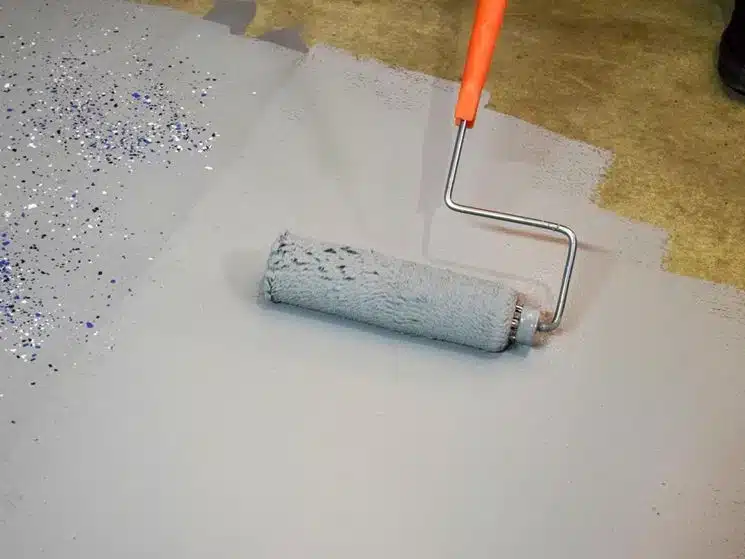
Step 4: Apply Resin Layer or Pebble Mix
For waterproof coatings, mix the resin and hardener as specified, then spread over the primed and repaired surface with a roller, spreader, or brush. Work in sections, ensuring each layer is even and free of bubbles or impurities. If creating a decorative finish—such as a pebble or aggregate surround—combine decorative gravel with a transparent epoxy like “Trasparente” – Epoxy Binder for Coloured Pebbles and Grits, mixing thoroughly before laying. Spread the resin-gravel mixture evenly to the required thickness and compact with a trowel for a seamless finish.
Step 5: Allow Resin to Cure and Perform Final Checks
After application, strictly follow curing times specified by the resin manufacturer. Avoid contact with water, foot traffic or debris during this period. Perform a careful inspection after full cure—test for hardness and ensure there are no uncoated areas or weak spots. Once satisfied, the pool or surround can be returned to regular use.

Tips, Common Mistakes & Troubleshooting
Always wear gloves and eye protection when handling resin or hardener. Mix resin and hardener in precise ratios and only as much as you can apply within the working time. Do not rush surface prep—poor preparation is a leading cause of failed adhesion and leaks in pool repairs. Watch for damp substrates, as excess moisture can prevent proper curing. Work in sections and allow each layer to cure fully before adding more resin or overlays. If bubbles appear, use a spiked roller or gentle heat to release trapped air. Store all resin products tightly sealed, out of direct sunlight, and use within shelf life.
Techniques and Finishes for Pools
From smooth waterproof coatings to decorative non-slip pebble borders, resin systems offer versatility for pools and surrounding areas. Explore close-ups of common finishes and professional surface preparation in action.
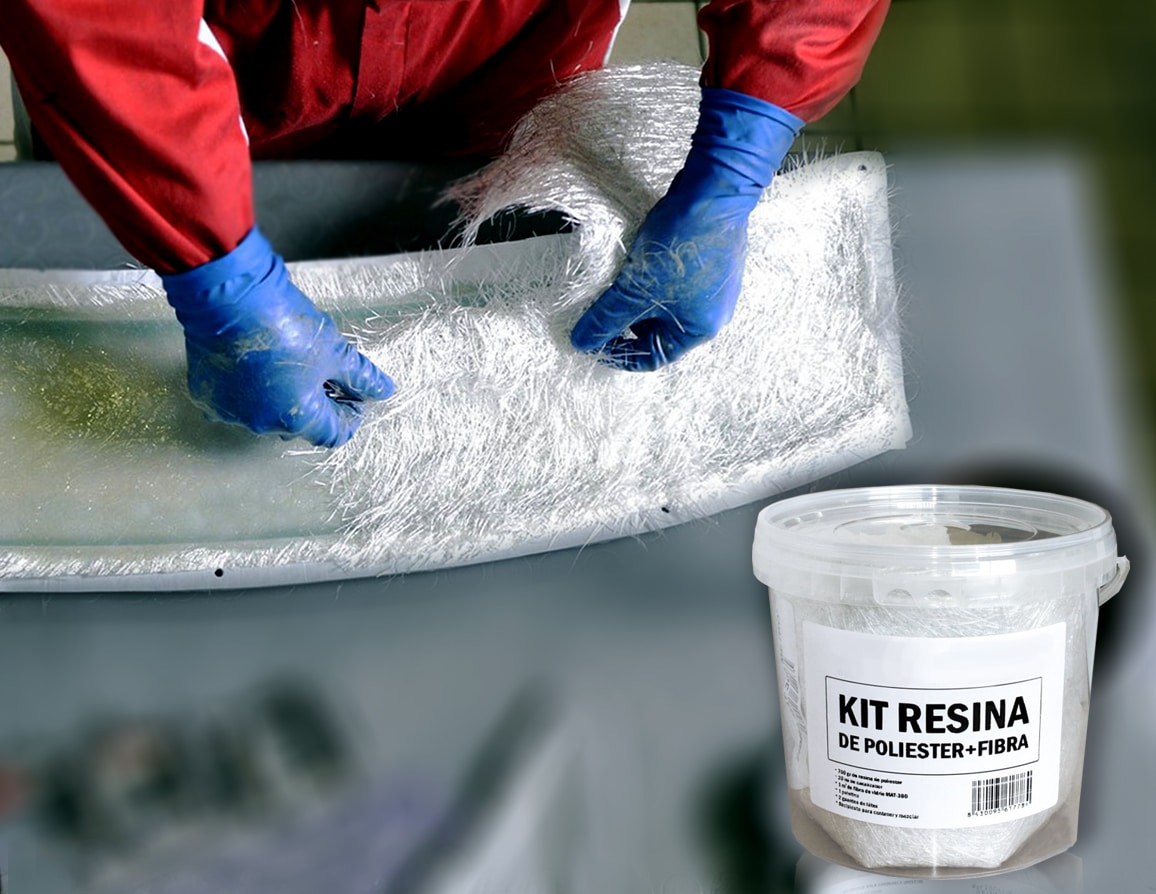
- Resin Fibreglass Repair Kit – Complete Polyester Resin and Hardener SetThe Resin Fibreglass Repair Kit provides durable waterproof bonding suitable for pool repairs and similar applications.
- "Epoxyprimer" – Universal Water-Based Two-Component Epoxy Floor PrimerPrice range: £156.45 through £286.45Epoxyprimer is a water-based two-component epoxy primer suitable for concrete, tiles, wood, and screeds, delivering reliable adhesion and durability.
- "Trasparente" – Epoxy Binder for Coloured Pebbles and GritsPrice range: £33.45 through £397.95"Trasparente" is a clear epoxy binder designed for coloured pebbles and grits with UV resistance, suited to pool and outdoor applications.
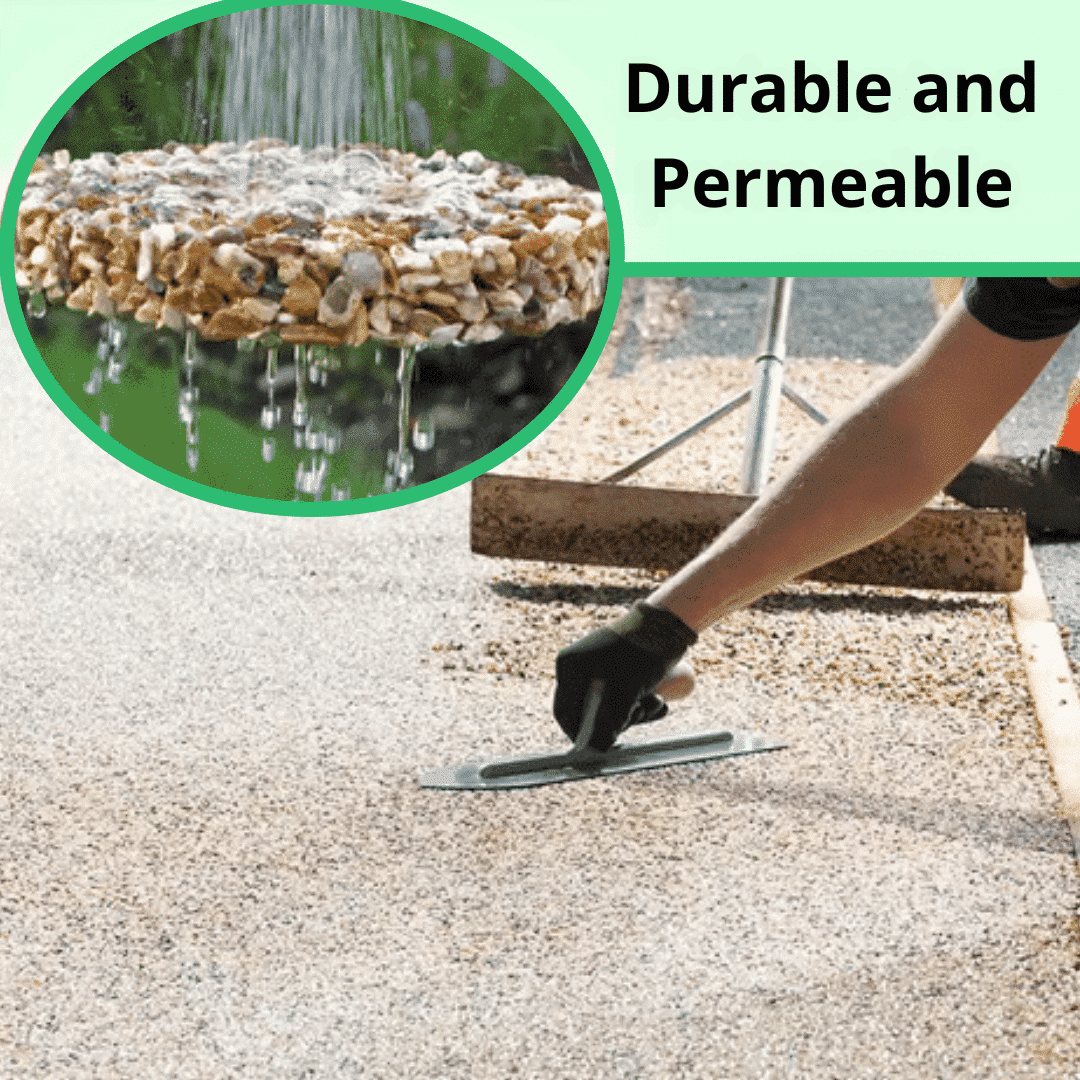 "Flowstone" – Complete Permeable Floor Kit with Pebbles and ResinPrice range: £49.95 through £3,915.45A durable, permeable pebble and resin flooring kit designed for outdoor spaces with easy application and customisable finish.
Frequently Asked Questions
Can I repair pool cracks with resin myself?
Yes, with the right kit and preparation, most minor pool cracks can be repaired without professional help.
Which resin is best for decorative pool surrounds?
Use a clear, UV-resistant epoxy binder designed for outdoor aggregates to ensure lasting colour and durability.
How long must I wait before refilling the pool after resin works?
Resin cures at different rates; always follow the instructions. Full curing may take 24–48 hours or longer, especially for deep repairs.
Is pool resin application safe to do indoors?
Yes, if you use water-based or odourless resin systems. Always ensure airflow and wear protective equipment.
Do I need to prime the pool before applying resin?
Yes, primers improve adhesion and durability, especially on porous or tiled surfaces, and help achieve a professional finish.
Can resin be applied on wet pool surfaces?
No, surfaces must be completely dry and clean to prevent adhesion problems and ensure proper curing.