 Free shipping on orders over £29,85
  Shipping Tracking!


 Google
 Facebook
How do you apply resin over a floor?
Step-by-step guidance for a seamless, durable resin floor
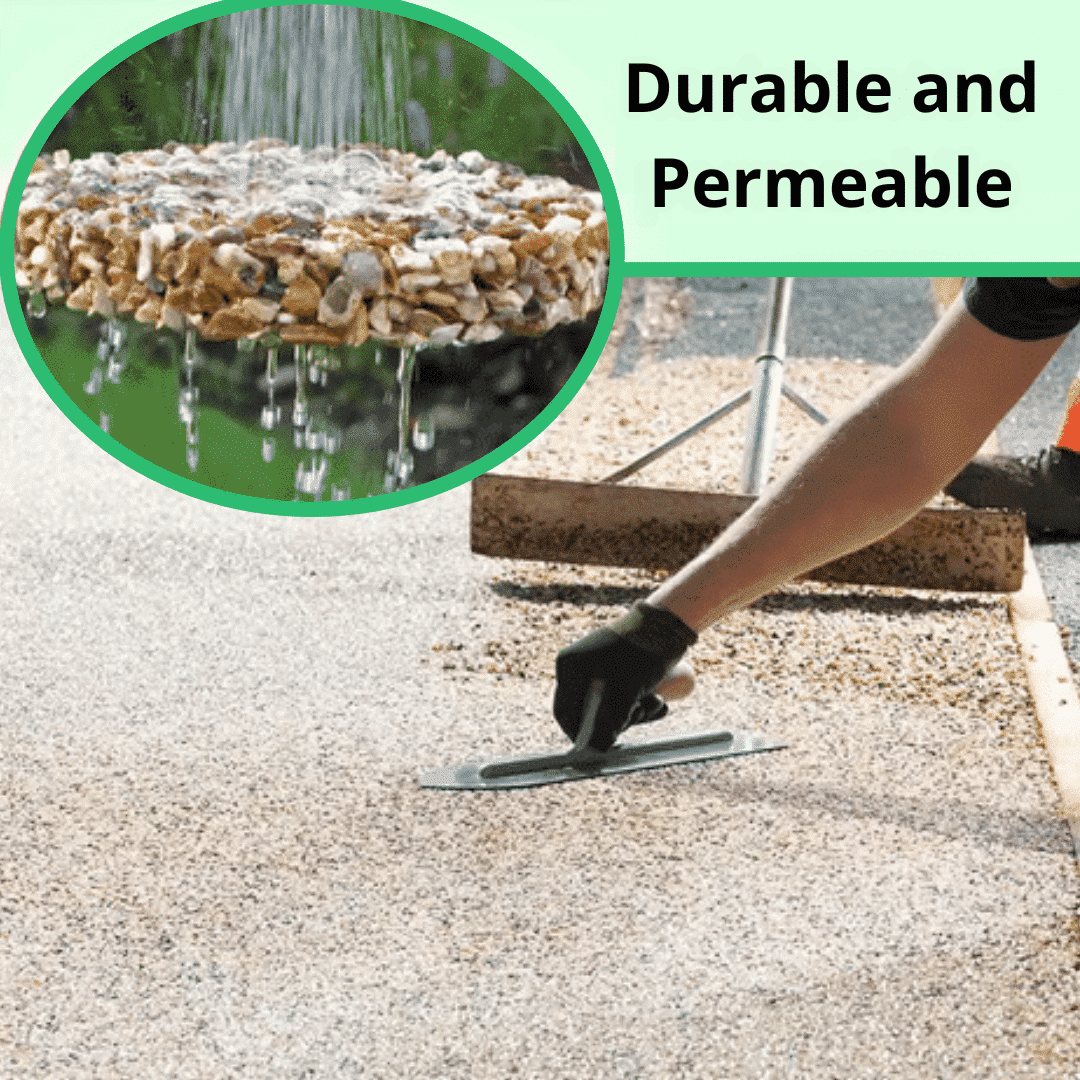
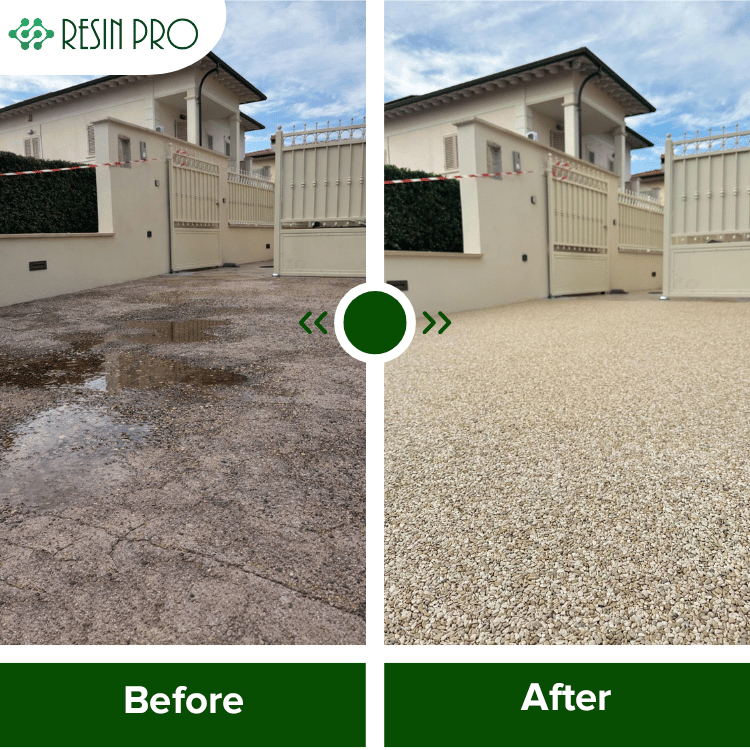
Resin flooring delivers a durable, visually appealing and seamless finish—whether you’re renovating a concrete garage, upgrading a patio, or creating a stunning decorative surface. This guide walks you through the entire process, from preparation to application and curing, ensuring professional-level results for both indoor and outdoor spaces.
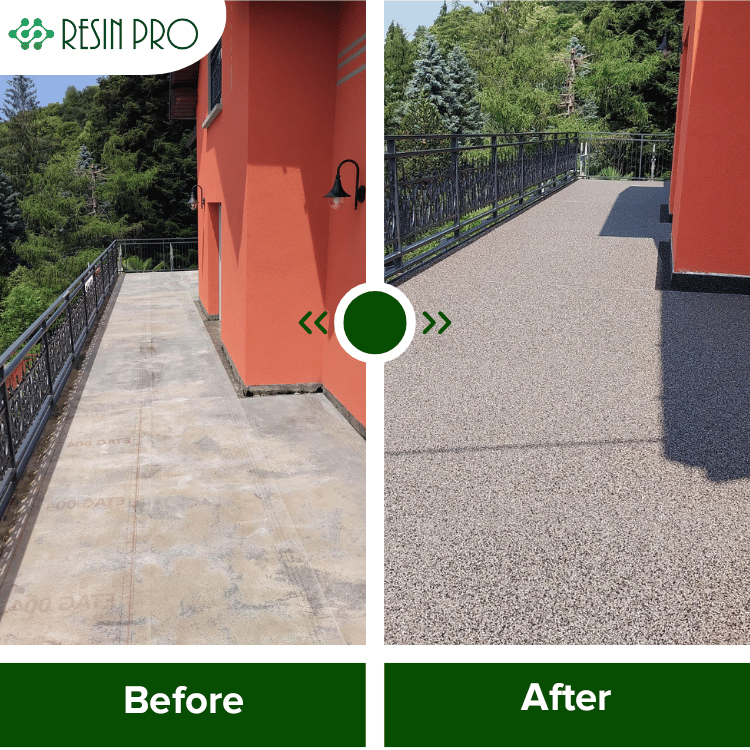
What You’ll Need
- “Epoxyprimer” – Universal Water-Based Two-Component Epoxy Floor Primer: For priming and ensuring superior resin adhesion on most substrates.
- “Flowstone” – Complete Permeable Floor Kit with Pebbles and Resin: All-in-one solution for decorative and water-draining resin pebble floors.
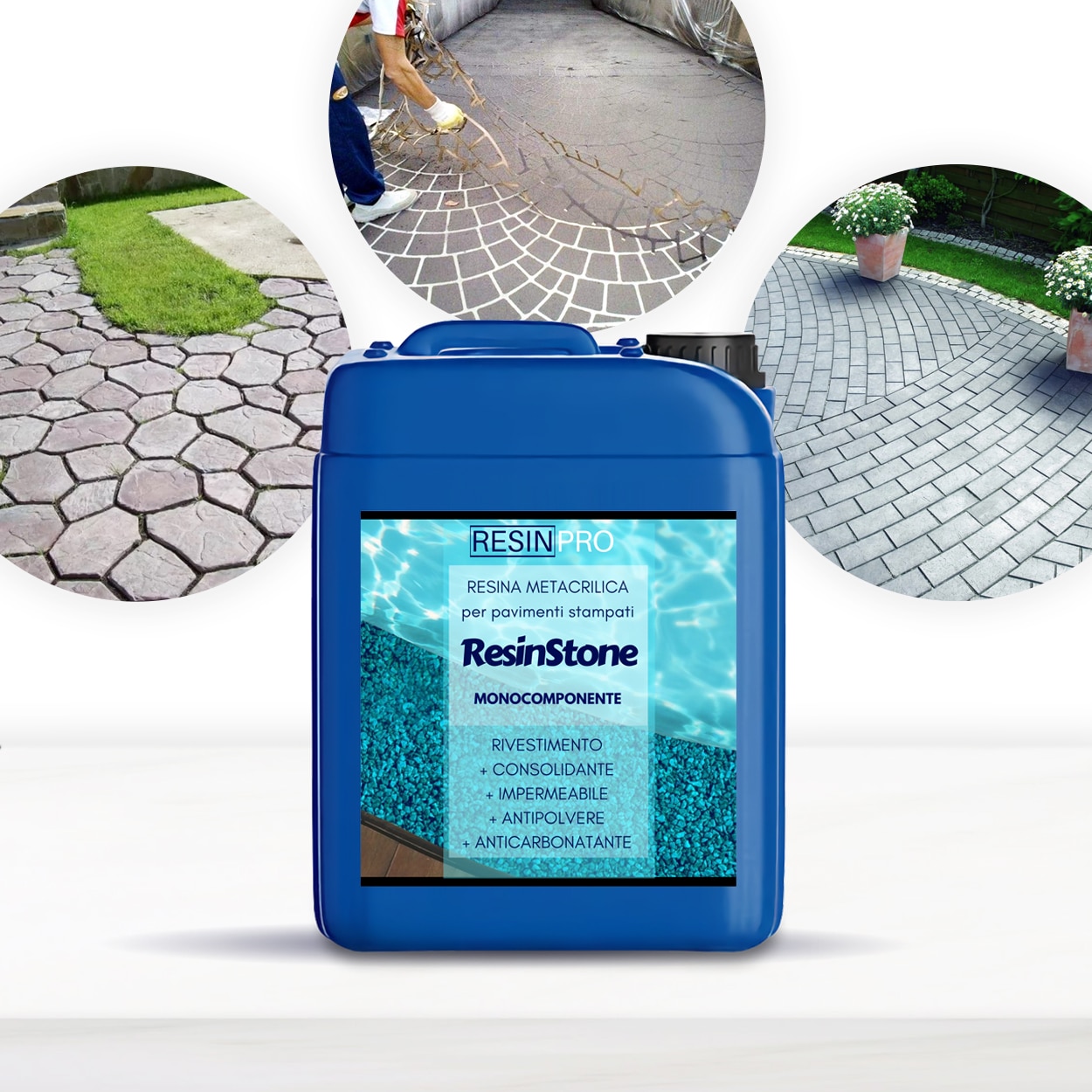
- “Resinstone” – One-Component Methacrylic Resin for Concrete Floors and Driveways: For sealing and protecting concrete floor surfaces.
- “Trasparente” – Epoxy Binder for Coloured Pebbles and Grits: Clear binder for coloured pebbles, grits and decorative finishes.
- Mixing containers and paddle
- Roller, brush or spatula for application
- Protective gloves and eye protection
- Masking tape for edges
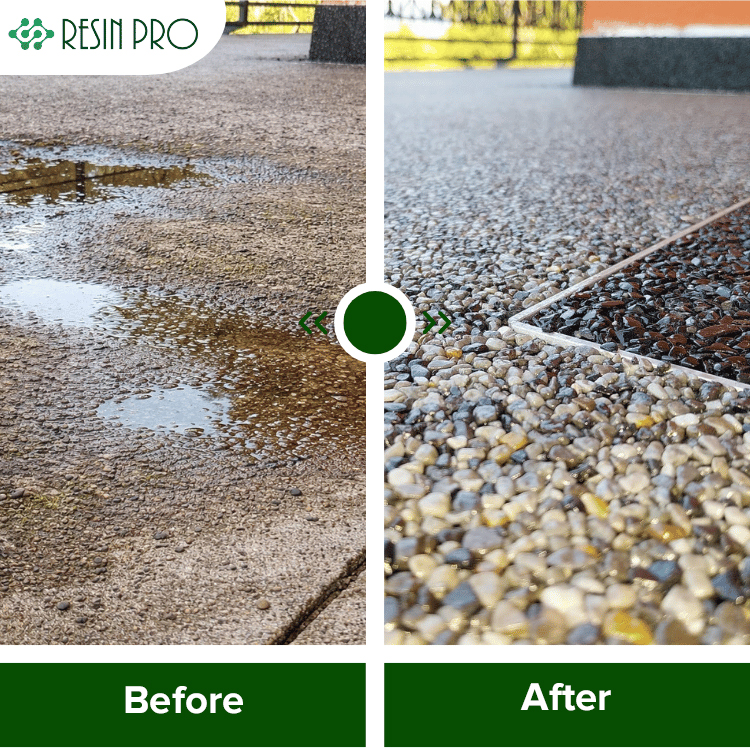
Key Stages Visualised
Preparation and priming are the foundations of a successful resin floor. Visual walkthroughs often help clarify techniques—from patching and taping, to primer coverage and mixing aggregates thoroughly. These visuals can guide you in achieving a smooth, even, and long-lasting finish in your project.
Step 1: Prepare the Surface
Ensure your surface is stable, dry, and free from grease or debris before applying resin. Sweep and vacuum thoroughly, then degrease the area if needed. Repair any cracks or holes using an appropriate filler and allow the surface to dry completely. For old or porous substrates, sanding or grinding may improve adhesion. Pay close attention to the moisture content—resin should not be applied to wet or unstable surfaces.
Take the time to mask edges and adjacent walls to prevent unwanted resin splashes.


Step 2: Prime the Floor
Apply primer for optimal adhesion and longevity. On concrete, screed, timber, or tiles, use a suitable epoxy primer. This improves bond strength, reduces substrate absorption, and helps prevent bubbles in the final finish.
For most surfaces, “Epoxyprimer” – Universal Water-Based Two-Component Epoxy Floor Primer is ideal. Mix according to instructions (typically at a 100:40 ratio), then roll or brush an even layer over the entire area. Allow it to cure for 24–48 hours before proceeding.
Step 3: Mix Resin and Aggregates
Measure the required amounts of resin and hardener, following the manufacturer’s guidance closely. For pebble or decorative stone systems, combine aggregates with the mixed resin in a large vessel. Mix resin and aggregates thoroughly to avoid weak patches. Use a forced-action mixer, paddle or cement mixer for best results—especially on larger surfaces.
If your project calls for a decorative and permeable finish, the “Flowstone” – Complete Permeable Floor Kit with Pebbles and Resin provides all components with easy-to-follow mixing instructions for both resin and aggregate proportions.

Step 4: Apply the Resin Layer
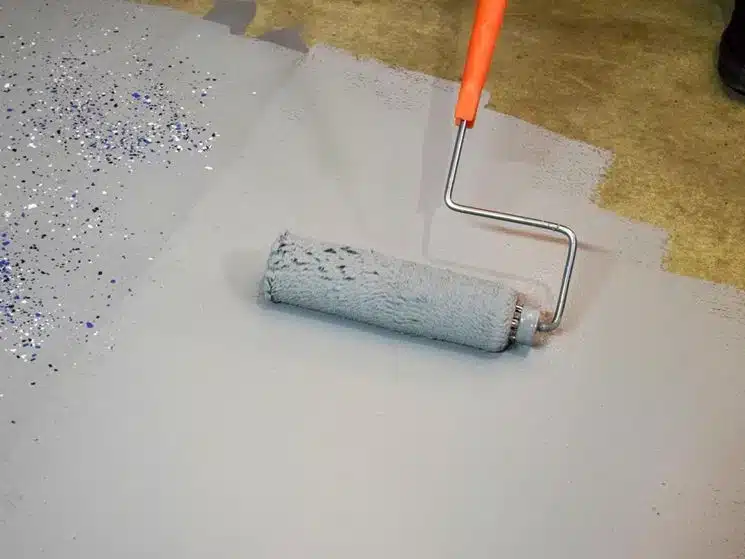
Work efficiently—resin has a limited pot life. Pour or trowel the mixed resin (with or without aggregates, depending on the system) onto the primed surface. Spread evenly using a trowel, float, or smoothing tool to achieve your desired thickness—generally between 10–15 mm for pebble systems, or thin coats for sealers. Take care to work the resin into all edges and corners.
For a clear, UV-resistant finish over decorative stones or coloured grits, use the “Trasparente” – Epoxy Binder for Coloured Pebbles and Grits. This ensures the surface remains bubble-free and maintains colour vibrancy.
For sealing and protecting bare concrete, “Resinstone” – One-Component Methacrylic Resin for Concrete Floors and Driveways is ideal. Apply in thin, even coats with a roller or brush.
Step 5: Allow to Cure and Inspect
Allow generous curing time before use. Most resin floors become touch-dry after 10–24 hours, but full chemical resistance and mechanical strength develop over several days. Prevent foot traffic or moisture exposure until the manufacturer’s stated cure is complete.
After curing, assess the finish for evenness and coverage. Address any minor imperfections with a subsequent thin coat if required. Remove masking tape before the resin fully hardens to avoid ragged edges.

Tips and Common Mistakes
- Work in well-ventilated areas and always wear protective gear.
- Never apply resin in extreme cold, heat, or high humidity—this causes poor curing and surface defects.
- Double-check mixing ratios and blend components thoroughly.
- For large projects, enlist help to apply resin before it begins to set.
- Dry, stable substrate is essential—trapped moisture leads to blistering or weak adhesion.
Troubleshooting Resin Floor Application
Most issues arise from poor preparation or rushed application. Step-by-step videos and before/after galleries are useful for spotting, understanding, and avoiding pitfalls—like uneven curing, air bubbles, or weak bonding. Leverage these resources to gain extra confidence before starting your own resin floor.
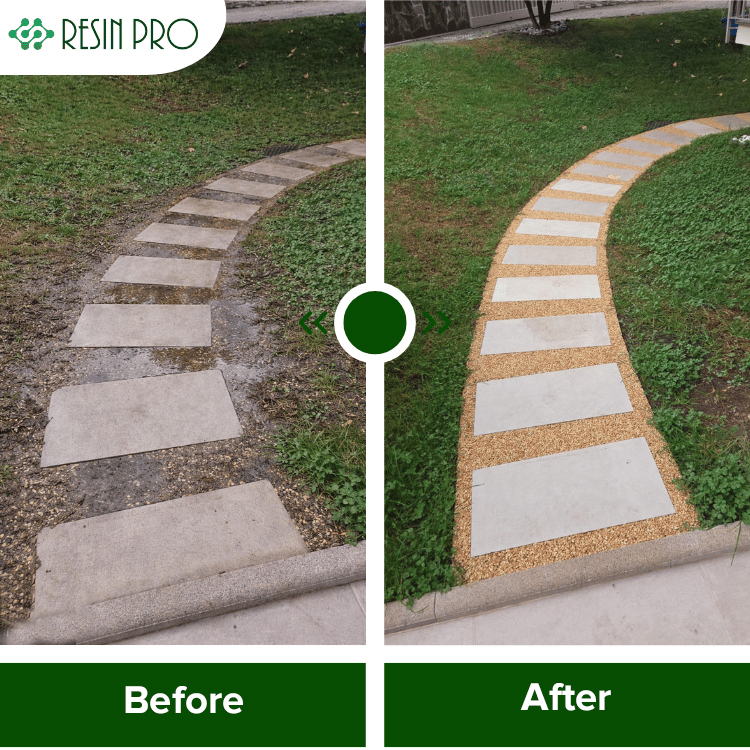
- "Flowstone" – Complete Permeable Floor Kit with Pebbles and ResinPrice range: £49.95 through £3,915.45The Flowstone kit offers a permeable pebble and resin floor system with simple application and guidance suited for various outdoor surfaces.
- "Epoxyprimer" – Universal Water-Based Two-Component Epoxy Floor PrimerPrice range: £156.45 through £286.45Epoxyprimer is a water-based two-component primer designed for consistent adhesion on various floors, supporting resin applications.
- "Resinstone" – One-Component Methacrylic Resin for Concrete Floors and DrivewaysPrice range: £36.71 through £336.48"Resinstone" is a one-component methacrylic resin designed for sealing concrete floors and driveways, offering durable protection with fast drying.
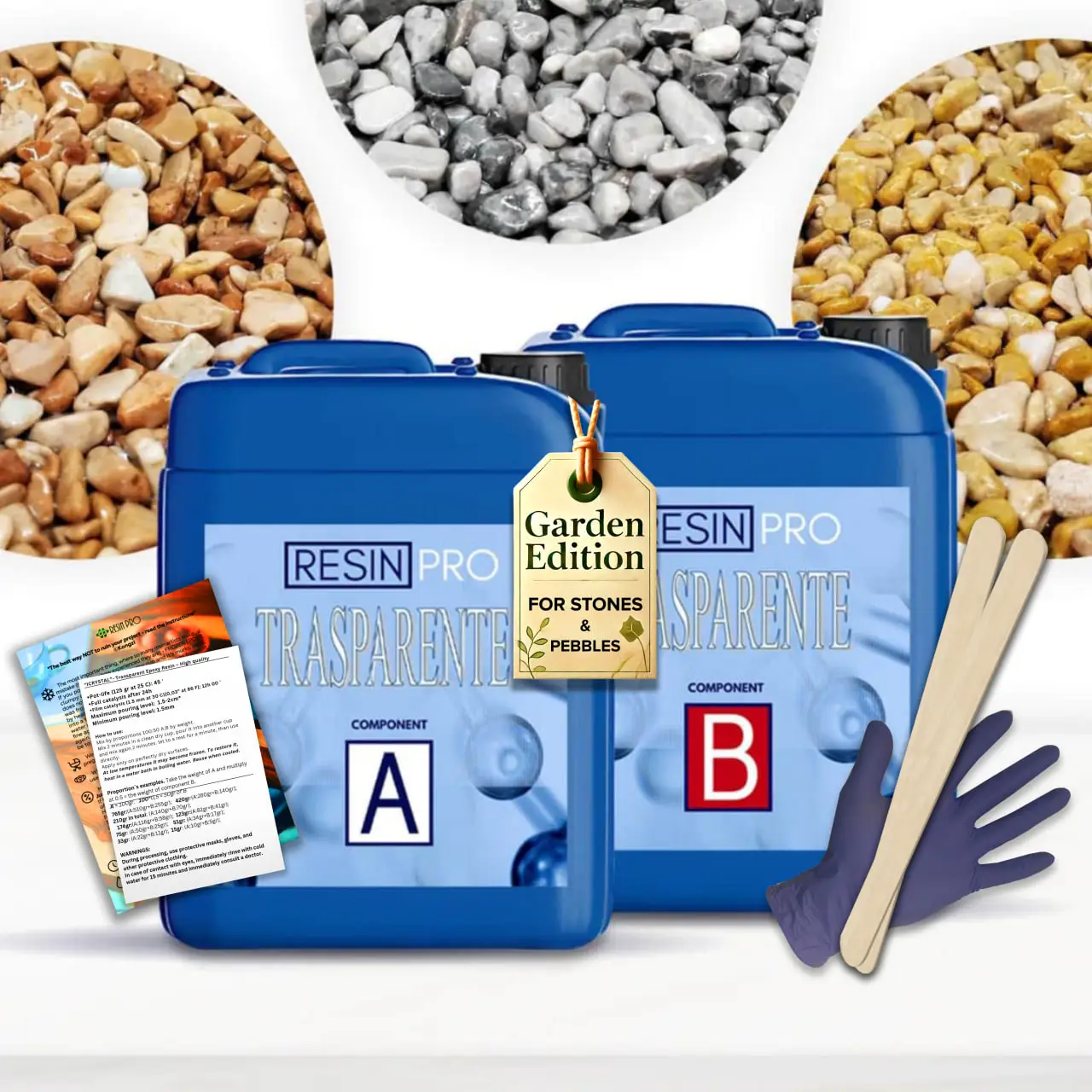 "Trasparente" – Epoxy Binder for Coloured Pebbles and GritsPrice range: £33.45 through £397.95"Trasparente" is a transparent epoxy binder for coloured pebbles, designed for clear, UV-resistant finishes on floors.
Frequently Asked Questions
What preparation is needed before applying resin to a floor?
The surface must be stable, dry, clean and free from oil or dust. Repair cracks and defects before priming.
Is a primer necessary for resin floors?
A primer greatly improves adhesion and helps prevent bubbles. It is essential for long-lasting, durable results.
How long does resin flooring take to cure?
Touch dry in 10–24 hours, fully cured and strong after several days. Follow the product's guidelines for best results.
On which surfaces can I apply resin floors?
Epoxy-based systems work on concrete, screed, tiles, and timber when properly prepared and primed.
What weather and room conditions are best for resin application?
Apply resin in moderate temperatures with low humidity. Avoid extreme cold, heat, and damp environments.
What type of resin should I use for different floor types?
For concrete, use methacrylic or epoxy sealers. For decorative pebble floors, choose binders designed for aggregates.