 Free shipping on orders over £29,85
  Shipping Tracking!


 Google
 Facebook
← Back to How to resin a circuit board?

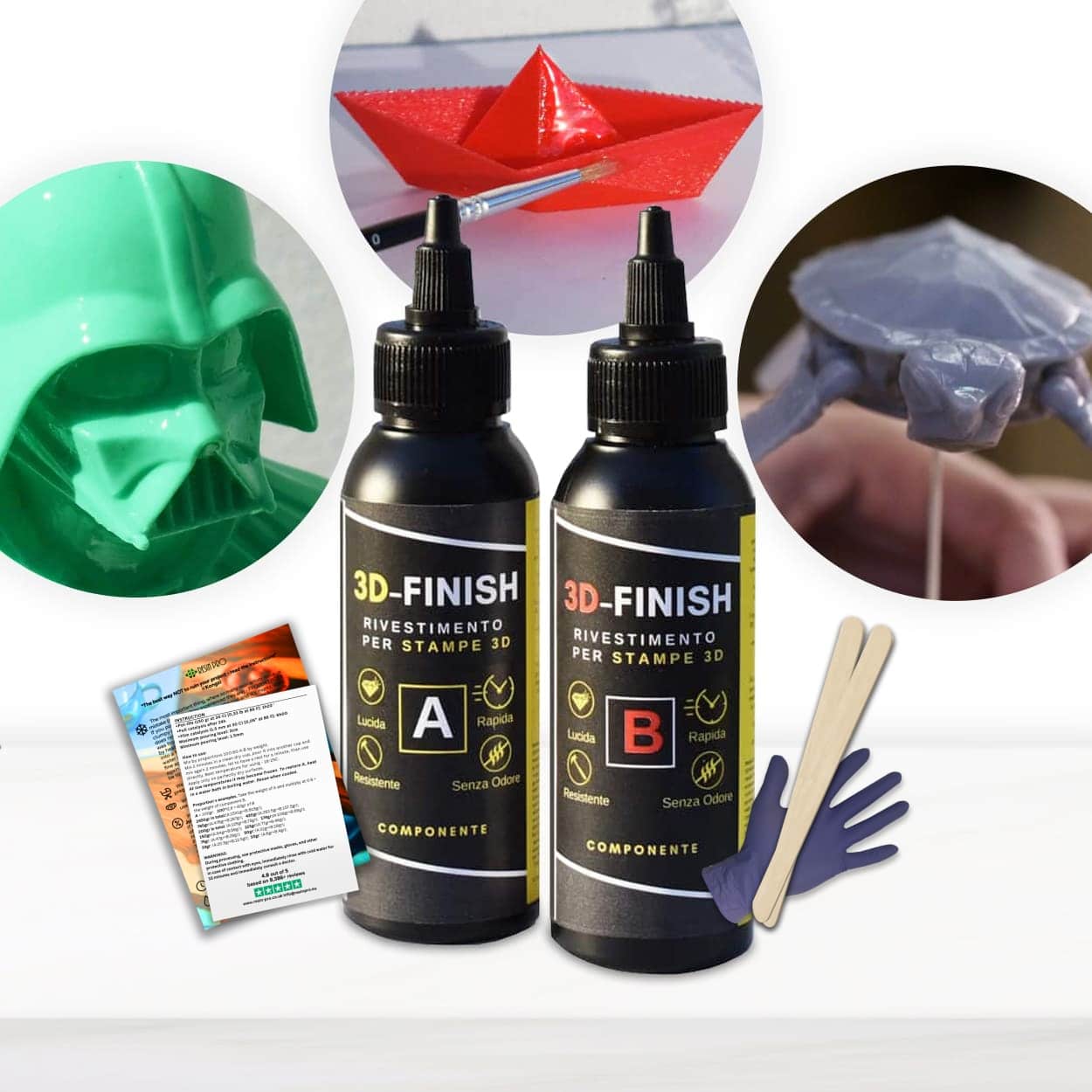
Preparing your circuit board correctly before applying resin is essential for ensuring proper adhesion and protecting your electronics. A careful cleaning process can make the difference between a flawless finish and issues down the line.
Why Clean Before Resin?
Resin needs a spotless surface to bond effectively. Dust, fingerprints, or oils left on the board may cause imperfections, bubbles, or areas where the resin fails to adhere. This is particularly important for safeguarding intricate or delicate circuitry from future moisture and contaminants.
Step-by-Step Cleaning Method
- Choose 99.9% isopropyl alcohol: This high-purity cleaner quickly evaporates, leaving no residue that could interfere with resin applications. Pure Isopropyl Alcohol 99.9% – 1000ml Bottle is ideal for this task.
- Use a lint-free cloth: Dampen the cloth with isopropyl alcohol, ensuring it is not dripping. Gently wipe over the entire board, focusing on component areas and connections.
- Allow to dry: Let the board air dry completely before proceeding with resin application to avoid trapping any moisture.
Buying and Handling Tips
- Opt for isopropyl alcohol at the highest available purity (99.9%) to prevent unwanted residues.
- Store the cleaner in a cool, well-ventilated area away from heat or open flames.
- Always use gloves to keep both the board and your hands clean from oils and debris.
Related products
Related guides
Proper cleaning lays the foundation for a reliable resin coating on your circuit boards. Find more tips and complete project guidance by exploring our How to resin a circuit board? hub page.