 Free shipping on orders over £29,85
  Shipping Tracking!


 Google
 Facebook
How do you apply resin on walls?
Step-by-step guide for flawless decorative wall coating
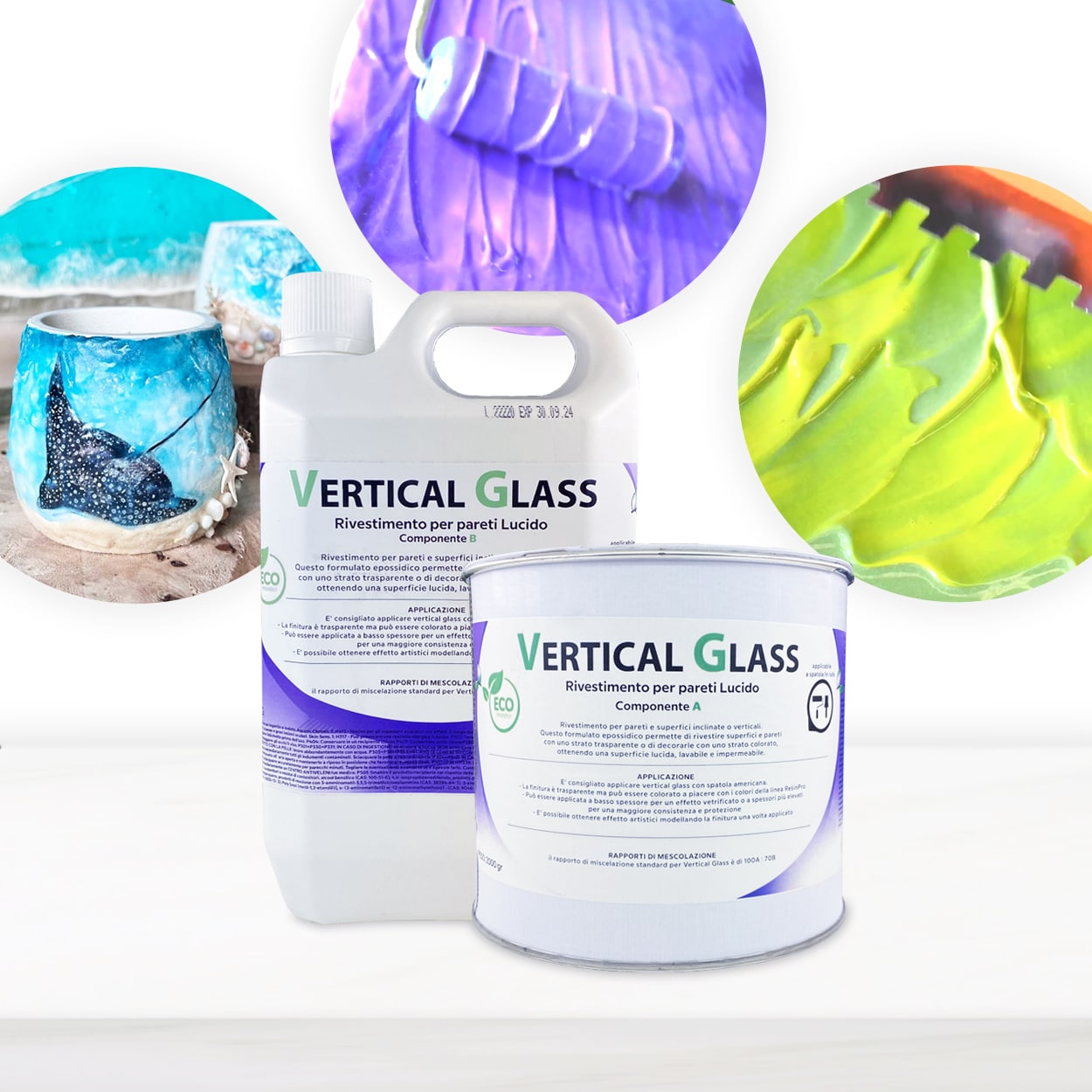

Transforming your walls with a resin coating creates a durable, modern, and decorative finish suitable for homes and commercial spaces. This guide will lead you through every stage of resin wall application, from planning and preparation through to achieving professional results, giving your interior surfaces an elegant and protective upgrade.
What You’ll Need
- “Epoxyprimer” – Universal Water-Based Two-Component Epoxy Floor Primer – For optimal adhesion, especially on tiles, wood, cement, or bricks.
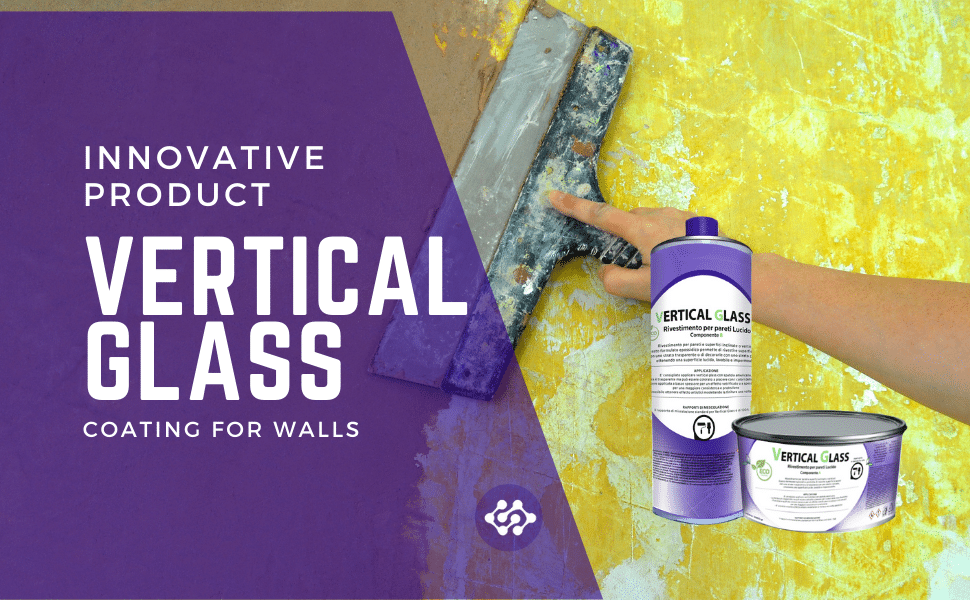
- “Vertical Glass” – Thick Resin Decorative Wall Coating – Specially formulated for vertical and sloping surfaces where durability and design flexibility are crucial.
- Resin & Paint Application Rollers – Short-Pile, Large, and Sponge Types – For even and precise resin spreading across wall areas.
- Fine sandpaper
- Plastic spatula or trowel
- Protective gloves, goggles, and masking tape
- Clean, dry cloths
Visual Inspiration: Resin Wall Application Examples
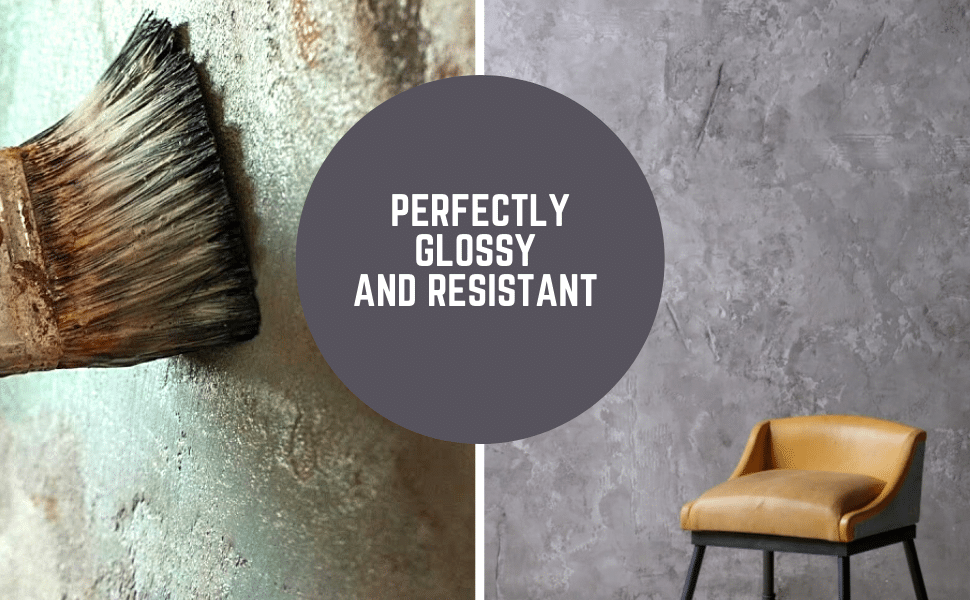
See creative and professional resin-coated wall projects, from glossy accent panels to waterproof finishes in kitchens and bathrooms. Notice the seamless, customisable results that can be achieved with the right products and careful technique.
Step 1: Prepare and Clean the Wall Surface
The foundation of successful resin wall application is a completely clean, dry, and stable surface. Remove any dust, grease, flaky paint, or loose particles with a brush or vacuum. If the wall is glossy or previously painted, lightly sand for better adhesion. Ensure all cracks or holes are filled and the surface is levelled before you proceed. Take time to mask off adjacent surfaces, sockets, and switches to protect them from accidental resin contact.
Ensure proper ventilation and use gloves and goggles when sanding or cleaning to avoid inhaling dust or resin droplets.

Step 2: Prime the Surface for Better Resin Adhesion
Applying a primer improves resin bonding, reduces absorption, and helps create a uniform finish. For best results on concrete, tile, wood, or screed walls, apply “Epoxyprimer” – Universal Water-Based Two-Component Epoxy Floor Primer. Mix the two components as instructed and use a roller or brush to coat the wall evenly. Let the primer cure for at least 24 hours, ensuring it is completely dry before proceeding to the resin layer.
Step 3: Mix and Apply the Resin Coating
With the primed wall ready, it’s time to apply the decorative resin layer. Pour and mix the components of “Vertical Glass” – Thick Resin Decorative Wall Coating thoroughly, following the manufacturer’s ratio instructions. This resin is specially developed for vertical applications, resisting drips and allowing creative effects using pigments or finishes. Pour a workable amount onto your mixing tray.
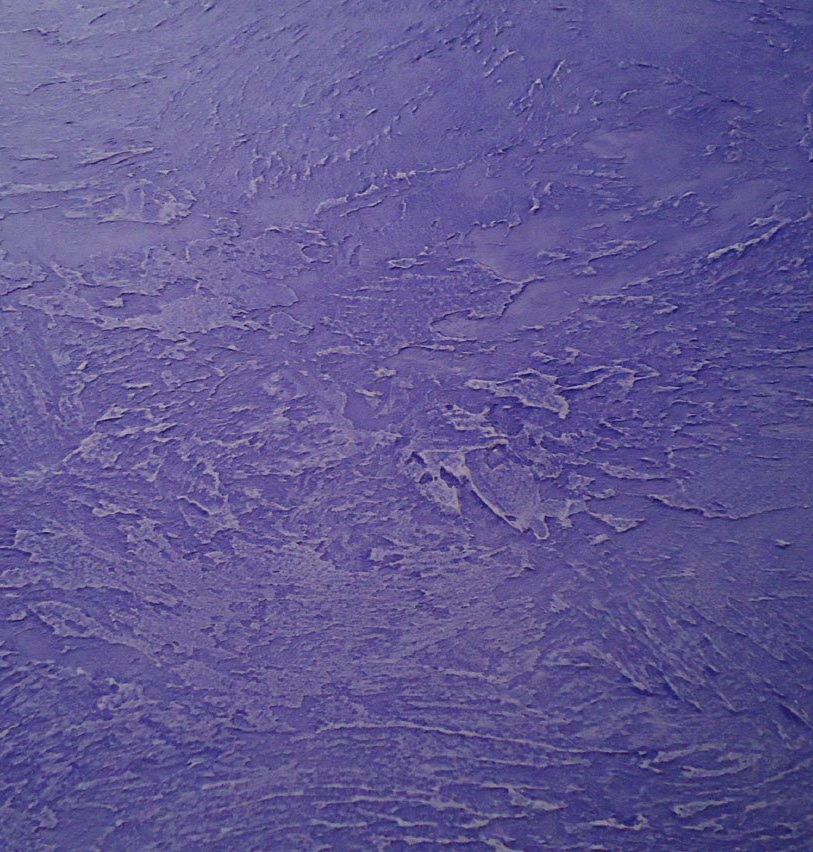
Using a short-pile roller for larger areas or a spatula for details, spread the resin evenly, moving in consistent strokes from top to bottom. For artistic projects, a plastic spatula allows patterns or textures. Work steadily but efficiently, as resin begins to set after a limited open window.
For enhanced precision or finishing layers, consider “Art Pro Deluxe” – Ultra-High Viscosity Epoxy Resin for Artists, which is suitable for vertical use and provides a highly glossy, detailed finish for accent walls.


Step 4: Achieve the Desired Finish and Cure
Once the resin layer is applied, allow it to self-level and settle. Try not to disturb or touch the surface during curing, usually 24–48 hours, depending on product instructions and room conditions.
If a satin or matte finish is preferred, gently sand the fully cured surface with fine sandpaper and wipe away any residue. Remove masking tape promptly as the resin starts to gel but before it hardens.
Do not rush the curing process, as premature contact or sanding may cause marks or reduce performance.
Tips, Mistakes, and Troubleshooting for Wall Resin Application
Always check wall type and absorbency before beginning—certain substrates may require extra preparation. Avoid working in humid or very cold conditions, which may slow the curing process. Apply resin in thin layers for multiple coats if greater durability or depth is desired.
Always check substrate compatibility before starting, and test the resin on a small, inconspicuous area first for best results.

Before and After: Wall Surfaces Transformed with Resin
Compare typical painted or tiled walls with completed resin coatings for a visual of the transformation. Resin finishes not only enhance the appearance but offer moisture resistance and durability—perfect for busy living spaces or bathrooms.
- "Vertical Glass" – Thick Resin Decorative Wall CoatingPrice range: £78.95 through £188.95Vertical Glass offers a customisable, waterproof epoxy resin wall coating for vertical and sloping surfaces appropriate for various interior settings.
- Resin & Paint Application Rollers – Short-Pile, Large, and Sponge TypesPrice range: £3.62 through £5.09These rollers are designed for precise application on resin surfaces, aiding uniformity for wall and floor resin projects.
- "Epoxyprimer" – Universal Water-Based Two-Component Epoxy Floor PrimerPrice range: £156.45 through £286.45"Epoxyprimer" is a water-based epoxy floor primer designed for good adhesion on multiple surfaces, suitable for wall resin application contexts.
 "Art Pro Deluxe" – Ultra-High Viscosity Epoxy Resin for ArtistsPrice range: £35.95 through £302.45"Art Pro Deluxe" epoxy resin offers ultra-high viscosity suited for artists needing precise control and clear glossy finish layers.
Frequently Asked Questions
Can you apply resin on any wall surface?
Resin can be applied on most stable surfaces like tiles, cement, bricks, and wood, but proper cleaning and priming are required for best adhesion.
Do you need a primer before resin wall application?
Priming the wall with a suitable product is recommended to ensure strong adhesion and a smooth finish. This step is especially important for porous or glossy substrates.
How long does resin take to cure on walls?
Curing time generally ranges from 24 to 48 hours depending on resin type, thickness, and room temperature. Always follow product instructions.
Which tools are best for spreading resin?
Short-pile rollers, spatulas, and brushes allow you to evenly apply resin on vertical surfaces for both large and detailed areas.
Can you tint or dye resin for walls?
Yes, many resins can be coloured using compatible pigments for unique decorative effects. Avoid water-based dyes unless the resin is rated for them.
Is resin wall coating moisture resistant?
Resin coatings are waterproof and ideal for high-moisture areas such as bathrooms and kitchens when correctly applied.
What are common mistakes with resin on walls?
Not preparing or priming the surface, applying too thick a layer or rushing the curing are the main causes of failures or imperfections.