 Free shipping on orders over £29,85
  Shipping Tracking!


 Google
 Facebook
← Back to How do you mix bifasic resin?

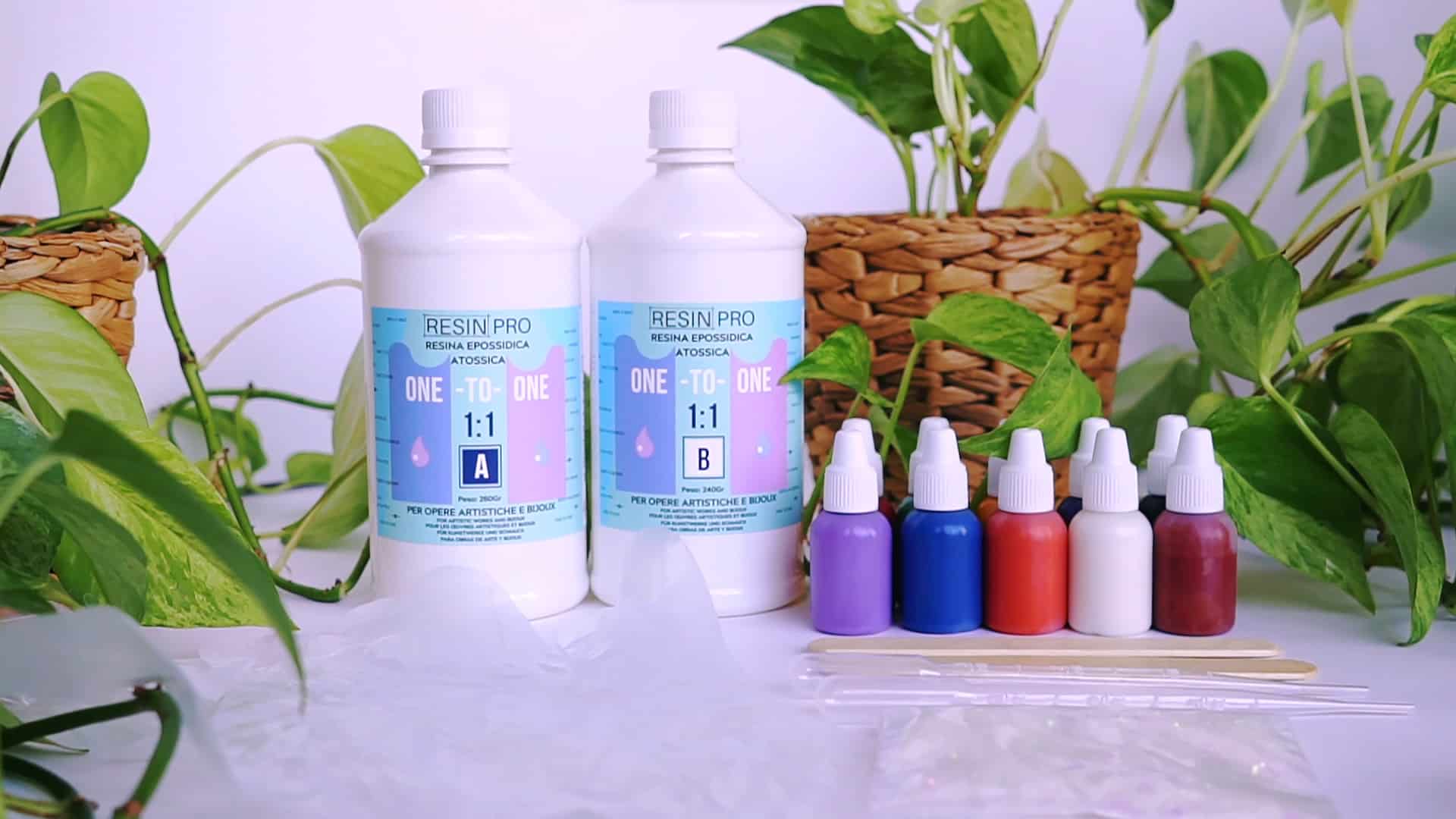
Mixing bifasic resin by eye might seem convenient but can lead to disappointing results. Achieving the right resin-to-hardener ratio is crucial for a flawless, durable finish in any resin project.
The Importance of Precise Measurement
Bifasic (two-component) resins rely on the correct balance of resin and hardener to cure properly. If measurements are estimated by eye, there’s a high risk of your creation ending up sticky, soft, or never fully curing. Inaccurate mixing can also lead to uneven finishes and a weaker structure overall. Using scales for weighing or measuring jugs for volume ensures your materials react correctly and results are reliable every time.
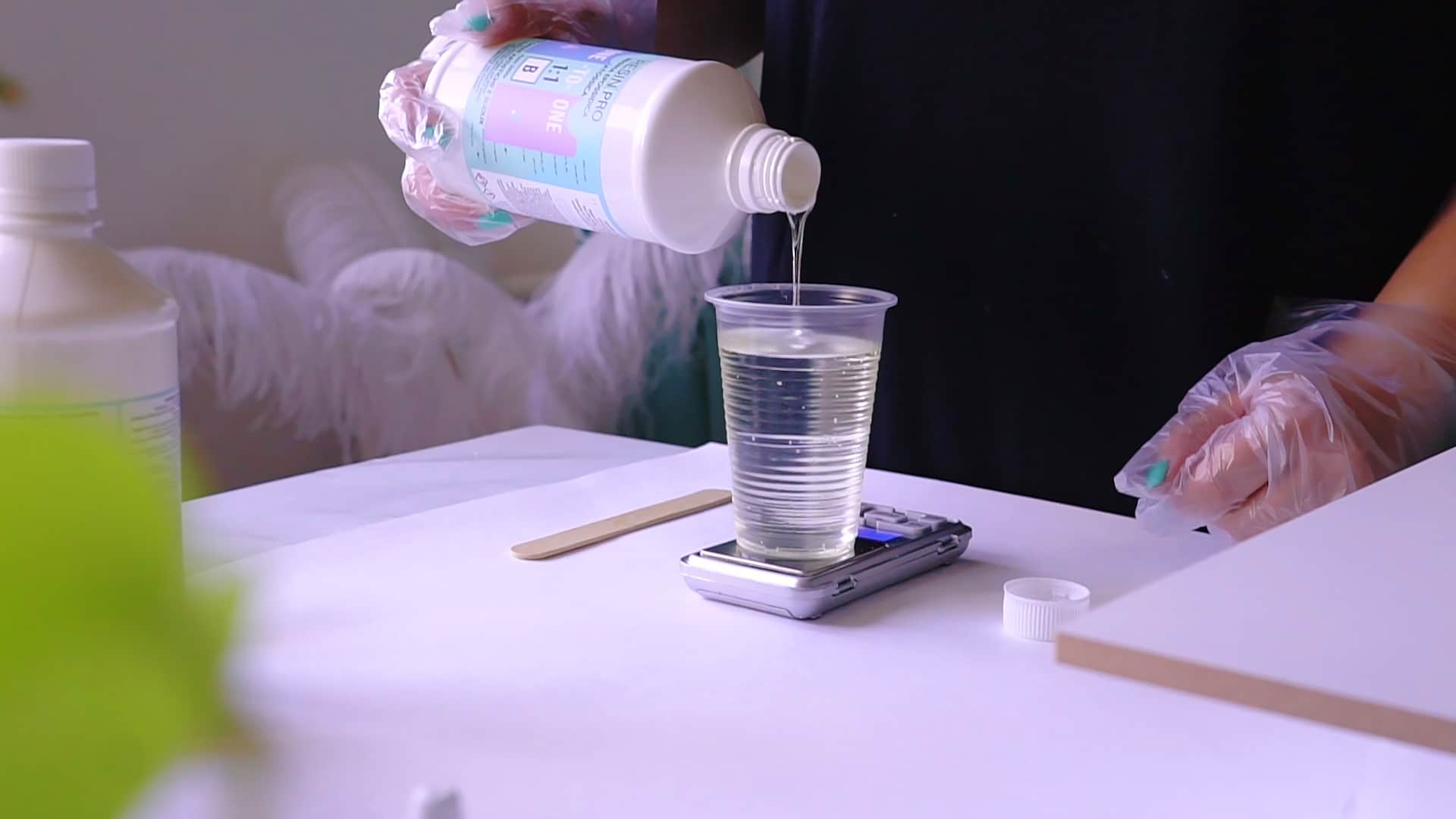

Best Practice: Tools and Methods
For the most consistent and professional results, invest in a dedicated set of precision digital scales if your resin is mixed by weight, or use clearly graduated measuring cups for 1:1 volume ratios. An excellent choice for beginners, the One-2-One Epoxy Resin can be mixed 1:1 by volume, minimising measuring errors and making handcrafting simple and accessible. Always follow your specific product’s instructions, as different formulations may require accurate weighing or careful measuring by volume.
When Accuracy Really Matters
- For jewellery, art, or casts needing crystal-clear and hard results, mix with precision to avoid tackiness.
- If working with larger or thicker pours, small mistakes in ratio can multiply, affecting both curing and clarity.
- Mixing by eye is especially risky for beginners—using the right tools helps avoid waste and frustration.

Related products
Related guides
Precise measuring is key to successful resin mixing and beautiful results. For more detailed mixing guides and tips, see our main page on how to mix bifasic resin.