 Free shipping on orders over £29,85
  Shipping Tracking!


 Google
 Facebook
← Back to How to lay resin on tiles costs?
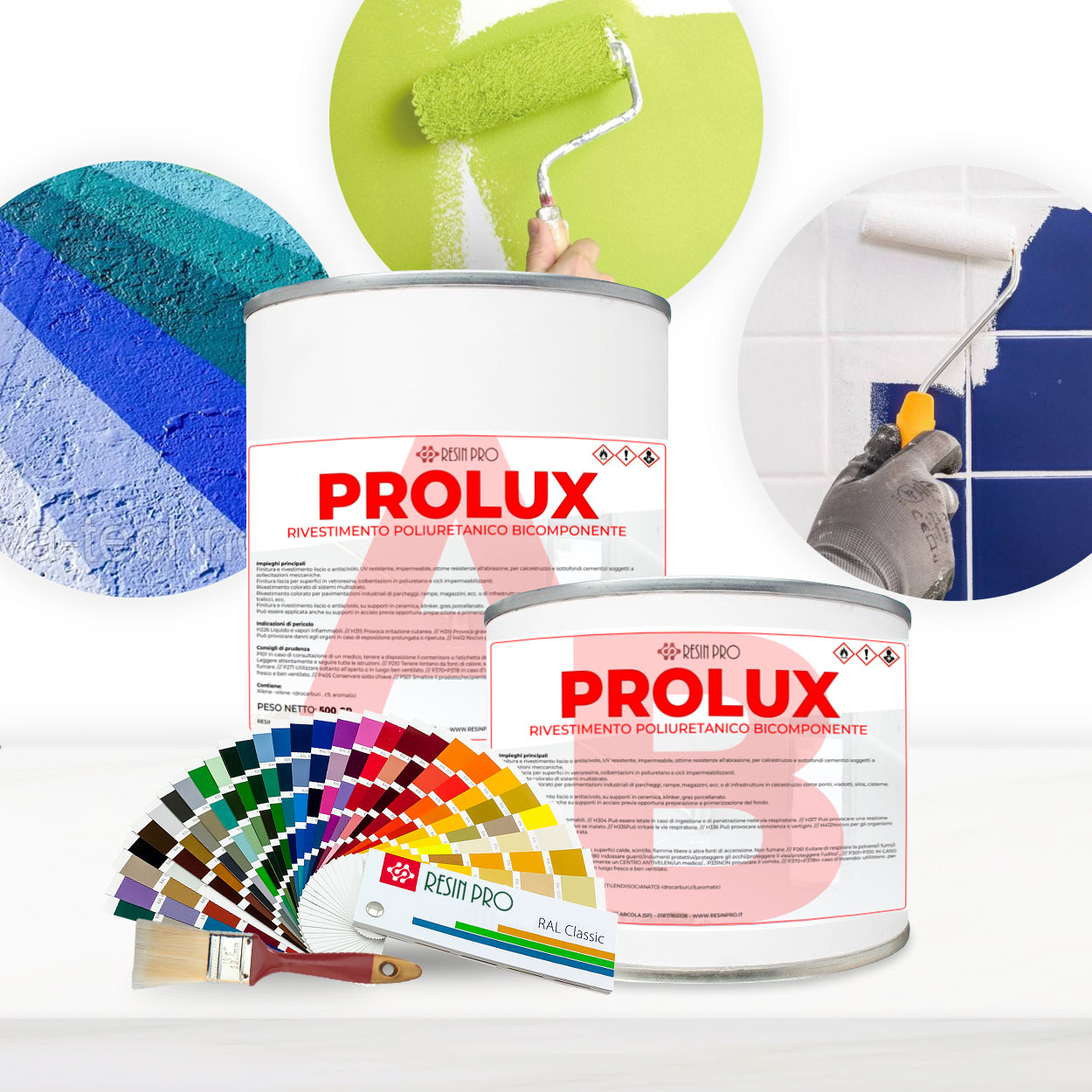
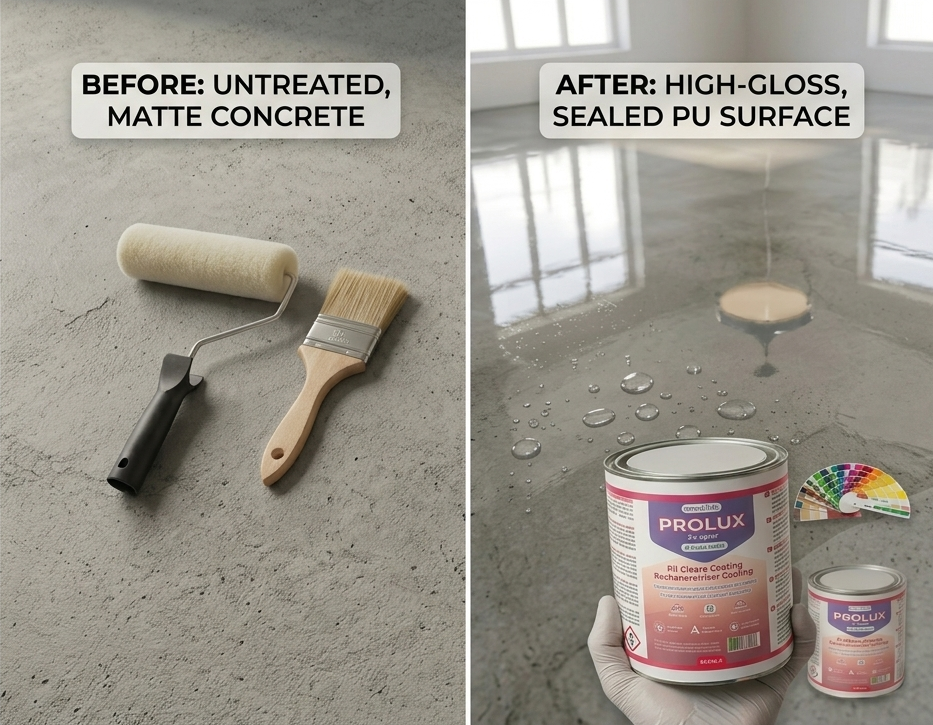
Laying resin over tiles is a rewarding DIY project if you take the right approach. With careful surface preparation and suitable materials, you can transform tiled surfaces with a modern, durable finish.
Preparing Tiles for Resin Application
Success begins with thorough preparation. Any loose, greasy, or glossy tiles must be properly cleaned and, if necessary, abraded or degreased to enable a strong bond. For best results, use a dedicated primer, such as “Epoxyprimer”, which is designed to promote adhesion on ceramic tiles and can be safely applied indoors.

Choosing the Right Resin System
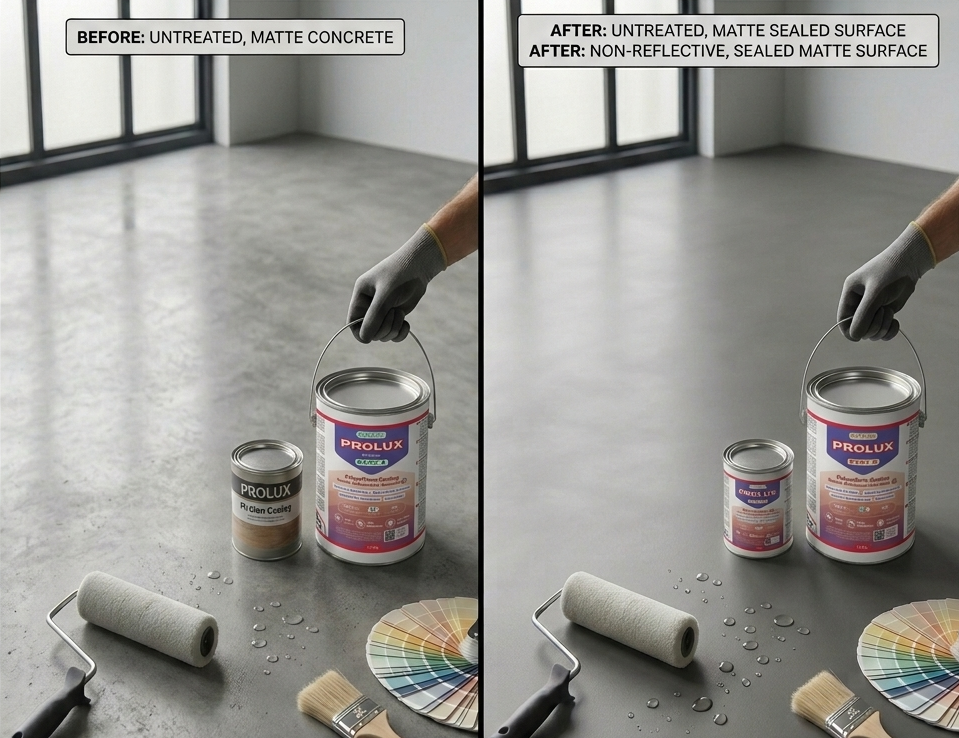
Depending on your project, different resin products may be suitable. For floor or driveable surfaces, a robust polyurethane finish like “Prolux” PU coating provides longevity and resistance to wear. Vertical or decorative tile areas are better suited to products such as “Vertical Glass”, which can be applied with a spatula for a glossy, custom look. Always check the product’s instructions for mixing ratios and curing times, and ensure the space is well-ventilated during application.
When This Matters: DIY vs. Hiring a Professional
DIY application is ideal for those with careful attention to detail, willingness to follow instructions, and basic tool skills. Larger floor areas, driveways, or rooms with heavy traffic may require more experience or specialist assistance to guarantee a flawless, long-lasting finish.

Related products
Related guides
With quality products and proper preparation, DIYers can achieve great results when laying resin on tiles. For more guidance on project planning and choosing the right system for your needs, explore our main guide on how to lay resin on tiles and costs.