 Free shipping on orders over £29,85
  Shipping Tracking!


 Google
 Facebook
How do you apply resin on floors?
Essential steps and tips for flawless resin flooring
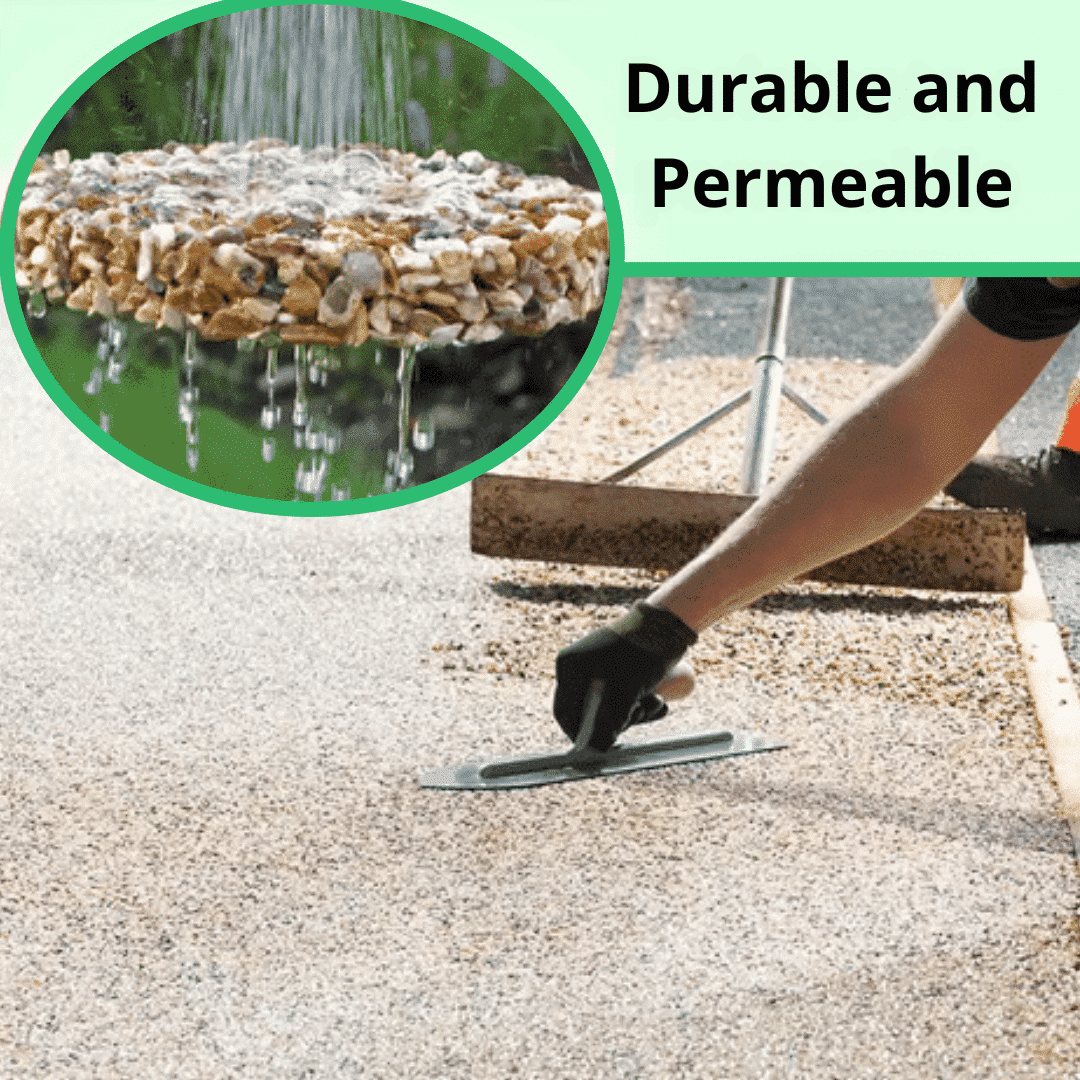
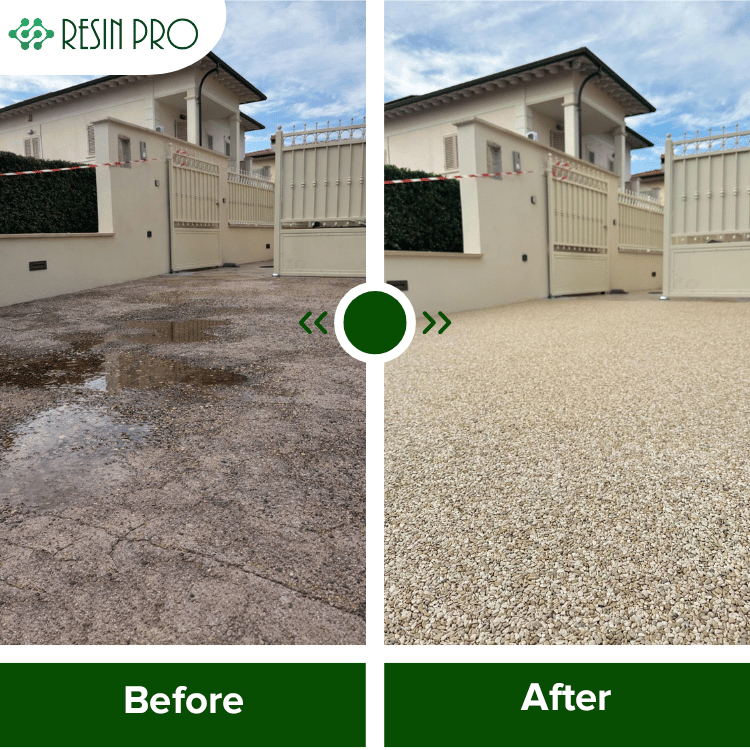
Applying resin to floors can transform both indoor and outdoor spaces, giving a seamless, durable, and attractive finish. Whether you are enhancing a garage, patio, driveway, or even interior surfaces, the proper technique ensures professional results and long-lasting performance. This detailed guide takes you through each stage required for successfully applying resin on floors, helping both DIY enthusiasts and professional installers tackle their next project with confidence.
What You’ll Need
- “Flowstone” – Complete Permeable Floor Kit with Pebbles and Resin: A full kit ideal for creating custom outdoor permeable floors.
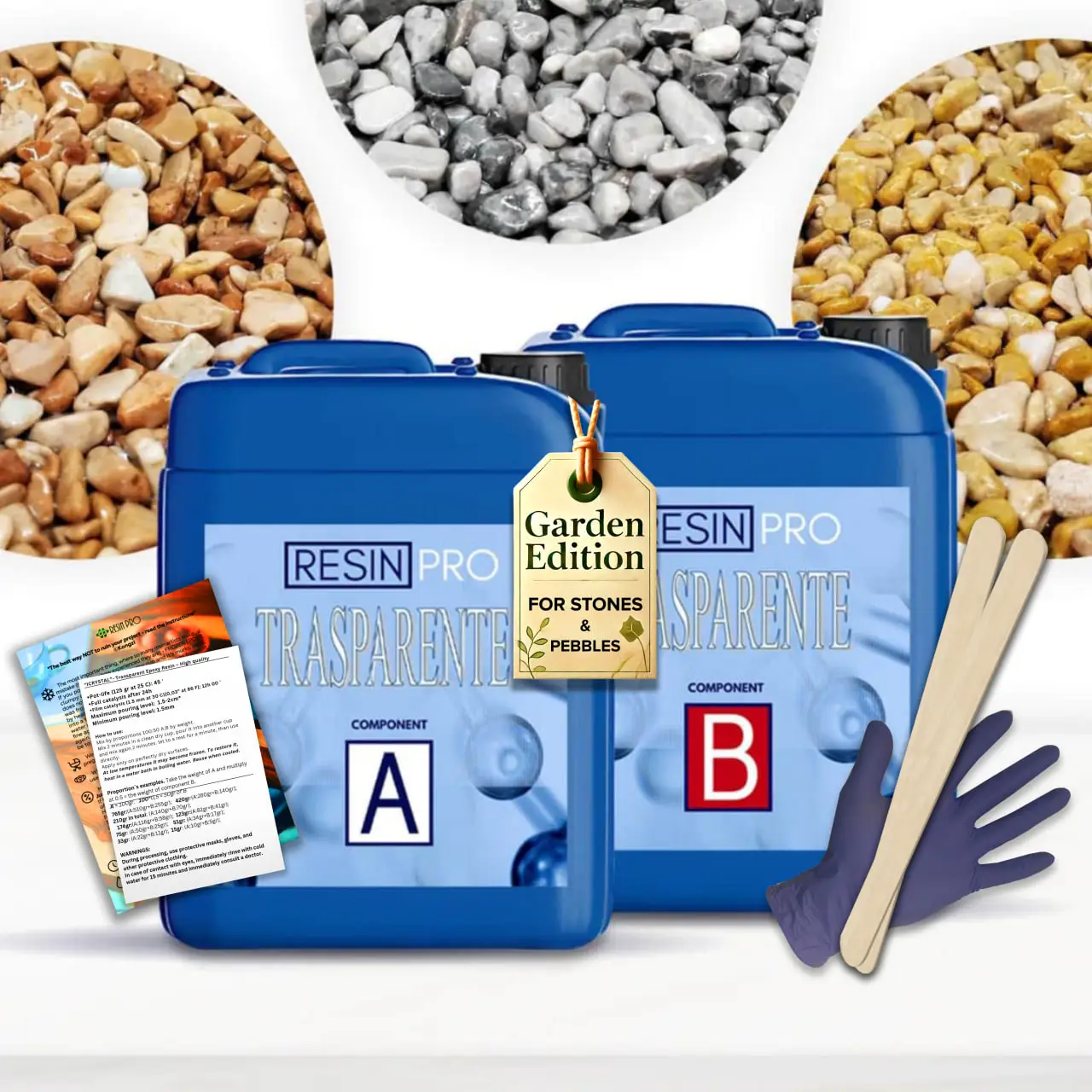
- “Trasparente” – Epoxy Binder for Coloured Pebbles and Grits: Perfect for binding decorative and coloured aggregates.
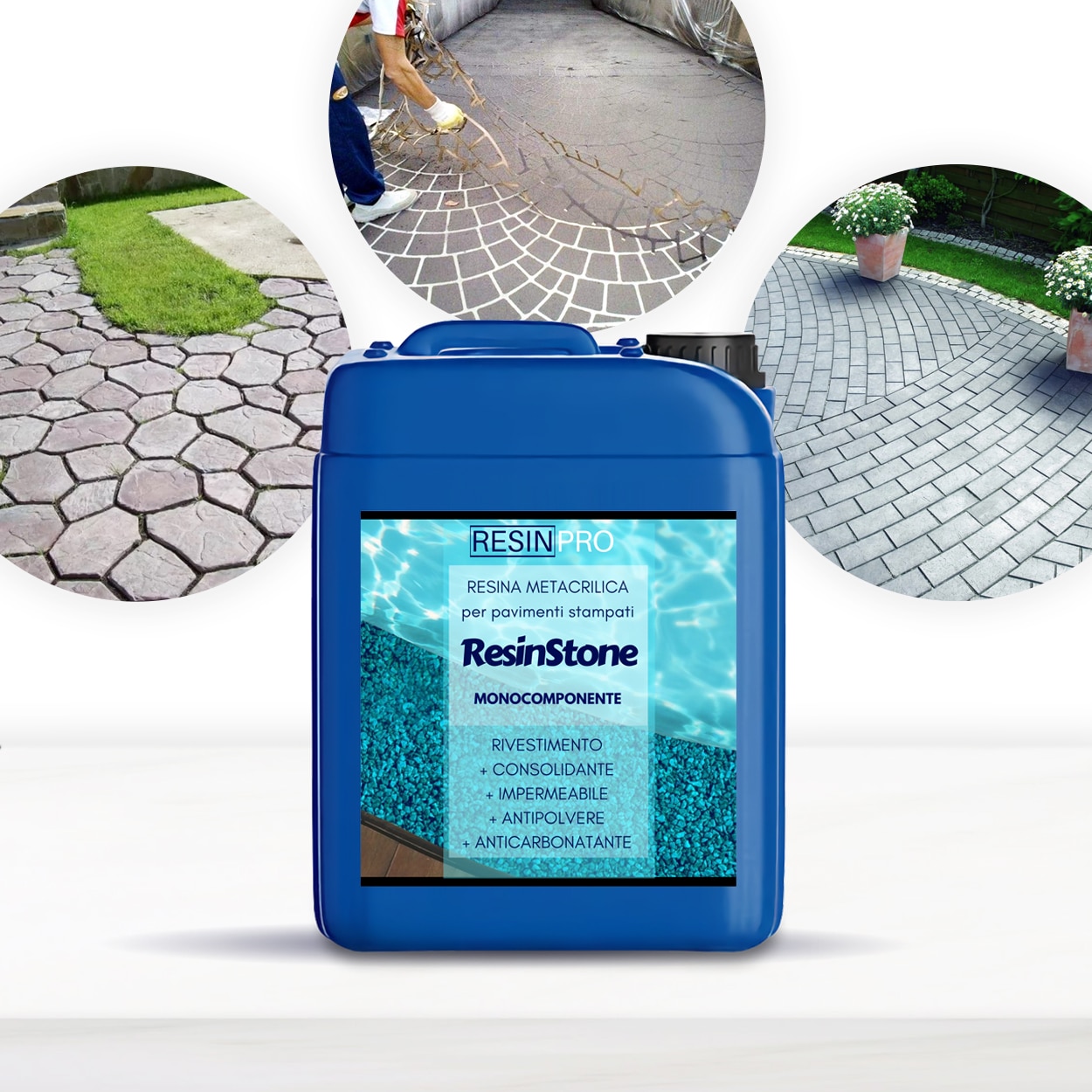
- “Resinstone” – One-Component Methacrylic Resin for Concrete Floors and Driveways: For sealing and protecting concrete or cement bases.
- “Epoxyprimer” – Universal Water-Based Two-Component Epoxy Floor Primer: Essential for ensuring secure adhesion to a range of substrates.
- Mixing buckets and tools, protective gloves and eyewear, spatula or roller, clean water, and suitable aggregate (if required).
Preparing Your Space and Tools
Take time to prep: Remove all debris, repair uneven areas, and mask off zones where resin is not to be applied. Use gloves and goggles throughout to ensure safety.
Well-prepared floors and organised materials make resin application smoother and more predictable for both small and large projects.
Step 1: Prepare the Surface
Proper preparation is the foundation of a successful resin floor. Begin by cleaning the surface thoroughly, removing all dust, dirt, oil, and any loose material. For outdoor spaces, ensure moss or plant residues are eliminated. If working indoors, ventilate the area well and block off any sections not being coated. Cracks or holes should be filled and levelled to create a smooth substrate.
Ensure your substrate is dry and free from dust before starting. Trapped moisture can compromise resin adhesion and curing, leading to future issues.

Step 2: Apply a Suitable Primer
A primer is the vital link between your substrate and the resin coating, enhancing adhesion and preventing delamination. Use a dedicated product such as “Epoxyprimer” – Universal Water-Based Two-Component Epoxy Floor Primer for a wide range of surfaces, including concrete, tiles, screed, or timber. Mix the components according to instructions and apply evenly with a roller or brush. Allow 24 to 48 hours for full curing, or as recommended, before proceeding with resin application.
A primer is critical for optimal adhesion and durability, especially on porous or tricky substrates.
Step 3: Mix and Prepare the Resin
Select the appropriate resin system for your project. For decorative or permeable outdoor floors, kits like “Flowstone” – Complete Permeable Floor Kit with Pebbles and Resin simplify the process with resin and aggregate supplied together, while “Trasparente” – Epoxy Binder for Coloured Pebbles and Grits suits coloured or decorative stone. For concrete floors, “Resinstone” – One-Component Methacrylic Resin for Concrete Floors and Driveways offers a robust, breathable seal.
Follow the manufacturer’s ratios closely: combine resin components (A and B where required) in a clean bucket, mixing thoroughly until the blend is uniform. If adding aggregates, gradually introduce them, stirring until fully coated and lump-free.
Mix resin and aggregate thoroughly for uniform coverage. Avoid under- or overmixing to prevent weak spots, lumps, or bubbles in the final finish.


Step 4: Apply the Resin Mixture
Pour or spread the mixed resin (with or without aggregate) onto the floor using a trowel, spatula, or roller, working in manageable sections. Distribute evenly, keeping thickness within the recommended limits for your chosen system. For permeable pebble flooring, compact the mixture gently but avoid excessive pressure, which could cause resin pooling.
Pay extra attention to edges and corners to achieve a neat, consistent layer. On outdoor projects, watch environmental conditions—avoid application during wet, cold, or excessively humid weather as these can affect curing and final appearance.
Step 5: Allow to Cure and Finish
Give the resin ample time to cure according to the product’s guidance—this can range from 10 hours (walkable) to 48 hours (fully load-bearing) depending on system, substrate, and climate. Protect the surface from moisture, dust, and traffic during this period. Once cured, check for uniform gloss, bonding, and mechanical resistance. Only when the resin is fully set should you return the area to regular use, whether for vehicles, foot traffic, or placing furniture.
Allow time for the resin to cure fully before putting into use. Rushing this stage can undermine all your preparation and application efforts.

Tips and Troubleshooting for Resin Floors
Always measure materials carefully—incorrect ratios can affect curing and strength. Work at recommended temperatures, typically between 10–25°C, and avoid rushing application as this can lead to bubbles or uneven layers. If issues such as persistent tackiness or blemishes appear, check that the resin components were fully mixed and that the environment met all requirements. Should delamination or weak spots occur, poor substrate preparation or omitted primer are common causes.
Maintain tools and surfaces as clean as possible throughout. For larger projects, consider using a cement mixer for thorough blending. Finally, storing leftover resin correctly (sealed, out of direct sunlight, and at suggested temperatures) extends shelf life for future touch-ups or repairs.
Aftercare and Ongoing Maintenance
Protect your investment: Regularly sweep and, if necessary, wash resin floors with neutral cleaners. Avoid harsh chemicals and abrasive tools to extend the floor’s pristine look and integrity.
Check for signs of wear, edge lifting, or surface dullness—early intervention can prevent larger repairs and keep floors looking at their best for years to come.
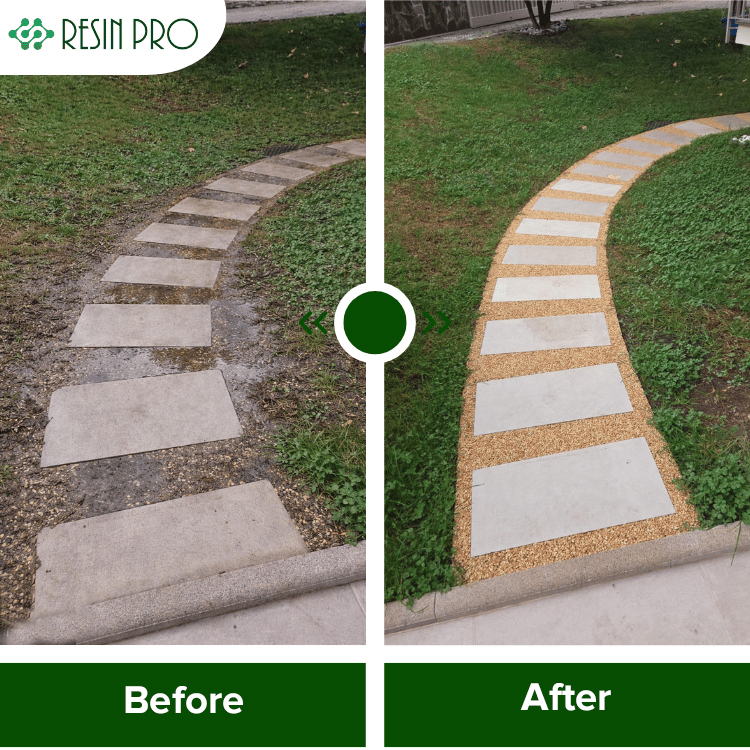
- "Flowstone" – Complete Permeable Floor Kit with Pebbles and ResinPrice range: £49.95 through £3,915.45"Flowstone" is a permeable pebble and resin floor kit designed for durable, draining outdoor surfaces in the UK, with simple, guided application.
- "Trasparente" – Epoxy Binder for Coloured Pebbles and GritsPrice range: £33.45 through £397.95"Trasparente" is a transparent epoxy binder designed for coloured pebbles and grits providing a clear, UV-resistant finish suitable for floor…
- "Resinstone" – One-Component Methacrylic Resin for Concrete Floors and DrivewaysPrice range: £36.71 through £336.48Resinstone is a one-component methacrylic resin designed for sealing and protecting concrete floors and driveways, suitable for floor application…
 "Epoxyprimer" – Universal Water-Based Two-Component Epoxy Floor PrimerPrice range: £156.45 through £286.45"Epoxyprimer" is a water-based two-component epoxy floor primer designed for reliable adhesion and durability in flooring applications.
Frequently Asked Questions
Do I need to prime the floor before applying resin?
Yes, priming improves adhesion and helps prevent peeling or delamination. Choose a recommended primer matched to your substrate.
How long does resin flooring take to cure?
Light foot traffic is possible after about 10–12 hours, with full load-bearing strength reached in approximately 24–48 hours, depending on product and environment.
Which resin should I use for outdoor versus indoor floors?
Use UV-stable, permeable, or specialised binders for outdoor settings, and durable epoxy or methacrylic resins for indoor or concrete floors.
Can I apply resin on floors myself or do I need a professional?
DIY installation is possible for most small to medium projects with clear instructions and careful preparation. Larger areas may benefit from professional help.
Why does my resin floor stay tacky or not bond properly?
Common causes include poor surface preparation, incorrect mixing ratios, improper curing conditions, or missing the primer step.
What maintenance does resin flooring need?
Regular sweeping and gentle cleaning with neutral detergents keeps resin floors in top condition. Avoid harsh chemicals which can dull the finish.