 Free shipping on orders over £29,85
  Shipping Tracking!


 Google
 Facebook
How do you make a spoiler with resins?
Step-by-step guide for building and finishing composite spoilers

Building a custom spoiler with resins offers a fantastic opportunity to create a lightweight, aerodynamic, and visually striking addition to your vehicle. This guide will walk you through each stage of the process, from preparing your mould to finishing your spoiler for maximum performance and style. Whether you’re a passionate hobbyist or an experienced maker, you’ll pick up valuable techniques for achieving top-quality, durable results.

What You’ll Need
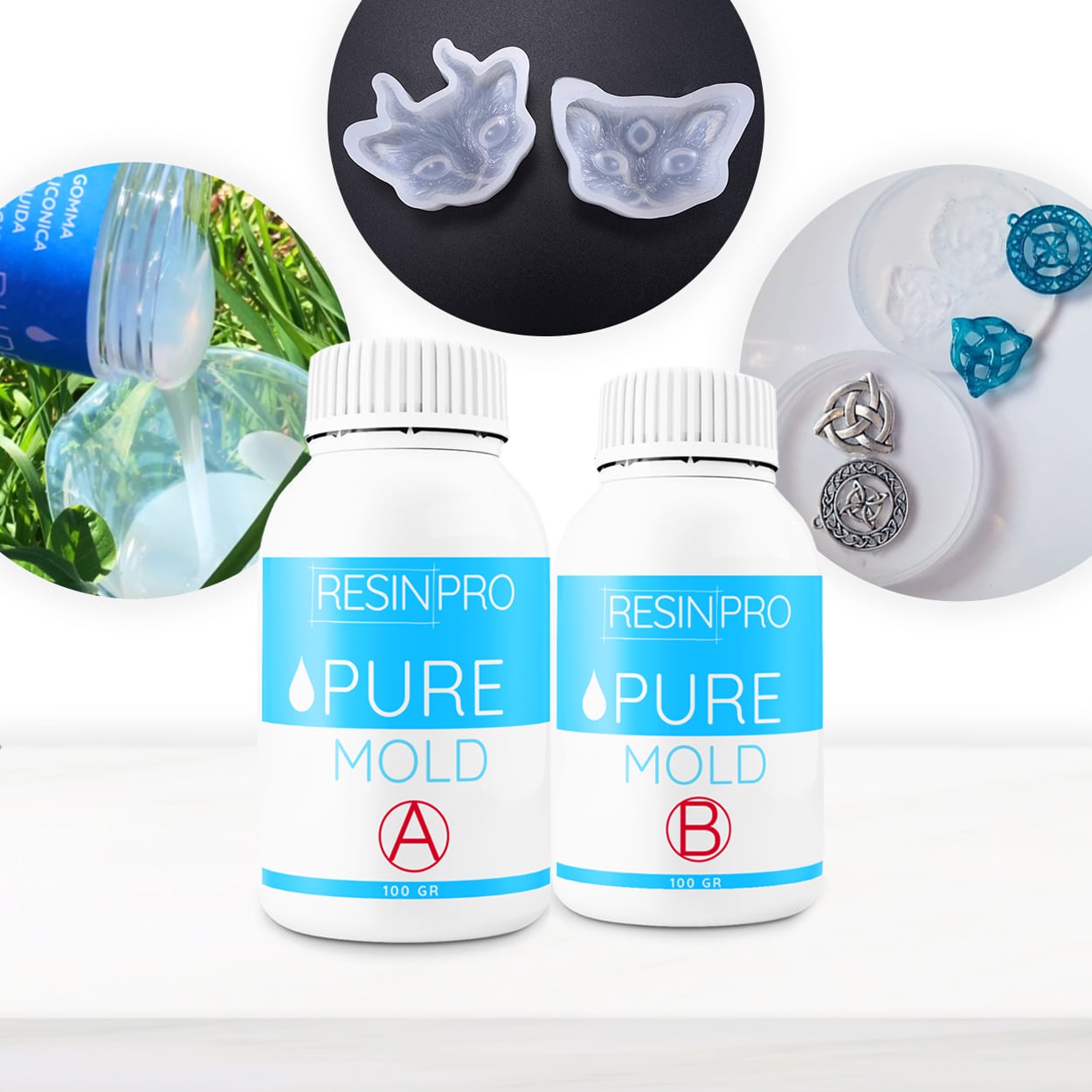
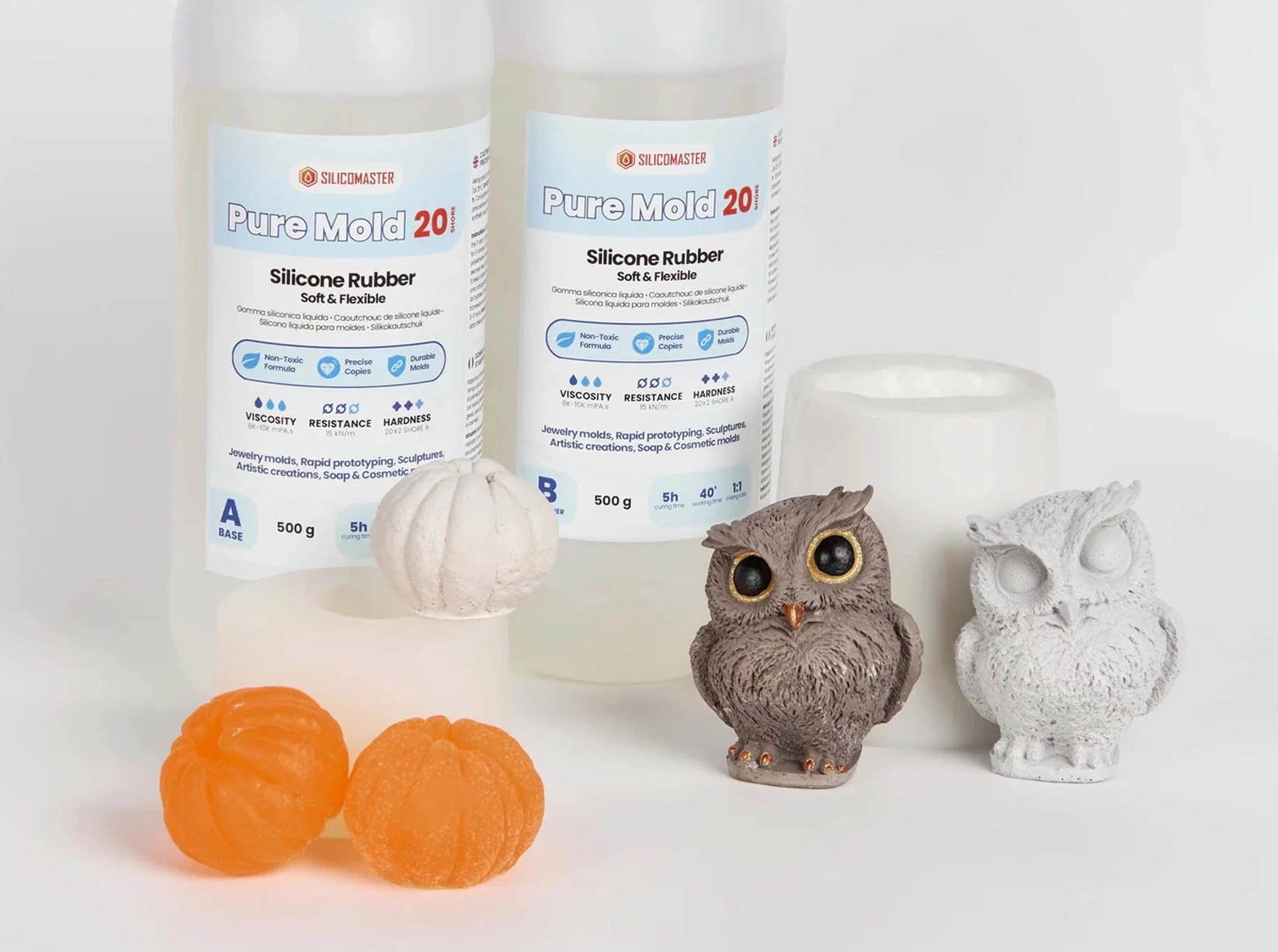
- “Pure Mould” – Translucent Liquid Silicone Rubber for Mould Making – for creating precise, reusable moulds
- “Carbon Resin” – Epoxy Resin for Carbon Fiber & Fiberglass Coating – for strong, impact-resistant lamination
- “3D Finish” – Fast Coating Epoxy Resin for 3D Prints – for smoothing and protecting minor details (optional, for 3D printed cores)
- Carbon fibre, fibreglass, or composite cloth
- Mixing tools, gloves, and protective equipment
- Release agents, measuring scales, and brushes

Visual Inspiration: Spoiler Projects
Browse examples of finished spoilers highlighting precise moulds and premium finishes achieved with the recommended resin systems. Glossy, professional finish and precision in detail are easily achievable with careful selection of techniques and materials.
Step 1: Prepare the Master Model
Your spoiler journey begins with the creation of a master model. This can be sculpted from foam, wood, or even 3D printed if you want a specific, repeatable shape. Spend time ensuring the surface is impeccably smooth — any imperfections will transfer into your final spoiler. Sand the model to a silky finish and use an appropriate release agent to aid demoulding in the next phase.
Step 2: Make the Silicone Mould
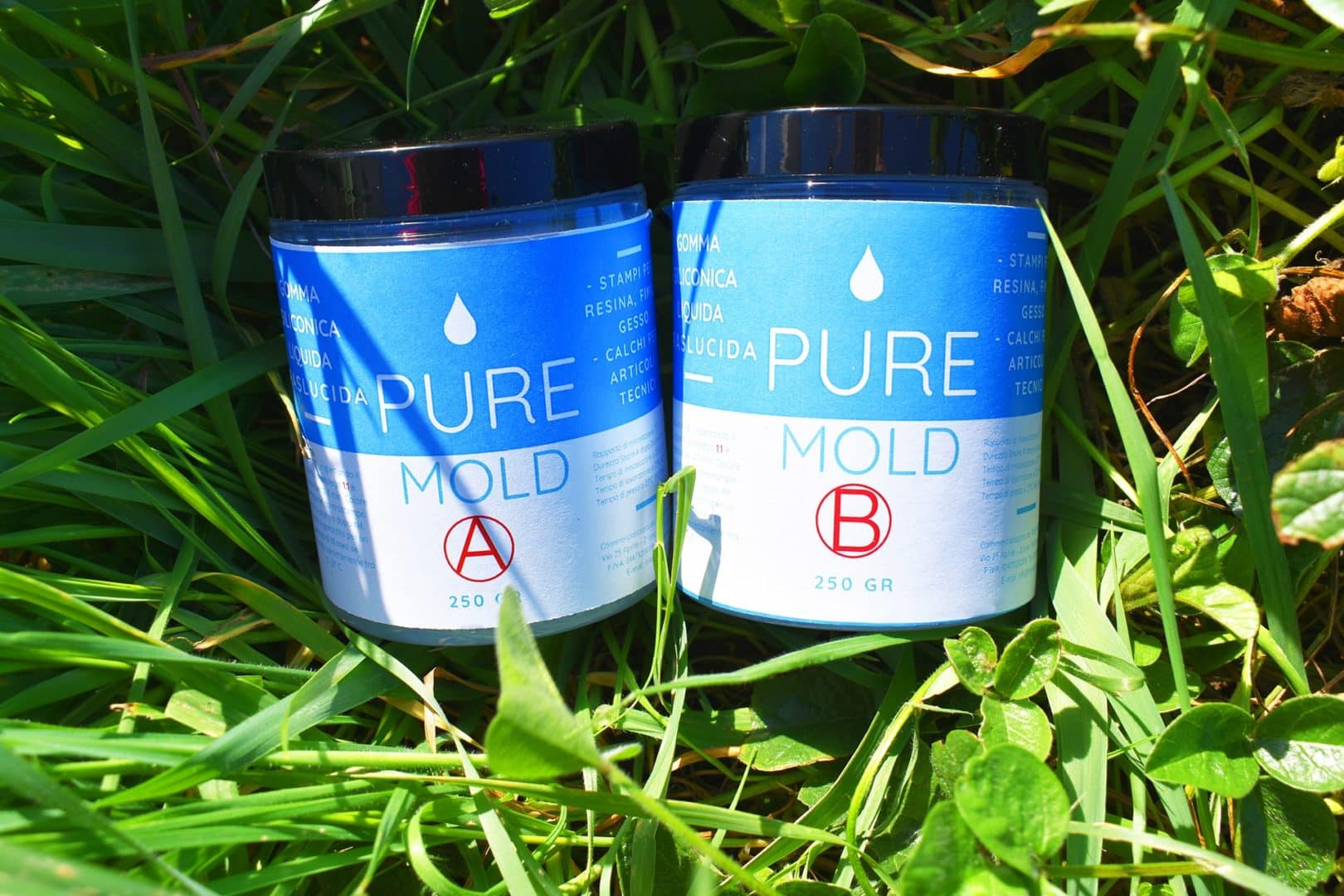
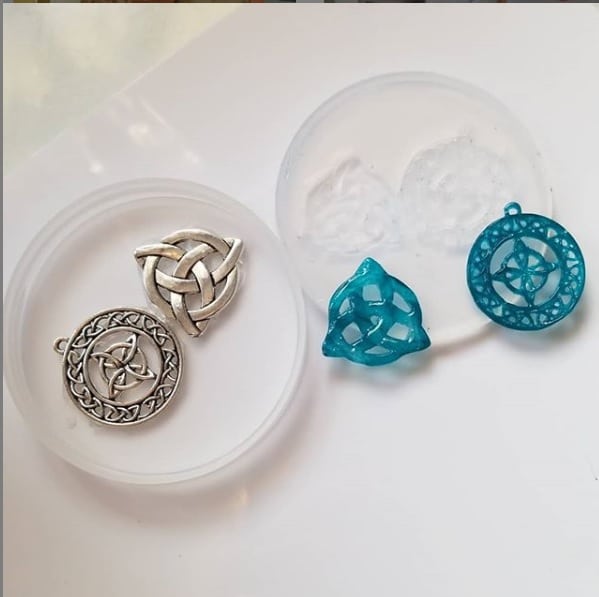
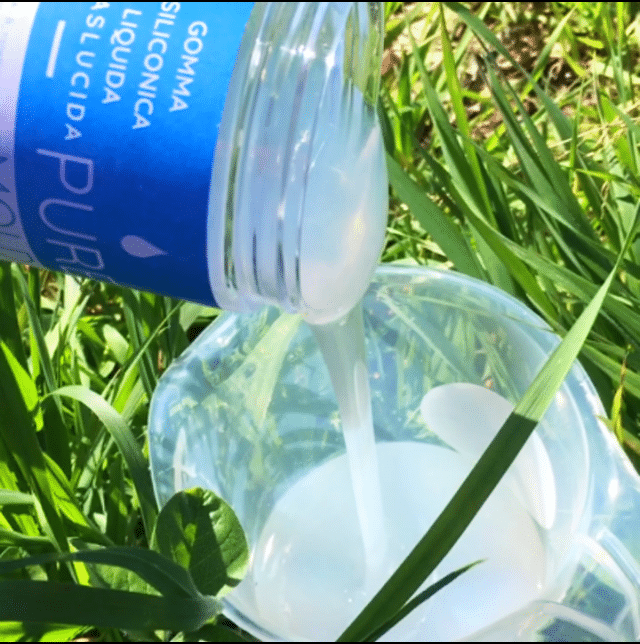
Secure your master model and construct a barrier or box around it to contain the liquid silicone. Precisely measure and mix “Pure Mould” – Translucent Liquid Silicone Rubber for Mould Making (using the easy 1:1 mixing ratio). Pour gently over your model, allowing the silicone to envelope every detail. Tap or tip the mould to encourage bubble release and clarity. Allow the silicone to cure as specified, then carefully demould to reveal a high-fidelity negative ready for resin layup.
Step 3: Lay Up the Composite Layers
Once your silicone mould is fully cured and cleaned, apply a high-quality release agent inside. Lay carbon fibre or fibreglass cloth into the mould, trimming to size as needed. Mix “Carbon Resin” – Epoxy Resin for Carbon Fiber & Fiberglass Coating for bubble-free impregnation and excellent bond strength. Work the resin thoroughly into each layer, using a brush or squeegee, and continue until the desired thickness and resilience are achieved. Take care to fully saturate each layer while avoiding air pockets, which can compromise structural integrity.
Step 4: Demould and Finish the Spoiler
Allow your composite layup to cure at room temperature until fully hardened. Gently demould your spoiler, taking care in handling edges and detail areas. Trim and sand the part to refine shape and remove any flash or excess material. For 3D printed inserts or accent pieces, coat with “3D Finish” – Fast Coating Epoxy Resin for 3D Prints for a seamless, glossy surface. Final finishing can include polishing, painting, or even additional resin coats for a flawless, professional result.
Tips and Common Mistakes
Work in a temperature and dust-controlled environment whenever possible to ensure optimum curing and surface quality. Carefully observe mixing ratios, especially with silicone rubber and resins described above, to avoid tackiness or soft spots. Always use safety gear, and plan your demoulding strategy to avoid accidentally damaging delicate spoiler features. Avoid rushing through layers—let each one fully cure as needed, and always check the compatibility of your materials with chosen resins for best results.
Material Handling and Safety
When working with resins and silicone, always use protective gloves and eye protection. High impact resistance comes with meticulous mixing and careful layering, ensuring your finished spoiler is both safe and long-lasting.

- "Carbon Resin" – Epoxy Resin for Carbon Fiber & Fiberglass CoatingPrice range: £19.95 through £37.95"Carbon Resin" is designed for composites and technical fabrics, offering bubble-free impregnation and a durable glossy finish.
- "Pure Mould" – Translucent Liquid Silicone Rubber for Mould MakingPrice range: £23.95 through £166.95"Pure Mould" is a platinum-based translucent silicone rubber designed for mould making compatible with various materials including resins and…
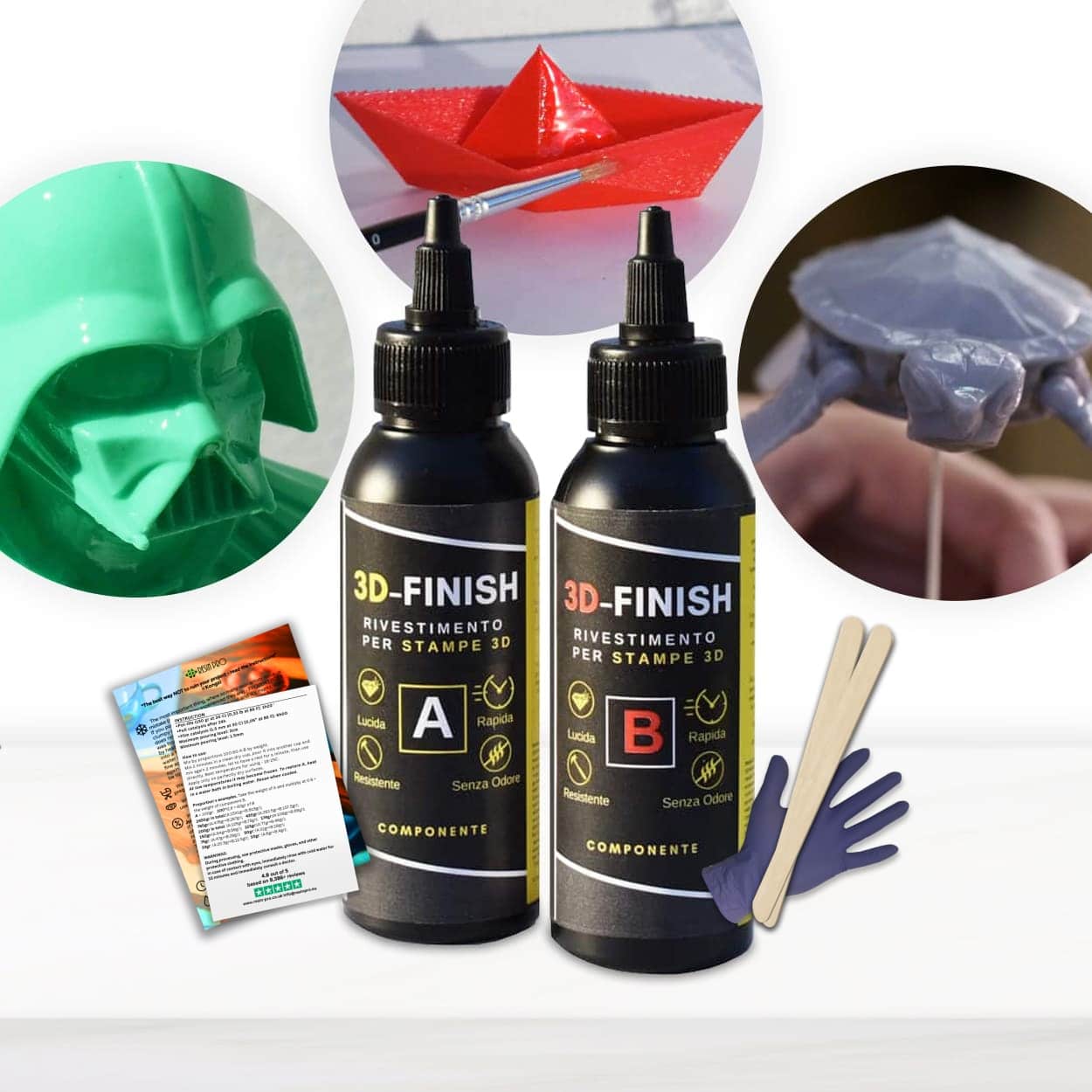 "3D Finish" – Fast Coating Epoxy Resin for 3D PrintsPrice range: £13.95 through £19.95"3D Finish" Fast Coating Epoxy Resin provides a non-drip glossy finish preserving details on 3D prints, suitable for coating and repairs.
 "EpoxyTable 5-Five" – Deep Pour Epoxy Resin for Tables and Large Projects – Up to 5cmPrice range: £17.95 through £1,154.95"EpoxyTable 5-Five" is a deep pour epoxy resin designed for tables and large projects, compatible with the theme of making spoilers with resins.
Frequently Asked Questions
What epoxy resin is best for composite spoilers?
"Carbon Resin" is ideal as it offers strong fibre impregnation and impact resistance for durable, high-quality results.
How do I prepare a silicone mould for resin spoilers?
Ensure your master model is smooth and has a release agent applied. Mix silicone thoroughly and pour slowly for best detail.
How long should I let my resin spoiler cure?
Follow product instructions, but generally allow epoxy resins to cure at room temperature for 24 hours before handling the part.
How can I avoid bubbles in my carbon fibre spoiler?
Work resin into the fabric thoroughly and apply in thin, controlled layers. Using proper tools and techniques helps eliminate bubbles.
What finish can I achieve on a resin spoiler?
Proper layup and curing give a glossy, professional finish. Additional sanding, polishing, or topcoats can enhance appearance even further.