 Free shipping on orders over £29,85
  Shipping Tracking!


 Google
 Facebook
← Back to How do you apply epoxy grout?
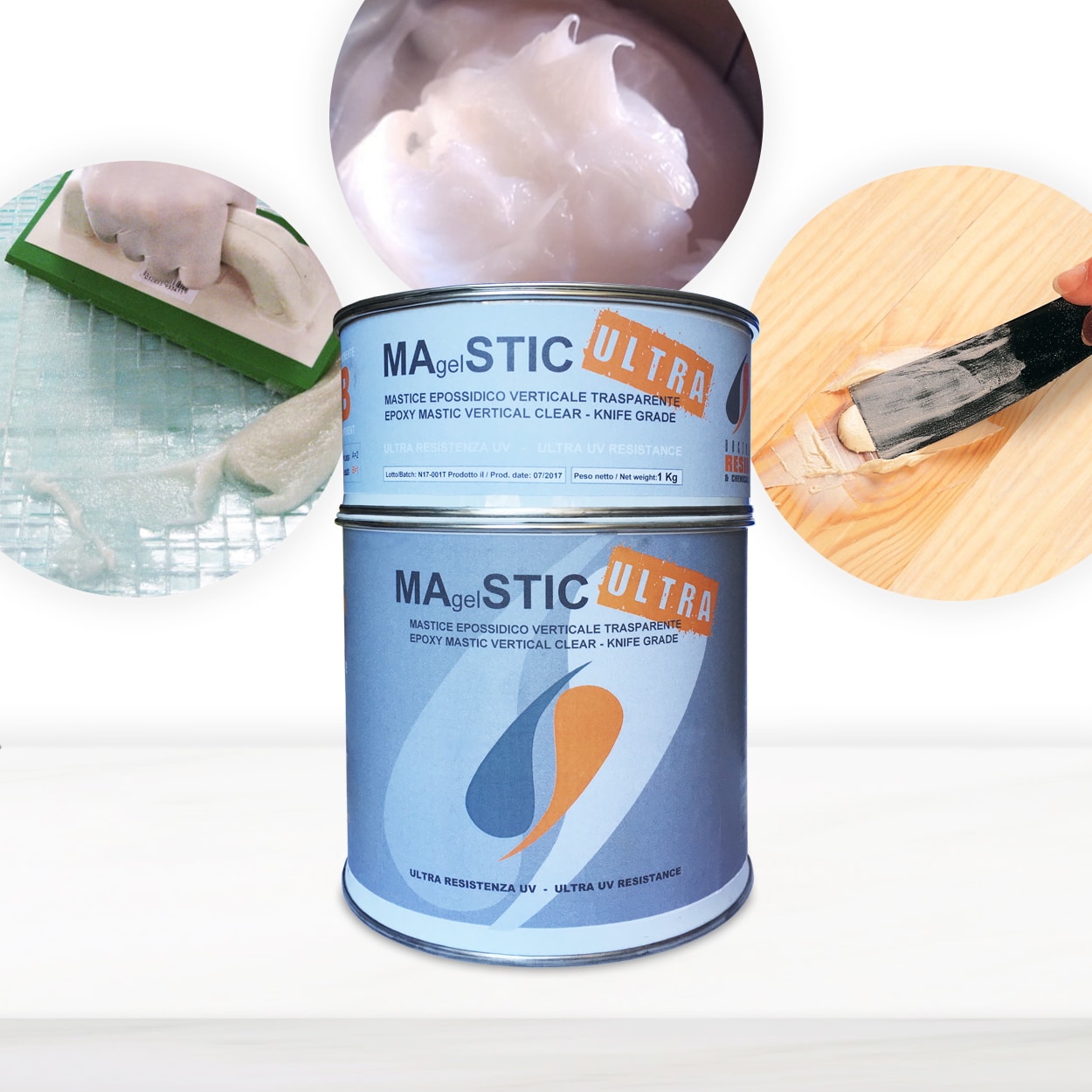
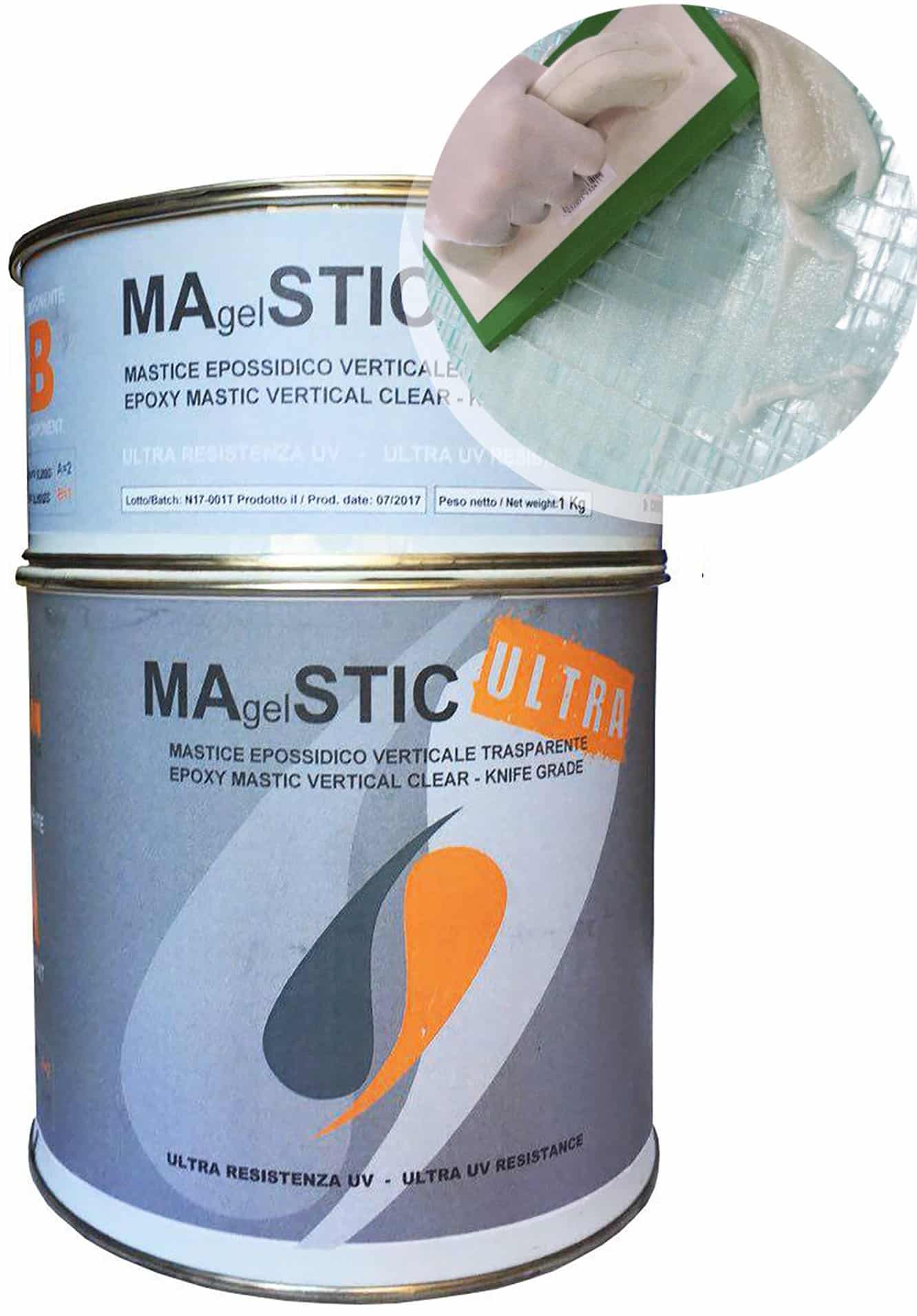
Epoxy grout is well regarded for its versatility and robust adhesion, but not every surface is suitable for its application. Understanding which substrates work best ensures a quality and lasting grout finish in any project.
Compatible Surfaces for Epoxy Grout
Epoxy grout can be reliably used on a range of surfaces, particularly those that are non-porous or have stable, solid structures. Common suitable materials include natural and artificial stone, tiles, cement, and metal. These surfaces provide the necessary strength to achieve a durable bond, making epoxy grout a preferred choice in areas requiring high mechanical resistance, such as floors and wet rooms.
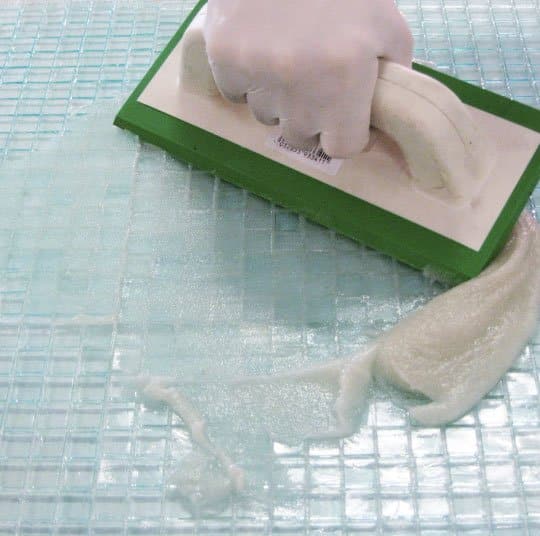
- Stone and tiling: Both natural and engineered stones as well as ceramic and porcelain tiles are ideal for epoxy grout.
- Cement and screed: Provides a strong mineral base for adhesion, especially when primed.
- Metal: Suitable for certain installations, particularly when smooth, clean, and free from oxidation.
Assessing and Preparing the Substrate
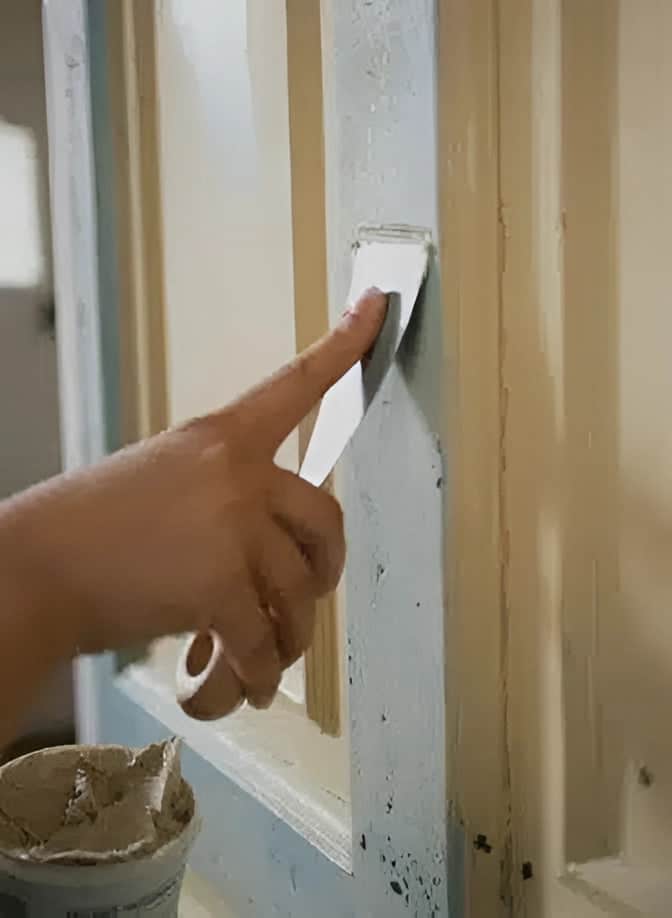
Proper preparation is vital for success. Surfaces should be structurally sound, clean, and free of oils, dust, or old coatings. Highly porous bases, such as untreated timber, may not be optimal unless pre-treated with a suitable epoxy primer. For best results on concrete, timber, or screed floors before grouting, use a dedicated primer like “Epoxyprimer” to enhance adhesion and minimise defects.
When to Use Specialised Epoxy Products
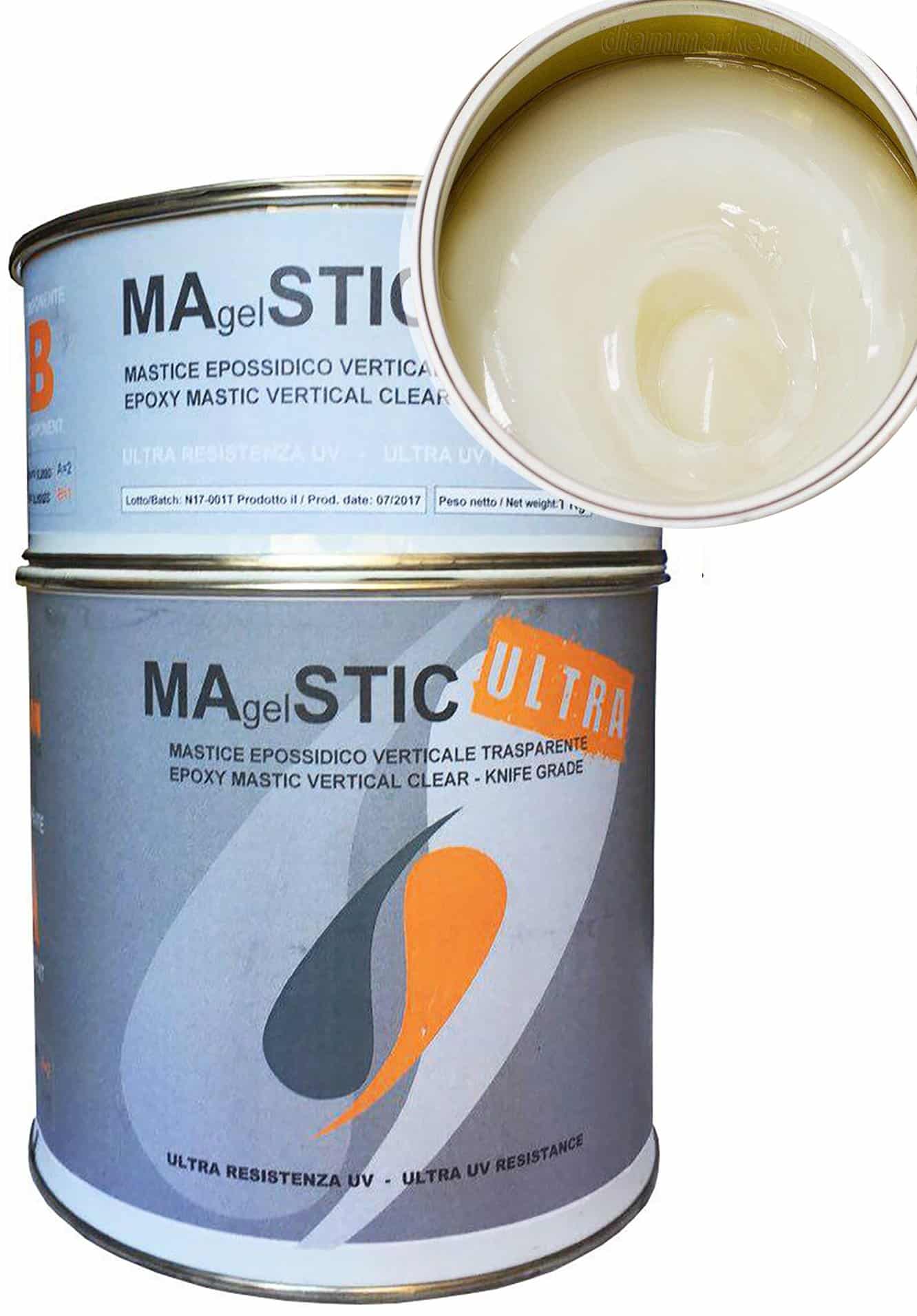
Not all epoxy grouts are interchangeable across every surface. For projects involving vertical or overhead grouting, a thixotropic epoxy mastic, such as “Magelstick”, helps prevent sagging and ensures an even finish. Where smooth spreading is essential, a tool like the tooth shaped spatula aids in achieving a uniform layer.
When This Matters
Matching the grout type to your substrate matters most in projects like bathroom renovations, stone restoration, or when working in areas exposed to moisture and heavy use. Choosing the right combination prevents future issues such as grout failure or unsightly finishes.
Related products
Related guides
Whether you’re tiling a bathroom or repairing a stone worktop, ensuring your chosen surface is compatible with epoxy grout sets the foundation for a lasting result. For more application advice, explore our main guide on how to apply epoxy grout.