 Free shipping on orders over £29,85
  Shipping Tracking!


 Google
 Facebook
← Back to How do you make Erikakawaii resin?
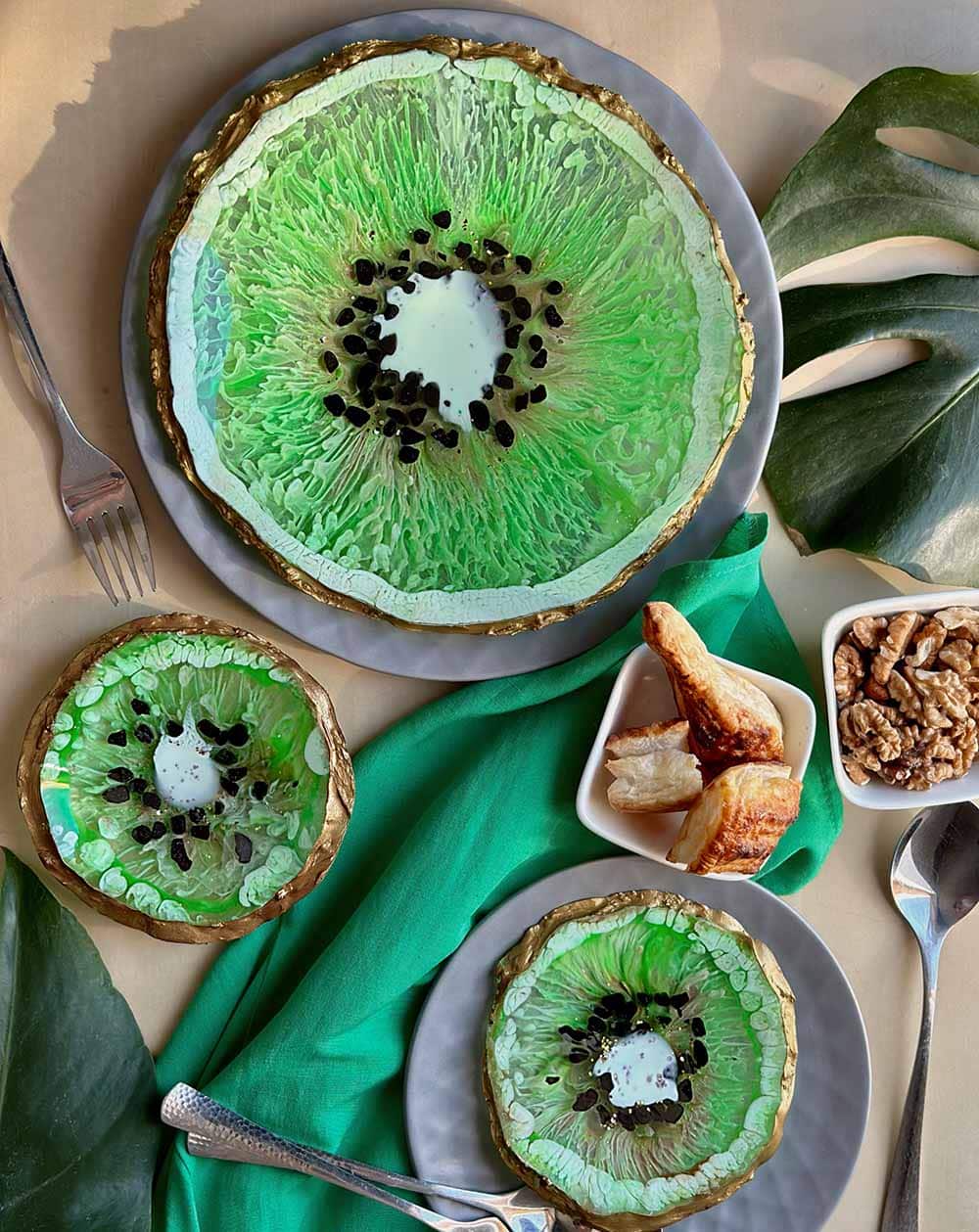
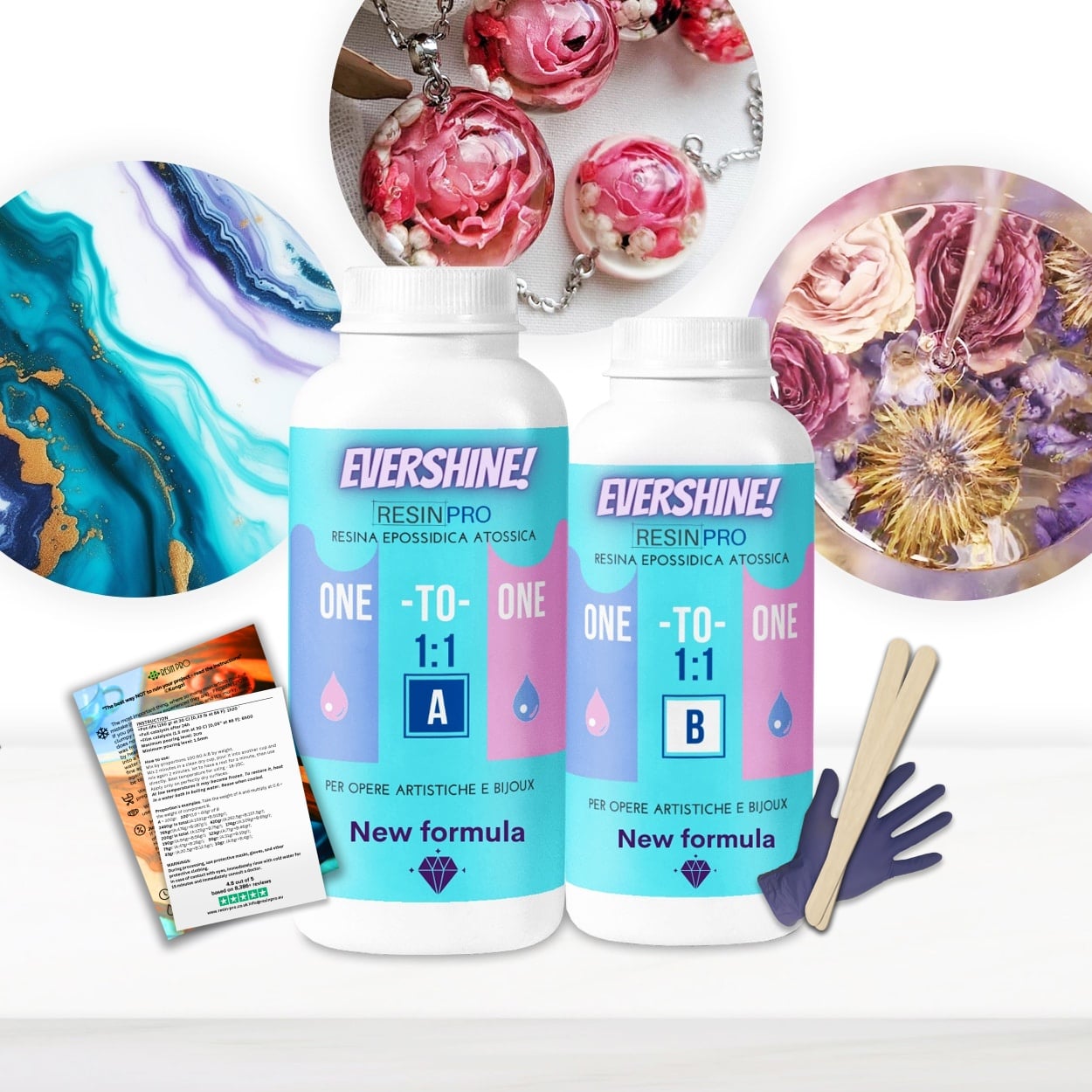
Over-mixing epoxy resin is a common mistake that can introduce unwanted bubbles, which may affect the clarity and finish of your Erikakawaii resin creations. With careful technique and the right supplies, you can keep your artworks delightfully smooth.
Why Do Bubbles Appear in Resin?
Bubbles form primarily due to vigorous mixing or excessive agitation, trapping air within the resin and hardener mixture. This is especially noticeable when blending colourants or working in deep or narrow moulds. The result can be cloudy finishes or tiny bubbles disrupting fine details in jewellery, coasters, or ornaments.
How to Mix Resin and Minimise Bubbles
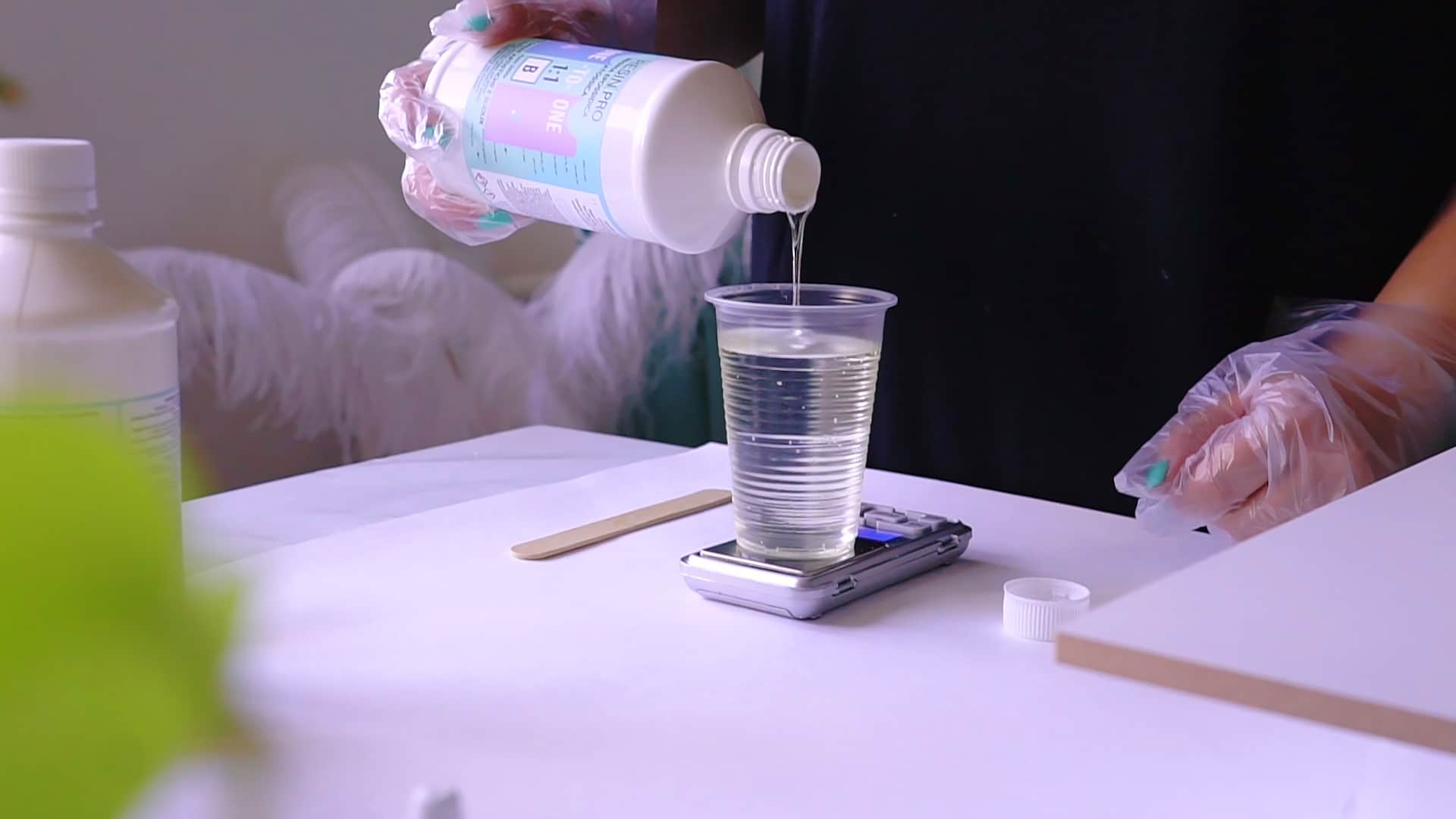
- Stir slowly and deliberately, scraping the sides and bottom of your mixing vessel frequently.
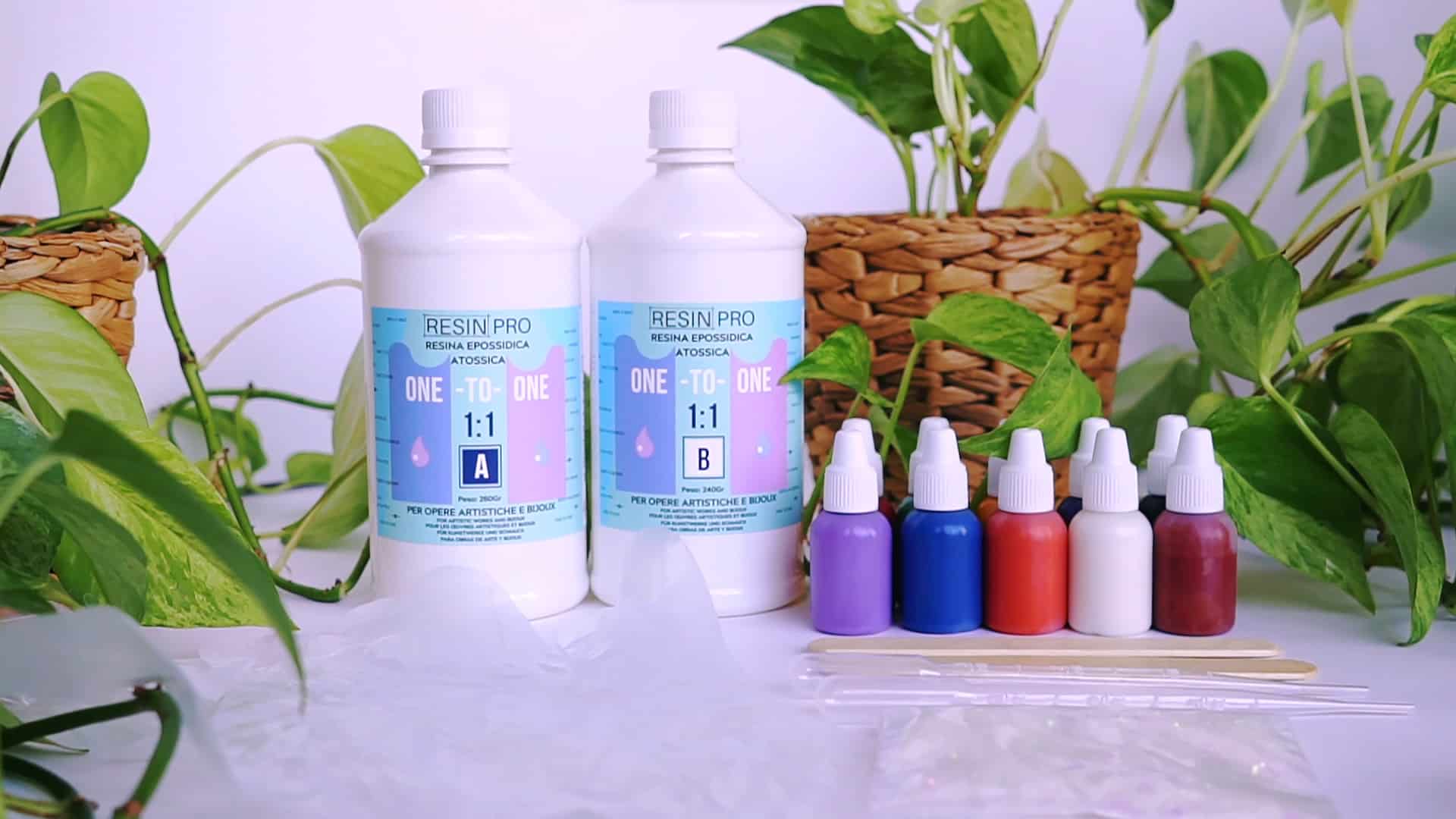
- Use medium or low viscosity epoxy resins that flow easily and allow air to escape before curing—such as “One-2-One” – Epoxy Resin for Handcraft or “Liquidissima” for intricate work.
- After mixing, let the resin sit briefly to allow surface bubbles to rise and pop.
- Lightly warm the resin (as recommended by the manufacturer) to improve flow and help bubbles dissipate.
When Bubble Prevention Matters Most
Bubble avoidance is vital when clarity and detail are key—particularly in the Erikakawaii style that features transparent layers, encapsulated items, or charming miniatures. For best results, choose a resin and technique matched to your level and project. Free video lessons, like the Kiwi Coasters by Natalia Natirum, often demonstrate careful mixing for flawless surfaces.

Related products
Related guides
Perfecting your mixing technique not only keeps bubbles at bay but also showcases the vibrant, playful qualities of Erikakawaii resin projects. For more creative ideas and expert guidance, see our full guide on How do you make Erikakawaii resin?.