 Free shipping on orders over £29,85
  Shipping Tracking!


 Google
 Facebook
← Back to How to apply cementitious resin for outdoor use?
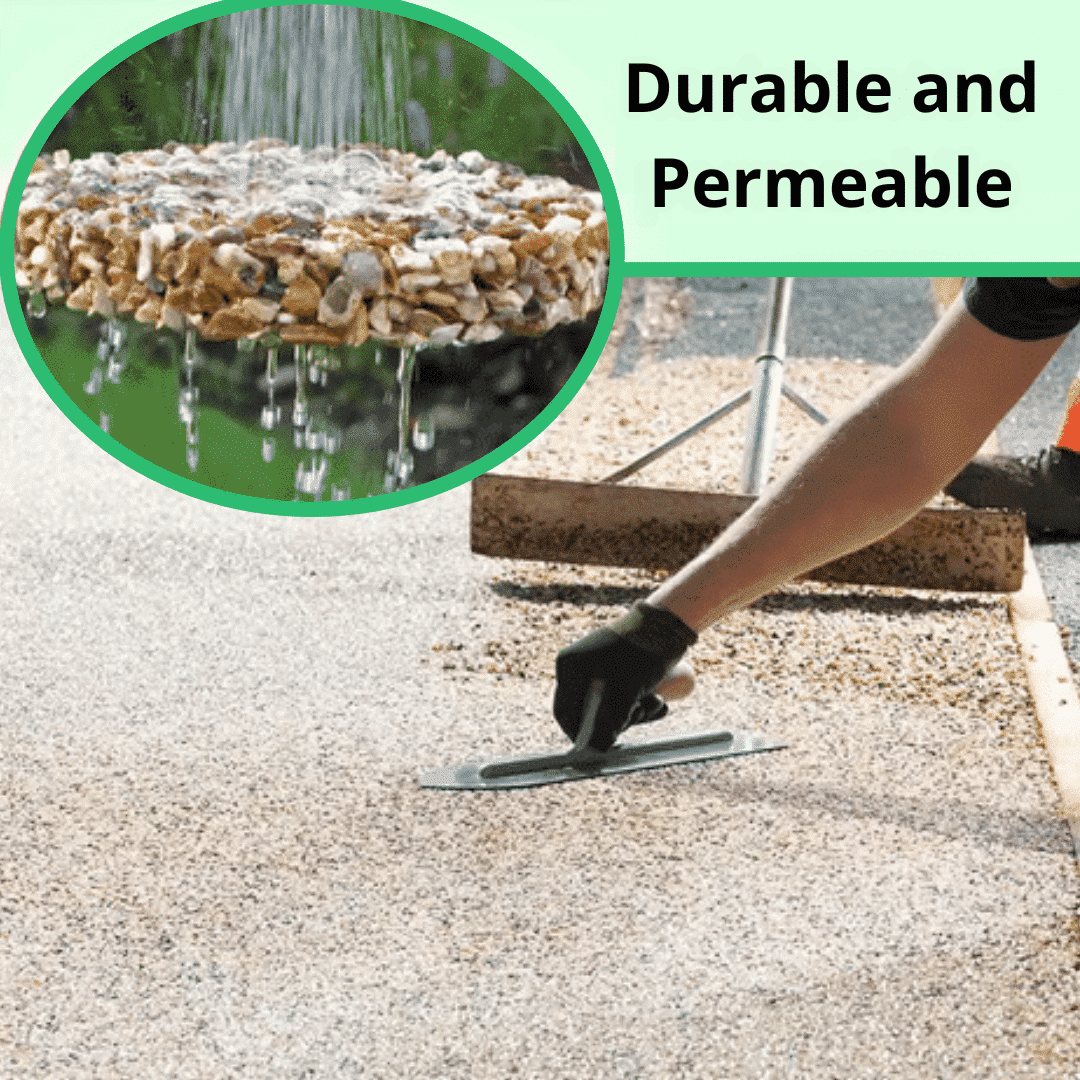
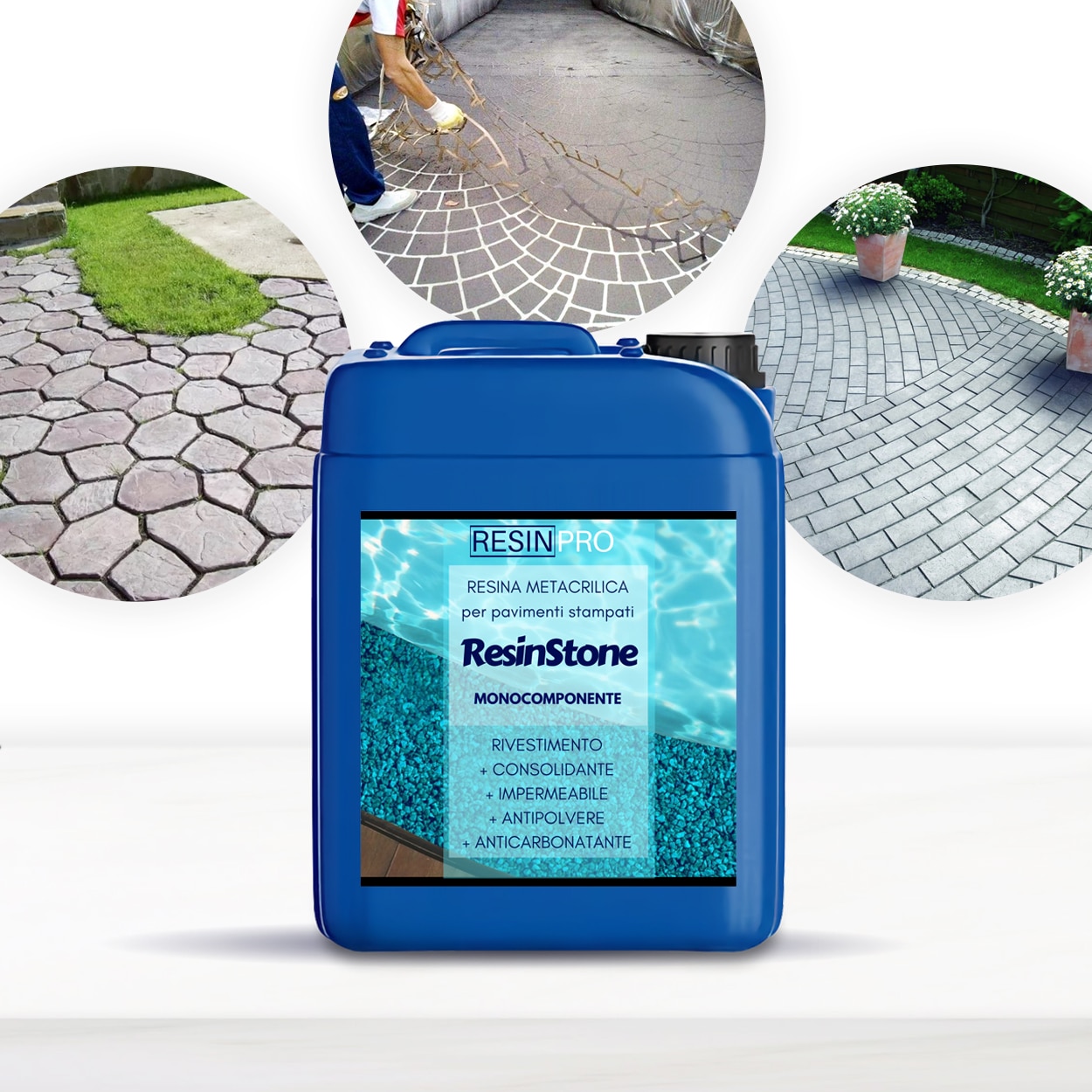
Cementitious resin systems are a popular choice for outdoor areas, but many wonder whether these surfaces are naturally slip-resistant or require special preparation. Understanding how slip resistance is achieved will help you create safe and attractive outdoor flooring.
How Cementitious Resin Achieves Slip Resistance
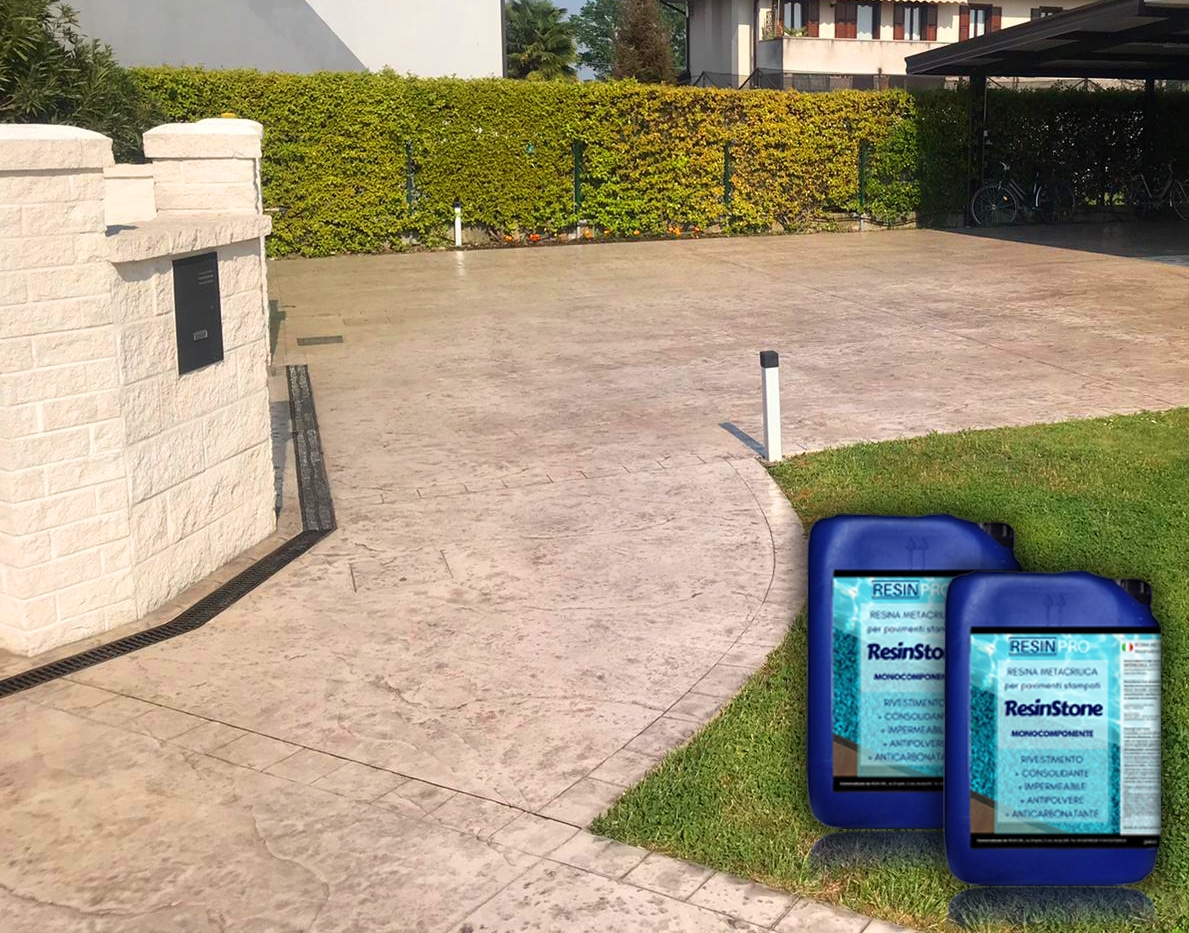
Slip resistance in cementitious resin surfaces isn’t always a given; it’s typically achieved during installation by introducing textured aggregates or using binders designed for a non-slip effect. This approach allows the finished floor to offer more grip, even in wet weather. For example, resin with blended pebbles creates a naturally anti-slip texture, making it suitable for paths, driveways, and patios. Products like Flowstone kits offer reliable results when you follow the recommended methods and material pairings.

Key Considerations for Outdoor Safety
Slip resistance is especially critical in outdoor spaces exposed to rain and foot traffic. The binder chosen—such as a polyurethane for white stones or a UV-stable epoxy for darker colours—impacts both the durability and the grippiness of the floor. Many modern systems, including Polirock, are formulated with safety in mind, ensuring the finished surface remains sturdy and less prone to becoming slippery over time.
When Slip Resistance Matters Most
- Residential driveways, especially on slopes
- Garden paths or communal walkways where rainwater is common
- Public or commercial spaces where extra grip is a safety requirement
Related products
Related guides
When planning an outdoor resin floor, choosing the right combination of binder and aggregate plays a crucial role in slip resistance and long-term safety. For a detailed look at recommended surfaces and application tips, visit our main guide on how to apply cementitious resin for outdoor use.