 Free shipping on orders over £29,85
  Shipping Tracking!


 Google
 Facebook
How to apply cementitious resin for outdoor use?
Step-by-step guidance for weatherproof surfaces and lasting results
Applying cementitious resin outdoors is a straightforward way to seal, protect, and enhance surfaces like driveways, patios, and garden paths against the UK’s variable weather. Whether you’re revitalising existing concrete or creating decorative permeable flooring, following clear steps ensures a robust, long-lasting finish. This guide covers the complete process from preparation to sealing, including key practical tips for a professional and durable result.
What You’ll Need
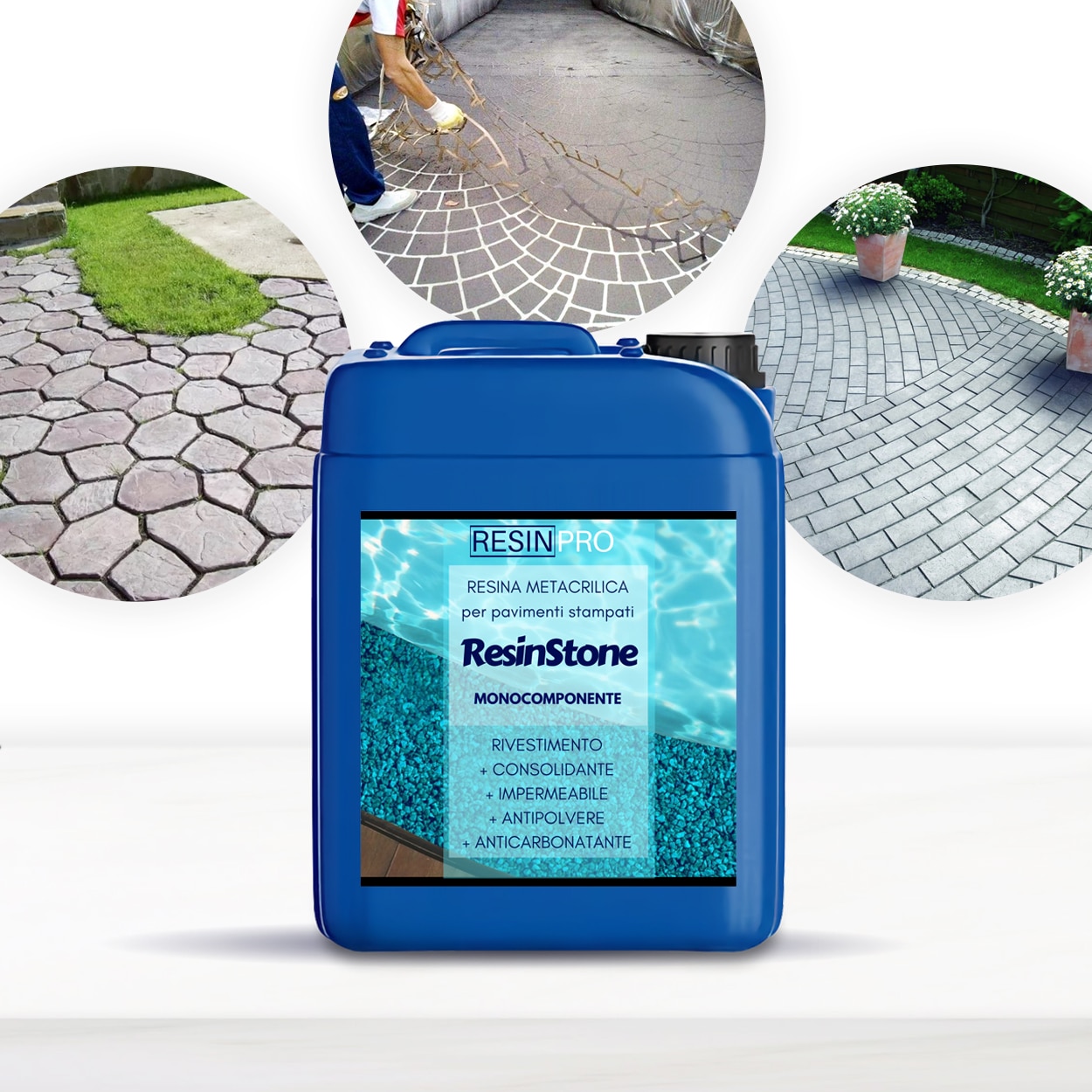
- “Resinstone” – One-Component Methacrylic Resin for Concrete Floors and Driveways
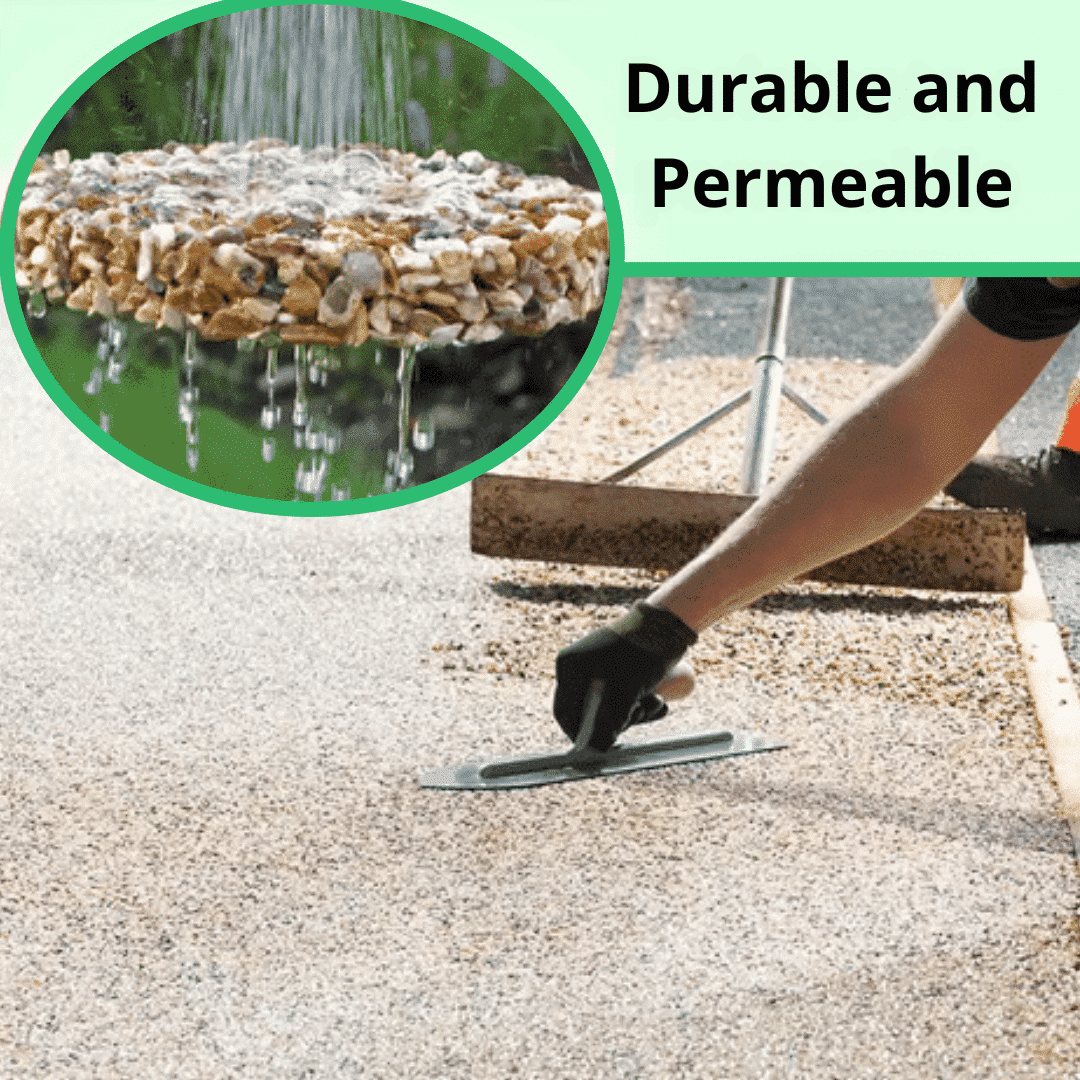
- “Flowstone” – Complete Permeable Floor Kit with Pebbles and Resin
- “Trasparente” – Epoxy Binder for Coloured Pebbles and Grits
- “Polirock” – Polyurethane Binder for White Stones, 2kg Two-Component Kit
- Pressure washer or stiff broom
- Protective gloves and clothing
- Masking tape and plastic sheeting (for nearby edges)
- Mixing bucket and stirrer (if mixing binders and aggregates)
- Trowel or roller for resin application
- Measuring jug or scale

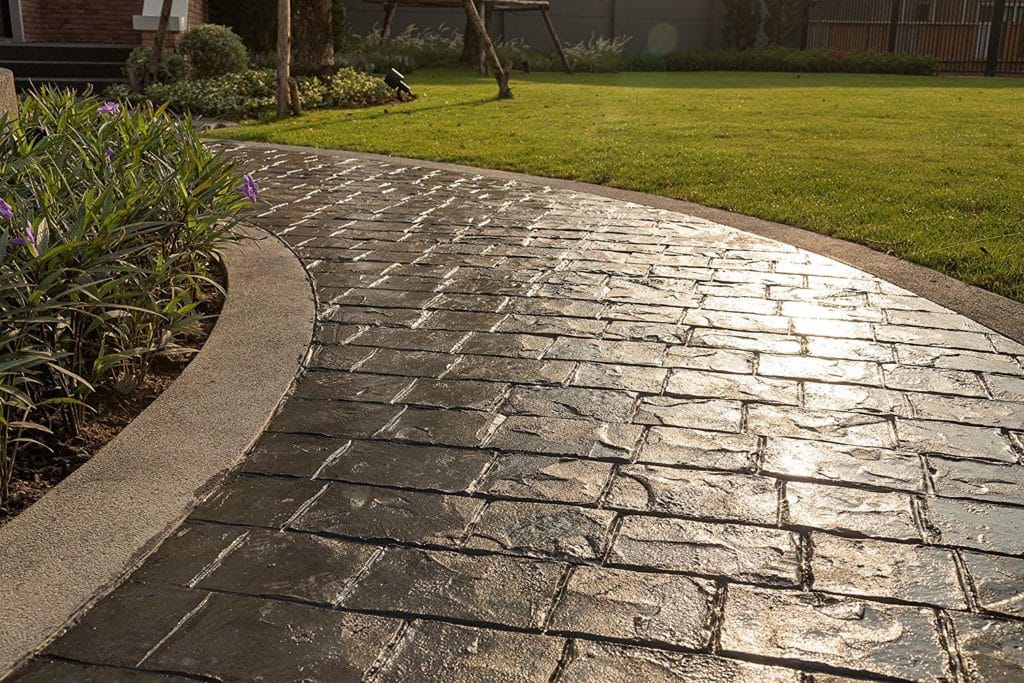
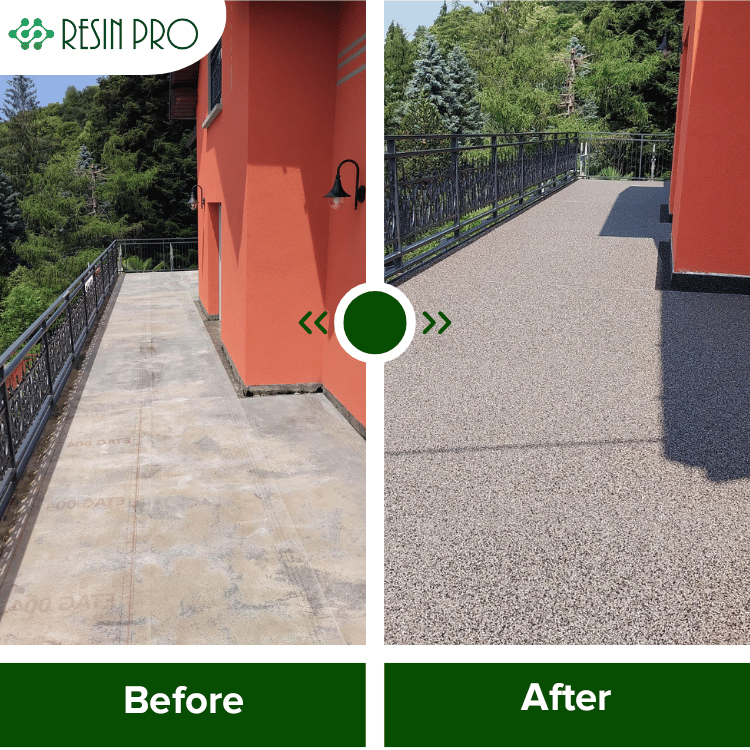
See the Difference: Outdoor Cementitious Resin in Action
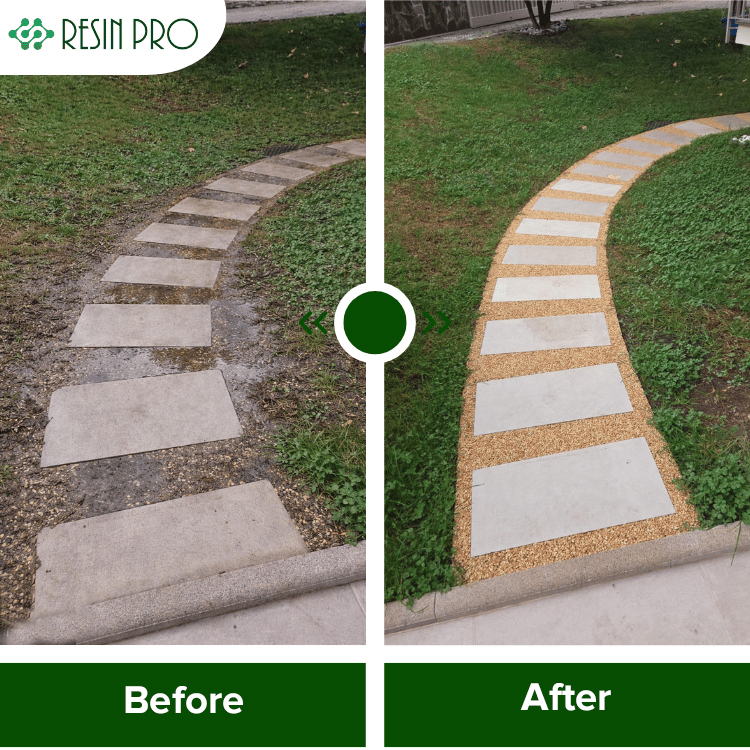
Cementitious resin delivers not only protection—but a smooth, modern look. Browse example projects and real-world installations to visualise how your outdoor surface can be transformed with long-lasting colour, shine, and resistance to the weather. From driveway sealing to decorative pebble-bound patios—the right approach stands up to the test of time.
Step 1: Prepare and Clean the Outdoor Surface
Success with cementitious resin begins with a clean, dry, and stable substrate. Remove all loose dirt, algae, moss, and any existing coatings from the concrete or base using a pressure washer or strong broom. Stubborn contaminants like oil stains may need degreasing. Ensure cracks and holes are patched and allow the area to dry thoroughly, as excess moisture can impact adhesion and resin curing.
Correct surface preparation is essential to success. Ensure all water is drained; avoid working immediately after rainfall. Mask adjacent surfaces and drains to prevent accidental spills and overspray during application.
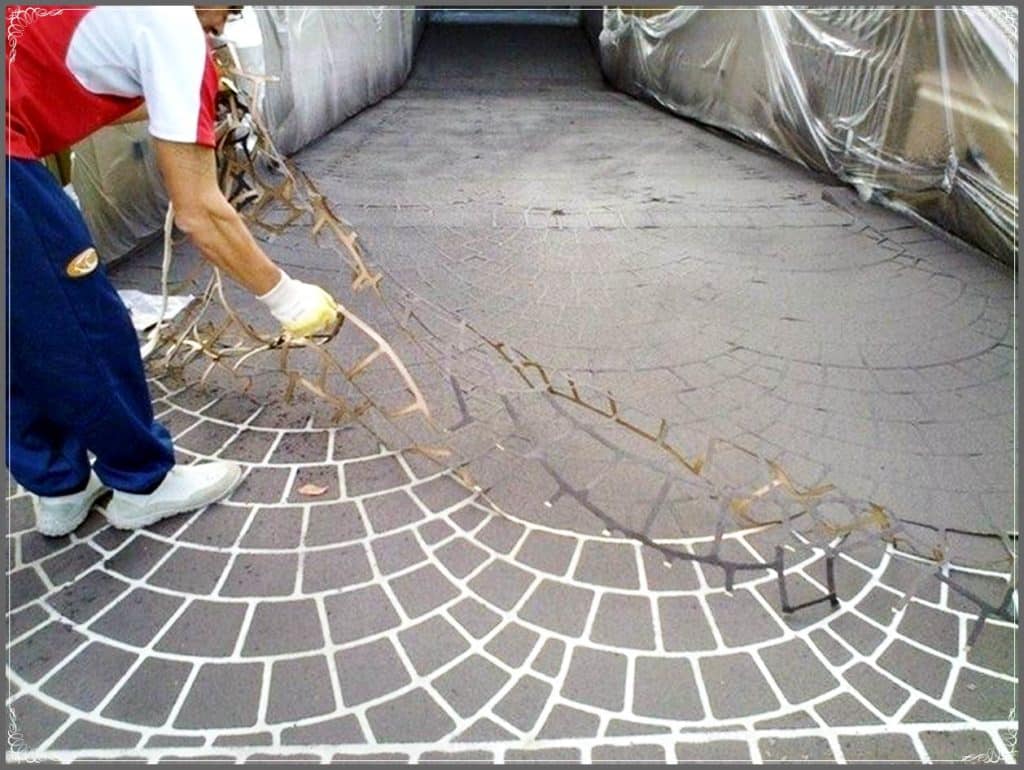
Step 2: Assess Weather and Site Conditions
Outdoor resin application requires suitable weather: check the forecast for dry, mild conditions (ideally above 10°C, below 25°C, and with low humidity). Wind can carry dust or debris, so plan accordingly. If working with products like “Resinstone” – One-Component Methacrylic Resin for Concrete Floors and Driveways, or any binder system, stable ambient conditions are critical for proper curing and optimal performance.
Always check weather conditions before starting. If rainfall or significant temperature drop is forecast within the first 24 hours after application, postpone the job.
Step 3: Mix and Prepare Cementitious Resin or Kit
If working with a resin and aggregate system such as “Flowstone” – Complete Permeable Floor Kit with Pebbles and Resin, combine the components as instructed in a clean mixing bucket. For pure resin applications like “Resinstone”, stir thoroughly to achieve homogeneity.
Use a slow-speed drill with paddle attachment for even mixing, avoiding the introduction of air bubbles. Wear gloves and protect exposed skin. Mix product thoroughly following manufacturer’s instructions—incorrect mixing can cause curing failure or weak spots.
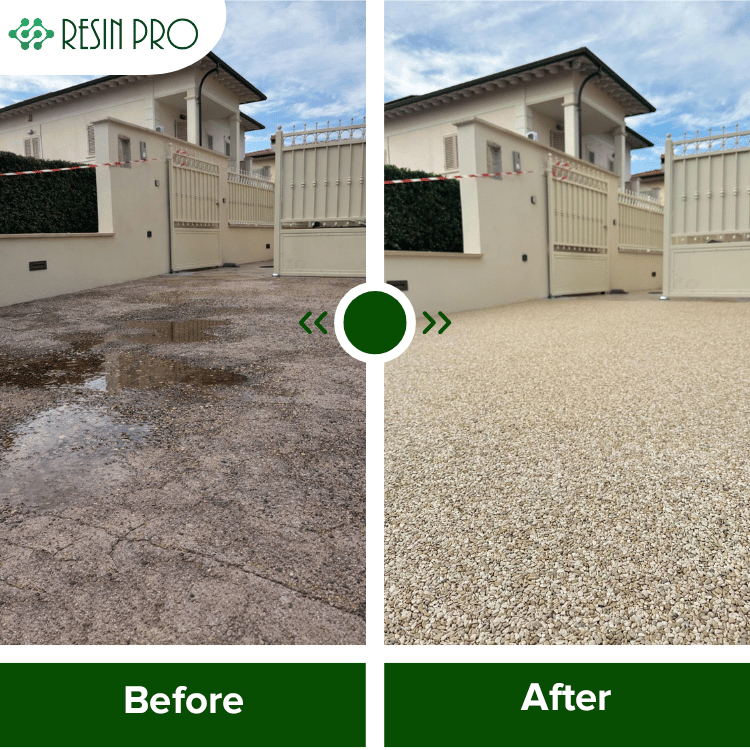
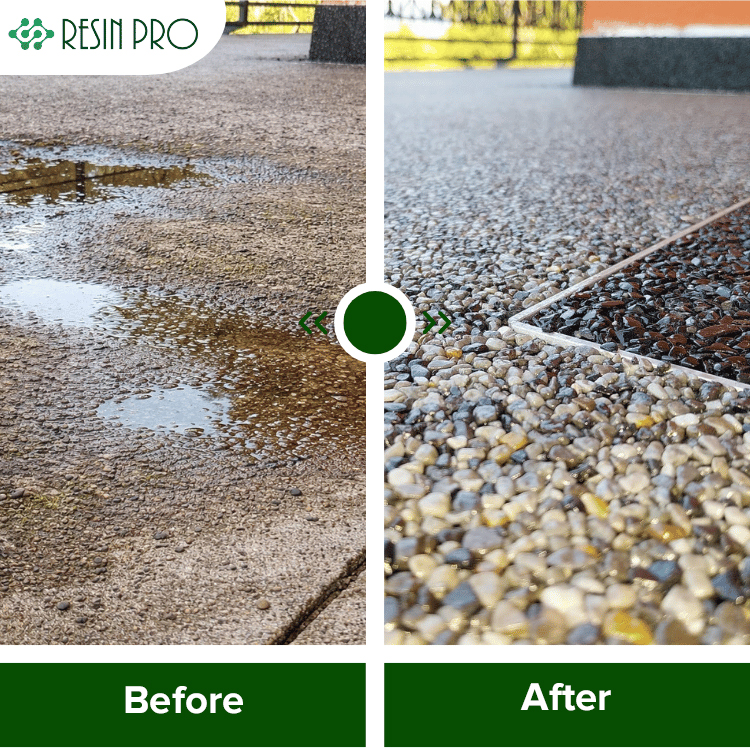
Step 4: Apply Resin Evenly to the Surface
Pour, spread, or trowel the mixed resin or resin-aggregate mixture onto the surface promptly. For transparent or pigmented resin binders like “Trasparente” – Epoxy Binder for Coloured Pebbles and Grits or “Polirock” – Polyurethane Binder for White Stones, 2kg Two-Component Kit, ensure the product encapsulates the stones evenly for full binding and a tidy finish.
Work in small sections for best control, maintaining a consistent layer thickness. Do not overwork the surface—over-application can lead to pooling and poor performance. Allow the resin to settle and begin to cure before walking on the finished area.
Step 5: Cure and Protect the Surface
Let the treated floor cure undisturbed for the time specified by the manufacturer—often between 10 and 24 hours, depending on the chosen system and weather. Prevent foot and vehicle traffic until fully cured. Incomplete curing can compromise durability and finish.
When possible, shield the job from rain or debris. Ensure adequate curing before foot or vehicle traffic for optimal longevity and mechanical resistance.
Tips and Common Mistakes to Avoid
- Do not skimp on masking and protection: It saves hours of cleanup later.
- Test a small area first, especially on older or variable concrete, to check compatibility and absorption.
- Mix only what you can apply in 20–30 minutes to avoid wasted product.
- Follow correct resin-to-aggregate ratios for bound stone systems—excess resin can cause a sticky surface, too little may reduce binding strength.
- Allow full curing before returning furniture or vehicles to the surface.
Finishing Touches and Aftercare for Your Resin Floor
Proper aftercare maximises your resin’s durability and appearance. For ongoing maintenance, keep the surface clear of organic matter and avoid aggressive chemicals when cleaning. Occasional gentle washing will preserve both looks and long-term resistance, while prompt repairs of chips or scuffs keep outdoor areas looking their best.
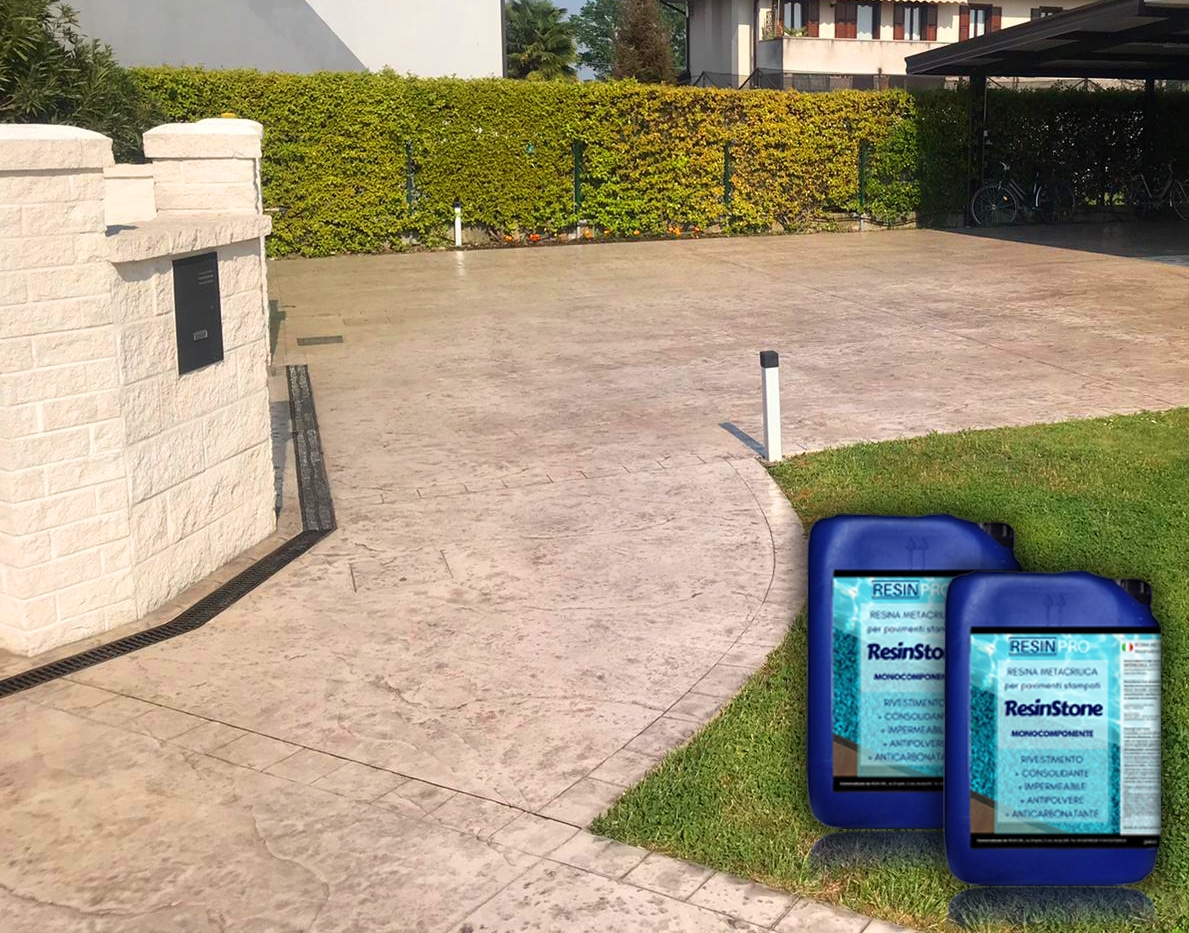
- "Resinstone" – One-Component Methacrylic Resin for Concrete Floors and DrivewaysPrice range: £36.71 through £336.48RESINSTONE is a one-component methacrylic resin designed for sealing and protecting concrete floors and driveways, offering durable and breathable…
- "Flowstone" – Complete Permeable Floor Kit with Pebbles and ResinPrice range: £49.95 through £3,915.45"Flowstone" kit is a permeable pebble and resin system designed for outdoor driveways and paths with guidance for effective application.
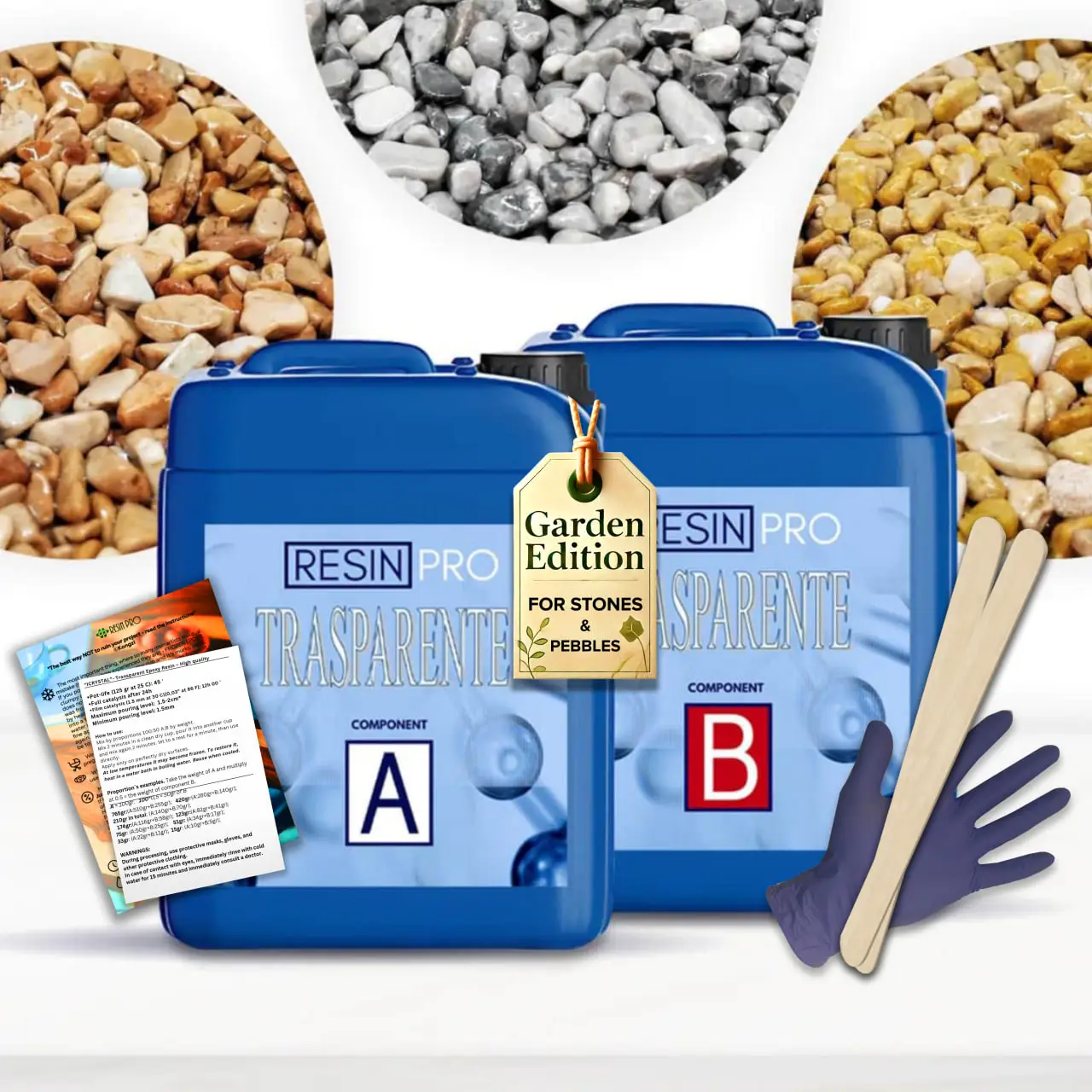 "Trasparente" – Epoxy Binder for Coloured Pebbles and GritsPrice range: £33.45 through £397.95"Trasparente" is a transparent epoxy binder designed for coloured pebbles and grits, suitable for outdoor decorative flooring projects.
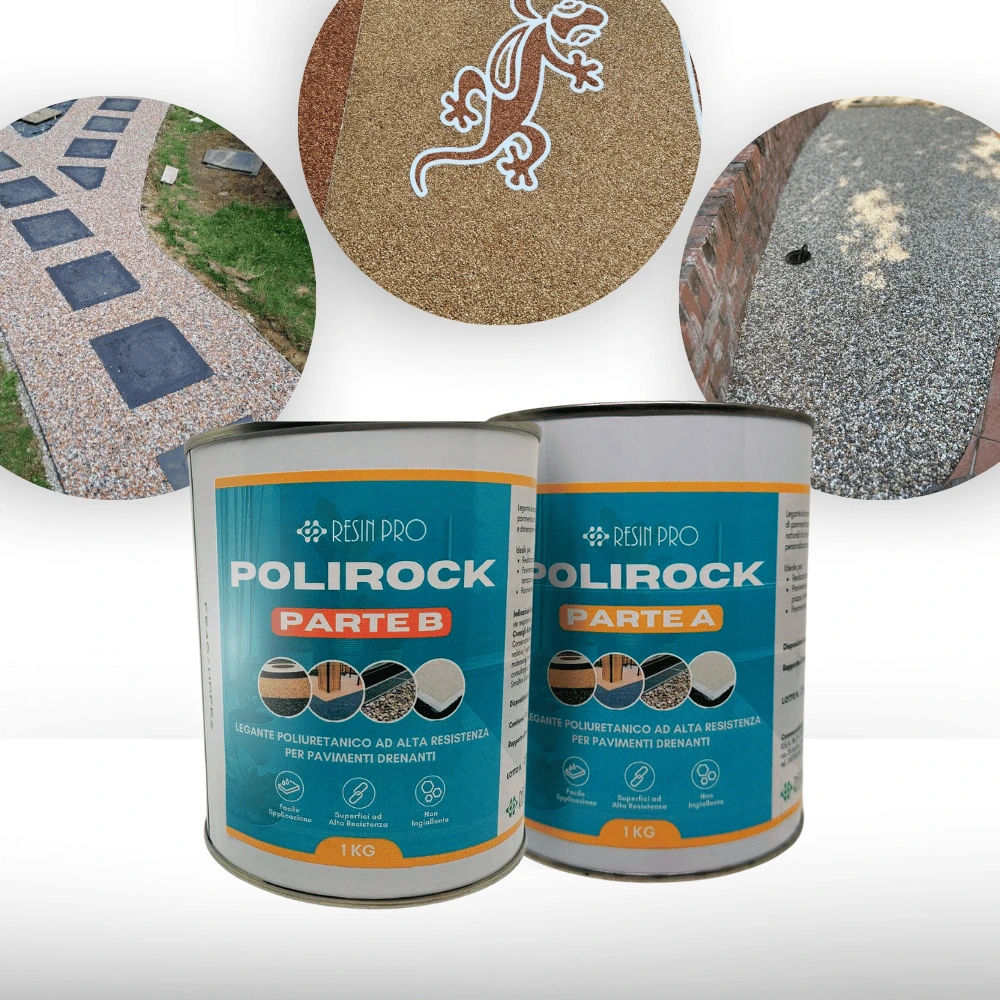 "Polirock" – Polyurethane Binder for White Stones, 2kg Two-Component Kit£61.95"Polirock" is a polyurethane binder designed to create decorative and permeable outdoor surfaces with white stones, suitable for professional and DIY…
Frequently Asked Questions
Can I apply cementitious resin to damp concrete?
No, the concrete must be dry to ensure proper adhesion and curing of the resin. Moist surfaces can cause poor bonding and other application issues.
How long before my outdoor area is usable after resin application?
Most resin systems are walkable after 10–24 hours but wait until fully cured before placing heavy objects or vehicles.
Is cementitious resin slip-resistant?
Many outdoor resin systems are designed for non-slip finishes, especially when used with textured aggregates or specific binders.
What if it rains after I have applied the resin?
Rain during curing can damage the surface. Always check the forecast and cover the area if unexpected rain is possible.
Can I use cementitious resin on any outdoor surface?
These resins are best for concrete, stone, or suitable aggregates. Avoid use on loose gravel, wood, or non-porous surfaces.
Do I need special tools to apply cementitious resin?
No, standard DIY tools like rollers, trowels, and mixing buckets are sufficient. For large areas, a cement mixer may speed up mixing.