 Free shipping on orders over £29,85
  Shipping Tracking!


 Google
 Facebook
How do you apply resin on a wall?
Step-by-step guide for creating decorative resin walls
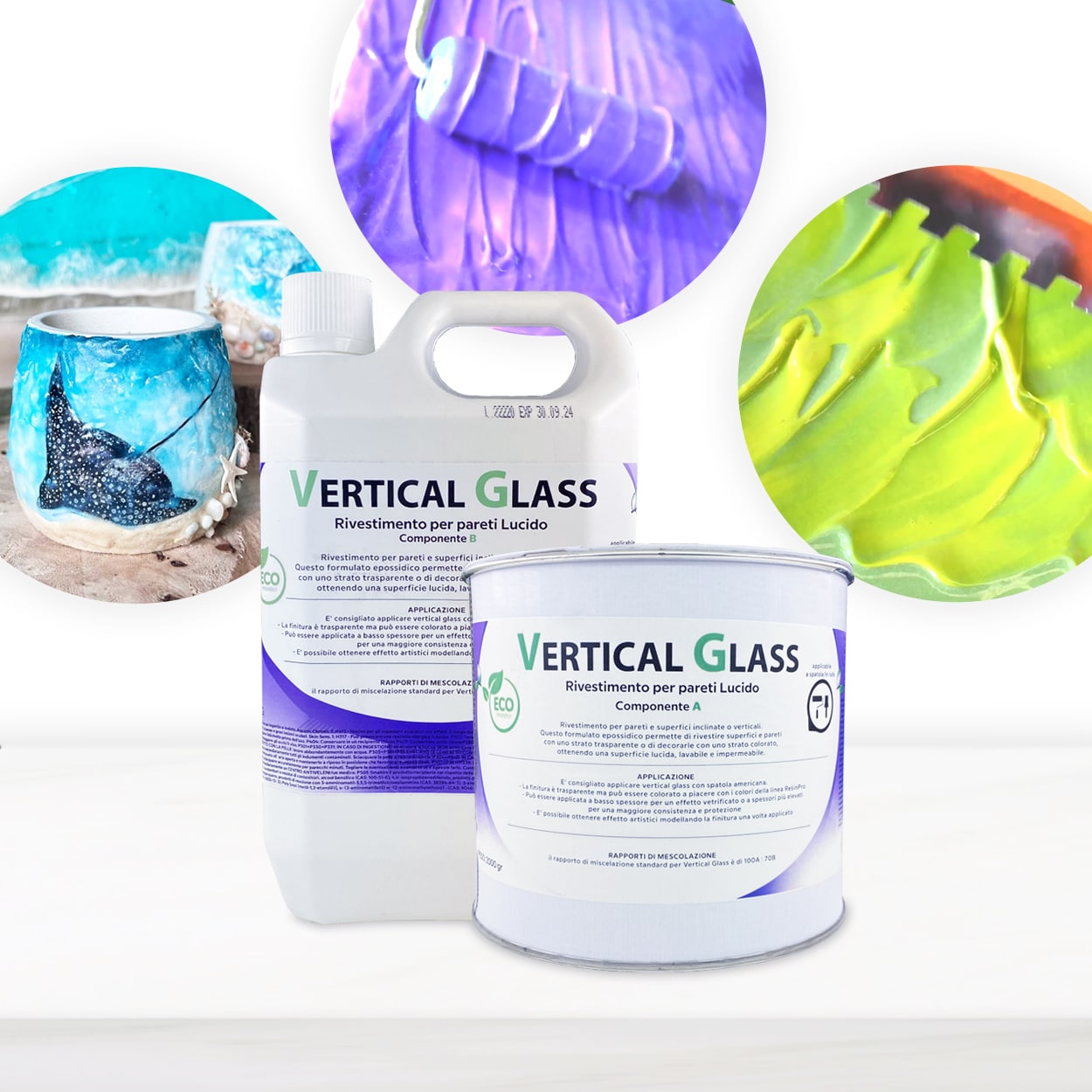

Transform your home or business interior with a stunning resin wall finish that delivers exceptional durability, creative versatility, and a waterproof surface. Applying resin to a vertical wall enhances resistance to stains and moisture, while providing a sleek, seamless look—perfect for kitchens, bathrooms, feature walls, and artistic projects.
What You’ll Need
- “Vertical Glass” – Thick Resin Decorative Wall Coating: A specialist resin for vertical and sloping surfaces.
- Resin & Paint Application Rollers – Short-Pile, Large, and Sponge Types: For even and controlled application on walls.
- “Epoxyprimer” – Universal Water-Based Two-Component Epoxy Floor Primer: Ensures maximum adhesion to a range of surfaces such as tiles, wood, and cement.
- “Art Pro Deluxe” – Ultra-High Viscosity Epoxy Resin for Artists: Ideal for precise control or detailed decorative work on vertical surfaces.
- Painter’s tape and dust sheets
- Sandpaper (fine and medium grit)
- Mixing buckets and protective gloves
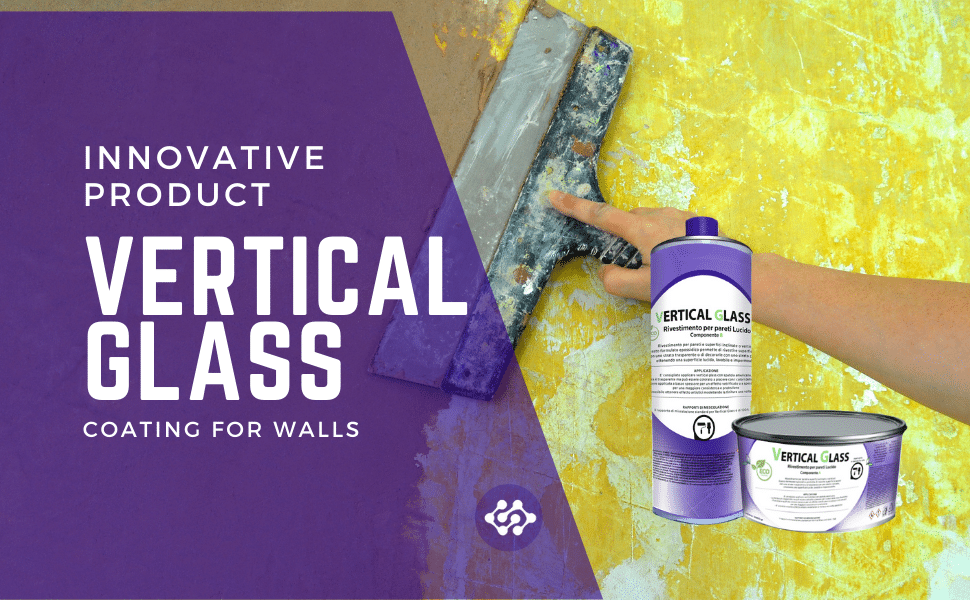
See Stunning Resin Wall Finishes
Explore project examples featuring decorative resin coatings on walls—from residential bathrooms to contemporary commercial spaces—with vibrant colours, metallic effects, and glossy waterproof finishes. Get inspired by creative applications achieved using “Vertical Glass” – Thick Resin Decorative Wall Coating and more.
Step 1: Prepare the Wall Surface
Clear the work area and cover nearby floors and fittings with dust sheets. The wall should be clean, dry, and free from grease, dust, or old paint—any imperfections will affect the final finish. Sand the wall lightly to create a key for better adhesion and vacuum away dust.
Fill any holes or cracks with suitable filler and allow to dry completely. For tiled or glossy surfaces, lightly de-gloss with fine sandpaper and wipe down with a damp, lint-free cloth before moving on to the next step.
Prepare the wall surface carefully—a flawless base is essential for a smooth, lasting resin finish.

Step 2: Apply Primer for Lasting Adhesion
Priming the wall ensures the resin bonds securely. Mix your primer according to manufacturer instructions. Using a roller or spatula, apply an even coat across the entire wall, paying close attention to edges and corners. Allow the primer to cure fully (typically 24–48 hours) before proceeding to the resin layer.
The “Epoxyprimer” – Universal Water-Based Two-Component Epoxy Floor Primer is suitable for tiles, wood, screed, or cement, creating the ideal surface for resin application.
Allow primer and resin to cure fully between steps to avoid unwanted defects in the coating.
Step 3: Mix and Apply Resin to the Wall
Choose a resin formulated for vertical surfaces or thick applications. Mix the resin components precisely using a clean bucket, following recommended ratios. Pour a manageable amount into a paint tray or directly onto the wall if using a spatula.
Begin applying from the top of the wall, using a spatula for thicker effects or a roller for an even, smooth coating. Work in manageable sections to minimise drips and ensure a consistent thickness. Use painter’s tape to keep lines clean at edges or adjacent surfaces.
The “Vertical Glass” – Thick Resin Decorative Wall Coating is specifically designed for vertical use and can be customised with pigments or metallics for decorative effects. For detailed patterns or art-inspired finishes, the “Art Pro Deluxe” – Ultra-High Viscosity Epoxy Resin for Artists allows you to create bold designs with exceptional line control.
Prevent sagging by using thick resins or multi-coat methods; let each layer cure before adding another if a thicker coverage is desired.


Step 4: Finishing Touches and Curing
Check for any trapped bubbles after application; gently pass a heat gun or hair dryer over the wet resin if bubbles appear. Remove any painter’s tape while the resin is still soft to prevent tearing edges later.
Allow the resin to cure undisturbed according to the product’s instructions—usually 24–48 hours. Once fully hardened, sand lightly for a satin finish if desired, or leave as is for a high-gloss effect. The wall can now be cleaned gently with a soft, damp cloth to maintain its brilliance.
Tips, Troubleshooting & Common Mistakes
Thorough surface cleaning and priming is vital before resin application—skipping these steps may lead to peeling or poor bonding. Always use the correct mixing ratios and only mix what you can apply in one session, as resin cures within set time frames.
Choose products specifically intended for vertical surfaces to avoid dripping or sagging. Apply resin in thin layers and allow complete curing between coats for best results. Avoid application in humid or under-ventilated environments.

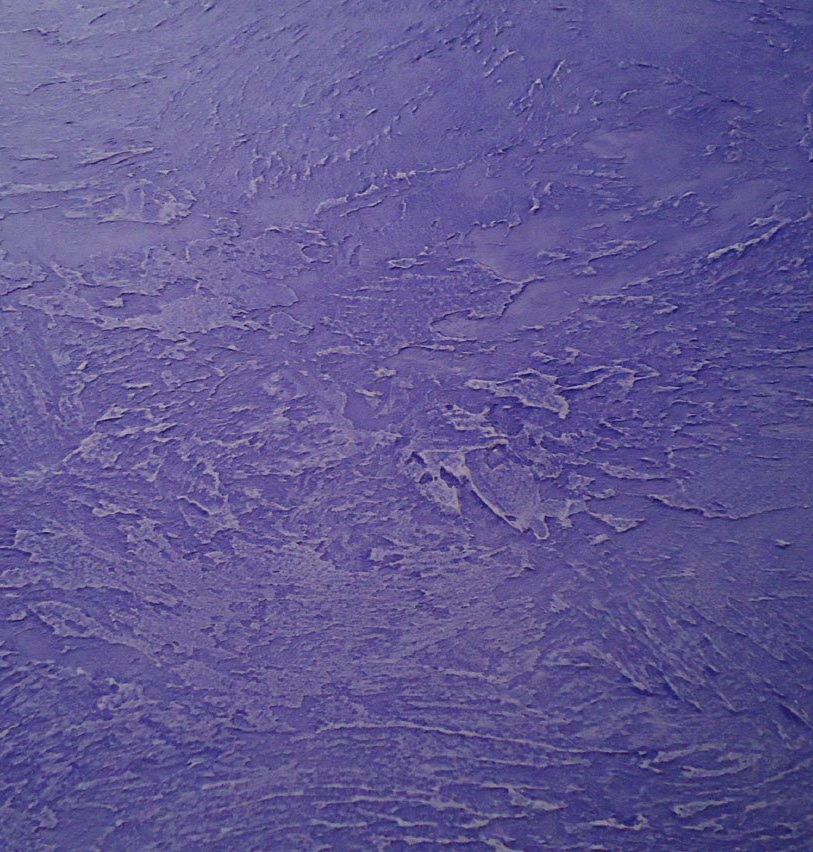
Close-up: Resin Application Techniques
Watch up-close details of roller and spatula resin application, layered effects, and finishing options such as sanding for a satin look. These results are possible with tools including Resin & Paint Application Rollers and advanced high-viscosity resins designed for creative wall projects.
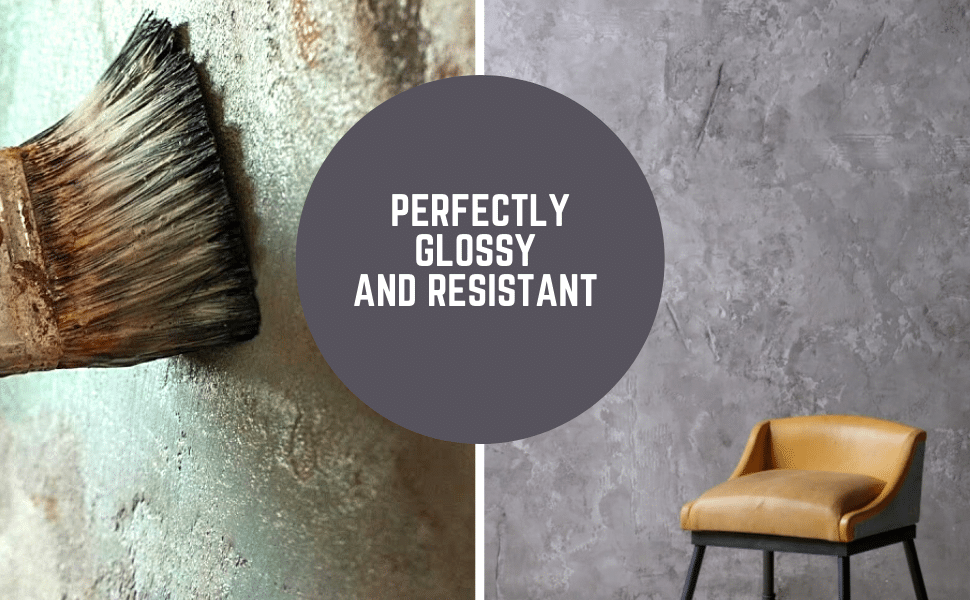
- "Vertical Glass" – Thick Resin Decorative Wall CoatingPrice range: £78.95 through £188.95Vertical Glass provides a customisable, waterproof coating for walls with easy spatula application on vertical and sloping surfaces.
- Resin & Paint Application Rollers – Short-Pile, Large, and Sponge TypesPrice range: £3.62 through £5.09This product offers rollers designed for epoxy resin application, suitable for precise and uniform finishes on resin surfaces.
- "Epoxyprimer" – Universal Water-Based Two-Component Epoxy Floor PrimerPrice range: £156.45 through £286.45Epoxyprimer is a water-based two-component epoxy floor primer designed for reliable adhesion on various surfaces, suitable for the resin application…
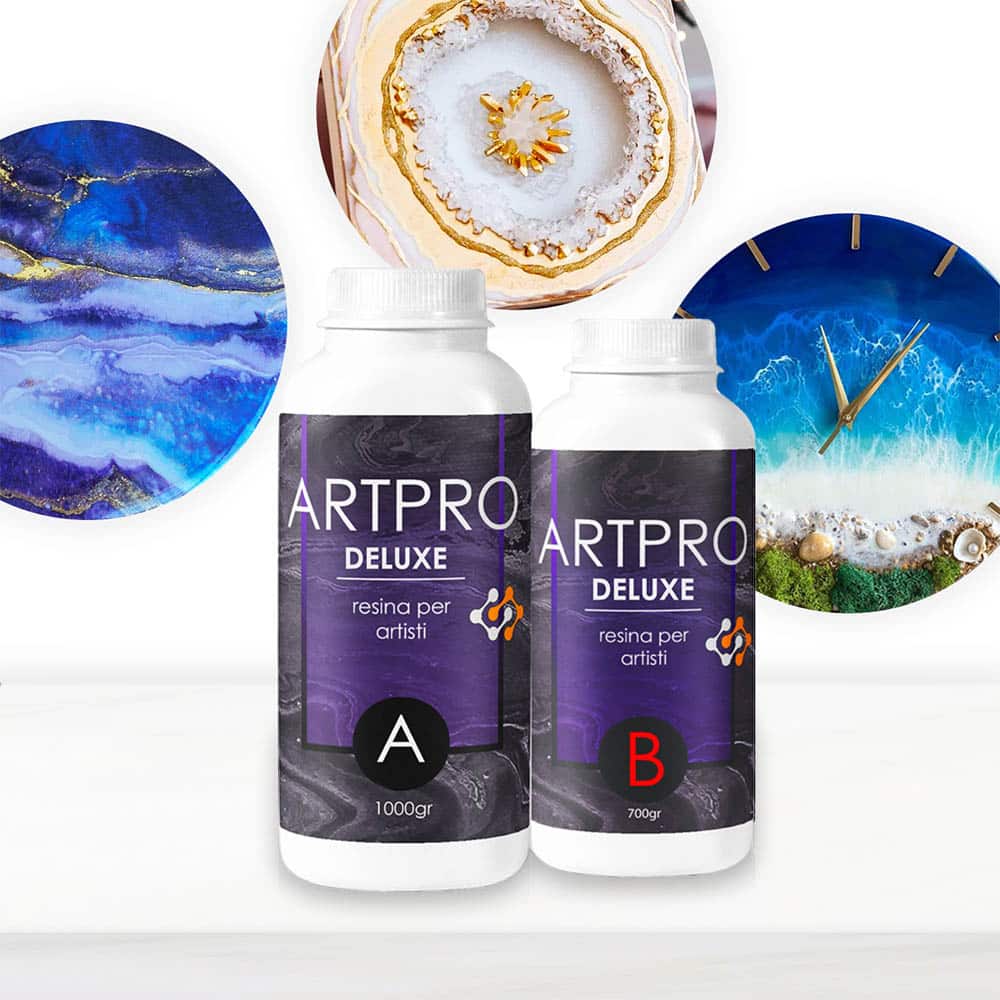 "Art Pro Deluxe" – Ultra-High Viscosity Epoxy Resin for ArtistsPrice range: £35.95 through £302.45Art Pro Deluxe is an ultra-high viscosity epoxy resin designed for precise control and clear finish layers suitable for artistic resin projects.
Frequently Asked Questions
What type of resin should I use for applying on an interior wall?
Specialist thick resins like Vertical Glass or ultra-high viscosity art resins are best for vertical wall applications due to their minimal sagging.
Do I need to use primer before applying resin to my wall?
A suitable epoxy primer ensures strong adhesion and durability, especially on tiles, cement, or wood. Always allow primer to cure fully first.
How can I prevent drips and runs when applying resin to a wall?
Use thick or high-viscosity resins; work in thin layers and allow each coat to cure before applying the next.
Can I tint or add metallic effects to wall resin?
Many wall resins can be tinted with pigments or metallics before application, creating unique decorative finishes.
Are there any specific safety steps for installing resin on walls?
Use gloves, protect eyes, ensure good ventilation, and follow all product safety recommendations during each stage of the process.
What is the best way to maintain a resin wall coating?
Clean resin walls gently with a soft, damp cloth and avoid abrasive cleaners to maintain the glossy surface.