 Free shipping on orders over £29,85
  Shipping Tracking!


 Google
 Facebook
How to coat a staircase with resin?
Achieve a long-lasting, waterproof and stylish stair finish at home
Transforming your staircase with a resin coating provides a modern, durable, and easy-to-clean finish that stands up to daily wear. Whether upgrading an old timber stairwell or protecting newly installed concrete steps, resin coating delivers excellent results if done properly. This guide will walk you through each essential stage, from preparation to aftercare, ensuring your new staircase surface lasts for years and looks professional.

What You’ll Need
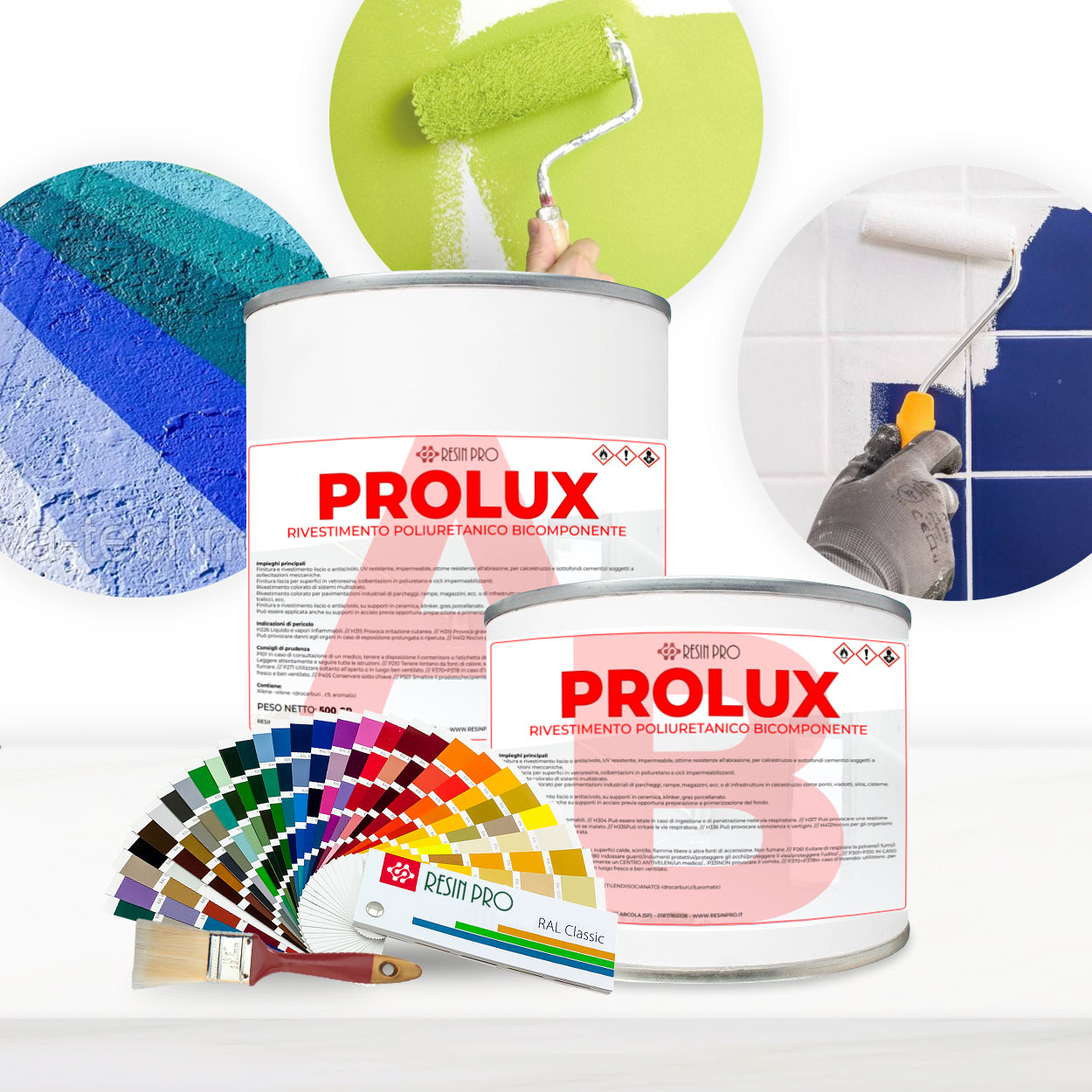
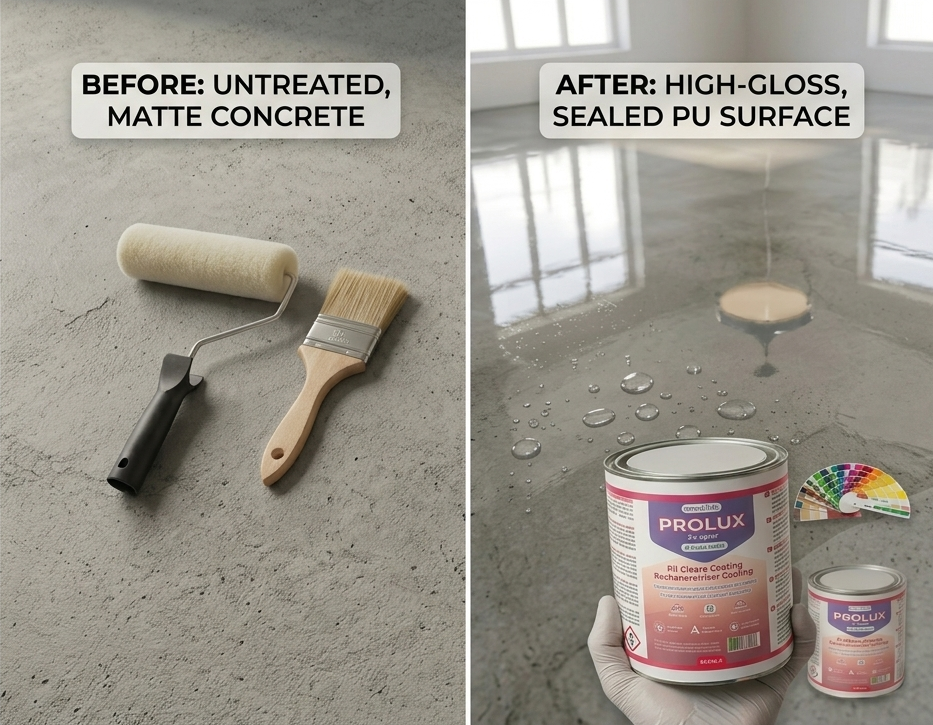
- “Prolux” – PU coating for tiles, concrete, plastic and metal – suitable for driveable surfaces: Designed for durable, UV-resistant coating on tiles, concrete, plastic and metal surfaces.
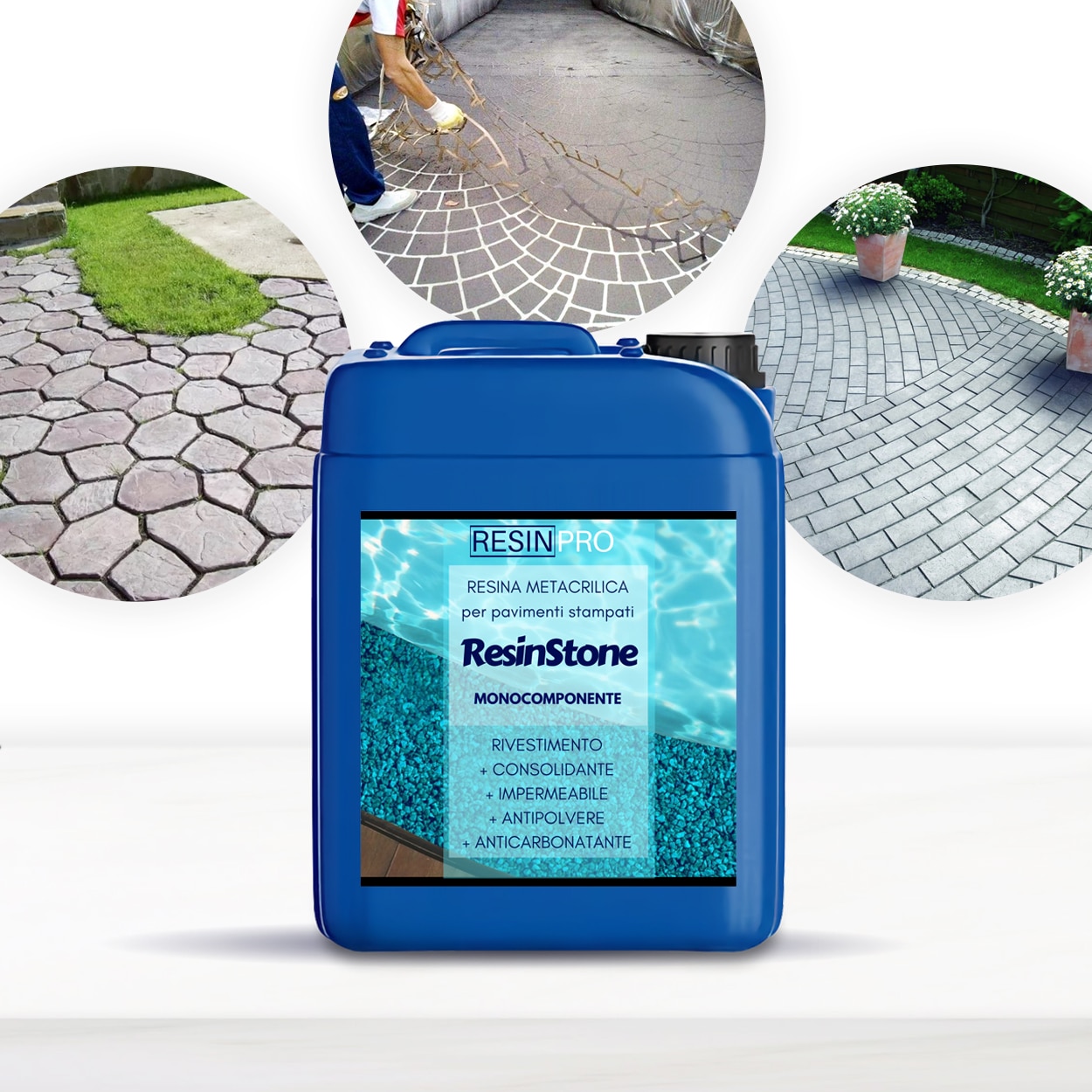
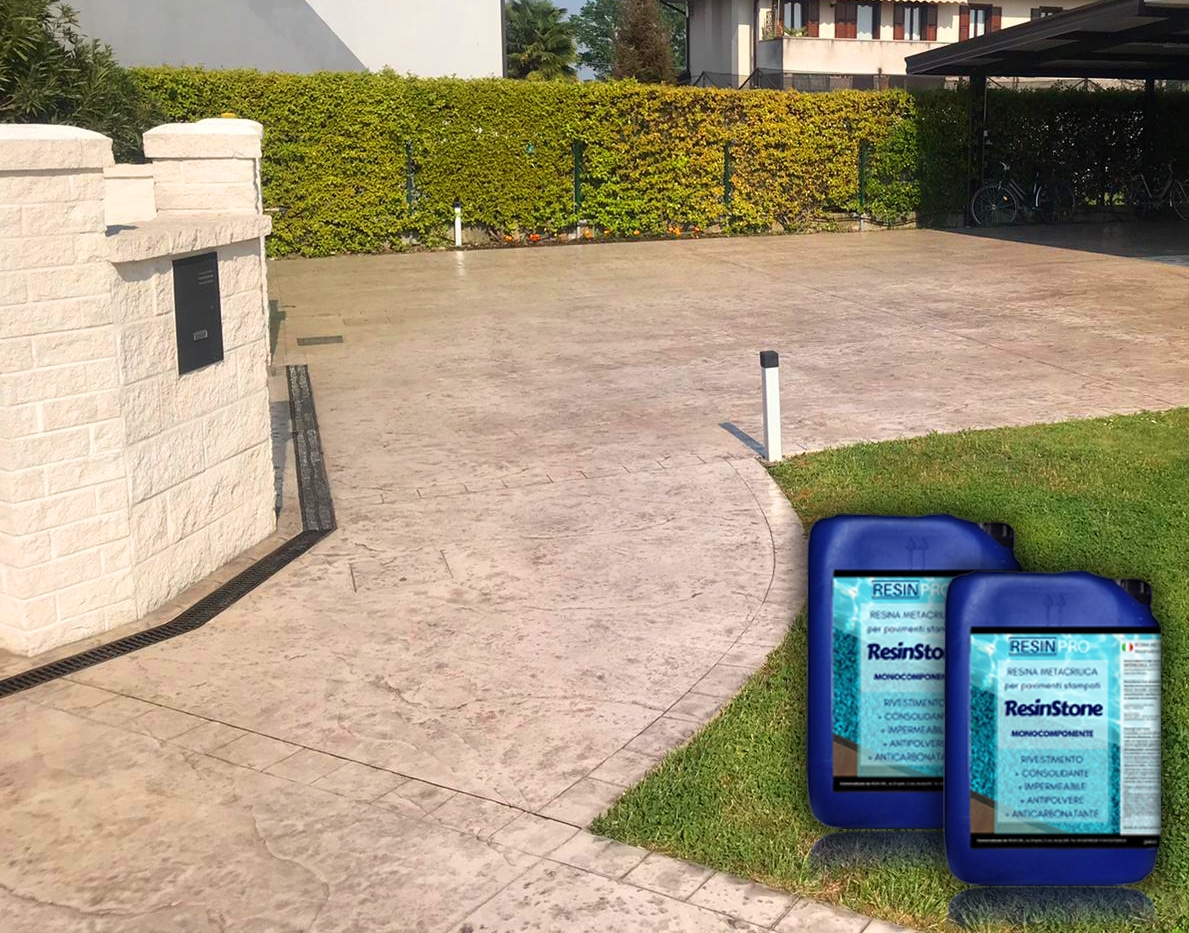
- “Resinstone” – One-Component Methacrylic Resin for Concrete Floors and Driveways: Suitable for protecting and sealing concrete stairs.
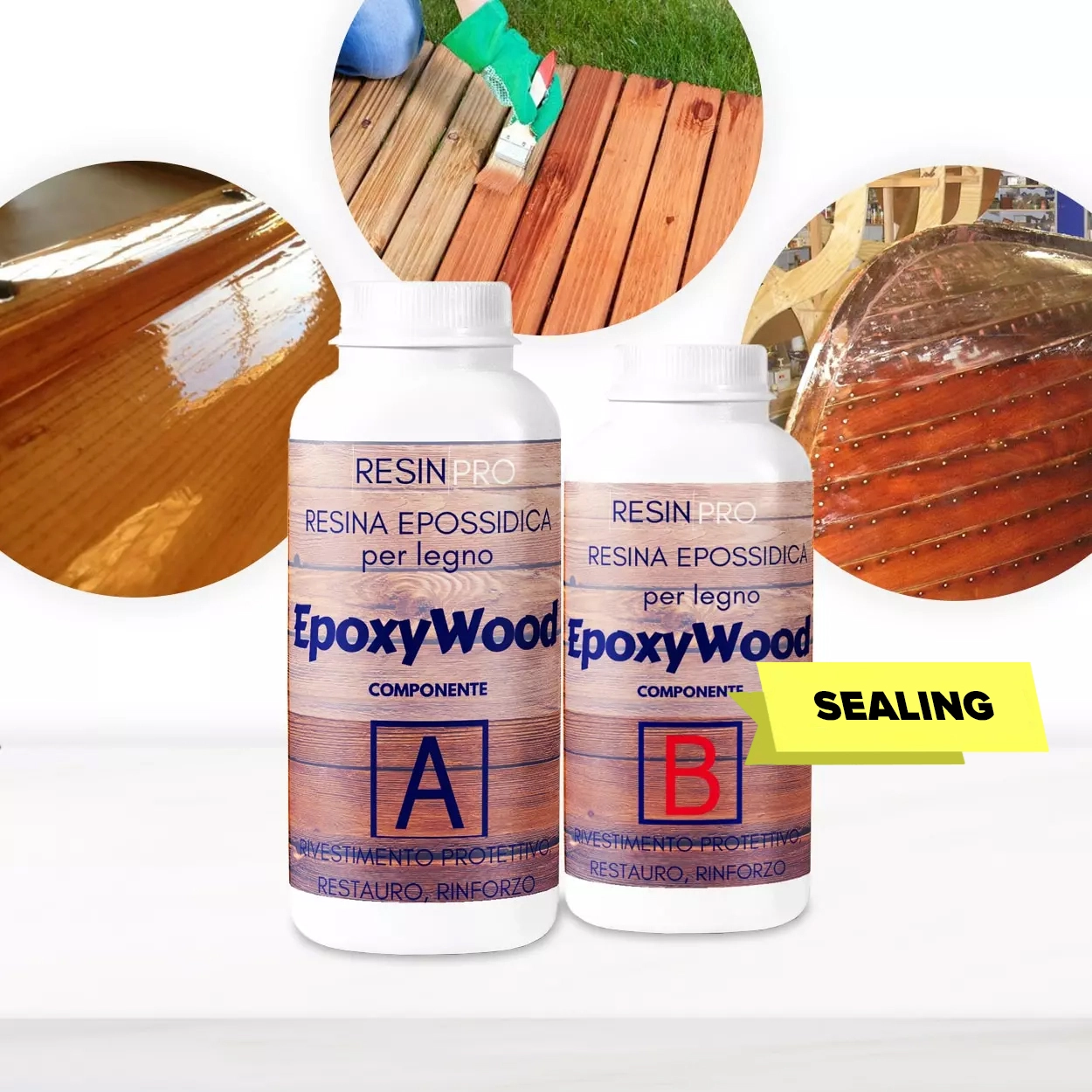
- “EpoxyWood” – Wood Restoration Epoxy Resin for Deep Penetration and Waterproofing: Ideal for restoring and waterproofing wooden staircases.
- Sanding tools, clean microfibre cloths, dust mask and gloves
- Painter’s tape and plastic sheeting (for protecting walls/floors)
- Rollers, brushes or a notched trowel (depending on resin used)
Choose the Right Resin for Your Staircase
The correct resin choice depends on your staircase material. EpoxyWood is ideal for bare or restored timber, offering deep waterproofing. For concrete or tiled stairs, Prolux provides a resilient, UV-resistant finish, while Resinstone is tailored for concrete substrates requiring robust, fast-drying protection.
Step 1: Prepare the Staircase Surface
First, ensure the staircase is structurally sound and free of dust, grease, loose paint or previous sealants. Remove any existing coverings and sand the surface for optimal adhesion, focusing especially on wooden or concrete stairs. Vacuum the surface thoroughly, then wipe it with a damp microfibre cloth. Use painter’s tape and plastic sheeting to protect adjacent areas, walls and railings from spills or splashes.
Preparation is key—do not rush this step, as any contaminants left behind may cause poor adhesion and visual defects later.
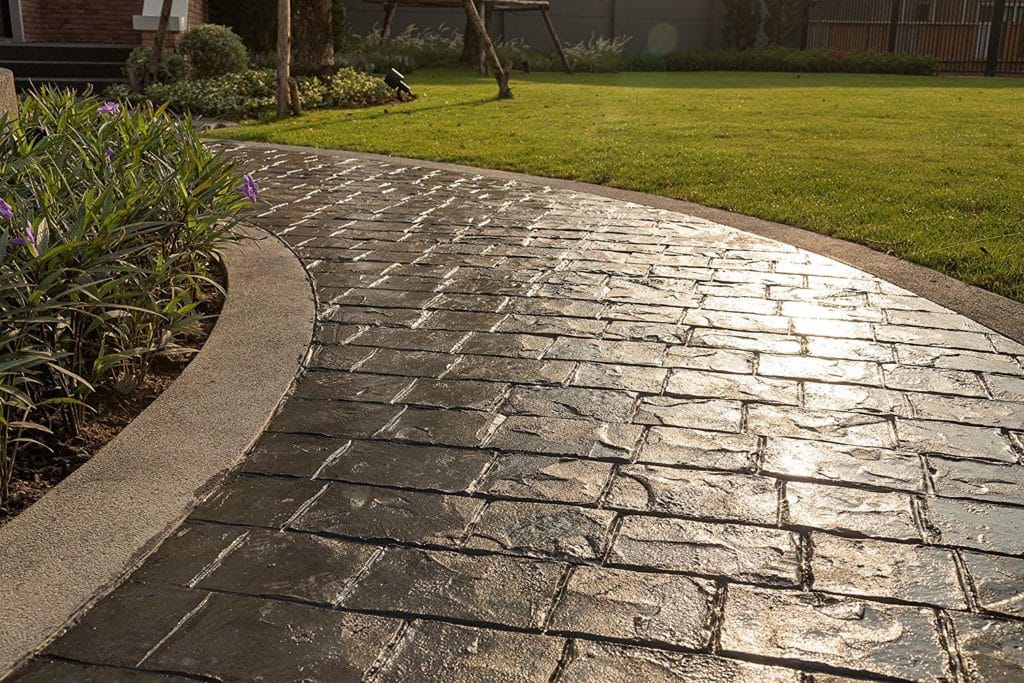
Step 2: Prime and Seal the Surface
Many surfaces, especially porous materials like wood or concrete, benefit from a suitable primer to enhance the bond and reduce resin absorption. For wooden stairs, after sanding, ensure they are dry before applying the primer coat. When working with concrete, choose a primer compatible with your selected resin.
Allow the primer to cure completely according to instructions. This step prevents uneven curing and potential bubbles in the final finish.
Step 3: Mix and Apply the Resin Coating
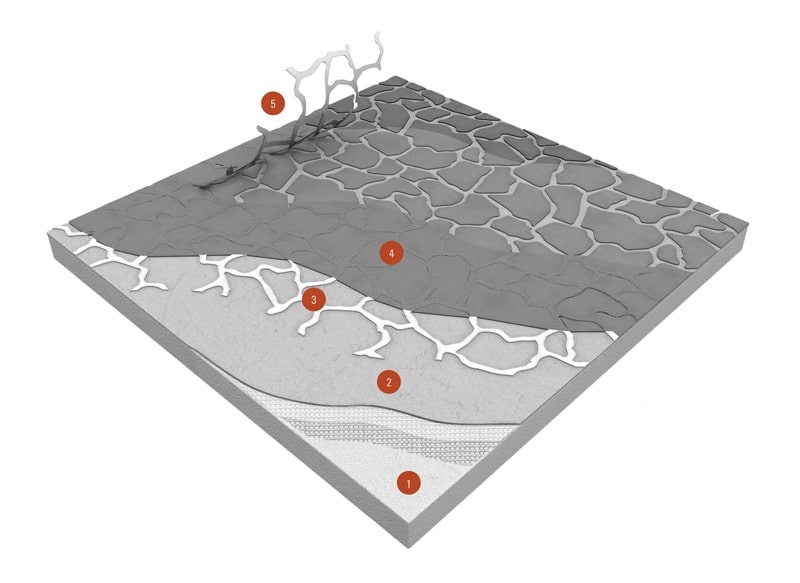
Prepare the chosen resin according to the manufacturer’s instructions, paying close attention to the mixing ratio and pot life. For wood restoration and waterproofing, “EpoxyWood” – Wood Restoration Epoxy Resin for Deep Penetration and Waterproofing offers deep penetration and a durable, attractive finish. If coating concrete or tiles, “Prolux” – PU coating for tiles, concrete, plastic and metal – suitable for driveable surfaces is engineered for high resistance to abrasion, UV and moisture.
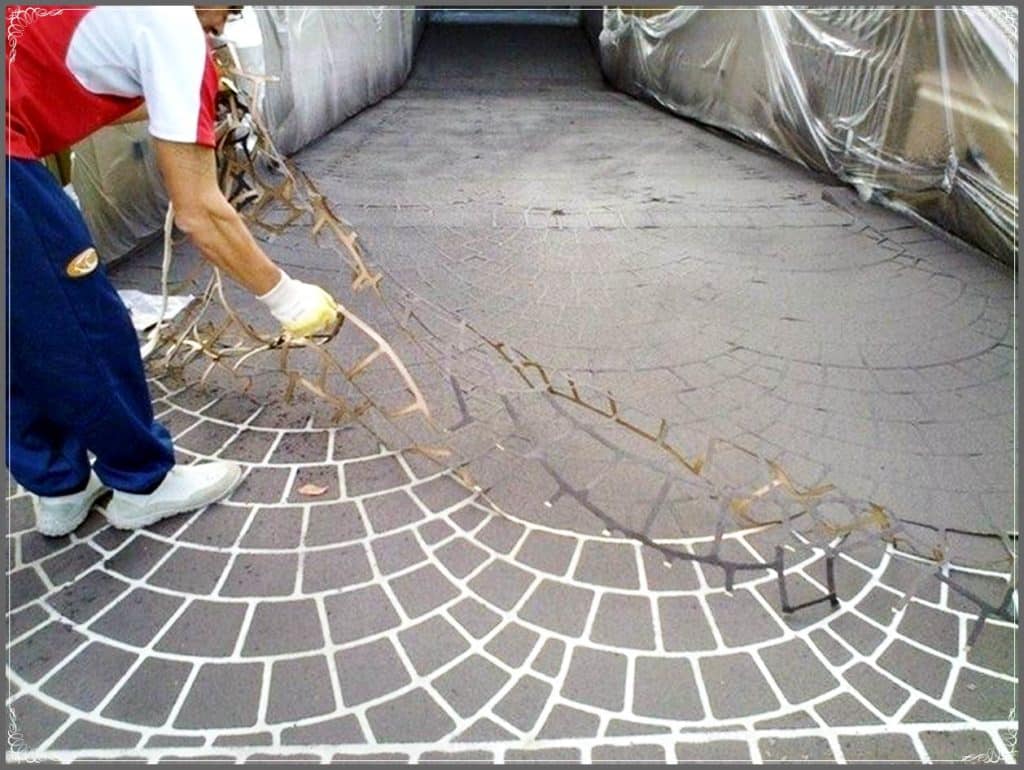
Apply the resin using a roller, brush, or notched trowel as appropriate, starting at the top step and working downward. Work in manageable sections to maintain a wet edge and even coverage. Use a spike roller to remove trapped air if using thicker coatings.
Step 4: Cure and Apply a Topcoat (Optional)
After application, allow the resin to cure fully before walking on the surface. This can take from several hours up to a couple of days, depending on the resin type and environmental conditions. If you desire extra protection or a specific sheen, apply a compatible topcoat after the initial layer has cured. For outdoor or high-traffic staircases, additional topcoats can improve slip resistance and longevity.
If using a one-component solution for concrete, such as “Resinstone” – One-Component Methacrylic Resin for Concrete Floors and Driveways, ensure you follow curing and topcoat compatibility guidelines.
Remove protective tape and sheeting only once all coatings are dry to avoid disturbing the fresh resin.
Tips and Common Mistakes
Apply a topcoat for added wear and slip resistance, especially in high-traffic homes or commercial properties. Always work in a well-ventilated area, wearing protective equipment. Follow mixing instructions diligently; incorrect ratios may cause soft spots or tackiness.
Common mistakes to avoid include skipping surface preparation, underestimating curing times, or applying a second layer before the first has fully cured. Be patient between steps for the most professional and durable outcome.
Care and Maintenance for Resin-Coated Staircases
Regular cleaning and prompt attention to spills help maintain a pristine resin surface. Use pH-neutral cleaners and avoid scratching the coating with abrasive pads. For outdoor stairs, periodically inspect for impact chips or UV fading and reapply a topcoat if needed.
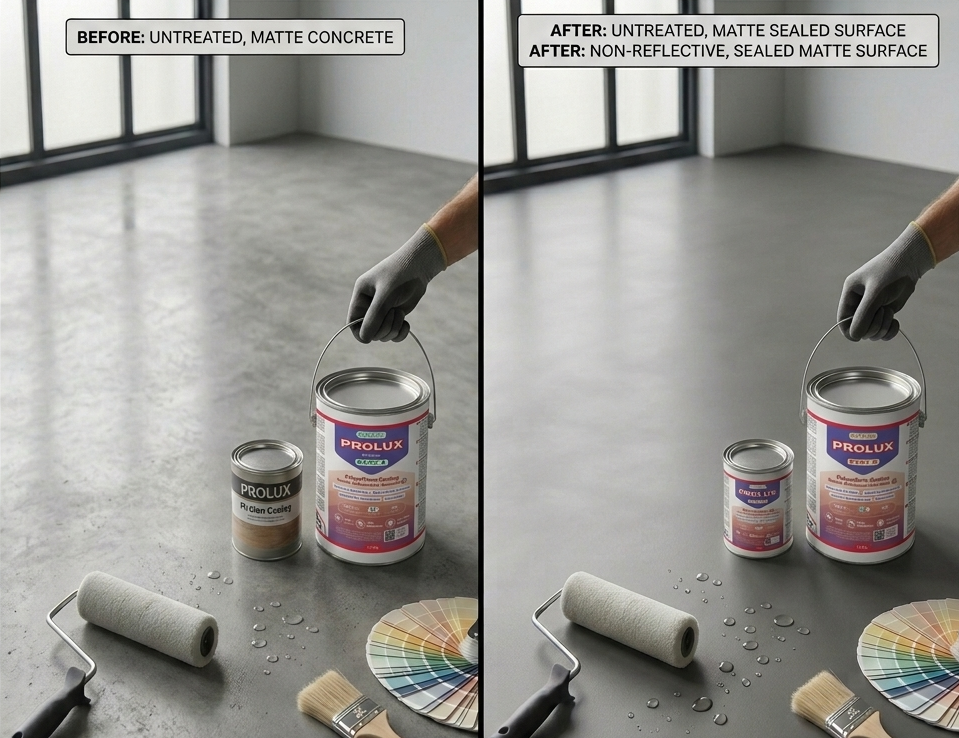
- "Prolux" – PU coating for tiles, concrete, plastic and metal – suitable for driveable surfacesPrice range: £44.85 through £494.85"Prolux" is a polyurethane coating suitable for tiles and multiple surfaces, offering protection in damp and high-traffic areas.
- "Resinstone" – One-Component Methacrylic Resin for Concrete Floors and DrivewaysPrice range: £36.71 through £336.48"Resinstone" is a one-component methacrylic resin designed for sealing and protecting concrete surfaces with durable, breathable protection.
- "EpoxyWood" – Wood Restoration Epoxy Resin for Deep Penetration and WaterproofingPrice range: £27.95 through £41.95"EpoxyWood" is designed for wood restoration with deep penetration and waterproofing, suitable for coating and protecting wood surfaces.
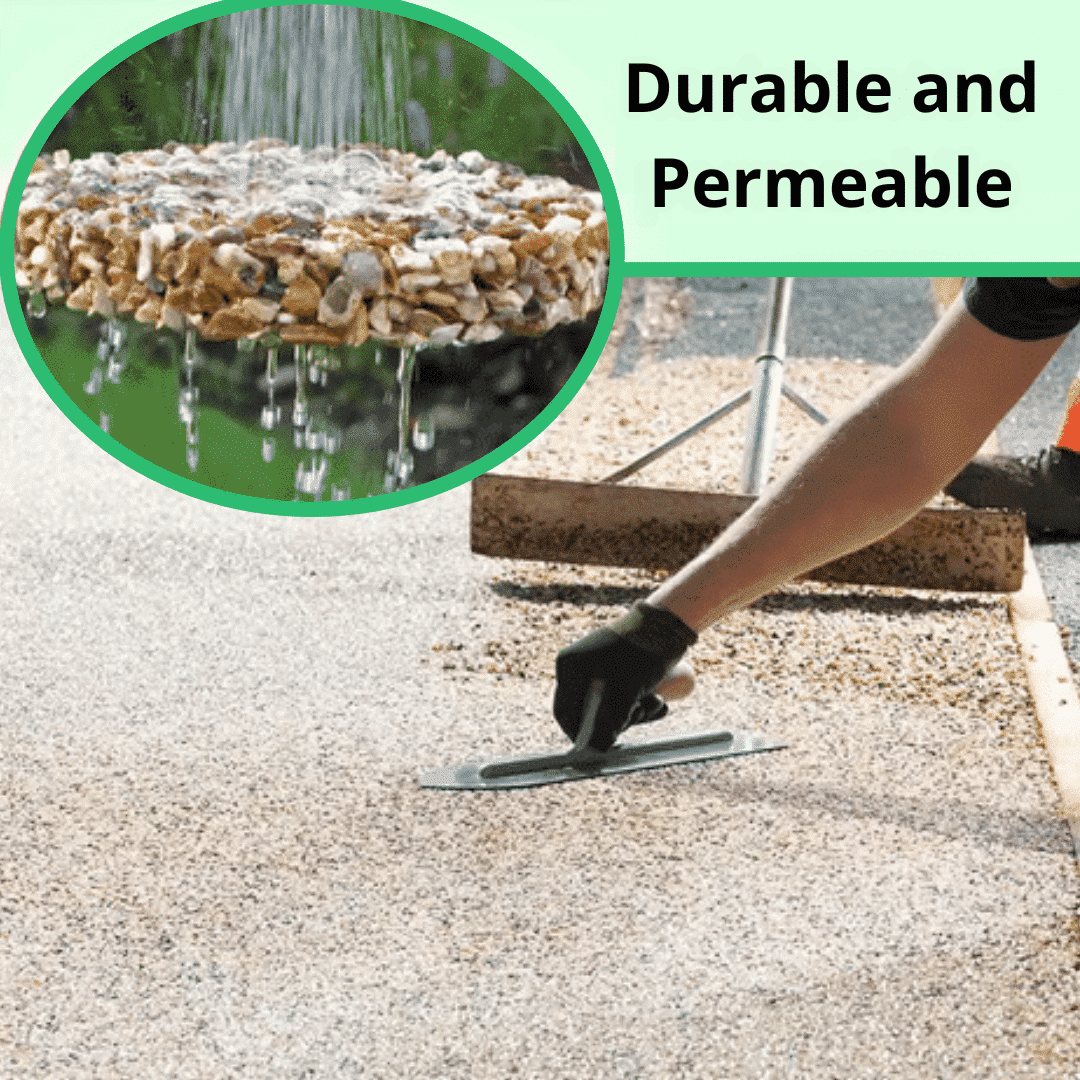 "Flowstone" – Complete Permeable Floor Kit with Pebbles and ResinPrice range: £49.95 through £3,915.45"Flowstone" offers a durable, permeable pebble and resin system with simple application guidance suitable for UK outdoor spaces.
Frequently Asked Questions
Which resin is best for coating a wooden staircase indoors?
A solvent-free epoxy resin like EpoxyWood is ideal for sealing and protecting indoor wooden stairs, offering deep penetration and a waterproof finish.
Can I coat tiled stairs with resin?
Yes, a polyurethane coating such as Prolux is suitable for tiled stairs, providing a durable, UV- and abrasion-resistant finish.
How long should I wait before using the stairs after coating with resin?
Curing times vary by product and conditions. Typically, resin coatings require at least 24–48 hours before light foot traffic—always check your product's instructions.
How can I make resin-coated stairs non-slip?
Add a non-slip additive to the final coat or topcoat, or use a textured roller to create a non-slip profile while the resin is still wet.
Is concrete resin suitable for wooden stairs?
Concrete-specific resins may not adequately bond to wood. For timber stairs, a dedicated wood resin such as EpoxyWood is recommended.
Must I prime stairs before applying resin?
Priming is recommended, particularly for porous surfaces like wood or concrete, to improve resin adhesion and prevent bubbles or uneven curing.