 Free shipping on orders over £29,85
  Shipping Tracking!


 Google
 Facebook
← Back to How does silicone rubber dry?
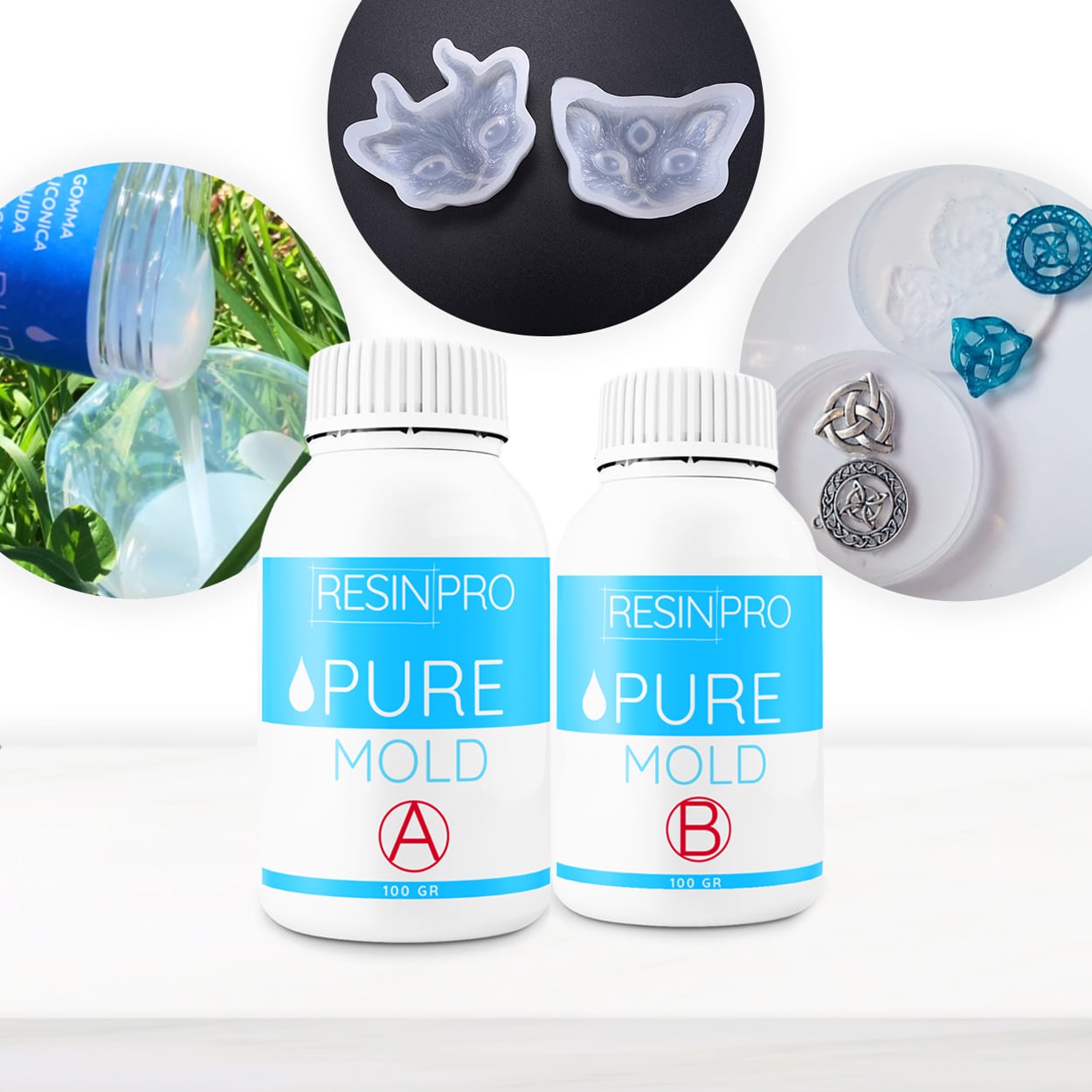
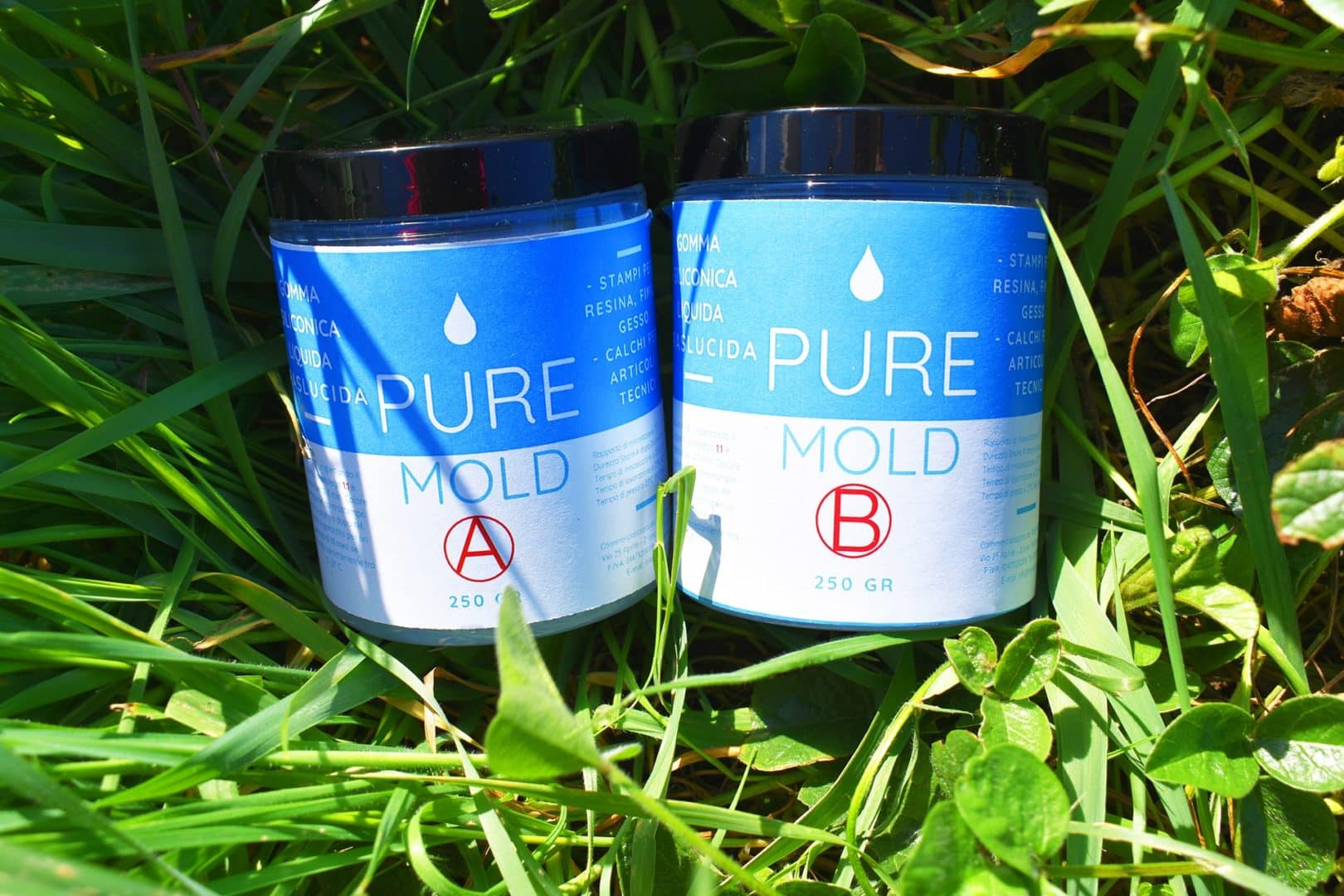
Wondering whether silicone rubber needs air or mixing to set? Understanding how silicone cures is essential for successful mould making, crafts, and casting applications.
How Silicone Rubber Hardens
Most silicone rubbers used for mould making are bi-component systems. This means they require you to combine two separate parts, usually in equal proportions (a 1:1 ratio), to trigger a chemical reaction. It’s not the exposure to air, but this chemical process—known as curing—that transforms liquid silicone into a flexible, durable solid.
For instance, “Pure Mould” liquid silicone rubber begins to set shortly after mixing the two parts, typically ready for demoulding within 3 to 8 hours depending on the product and conditions.
Tips for Successful Curing
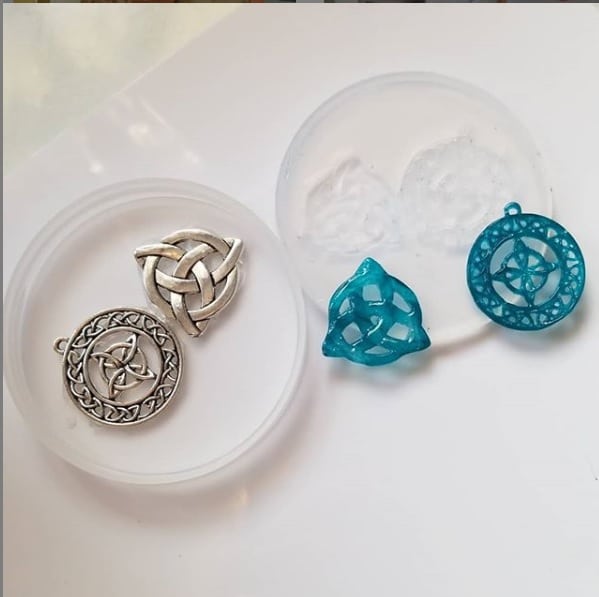
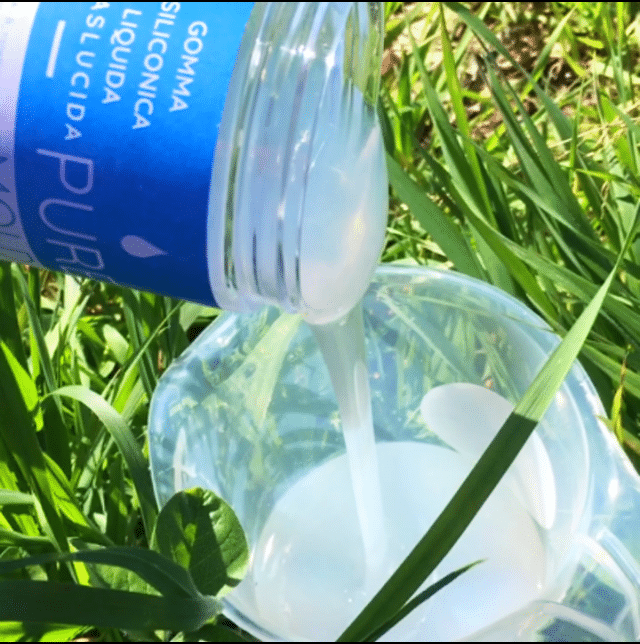
To achieve the best results, always measure and mix the two components as directed—usually by weight or volume. Stir thoroughly to ensure that the catalytic reaction happens evenly throughout the mixture. Room temperature is generally sufficient for curing; there’s no need for ovens or special environments, although colder spaces may slow down the reaction significantly.
- Use a clean, dry container for mixing.
- Mix slowly to minimise air bubbles.
- Pour the silicone immediately after mixing to capture fine details.
When This Matters
Knowing that silicone rubber cures by mixing, not air, helps you plan your work—especially if you need precise timing for intricate moulds or quick turnarounds. One-part silicones that dry with air are rare and generally not suitable for detailed mould making.
Related products
Related guides
Understanding how silicone rubber sets enables you to select the right product and process for your project. To learn more about the curing process and product choices, visit our main guide on how silicone rubber dries.