 Free shipping on orders over £29,85
  Shipping Tracking!


 Google
 Facebook
← Back to How are wood-effect resin floors installed?


Achieving a beautiful, wood-effect resin floor depends on even coverage throughout the installation. Puddling and uneven application are common pitfalls that can compromise both appearance and durability if not addressed from the start.
Preparation: Laying the Groundwork for Consistent Results
To ensure flawless results, start by thoroughly preparing your surface. Removing dust, debris, and any contaminants is essential. Using a high-quality primer, such as Epoxyprimer, helps create a stable base and promotes optimal adhesion. Primed surfaces minimise resin absorption irregularities that often lead to puddling or patchy coverage. Ensure your substrate is dry, level, and sealed where necessary before proceeding.
Application Techniques to Ensure an Even Finish
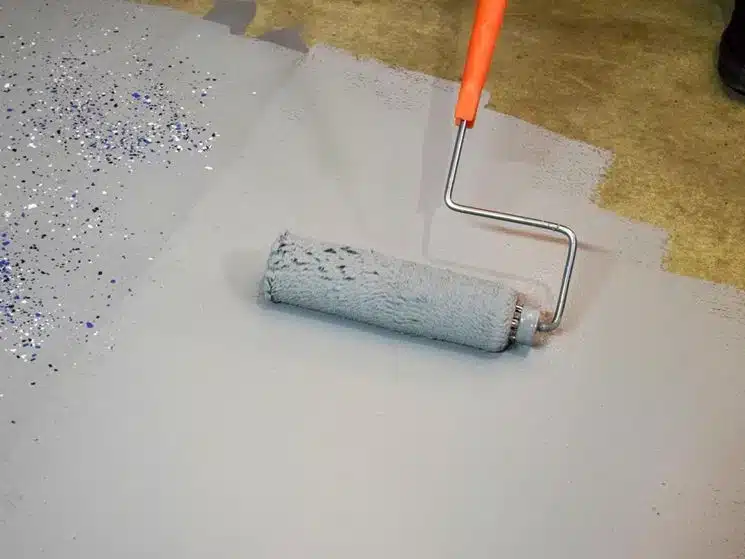
Use purpose-made rollers designed for resin—short-pile rollers work well around edges and in detailed areas, while large rollers efficiently cover open spaces. Applying the resin with smooth, overlapping strokes helps maintain a uniform layer and prevents pooling. Take care not to overwork the product in one spot, as this encourages uneven build-up. For self-levelling finishes, consider a sponge roller designed for resin to assist with levelling and minimising lines.
When This Matters: Visible and High-Traffic Areas
Puddling and uneven application are most noticeable in spaces with natural light or where the wood-effect pattern is intended as a feature. High-traffic areas are also prone to increased wear if application is inconsistent, so careful attention pays off in longevity and aesthetics.

Related products
Related guides
Mastering the basics of preparation and application is key to stunning wood-effect resin floors. For step-by-step installation guidance, return to our main guide on installing wood-effect resin floors.