 Free shipping on orders over £29,85
  Shipping Tracking!


 Google
 Facebook
← Back to How to cut a silicone rubber mold?
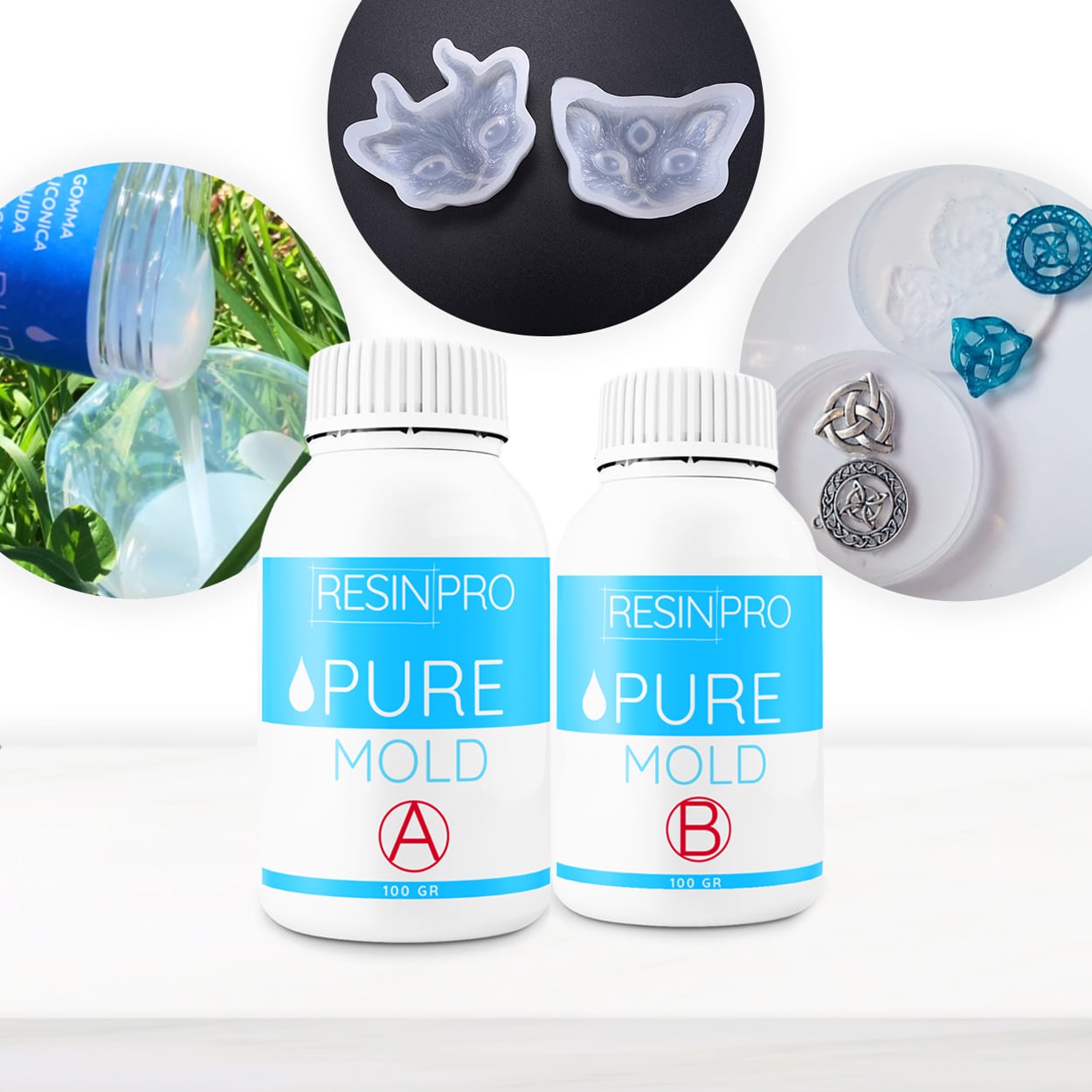
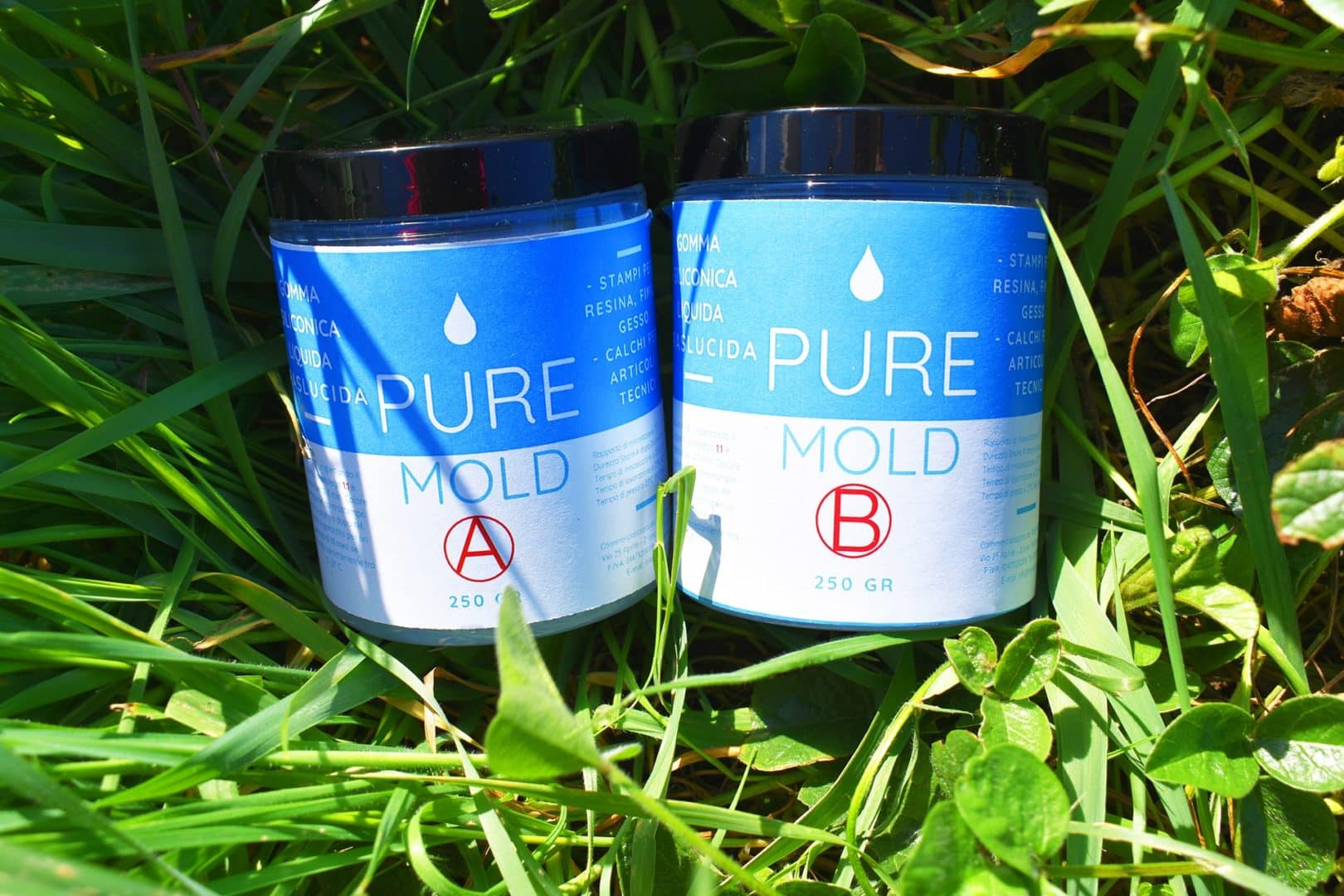
Cutting silicone moulds for demoulding, venting, or customising can be challenging due to their supple, often tacky nature. The right preparation makes all the difference.
Why Use Talcum Powder or Lubricant?
Silicone moulds, especially freshly cured or translucent types, can feel sticky, making accurate cuts tricky. Lightly dusting the surface with a small amount of talc or applying a thin layer of soapy water can help the blade glide more smoothly. This reduces the chance of the silicone sticking or tearing during cutting, which is particularly useful with intricate or detailed moulds made using products like the Pure Mould – Translucent Liquid Silicone Rubber for Mould Making.
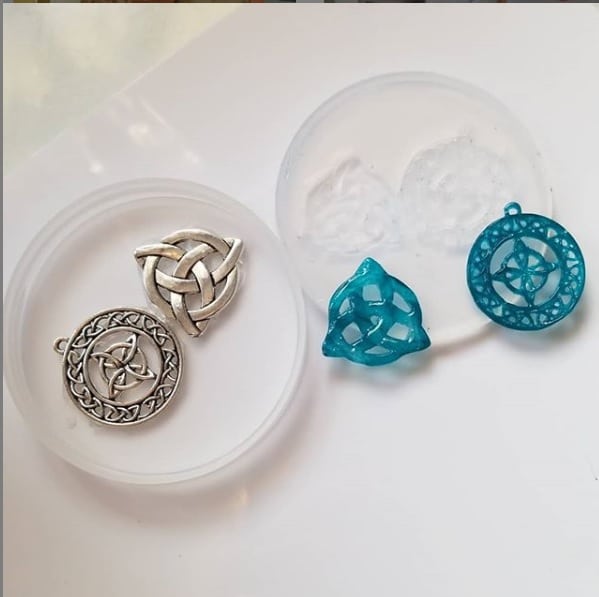
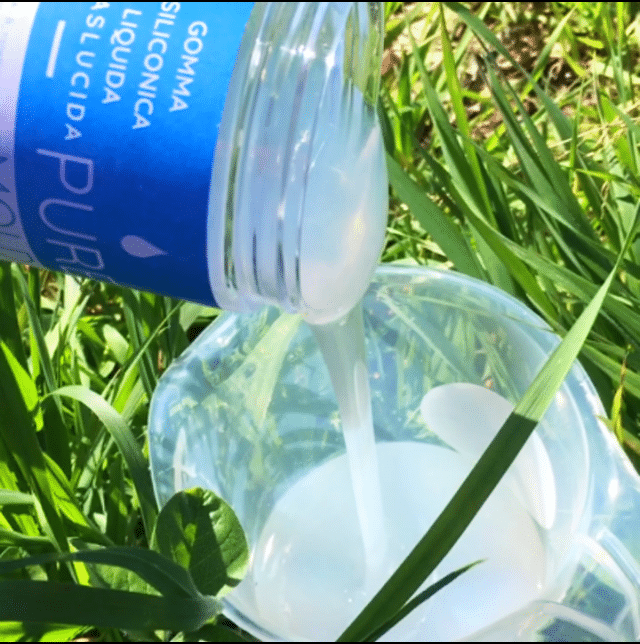
How to Apply and Best Practices
For pure talc, gently sprinkle and spread an even coating over the area to be cut—too much can affect the finish, so use sparingly. With soapy water, lightly dampen the silicone surface or your blade, avoiding saturation. Always ensure the cutting tools are sharp and clean, and take time to plan your cuts, especially if the mould has fine details. After cutting, thoroughly dry both the mould and work surface before storage to prevent moisture build-up.
When This Matters Most
- If your silicone mould is new and retains some tackiness
- When making complex or long cuts where accuracy is important
- For larger moulds or when splitting a mould to remove a delicate casting
Related products
Related guides
Choosing the right method to ease cutting—whether powder or lubricant—ensures you get crisp, precise results with minimal hassle. Discover more expert guidance and product options for handling and cutting silicone on our How to cut a silicone rubber mold? resource page.