 Free shipping on orders over £29,85
  Shipping Tracking!


 Google
 Facebook
← Back to How to cut a silicone rubber mold?
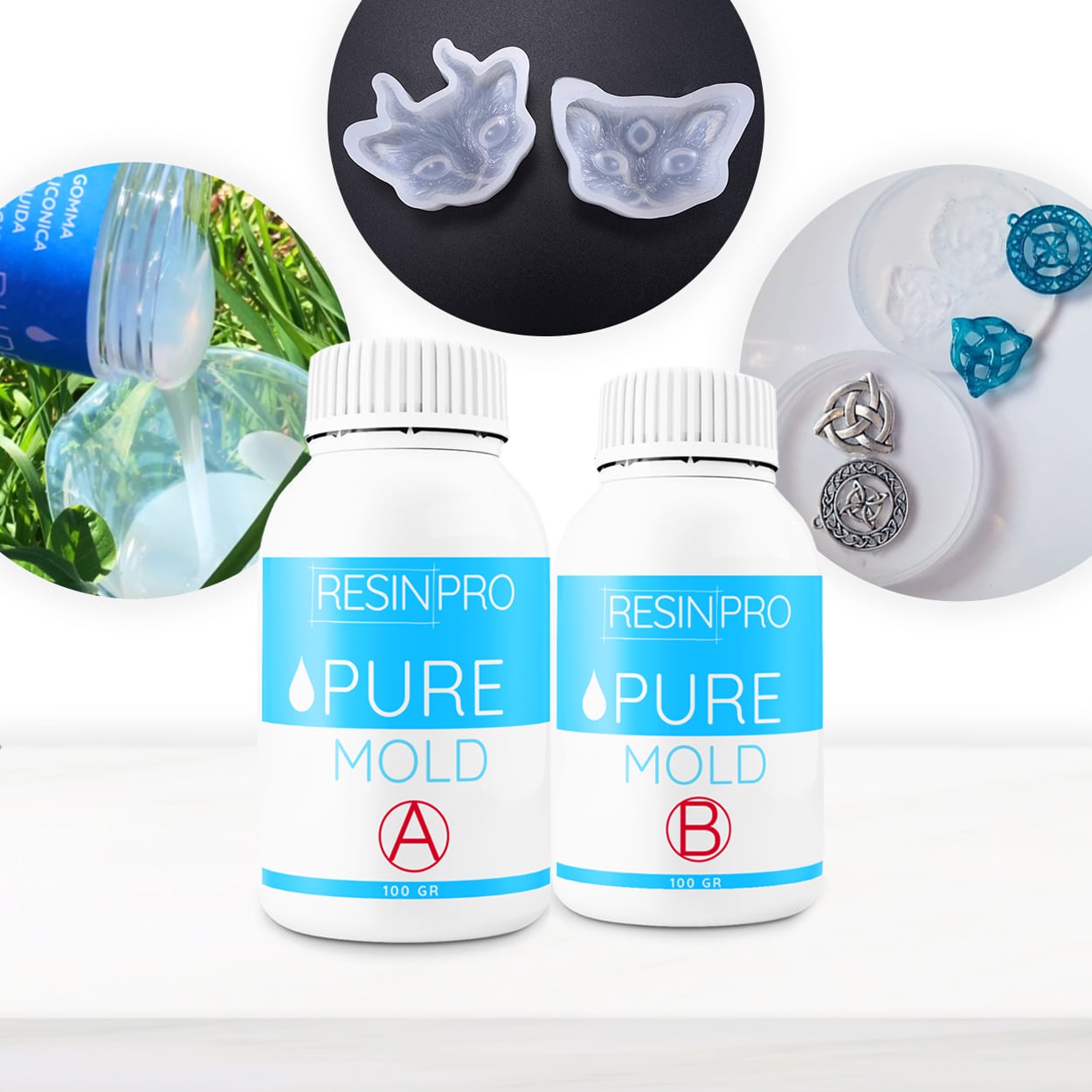
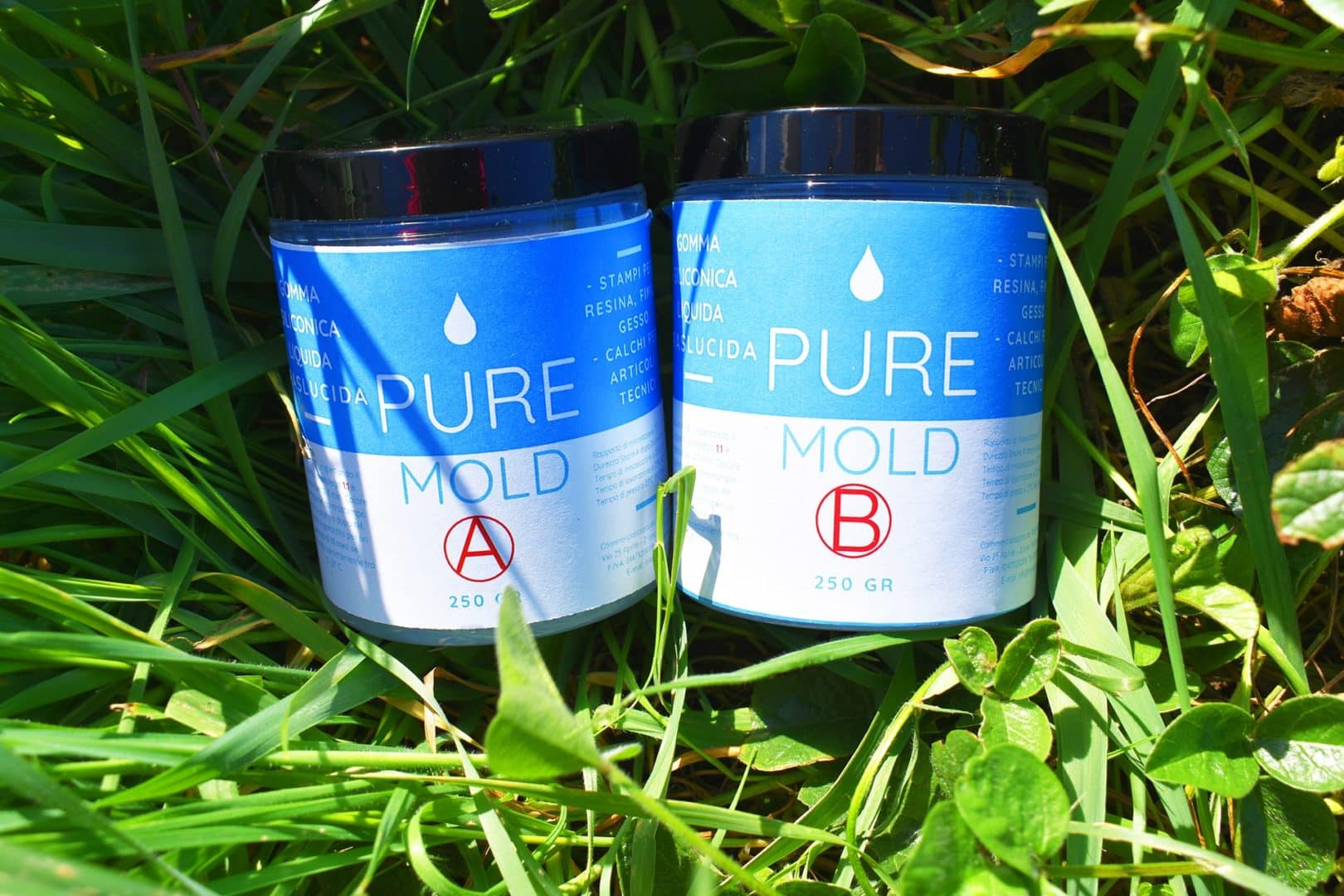
Achieving a reusable, clean split in your two-part silicone mould is essential for easy casting and crisp results. Knowing the right cutting approach ensures the two halves fit precisely every time you use your mould.
Planning Your Cut: The Importance of Registration Keys
Before cutting, consider where your seam will fall and how both parts will realign. Mark a clear pattern along your planned split, ideally in a zig-zag or wavy line. This technique creates registration keys—helpful bumps and dips that help the mould halves interlock perfectly, minimising leaks and misalignment.
Step-by-Step Cutting Technique
- Mark the seam: Draw your cut line along the least visible or least detailed area of the mould.
- Use a sharp blade: A thin scalpel or craft knife allows better control for following your marked path and achieving a neat zig-zag edge.
- Cut slowly and steadily: Work gradually, making shallow passes rather than trying to cut through all at once. This ensures the cut edges remain as tight and precise as possible for reuse.
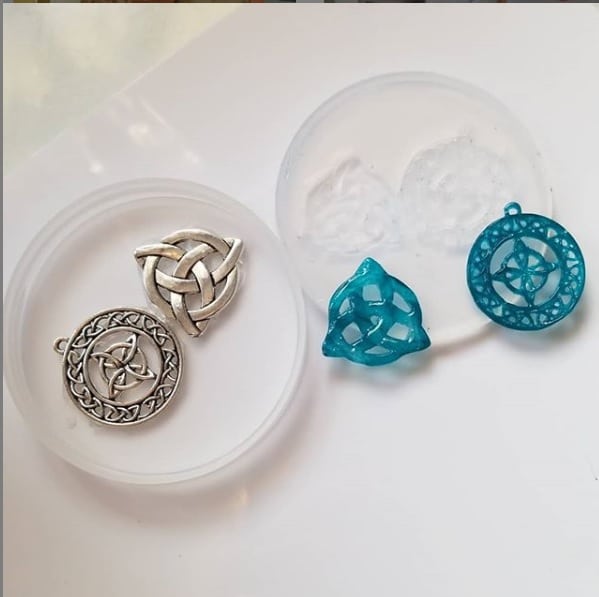
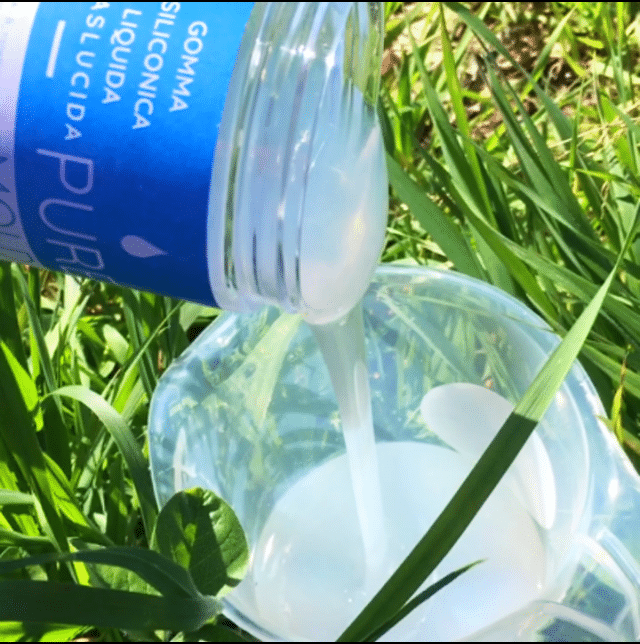
Choosing a translucent silicone rubber such as “Pure Mould” can help, as it allows you to see your cutting progress and maintain accuracy.
When This Matters: Preserving Mould Life & Accuracy
Proper cutting technique is essential when you plan on casting multiple pieces from the same mould, especially where fine detail or tight assembly is required. Careful cuts both extend the life of your mould and ensure every casting remains true to the original model.
Related products
Related guides
Mastering the cutting of two-part silicone moulds helps guarantee reliable, repeatable results for resin art, crafts, or prototyping. For more insights on mould preparation and silicone selection, visit our main guide on cutting silicone rubber moulds.