 Free shipping on orders over £29,85
  Shipping Tracking!


 Google
 Facebook
← Back to How do you restore the old resin on the terrace?
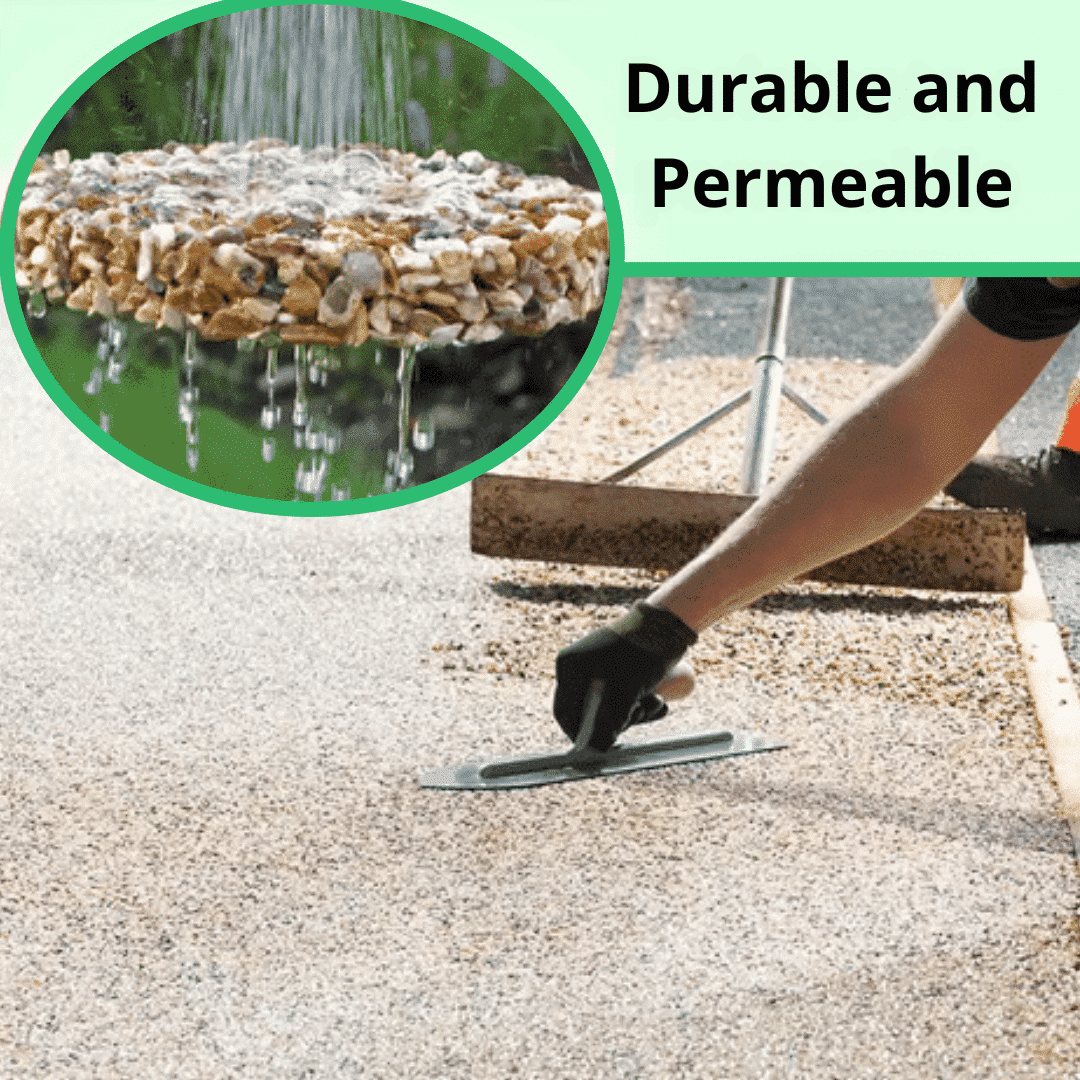
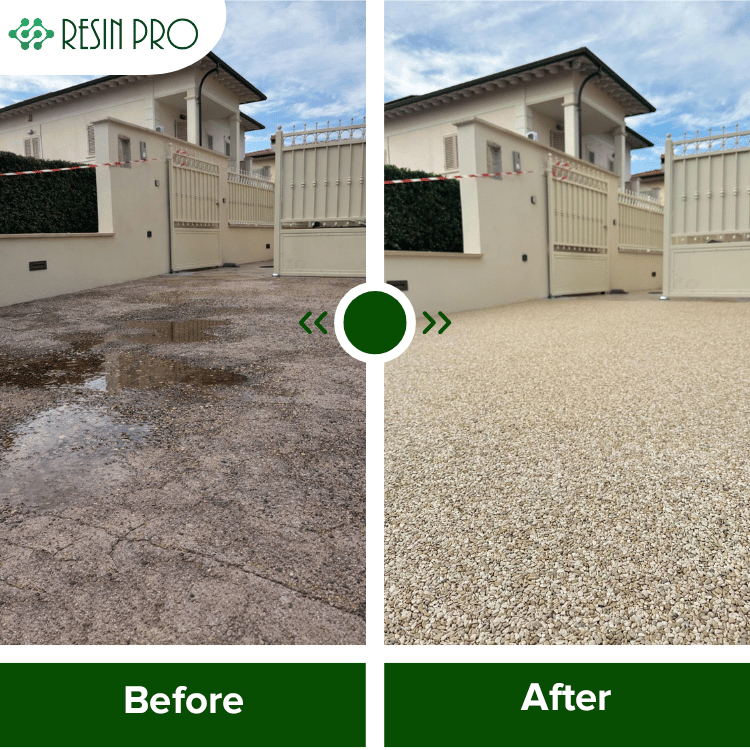
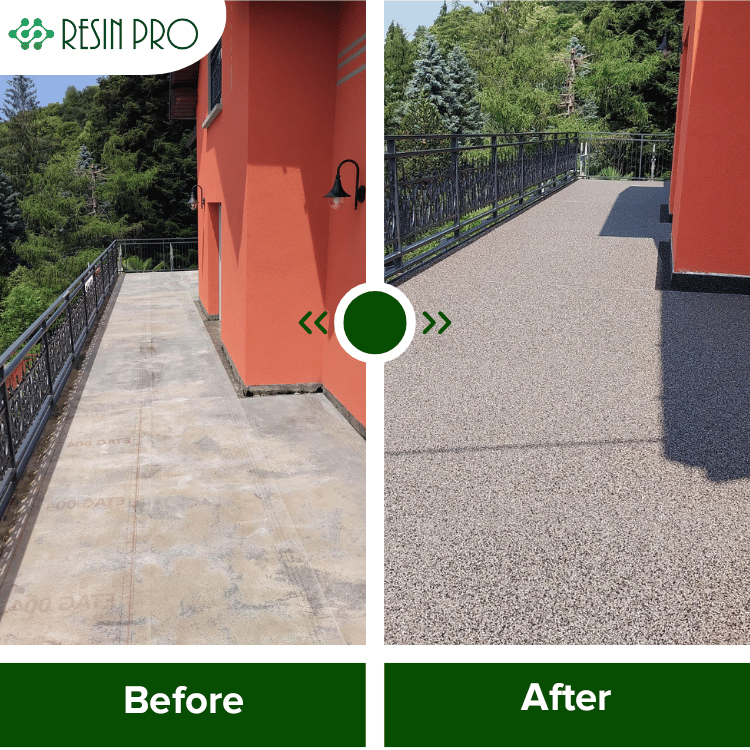
Restoring old resin on your terrace can dramatically improve both appearance and longevity. However, several common pitfalls can affect the outcome. Being aware of these issues at the outset will help you achieve a robust and attractive finish.
Typical Problems During Terrace Resin Restoration
Among the most frequently encountered issues when rejuvenating resin surfaces are moisture trapped beneath the resin, surface contamination or inadequate cleaning, and using the wrong type of binder. These problems can result in bubbling, peeling, or lacklustre adhesion, often leading to premature repair work. Proper assessment of the existing substrate and removal of dirt, algae, or loose material are essential first steps before applying resin.
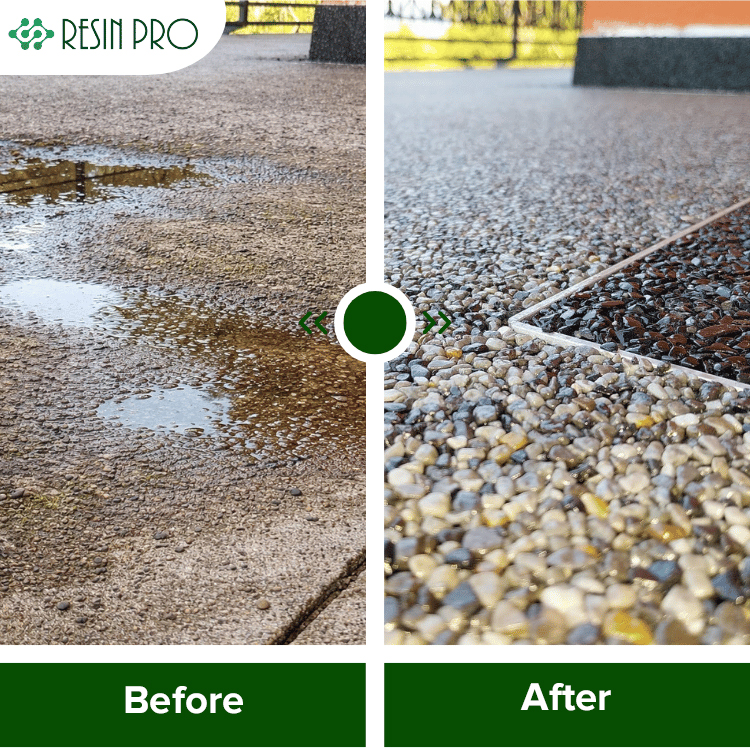
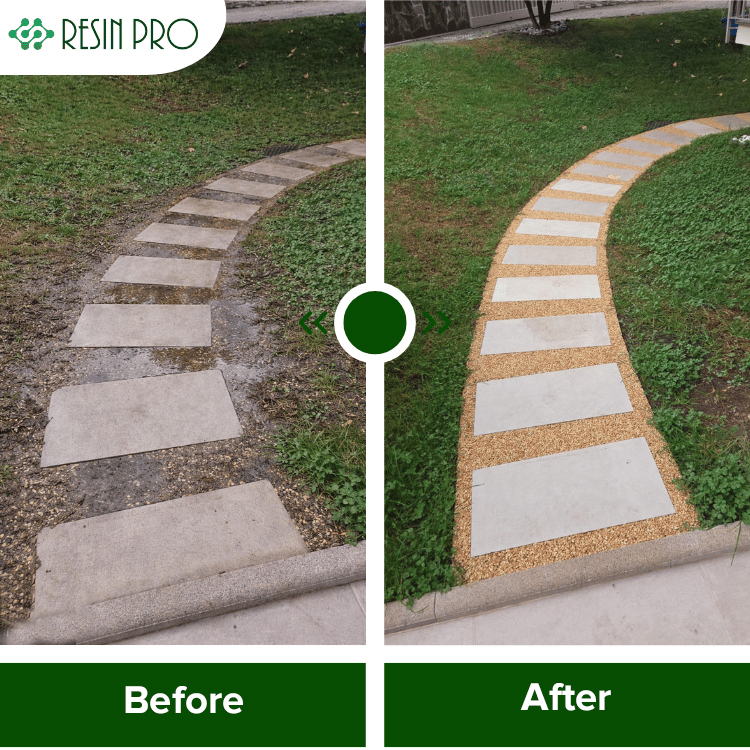
Preparation and Product Selection Guidance
Success in restoring a resin terrace hinges on meticulous preparation. Begin by ensuring the area is completely clean and thoroughly dry, as any lingering moisture can cause unsightly bubbles or weak spots. Choose the most suitable binder for your aggregate: for instance, use transparent epoxy binder for coloured pebbles, or opt for a polyurethane binder for white stones. Comprehensive kits like the Flowstone Complete Permeable Floor Kit offer both the resin and clear instructions tailored for outdoor restoration.
When This Matters Most
Correct surface preparation and the right resin system are especially important if your terrace sees frequent rainfall or temperature fluctuations, as these conditions can worsen the effects of poor adhesion or moisture entrapment. Applying resin in optimal weather conditions will further reduce the risk of restoration failures.
Related products
Related guides
Addressing these common restoration challenges not only ensures a longer-lasting, visually appealing result but also supports the efforts described in our main guide on restoring old resin terraces.