 Free shipping on orders over £29,85
  Shipping Tracking!


 Google
 Facebook
← Back to How to spread GLS 50 silicone rubber?
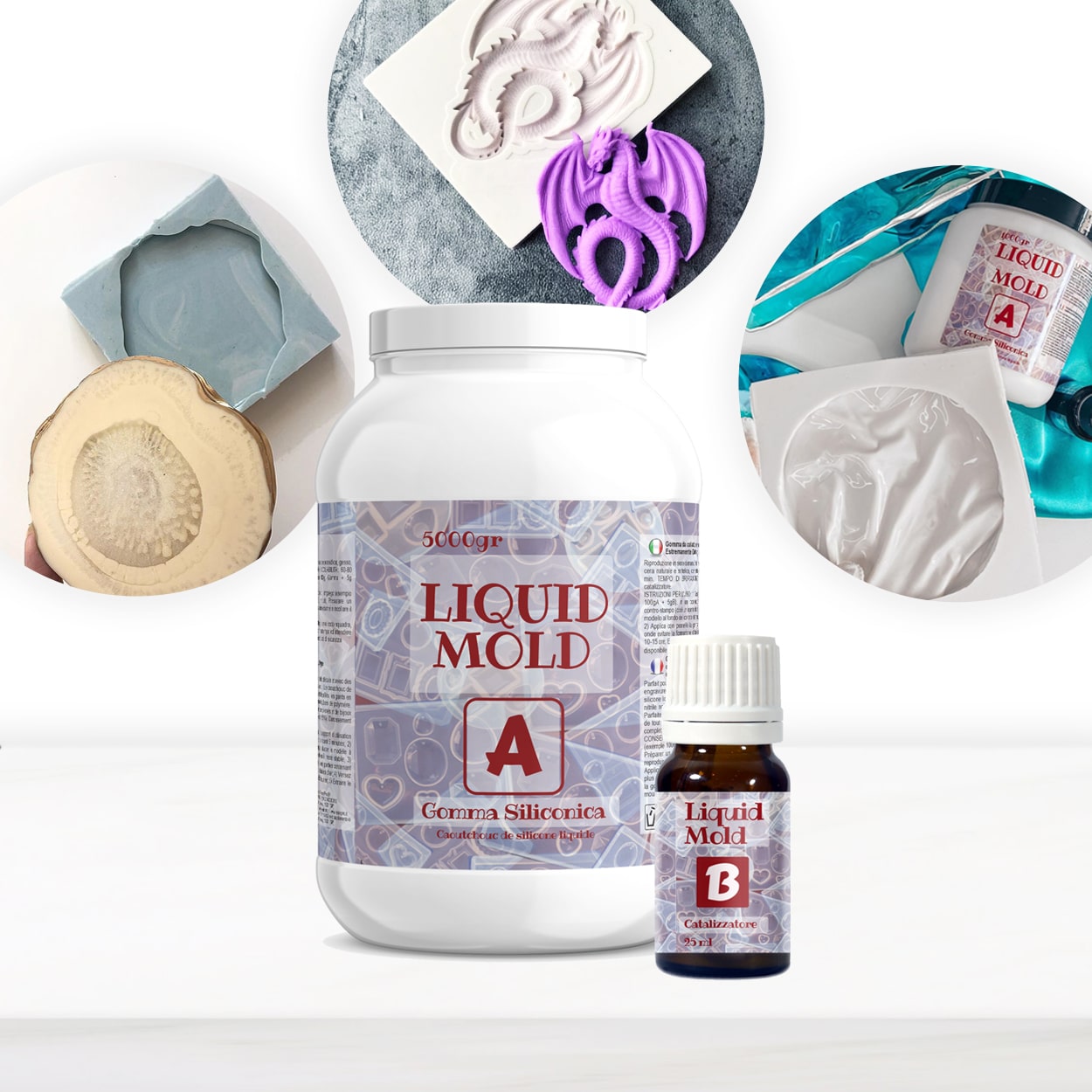
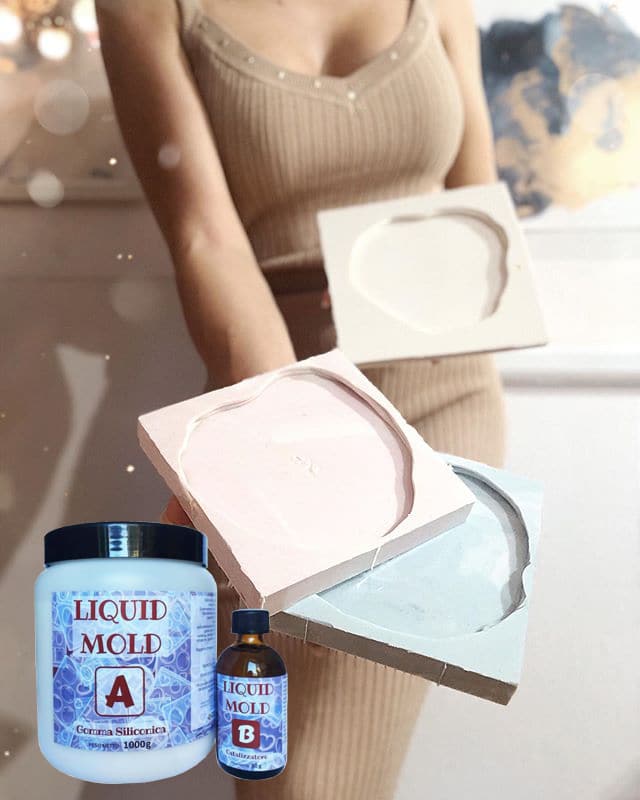
Layering GLS 50 silicone rubber is a well-regarded method for building up precise and reliable moulds. By working in stages, you can create robust silicone moulds with enhanced surface accuracy and detail.
Why Layer Silicone Rubber?
A staged approach is common in professional mould making, particularly for complex objects or when high detail is needed. Applying silicone rubber in several thin coats ensures thorough coverage, reduces the risk of air bubbles, and helps capture even the smallest features on your master model. For projects with deep recesses or undercuts, layering can give you better control over the material’s flow and thickness.
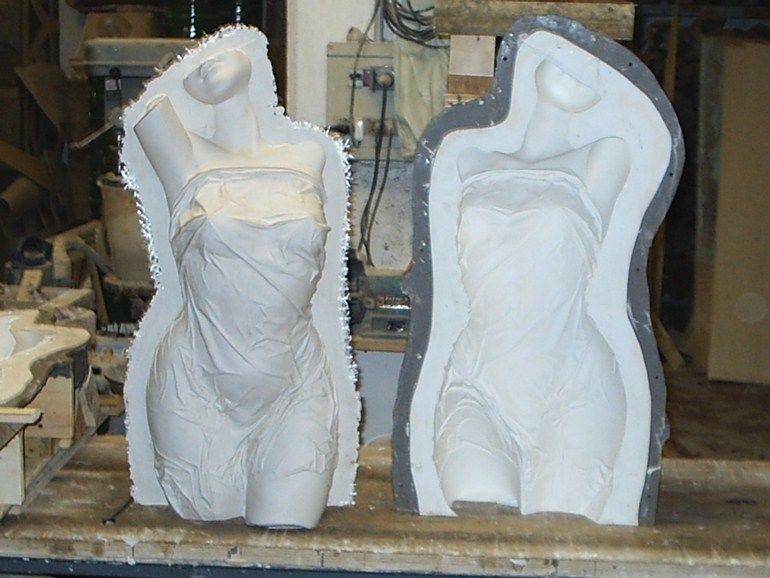
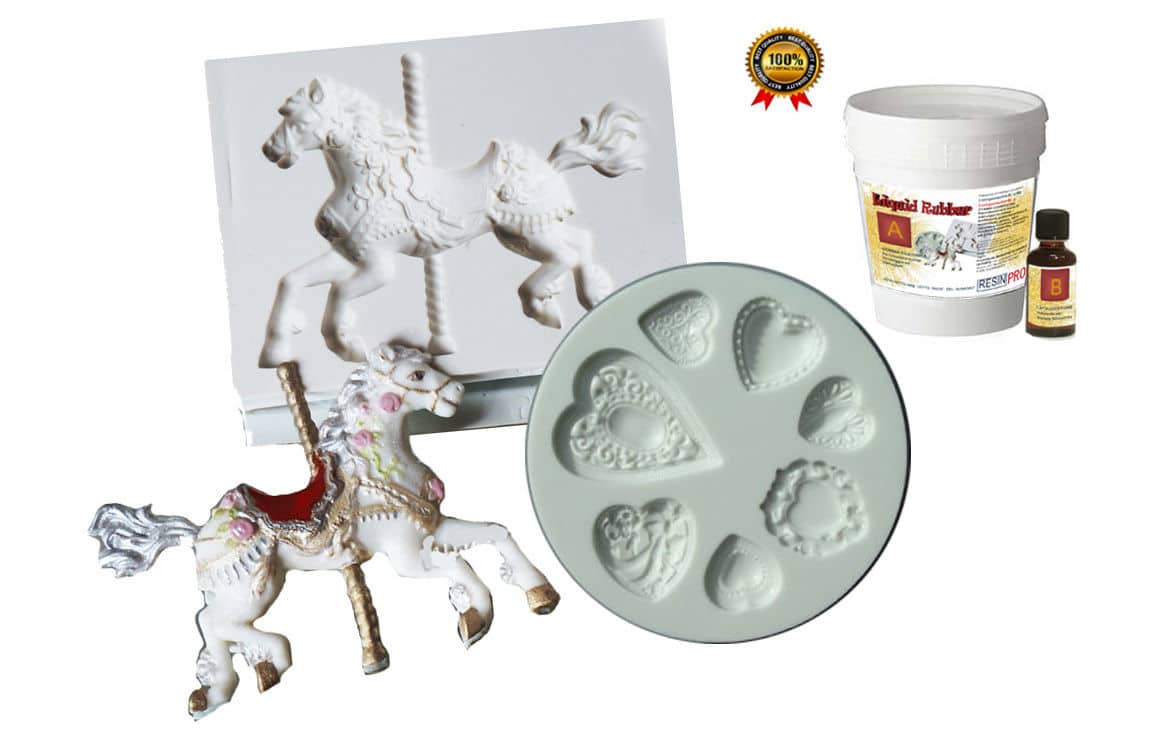
How to Layer GLS 50 Silicone Rubber Effectively
Begin by applying your first layer of mixed GLS 50 silicone rubber as thinly and evenly as possible with an appropriate spreading tool, such as a tooth-shaped spatula for detailed coverage. Allow this layer to reach a ‘tack-free’ stage before proceeding – this means the surface is no longer sticky, but not fully cured. Successive layers can then be applied in the same way, with each curing to tack-free before the next. This process helps each layer bond effectively, resulting in a strong, unified mould.
Practical Guidance: Tips for Best Results
- Always observe the product’s recommended curing times between layers to avoid weak bonding.
- If working in a cold or humid environment, curing times may vary – patience ensures quality.
- Use suitable tools to spread silicone evenly, especially over intricate parts of the model.
When Layering Matters Most
Multi-layer application is especially useful for capturing high-relief features or when you’re producing moulds intended for repeated use. This approach provides extra reassurance against tearing or distortion during demoulding.
Related products
Related guides
Adopting a layered method with GLS 50 silicone rubber supports strong, accurate mould making – essential for detailed work such as model reproduction, jewellery, and resin casting. Learn more techniques and tips for working with silicone rubber on our hub page.