 Free shipping on orders over £29,85
  Shipping Tracking!


 Google
 Facebook
← Back to How to spread GLS 50 silicone rubber?
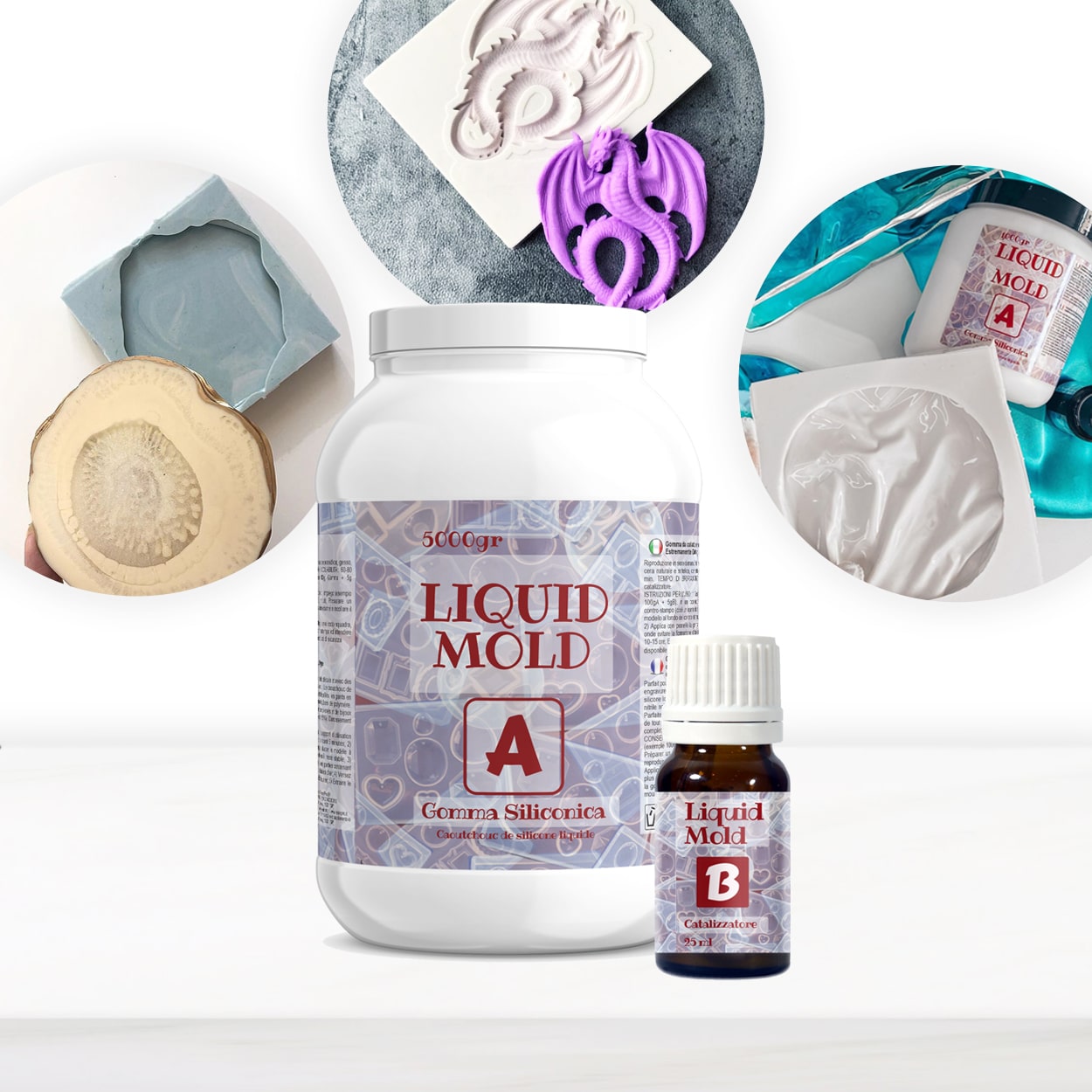
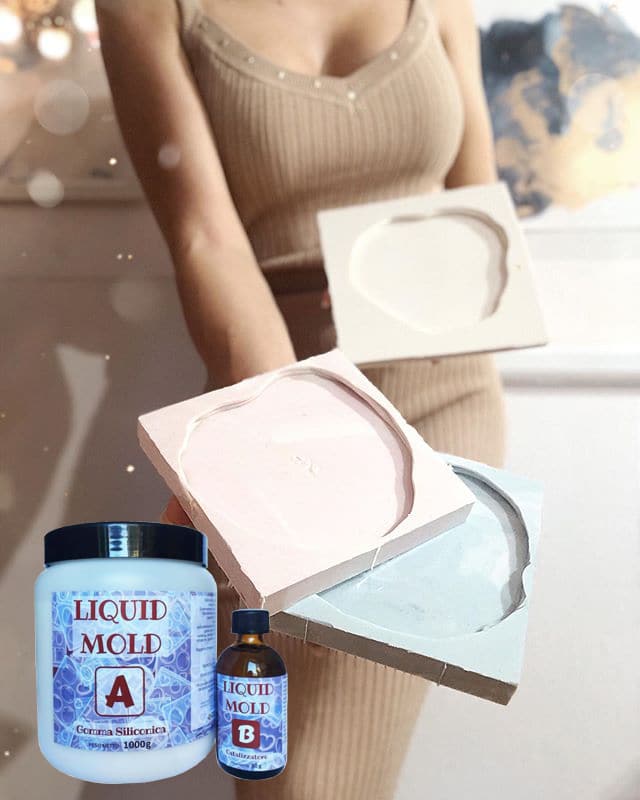
Achieving a high-quality silicone mould depends on many factors, and the ambient temperature during curing is one of the most important. Temperature influences both the speed and reliability of curing for liquid silicone rubber systems.
Why Ambient Temperature Matters
Silicone rubber, such as GLS 50 or casting liquid variants, relies on a precise chemical reaction between its components to cure properly. If the environment is too cold, curing can slow down significantly or stop altogether. Excessive warmth may speed up curing, potentially reducing working time and compromising detail accuracy. Always follow the manufacturer’s guidelines regarding recommended temperature ranges for best outcomes.

Practical Tips for Effective Curing
- Work in a room where the temperature stays stable, typically between 18–25°C, unless otherwise specified.
- Avoid draughty spaces where temperatures may fluctuate or drop unexpectedly.
- If necessary, use a simple thermometer to monitor your workspace climate as you prepare and pour the silicone.
- Try not to speed up curing with external heat unless you are certain it is safe for your chosen silicone product.
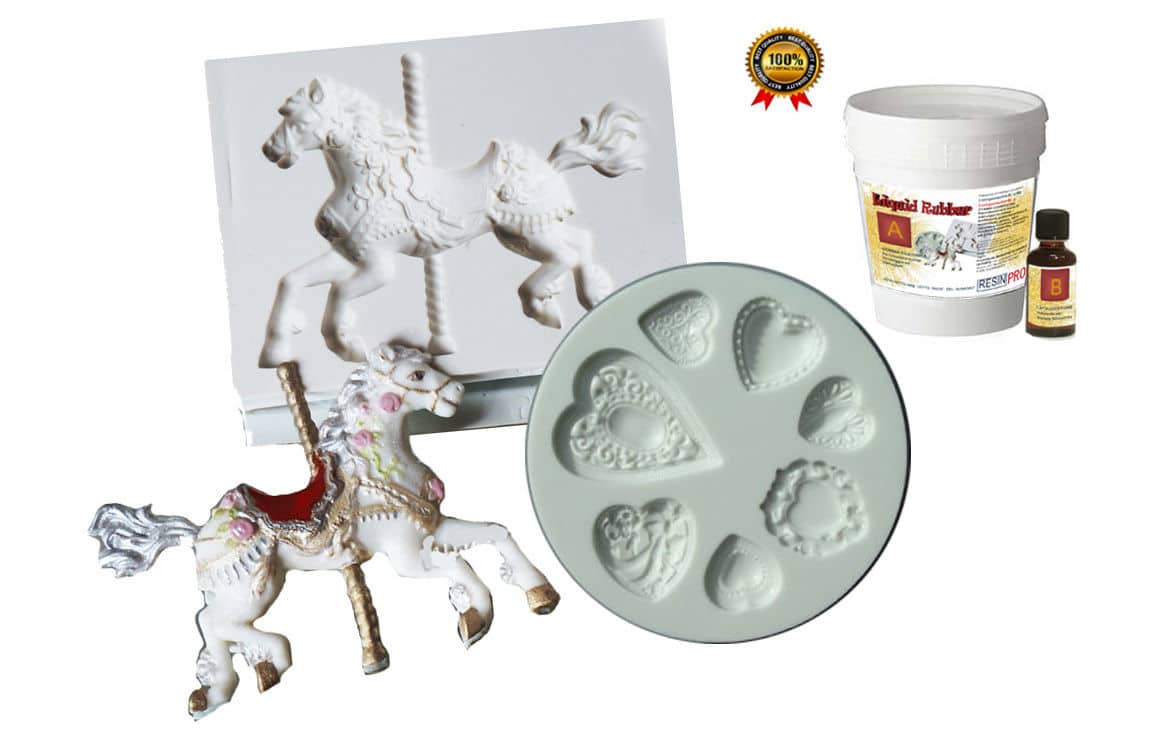
For those seeking a versatile mould making silicone, “Liquid Mould” Casting Liquid Silicone Rubber is ideal for detailed work, but correct temperature is crucial for reliable results.
When This Matters Most
Paying close attention to ambient temperature is especially important when creating moulds with fine details or when working with larger volumes. These conditions amplify the effects of imperfect curing, making stable ambient conditions all the more critical for successful results.
Related products
Related guides
Monitoring ambient temperature is a straightforward yet essential step for anyone spreading and curing GLS 50 or similar silicone rubbers. For a more in-depth guide on spreading techniques and related product options, visit our main page on how to spread GLS 50 silicone rubber.