 Free shipping on orders over £29,85
  Shipping Tracking!


 Google
 Facebook
← Back to What do bees do with resin?
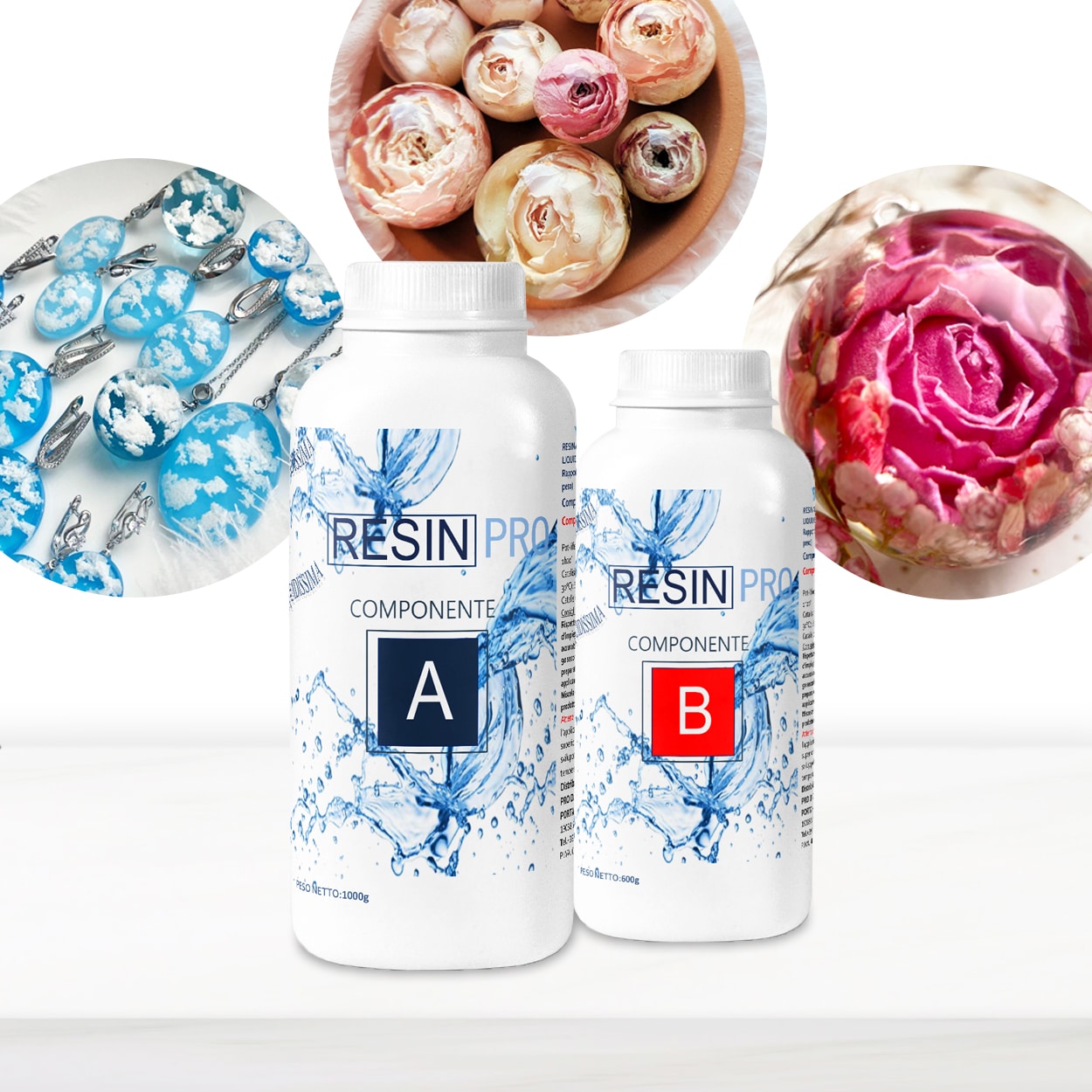
Bees are incredible architects, and one of the secrets behind their hive’s strength is the clever use of plant resin. This resourceful habit has inspired not only nature lovers but also artists and creators working with modern resins.
Resin’s Role in Hive Structure
Within the beehive, resin—often called propolis—serves as nature’s caulking. Bees collect sticky resin from trees and plants, using it to fill gaps and seal cracks between hive components and combs. This careful application helps maintain internal stability and controls airflow, keeping the hive’s microclimate consistent for the bees’ wellbeing.
Building Defences Against Disease
Beyond structural uses, resin provides an effective barrier against potential threats. By sealing tiny cracks and entrances, bees use resin to exclude moisture, prevent pests from entering, and limit the spread of bacteria and fungal pathogens. In this way, resin is a vital part of the hive’s hygienic defences, supporting a healthy environment for the colony.
Inspired by Nature: Practical Resin Uses
Artists and makers often take inspiration from the natural world. Bees’ use of resin mirrors the way we utilise resins in creative projects—strengthening, sealing, and protecting our own handiwork. For example, “Liquidissima” epoxy resin provides clarity and flow for detailed moulds, while larger scale projects benefit from deep pour resins that simulate layering and protection, much like the hive’s own structure.

Related products
Related guides
Just as bees use resin to craft strong, resilient hives, we can harness resins to create, protect, and preserve our own projects. To explore more about bees’ relationship with resin, visit our main guide on what bees do with resin.