 Free shipping on orders over £29,85
  Shipping Tracking!


 Google
 Facebook
How to Resin a Staircase?
Step-by-step guide for wood and concrete staircase resining
Transforming your staircase with a resin finish adds hard-wearing protection, modern appeal, and easier maintenance to one of the most used features in your home or commercial space. Whether you want to safeguard well-trodden concrete steps or refresh the look and durability of timber stairs, this guide covers the core steps and what to look out for throughout the process.
What You’ll Need
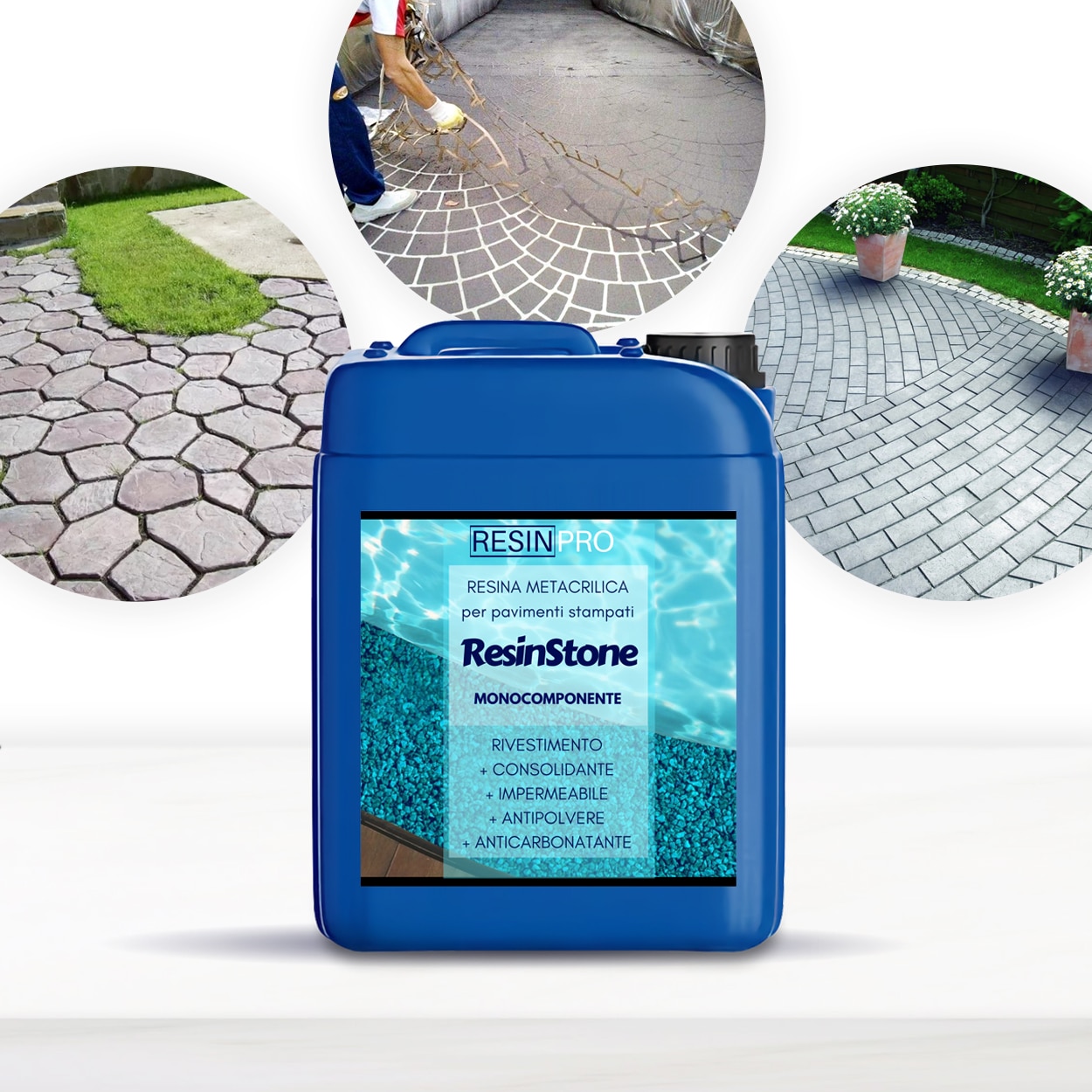
- “Resinstone” – One-Component Methacrylic Resin for Concrete Floors and Driveways: Ideal for sealing and protecting absorbent concrete or similar hard stairs, providing waterproofing and durability.
- “EpoxyWood” – Wood Restoration Epoxy Resin for Deep Penetration and Waterproofing: Perfect for wooden stairs needing deep reinforcement and a natural, waterproof finish.
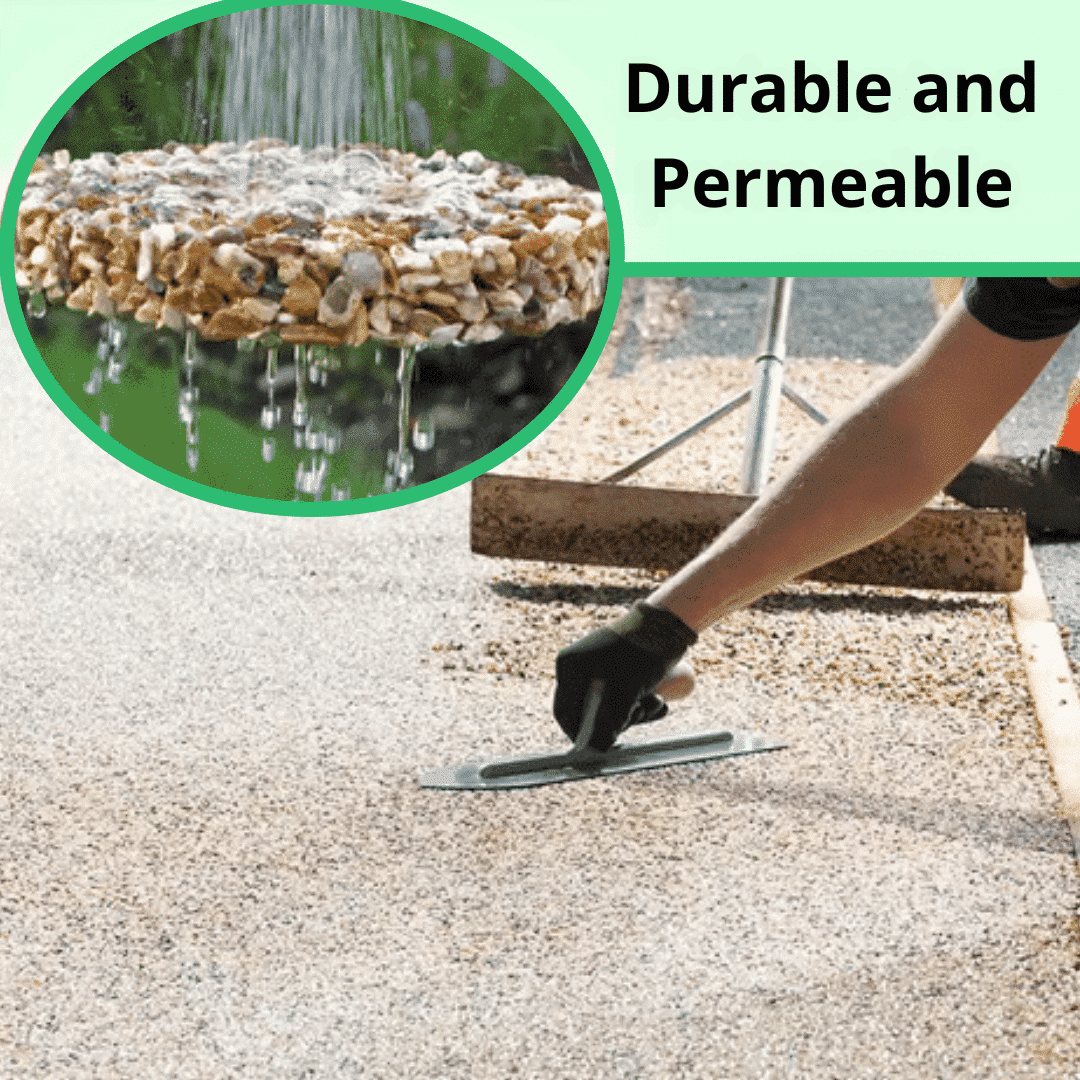
- “Flowstone” – Complete Permeable Floor Kit with Pebbles and Resin: Recommended if you’re aiming for a decorative, anti-slip pebble surface on exterior stairs.
- “Trasparente” – Multipurpose Clear Epoxy Resin for Casting – Up to 2cm: Suitable for clear, glossy resurfacing on flat, prepared steps, especially on indoor wooden staircases.
- Protective gloves, mixing tools, roller or brush, painter’s tape and plastic sheeting, sanding tools, vacuum or brush, mask (for dust).

Choose the right resin for your staircase
Concrete stairs benefit from sealing with a durable methacrylic resin to withstand daily use and harsh conditions. For timber, opt for an epoxy resin designed for deep penetration and waterproofing. If your design calls for non-slip or decorative effects, a dedicated resin and pebble kit is ideal for exterior or feature stairs.
Clean the Staircase Thoroughly
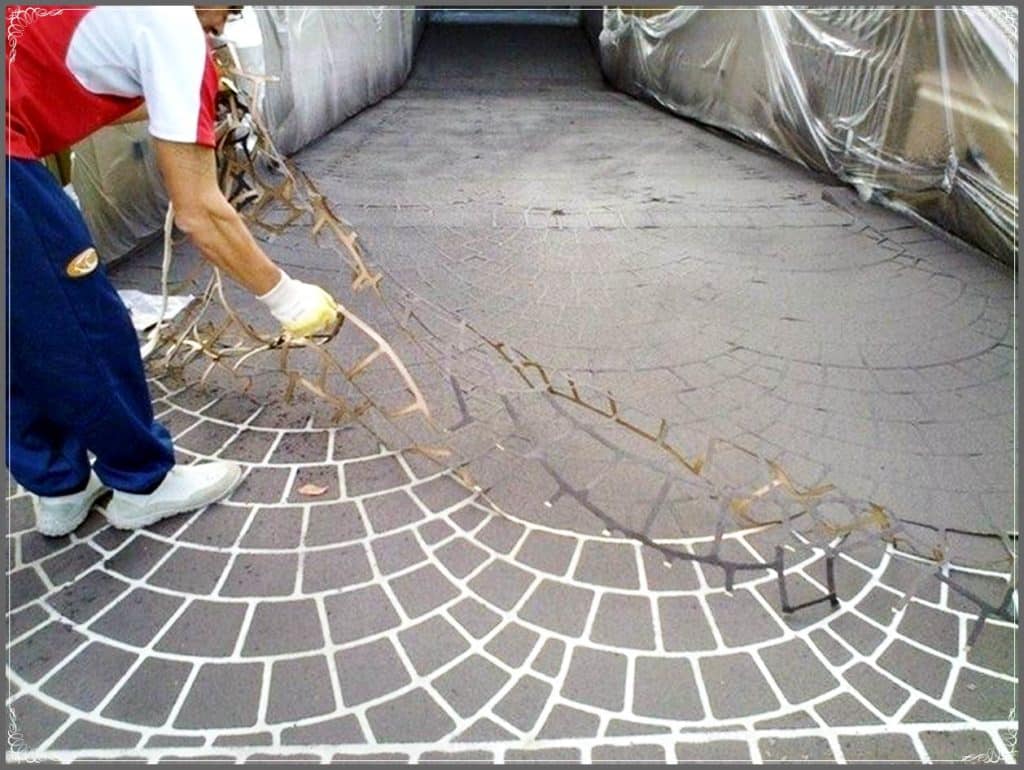
Start by removing all dirt, dust, grease, or existing coatings from the stair surface. Sweep or hoover away loose debris and use a suitable cleaner to eliminate stubborn residues. This preparatory step is essential for strong resin adhesion—any contamination can cause bubbling, unevenness, or delamination in the finished layer. Allow surfaces to dry fully, especially with timber or outdoor steps, to prevent moisture entrapment beneath the resin.
Repair and Sand Any Imperfections
Carefully inspect each stair for cracks, holes, old paint, or surface irregularities. Fill and repair as required—use compatible fillers or fresh cement for concrete or a wood filler for timber, ensuring that all repairs are dry before continuing. Once set, sand the stair treads and risers to produce a smooth, key-able surface, then vacuum dust thoroughly.
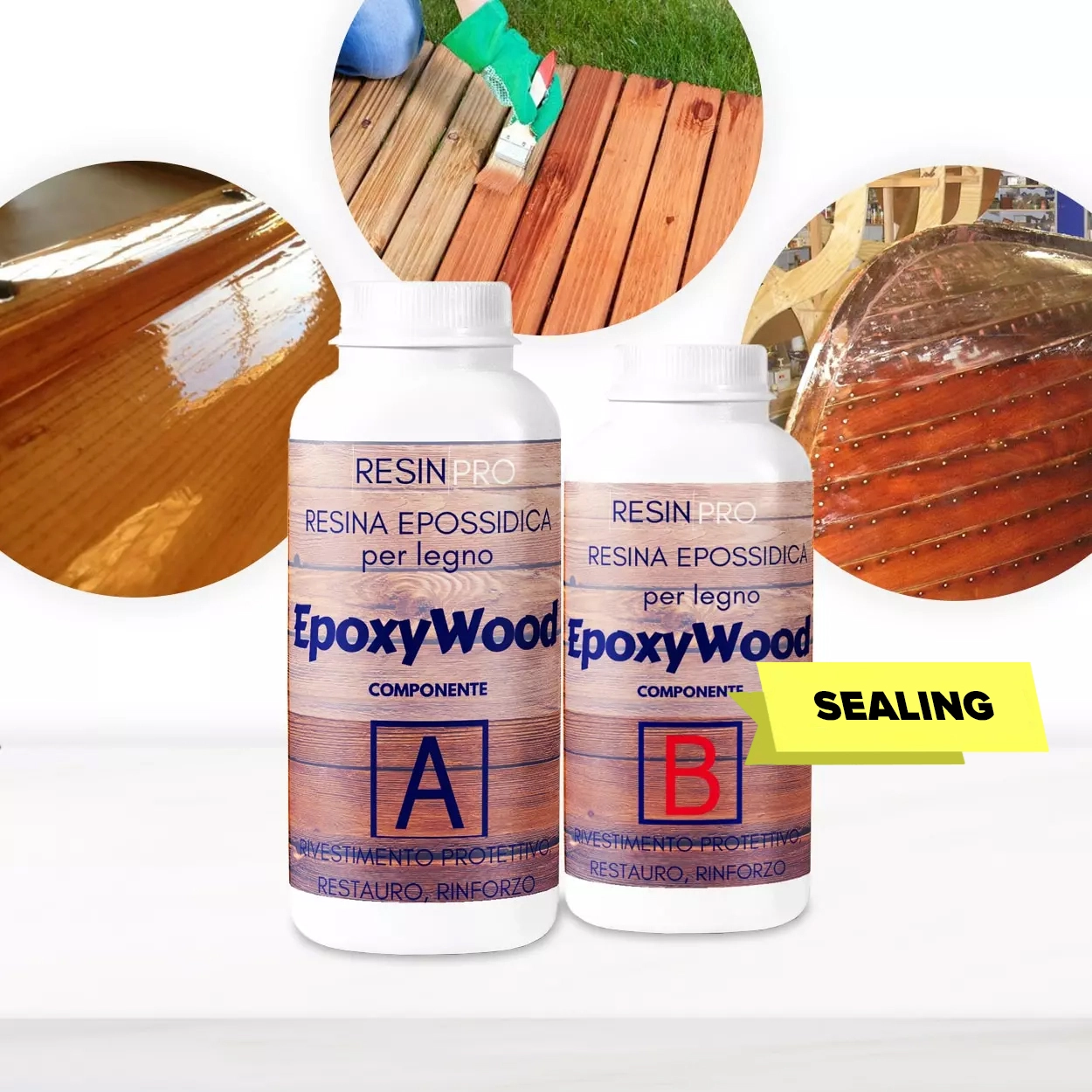
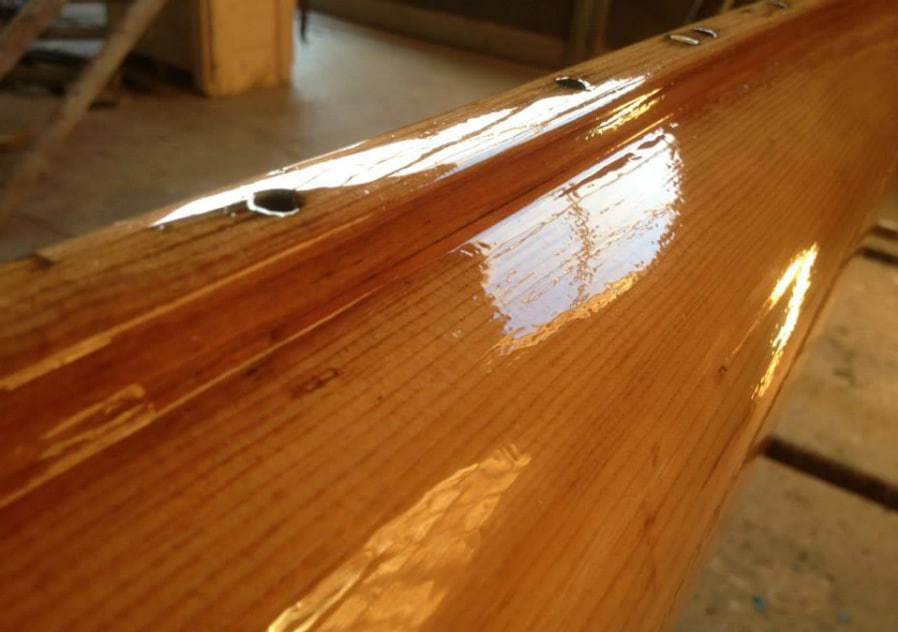
If tackling wooden stairs that need deep structural reinforcement, EpoxyWood – Wood Restoration Epoxy Resin for Deep Penetration and Waterproofing can be used to seal, penetrate, and restore the surface for extra durability and aesthetics before your main resin layer.
Prime and Mask for a Flawless Resin Application
Protect surrounding floors, walls, and banisters using painter’s tape and plastic sheeting. For porous surfaces—especially concrete—priming with a compatible resin-based primer can improve adhesion and uniformity. On absorbent concrete, application of “Resinstone” – One-Component Methacrylic Resin as a primer layer helps to seal and stabilise the substrate, minimising air bubbles in your main coat.
Take time to mask adjoining vertical surfaces or nosings for crisp, professional edges. Ensure all masking is firmly applied so you avoid any resin bleed onto unwanted areas.
Mix and Apply Your Chosen Resin
Follow your chosen resin’s manufacturer instructions for correct mixing ratios, pot life, and application method, whether you’re using a clear casting resin, a methacrylic product for heavy-use, or a decorative pebble kit. Mix slowly to reduce air entrapment and use a roller or brush to apply the resin evenly across each stair tread.
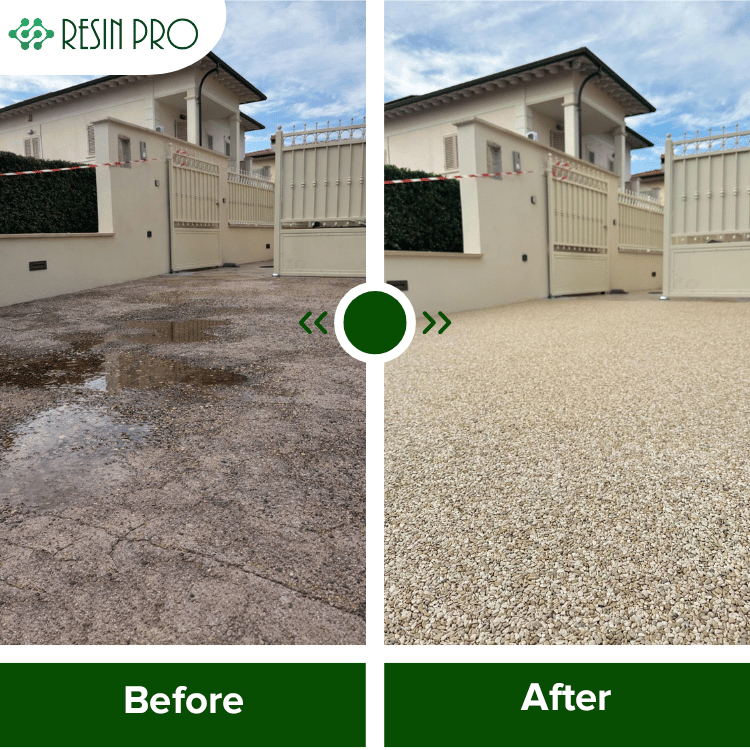
For decorative, anti-slip results outdoors or on porch steps, kits like “Flowstone” – Complete Permeable Floor Kit with Pebbles and Resin provide clear instructions for combining stone aggregate and resin binder, offering both durability and drainage.
To achieve a crystal clear, hard-wearing finish on prepared wood or concrete interior stairs, “Trasparente” – Multipurpose Clear Epoxy Resin is an excellent option for layers up to 2cm. Work systematically to avoid overlaps and drips, and always leave escape routes so you do not tread on wet resin.
Curing, Finishing, and Safety Checks
Allow the applied resin to cure fully—timings will vary by product, but most require at least 12–24 hours for initial setting and several days for maximum hardness. Maintain a dust-free, well-ventilated area throughout curing and avoid foot traffic until the finish is robust.
Remove masking carefully once dry and inspect each step for missed spots or touch-ups. Ensure anti-slip properties are adequate—especially with glossy indoor finishes, you may wish to add a fine anti-slip granule during application for extra grip. Regular cleaning and avoiding sharp impacts will extend the life and beauty of your resined staircase.
Tips, Common Mistakes, & Troubleshooting
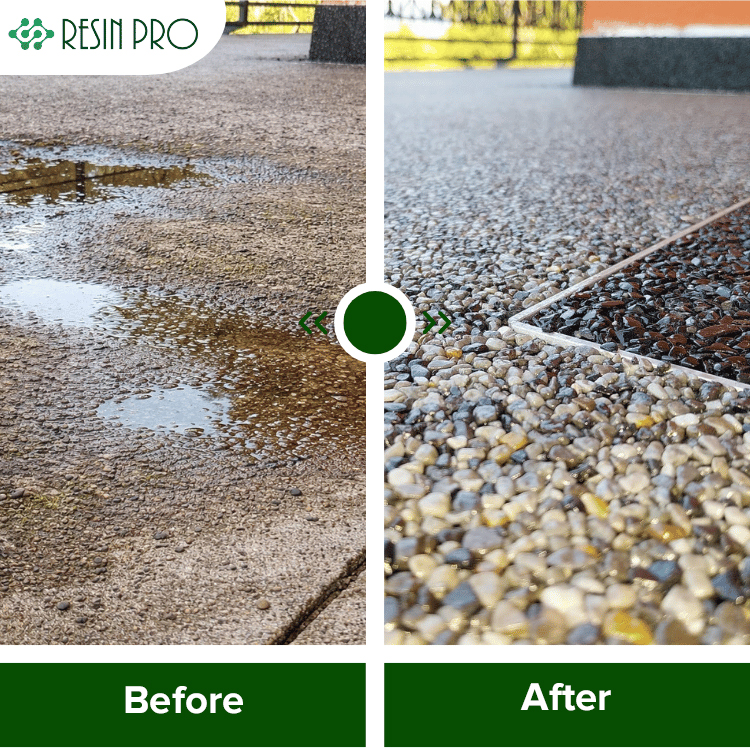
- Avoid resining over damp surfaces as this can trap moisture and cause adhesion failure.
- Work in moderate temperatures and low humidity for best cure and clarity—extremes can affect resin flow and finish.
- Mix resin thoroughly, scraping the sides and base of your mixing container to prevent soft spots.
- Use gentle strokes when rolling out resin to minimise bubbles and brush marks.
- If working with multi-step or outdoor installations, check weather and plan stages to avoid rain or dust contamination between coats.
Visualise before you begin the resin process
Walk through your staircase layout and plan each stage before opening resin containers. Map out escape routes, protect nearby areas, and always have your tools and safety equipment ready for a smooth, stress-free application.
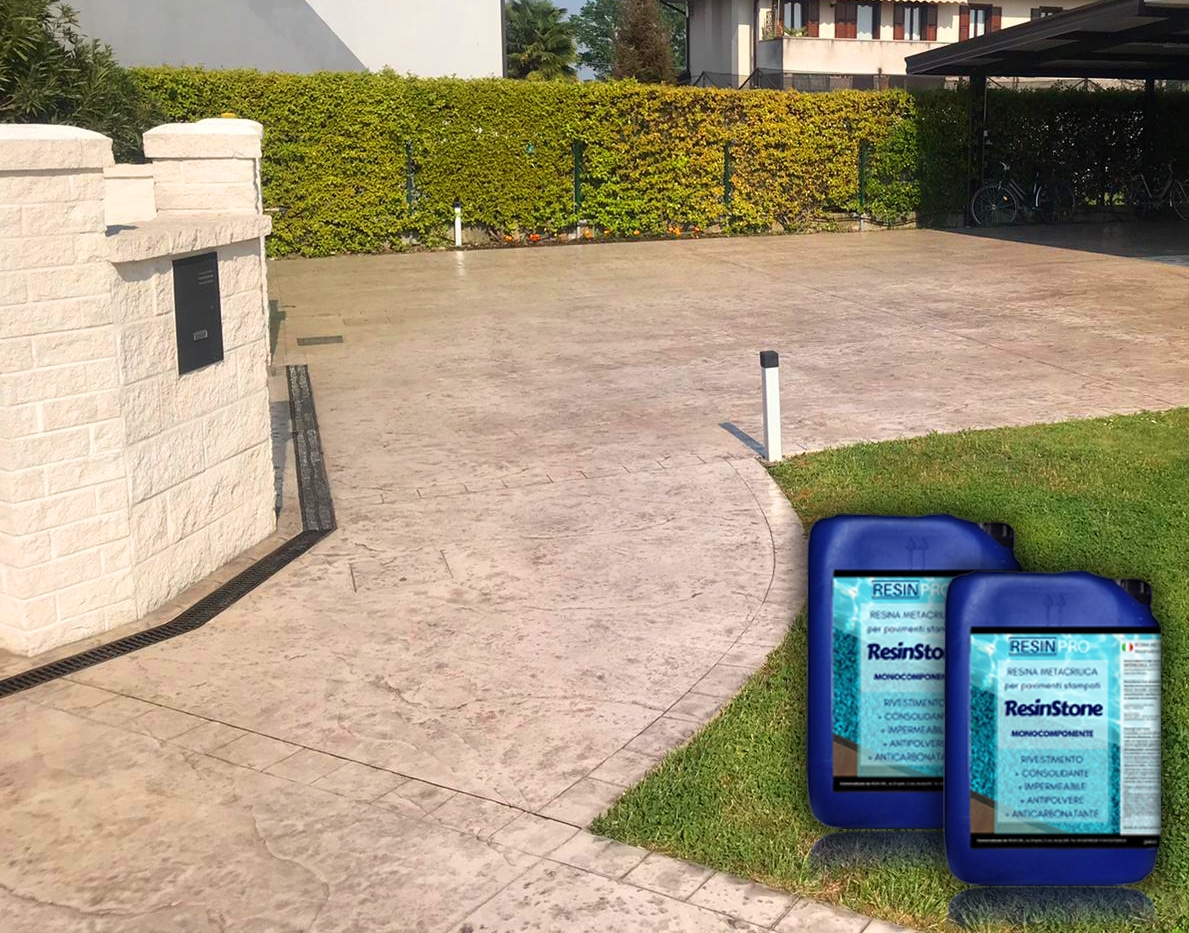
- "Resinstone" – One-Component Methacrylic Resin for Concrete Floors and DrivewaysPrice range: £36.71 through £336.48Resinstone is a one-component methacrylic resin for sealing concrete floors, suitable for durable and breathable protection of driveways and paths.
- "EpoxyWood" – Wood Restoration Epoxy Resin for Deep Penetration and WaterproofingPrice range: £27.95 through £41.95"EpoxyWood" is an epoxy resin designed for wood restoration with deep penetration and waterproofing, suitable for use in staircase resin applications.
- "Flowstone" – Complete Permeable Floor Kit with Pebbles and ResinPrice range: £49.95 through £3,915.45"Flowstone" is a durable and permeable pebble and resin kit suitable for driveways and patios, offering simple application and colour guidance.
 "Trasparente" – Multipurpose Clear Epoxy Resin for Casting – Up to 2cmPrice range: £8.95 through £397.95"Trasparente" is a clear, multipurpose epoxy resin suitable for detailed casting and woodworking projects with layer thickness up to 2cm.
Frequently Asked Questions
Can resin be applied to old stairs?
Yes, as long as the substrate is clean, dry, and structurally sound. Repair and sand thoroughly before application.
How long does resin take to cure on stairs?
Most resins take 12–24 hours to set for light use and several days for full hardness. Check product instructions for specifics.
Is resin slippery on stairs?
Glossy resins can be slippery when wet. Use anti-slip additives or pebble systems to improve traction, especially outdoors.
Are indoor and outdoor stairs treated differently?
Yes. Outdoor stairs often need anti-slip and UV-stable finishes, while indoor stairs may prioritise clarity and smoothness.
Which resin is best for wooden vs concrete stairs?
Epoxy resins suit wood. Methacrylic or polyurethane resins are ideal for concrete. Match resin type to the substrate.
Is a primer necessary for staircase resining?
Priming helps seal porous surfaces for better adhesion. Concrete often benefits from a compatible primer or resin basecoat.
How do I repair resin damage on stairs?
Clean the area, sand lightly, and apply a fresh resin layer or touch-up as directed. Address underlying issues first.