 Free shipping on orders over £29,85
  Shipping Tracking!


 Google
 Facebook
How to use resin to seal?
Step-by-step guide for sealing concrete, wood, pebble, or artistic surfaces
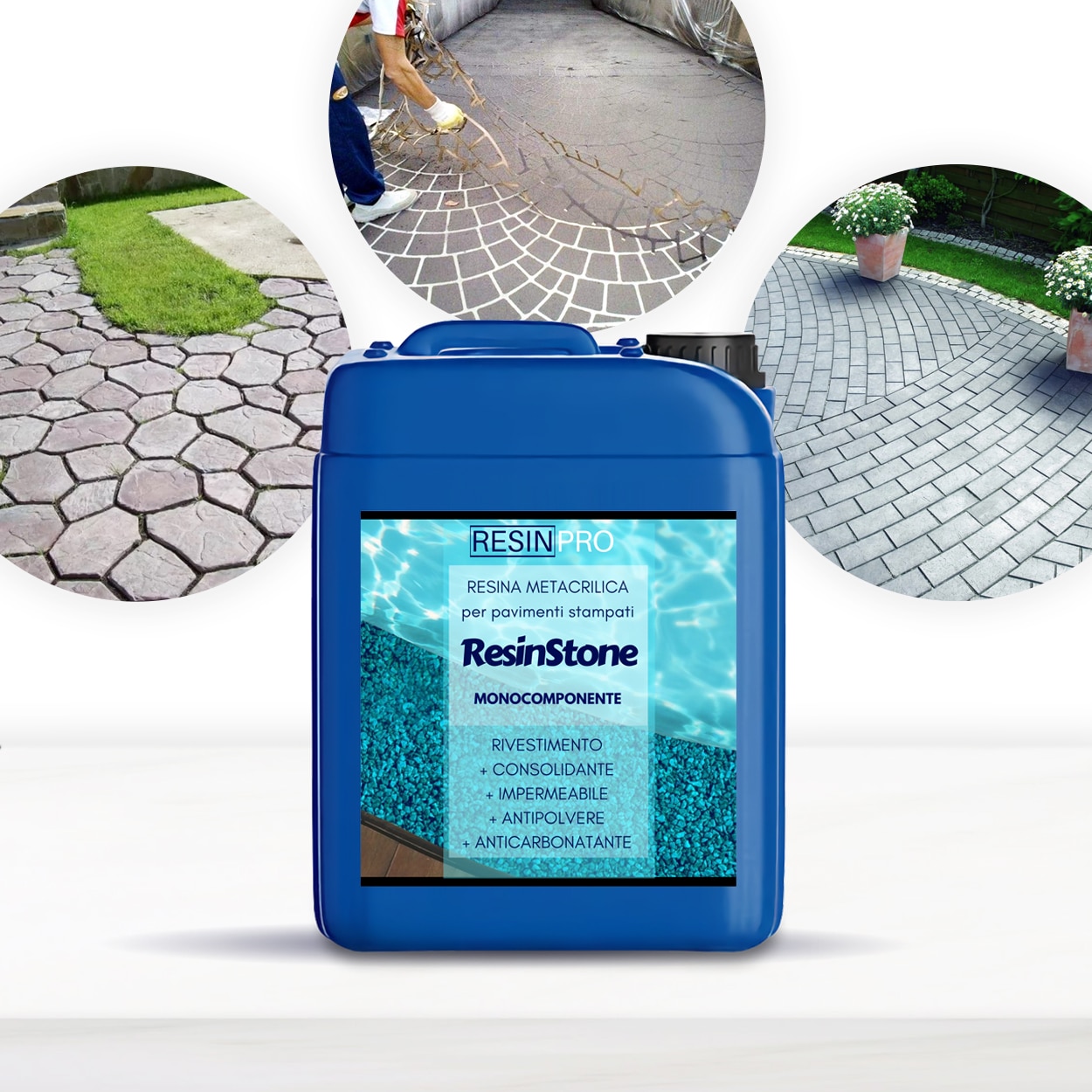

Sealing surfaces with resin provides lasting protection, enhances visual appeal, and offers waterproofing as well as resistance to abrasion and stains. Whether you are working with concrete, wood, decorative pebbles, or artistic pieces, applying resin correctly ensures a premium finish that stands the test of time. This guide walks you through the proven steps to achieve a high-quality seal, avoid common pitfalls, and make the most of your resin projects.
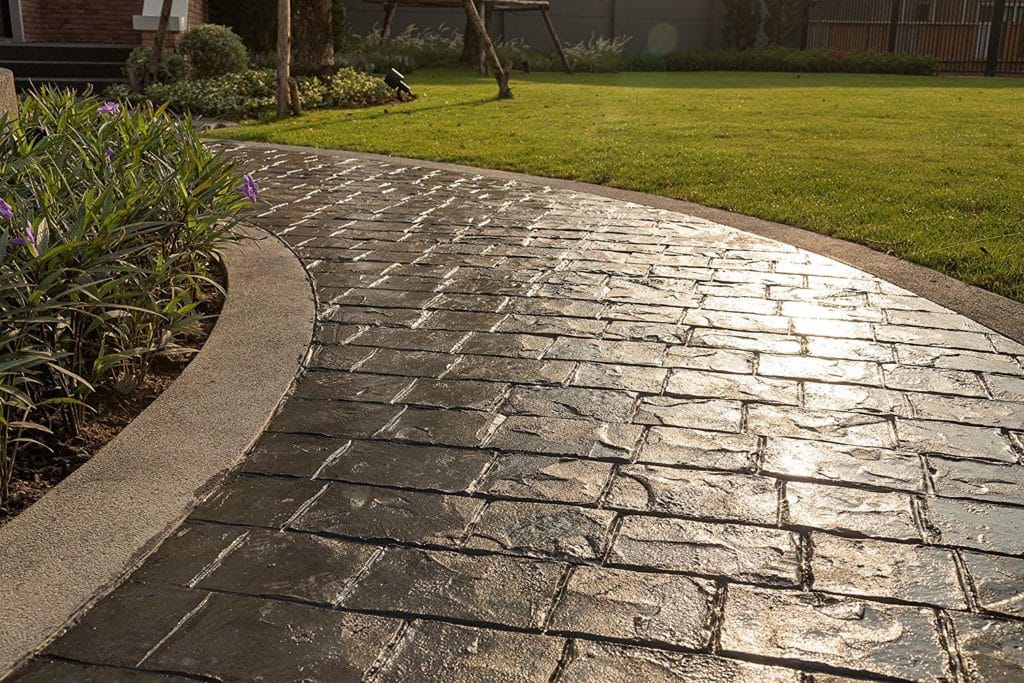
What You’ll Need
- “Resinstone” – One-Component Methacrylic Resin for Concrete Floors and Driveways: For concrete surfaces that require deep, durable sealing.
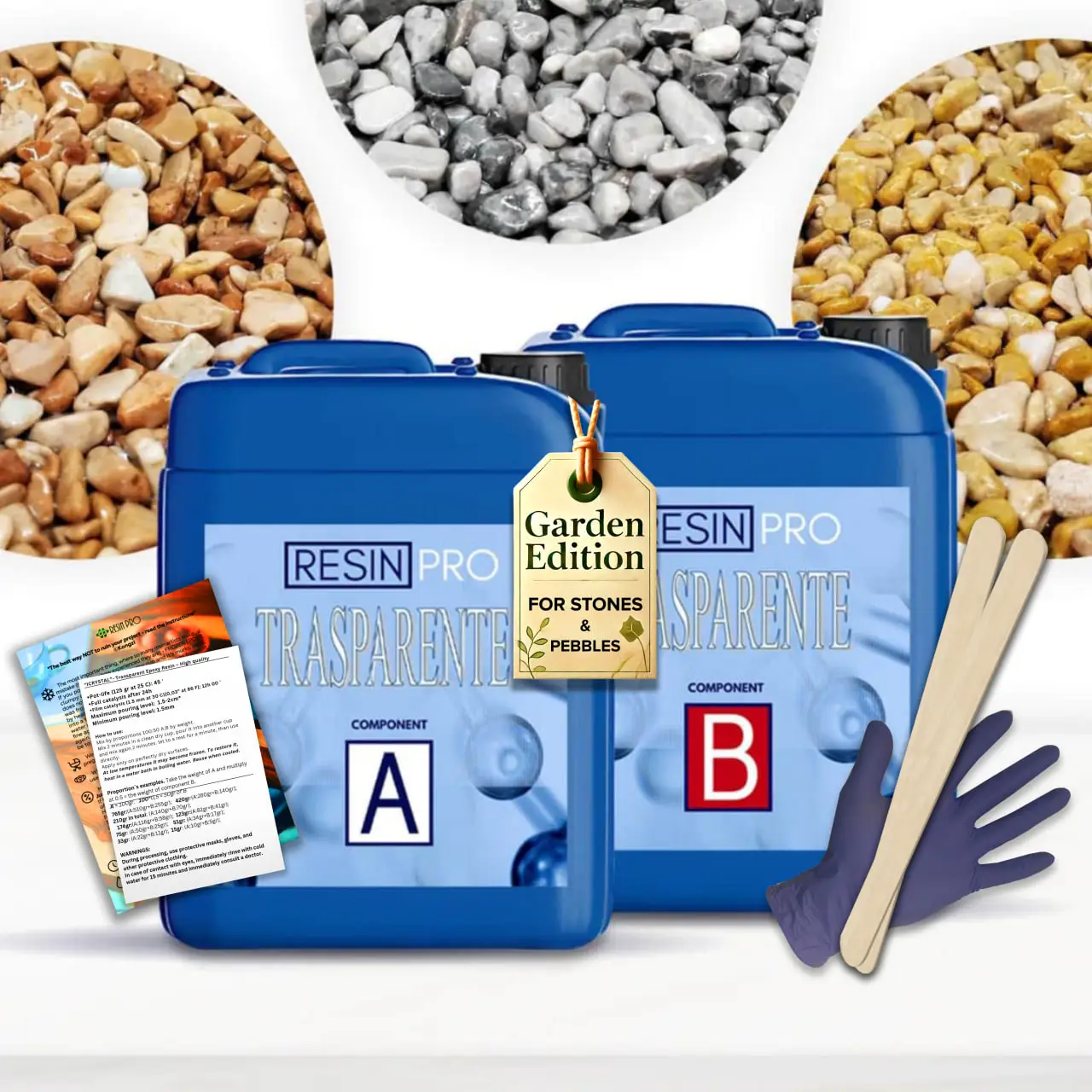
- “Trasparente” – Epoxy Binder for Coloured Pebbles and Grits: For sealing decorative pebbles and permeable outdoor floors.
- “EpoxyWood” – Wood Restoration Epoxy Resin for Deep Penetration and Waterproofing: The choice for restoring and waterproofing timber surfaces.
- “Art Pro” – Clear Epoxy Resin for Artists and Surface Coating: For artistic or decorative surfaces needing a glass-like, durable finish.
- Mixing containers and stirrers (wooden or plastic)
- Protective gloves and clothing
- Sanding tools or abrasive pads (for preparation)
- Brushes, rollers, or spatulas (application tools depend on resin and surface)
- Masking tape (for edge protection)
- Lint-free cloths for surface cleaning

Choose the Right Resin for Your Project
Select a resin designed for your specific material. Methacrylic resins like Resinstone excel on concrete, while Trasparente is best for decorative stones and EpoxyWood is specialised for timber. Using the right resin ensures deep penetration, optimal adhesion, and long-lasting protection for each type of surface.
Step 1: Prepare the Surface
Thorough preparation is critical for a successful resin seal. Begin by removing all dust, grease, old coatings, and loose particles. For concrete or stone, ensure the surface is dry and free from efflorescence. Wood surfaces should be fully dry and, ideally, lightly sanded to assist resin adhesion. For artistic or decorative pieces, make sure the base is clean and smooth.
Mask off any edges or adjacent areas you wish to protect with masking tape. Always ensure surfaces are clean, dry, and free of contaminants. Failure to do so can result in poor adhesion or cloudiness after curing.
Step 2: Mix and Prepare the Resin
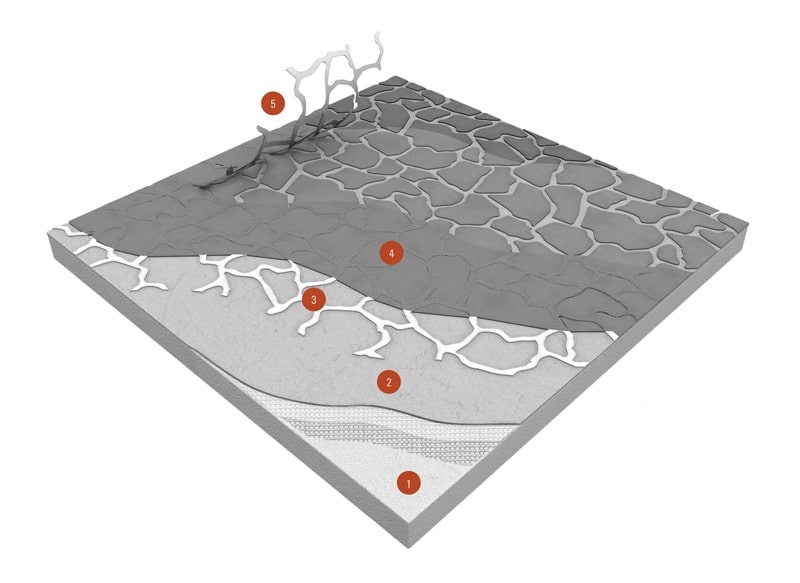
Choose the resin type suited to your project. For instance, “EpoxyWood” – Wood Restoration Epoxy Resin for Deep Penetration and Waterproofing is optimal for timber, while “Trasparente” – Epoxy Binder for Coloured Pebbles and Grits is perfect for stones. Carefully follow the manufacturer’s mixing instructions, usually provided as a ratio by weight or volume. Use clean containers and tools, and mix slowly to minimise air bubbles.
Prepare only the amount of resin you can use within the pot life, as resins will begin to react and thicken after mixing. Wear protective gloves and work in a well-ventilated area.
Step 3: Apply the Resin Seal
Pour or spread your prepared resin onto the surface. The technique varies by substrate:
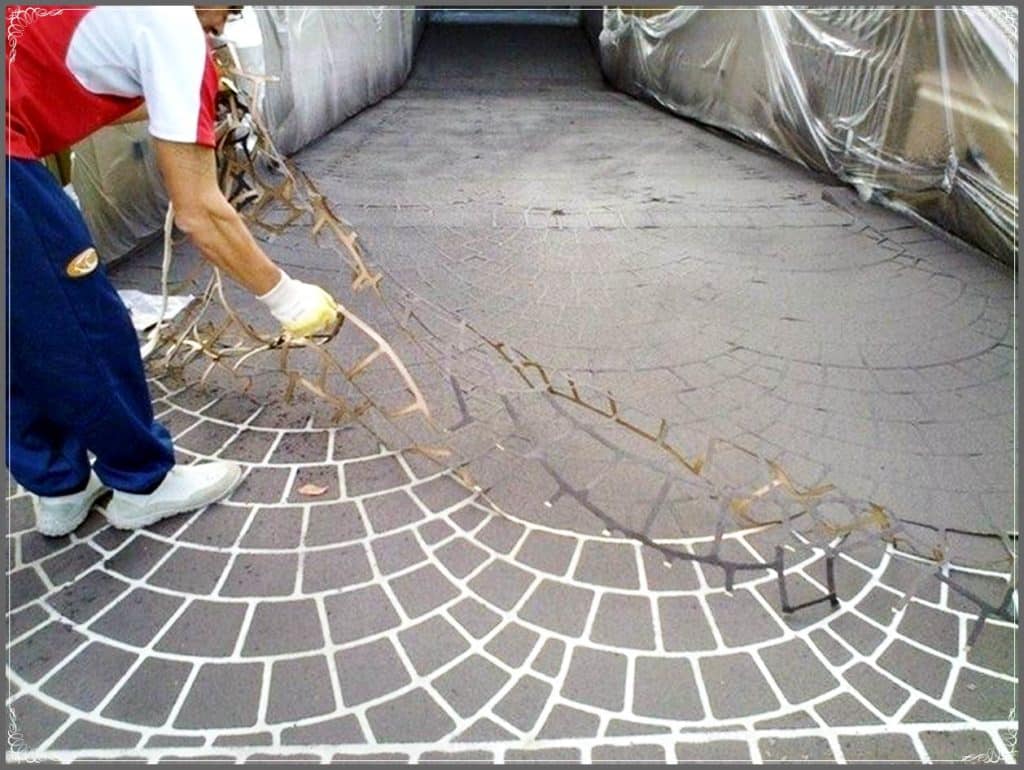
- For concrete and driveways, apply with a brush, roller, or airless spray using products like “Resinstone” – One-Component Methacrylic Resin for Concrete Floors and Driveways.
- On decorative pebble floors, mix the pebbles thoroughly with “Trasparente” – Epoxy Binder for Coloured Pebbles and Grits first before laying out and compacting the mixture.
- For wood, brush on a generous coat of EpoxyWood, allowing it to soak in for deep protection.
- On artistic or crafted objects, pour a layer of “Art Pro” – Clear Epoxy Resin for Artists and Surface Coating and spread evenly using a spatula or a brush.
Work methodically to achieve a smooth, even coat. Ensure full coverage, especially on edges and corners. If a second layer is needed, allow the first coat to become tack-free as per the product instructions before applying the next. De-bubble by passing a heat gun or torch lightly over the wet resin if needed.

Step 4: Curing and Final Checks
Let the sealed surface cure undisturbed according to the resin’s specified curing time—this varies from around 10 hours (for some epoxies on floors) to over 24 hours for full chemical resistance. Keep dust, insects, and other contaminants away during this period. Avoid heavy use or water exposure until fully cured.
If you intend to apply a second layer or a protective topcoat, lightly sand the surface after curing and wipe clean to ensure perfect adhesion. Remove masking tape while the resin is still soft to avoid clean-up issues.
Tips and Common Mistakes
- Do not apply resin in damp or humid conditions unless specified. Moisture can compromise curing and clarity.
- Test the resin on a small area before full application. This helps gauge compatibility and finish.
- Use the correct resin for your specific surface type. Products designed for concrete may not suit wood or artistic projects.
- Work within the recommended temperature range for best results. Extreme cold or heat can affect cure time and finish.
- Always mix thoroughly for even curing—poor mixing leads to sticky patches.
- Protect the cured surface from heavy traffic and moisture until fully set.

Finishing Touches and Long-Term Care
Maintain your sealed surfaces with periodic checks and gentle cleaning. Avoid harsh chemicals and abrasive tools. For high-traffic or outdoor areas, reapply the resin or consider a suitable topcoat every few years to preserve protection and appearance.
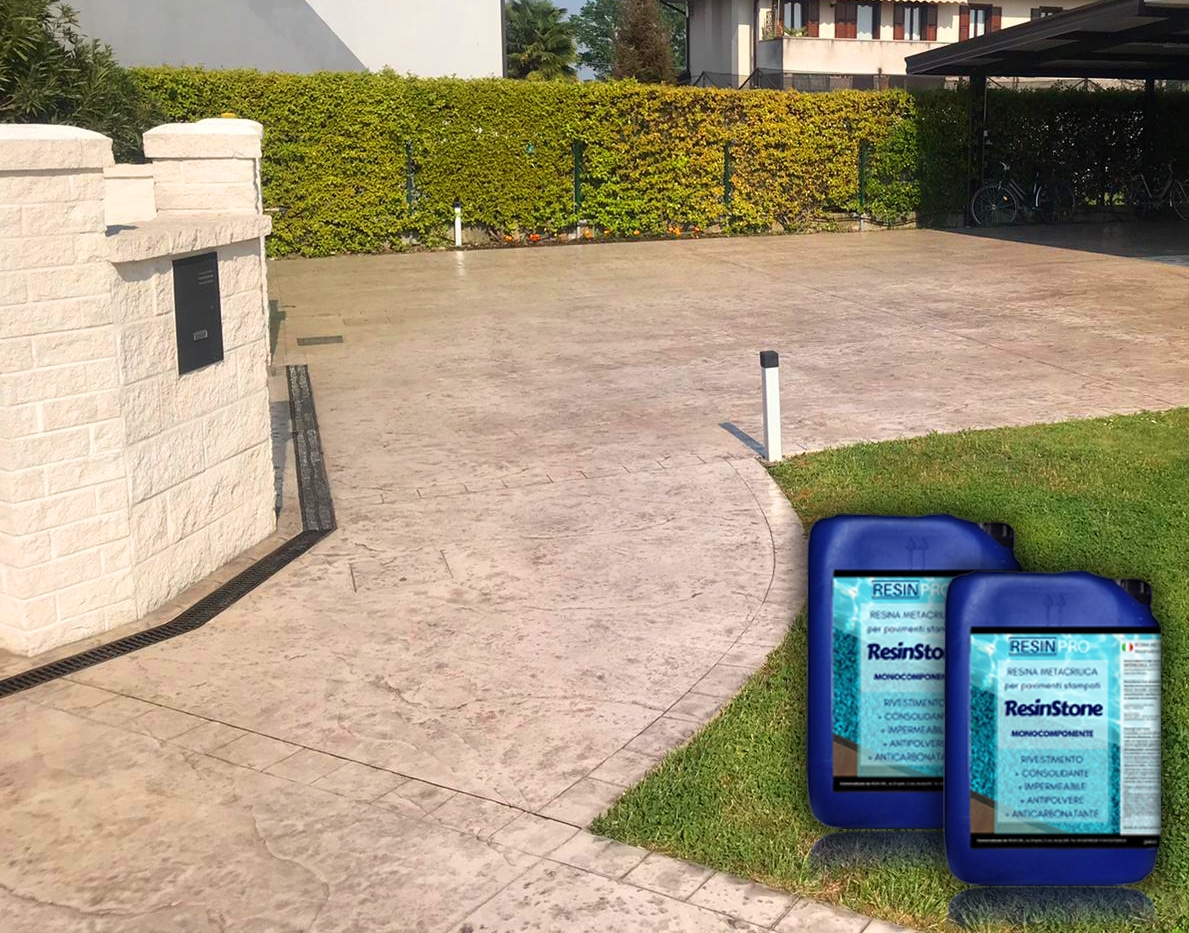
- "Resinstone" – One-Component Methacrylic Resin for Concrete Floors and DrivewaysPrice range: £36.71 through £336.48Resinstone is a one-component methacrylic resin designed for sealing concrete floors and driveways, offering durable and waterproof protection.
- "Trasparente" – Epoxy Binder for Coloured Pebbles and GritsPrice range: £33.45 through £397.95"Trasparente" epoxy binder is suitable for coloured pebbles and grits, offering a clear, UV-resistant finish for use on driveways and permeable…
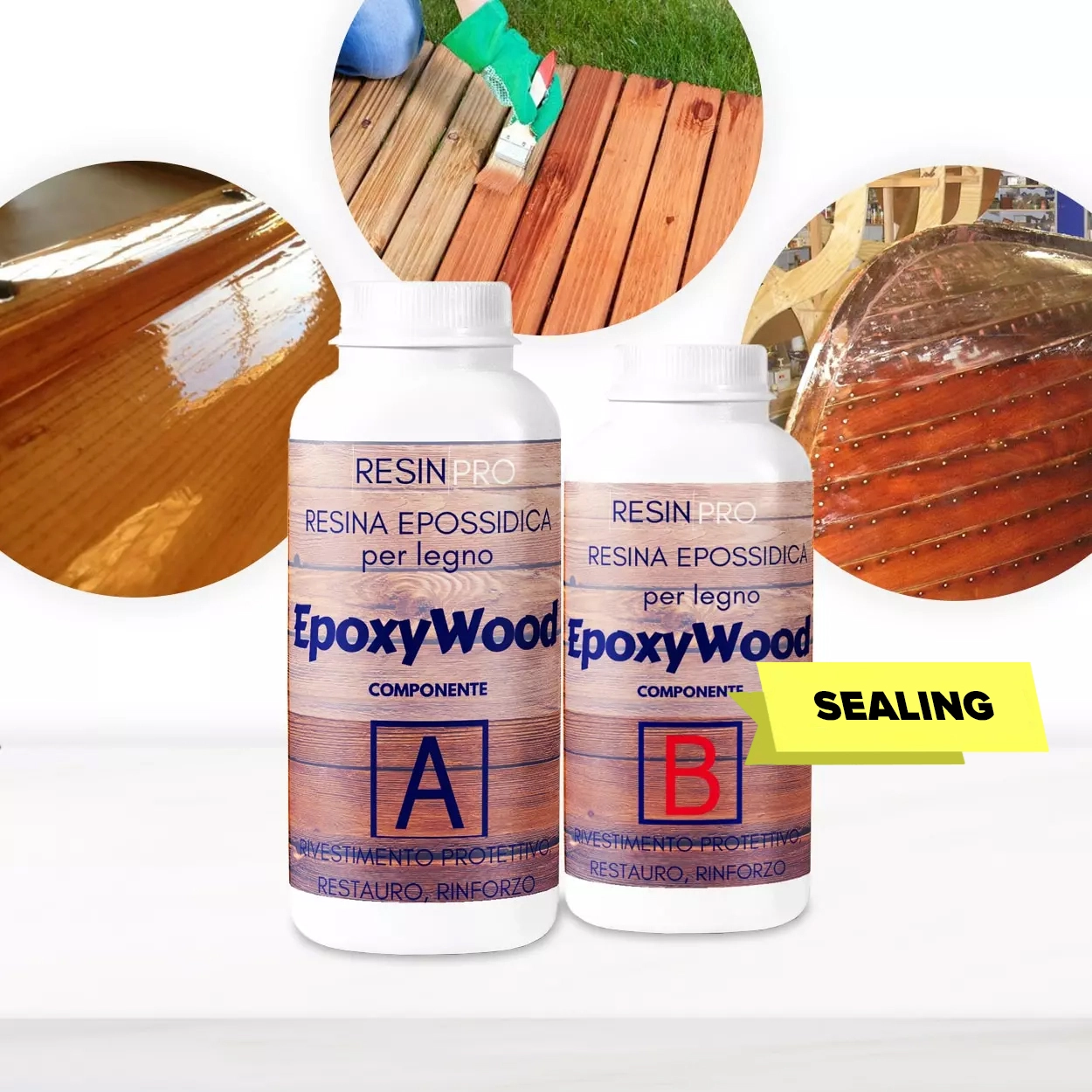 "EpoxyWood" – Wood Restoration Epoxy Resin for Deep Penetration and WaterproofingPrice range: £27.95 through £41.95"EpoxyWood" is designed to repair and protect wooden surfaces with deep penetration and a waterproof finish.
 "Art Pro" – Clear Epoxy Resin for Artists and Surface CoatingPrice range: £19.95 through £267.95Art Pro clear epoxy resin is designed for sealing surfaces with a durable, transparent finish suitable for artistic and decorative projects.
Frequently Asked Questions
What resin is best for sealing concrete versus wood?
Use methacrylic resin for concrete surfaces and a specialised epoxy such as EpoxyWood for timber. Each is tailored to its material’s needs.
Why is surface preparation important before sealing?
Cleaning and drying the surface fully ensures strong adhesion, prevents imperfections, and delivers a flawless, long-lasting finish.
Does sealing with resin make a surface waterproof?
Yes, properly applied resin forms a waterproof barrier, protecting surfaces from moisture and preventing rot or staining.
Can I reseal over old resin layers?
You can apply new resin over old layers if the previous coat is clean, abraded lightly, and dust-free to ensure proper adhesion.
What are common problems when sealing with resin?
Frequent issues are bubbles, cloudy finish, or sticky spots—typically caused by poor surface prep, imprecise mixing, or unsuitable conditions.
How long does a resin-sealed surface last?
With proper application and care, a resin seal can last years, especially on low-traffic indoor surfaces. Reapply as needed in exposed areas.
Why is UV resistance important in sealing?
UV resistance prevents yellowing and degradation of the resin when exposed to sunlight, maintaining clarity and strength over time.